ODIN:VALHALLA RISING
- 2.24K
- 3.7
- Installs
- 1.00M
- Price
- Free
Screenshots
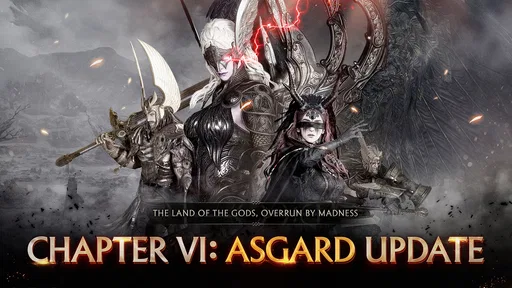
Analysis by Reviewed
I went into ODIN: VALHALLA RISING expecting a Norse-themed role-playing game, but its biggest commitment is its scale: it is built around a connected open world rather than a string of short, self-contained stages. That makes it appealing when I want somewhere to wander and gradually develop a character, but it also means I would not treat every session as a quick match. The game is free to start, with optional purchases, so I would decide whether its ongoing style suits me before spending anything.
What the open world asks of your time
In this kind of MMORPG, “open world” is more than a promise of scenery. It sets an expectation that travel, character growth, and quests will take place within a larger shared adventure. I find that rewarding when I have time to settle in, follow a thread, and let exploration lead to the next activity. It is less suited to a spare couple of minutes when I want an immediate, neatly finished challenge. If short missions and quick resets are what I usually enjoy in mobile RPGs, a stage-based alternative may fit my routine better.
That difference also changes how I would approach progression. Rather than rushing from one objective to another, I would treat a new area as a chance to learn its routes and notice what the game is asking me to do. A practical habit is to pause before starting a longer play stretch and check whether I have enough time to finish the activity I chose. That small bit of planning helps avoid the frustration of having to stop just as I have become absorbed in a quest.
Graphics and Visuals
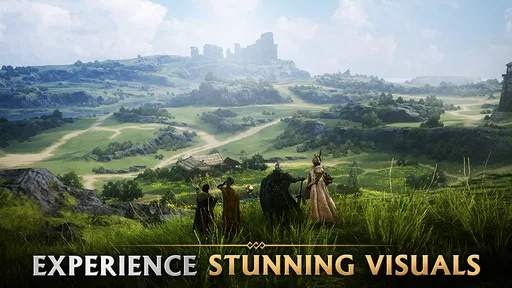
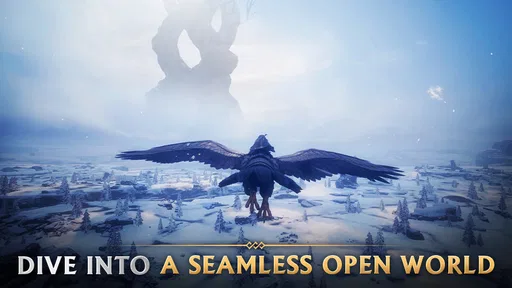
First off, let me just say that the graphics in ODIN: VALHALLA RISING are absolutely stunning. It's like a visual feast for your eyes! The attention to detail in every character, the lush landscapes, and the atmospheric effects make it feel like you're actually living in the world of Norse mythology. Seriously, every time I play, I find myself just pausing to admire the scenery. If you’re a sucker for good graphics, this game is going to blow your mind.
Speed, stability, and busy moments
Those detailed environments are part of the appeal, but they also set expectations for a demanding-looking mobile game. I would not assume that every phone will feel equally comfortable with long sessions or visually busy scenes. If performance feels inconsistent, I would first try a shorter session and close other demanding apps before deciding whether the game itself is the problem. That is a sensible check, not a guarantee that every slowdown can be fixed.
Large-scale play can also feel busier than a solo RPG, especially when exploration and combat compete for attention. I find it helps to focus on one immediate goal at a time: follow a quest, get familiar with the area, or work on character development instead of trying to do everything in one sitting. If the game pauses, closes, or becomes uncomfortable on your device, give it a moment and relaunch rather than repeatedly tapping through menus. Your progress and recovery experience can depend on the situation, so I would avoid assuming that an interrupted action always resumes exactly where it stopped.
Gameplay and Mechanics
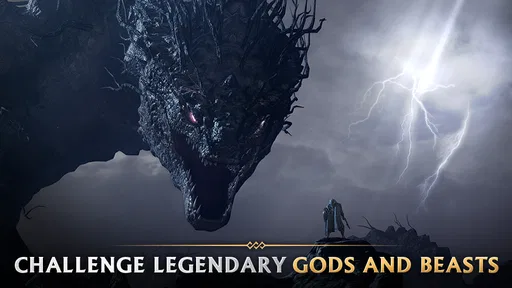
Now, onto the gameplay. This isn’t just your run-of-the-mill RPG. The open-world format gives you the freedom to explore vast lands, engage in epic battles, and interact with a host of intriguing characters. And the best part? The combat system is incredibly intuitive. Whether you’re a seasoned gamer or a newbie, you’ll find the controls easy to pick up but challenging enough to master. Plus, there’s something immensely satisfying about slaying mythical beasts with your trusty sword and shield.
More From Our News Desk

 Instagram
’s Power Comes From Its Place in Your Phone
A close look at how Instagram turns Meta’s reach, recommendation systems and everyday camera habits into durable platform power—and what that costs users.

 Gmail
Gmail in a Busy Inbox: Who Benefits Most?
From first account to crowded workday, Gmail earns its place through dependable search and flexible sorting—but its best fit depends on how much inbox maintenance you can tolerate.
 Prime Video
Switching to Prime Video: What Changes in Your Viewing Routine
Prime Video can make a compelling second home for streaming, but switching means learning a different catalog, rental layer, and route from browsing to playback.

 Universal TV Remote Control
 Works Best as a Reliable Backup
A phone remote earns its place through quick setup and reliable habits. Here is how to get more from Universal TV Remote Control—and where its limits show.

 Weather - By Xiaomi
Weather by Xiaomi Review: Clear at a Glance, Less Clear Up Close
Xiaomi’s weather app makes everyday forecasts quick to scan, but its calm surface can leave useful details and recovery paths harder to find than they should be.

 X
X Under Pressure: Can It Recover When Posting Goes Wrong?
A resilience-focused review of X, examining setup, mistaken posts, interruptions, weak connections, and the gaps that matter when recovery needs to be dependable.
Latest News



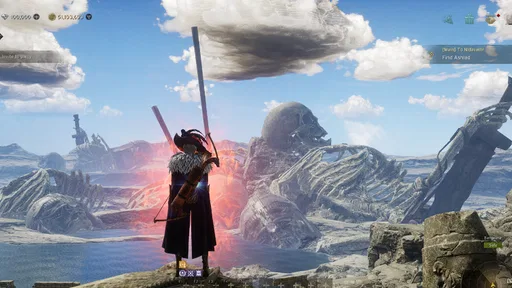
I have to give a shout-out to the character customization options. You can really make your warrior your own, and the gear upgrades keep you invested in your character’s development. The quests are engaging and varied, so you never feel like you’re doing the same thing over and over again. There’s always something new to discover or a new challenge to conquer.
Making progress without turning play into a chore
For an everyday routine, I would use the game in two different ways. On a quiet evening, I would give exploration and a longer quest my attention. On a busy day, I would choose a simple personal target—such as checking one nearby objective or spending a short stretch learning the combat—then stop when that feels complete. The advantage is that I can enjoy the world without treating every login as a demand to make major progress.
Character options and gear improvements can make progression feel personal, but they also create a reason to keep investing time. I would pay attention to whether I am enjoying the choices themselves or only chasing the next upgrade. Since the game is free with in-app purchases ranging from $3.99 to $79.99 per item, I would set a spending limit before browsing them. Purchases are optional; they should not be mistaken for a requirement to enjoy the basic premise.
Sound and Music
The sound design in this game is on point. The soundtrack is epic and perfectly complements the grand scale of the game. From the clashing of swords to the ambient sounds of the wilderness, every sound effect adds to the immersive experience. Trust me, playing with headphones takes the experience to a whole new level.
Who is likely to enjoy it?
I would recommend this to someone who likes a continuing fantasy world, character development, and the freedom to explore rather than being guided through only brief levels. Kakao Games Corp. is the developer, and the game sits firmly in the role-playing genre. Its Teen content rating is worth checking if you are choosing a game for a younger player. The usual mobile RPG alternatives may be a better fit for someone who wants clearly bounded stages, a lighter time commitment, or a more straightforward solo experience.
There are practical questions I would answer before installing. Is it free to try? Yes, the game is free, though it offers optional in-app purchases. Will every device feel equally smooth? I would not count on that: check that your phone meets the Android minimum of version 6.0 and test a short session before committing to longer play. Is it a casual pick-up-and-put-down game? It can be approached in short bursts, but its open-world MMORPG design is better suited to players willing to return and build familiarity over time.
Overall Experience
Honestly, ODIN: VALHALLA RISING is an adventure that no gamer should miss. Whether you’re in it for the breathtaking visuals, the engaging gameplay, or the immersive soundscape, there’s something for everyone. It’s a game that draws you in and makes you want to keep playing for hours on end. So, if you’re ready to embark on a journey through the realms of Norse mythology, download the game and unleash your inner Viking. You won’t regret it!
My more measured recommendation is to try it when you have a stable connection and enough time to see whether its scale works for you, rather than judging it by a rushed first session. It has an average rating of 3.5 from around 29,000 ratings, with more than a million installs; those figures suggest a sizeable audience, but they are not a substitute for seeing how it runs on your own device. The current version is 1.0.7, and I would keep expectations grounded: the rich presentation and broad world are the draw, while device demands, session length, and optional spending are the trade-offs to weigh. If that balance sounds appealing, it is worth a look; if I wanted a compact RPG for brief, predictable sessions, I would choose something more tightly structured.
A sensible first-session test
Before settling into a long quest, I would use the first few minutes as a practical device check rather than an all-or-nothing verdict. Notice whether movement and combat feel responsive, whether the screen remains comfortable to read, and whether the phone becomes warm or the battery starts dropping faster than you like. These are personal checks, not promises about how the game behaves on every handset. If something feels off, shorten the session and try again under ordinary conditions before deciding whether the experience is workable for you.
I would also avoid judging the whole game by how quickly the opening stretch moves. An MMORPG asks for a different rhythm from a single-player campaign: the appeal is returning to a persistent-feeling world and learning its routines, not necessarily reaching a tidy ending each time I pick up my phone. That distinction matters if I am choosing between this and a conventional mobile RPG. A level-based game is easier to pause at a clear boundary; here, I would choose an objective with a natural stopping point before starting when time is tight.
Choosing when to play
A realistic weekday use case for me would be to start after dinner, pick one quest or exploration goal, and give the game enough uninterrupted attention to understand what I am doing. If I only have a brief break between errands, I would be more cautious: loading into a broad world and getting oriented can make a tiny window feel less satisfying than a short puzzle or a mission-based RPG. On a free evening, though, the same freedom to roam is a strength because I do not have to treat every minute as a race through a checklist.
For players who like to plan their sessions, I would keep a simple mental note of the last objective and the next thing I want to try. That helps when returning after a day away, especially in a world that offers several possible directions. It is not a special in-game tool, just a way to avoid spending a short session wondering what to do. I would also stop at a point where I can comfortably put the phone down, rather than assuming an online role-playing game will always provide a perfectly clean pause at any moment.
How it compares with other mobile RPGs
Compared with the usual mobile RPG built around separate stages, this one puts more weight on being present in a connected world. That can make travel and discovery feel like part of the adventure instead of downtime between encounters. The trade-off is that a player looking for fast, self-contained battles may find the broader format less efficient. I would choose a stage-based alternative for predictable, short play and choose this when I want the setting, character growth, and open-ended exploration to carry a longer session.
It also asks for a different kind of patience than a tightly written solo role-playing game. A solo title can keep its focus on one authored route and a clear pace; an MMORPG is more about building familiarity with a larger environment and returning to it. If I want a story that moves forward at my own speed without the feel of a continuing online world, I would look elsewhere. If the idea of developing a character within a broad Norse-inspired setting is the main attraction, this format makes more sense.
Trade-offs worth noticing early
The most useful distinction when deciding whether to spend is between wanting a smoother-looking character journey and needing a purchase to enjoy the game at all. I would begin without buying anything, learn what parts of exploration and progression hold my attention, and only then consider whether an optional item addresses a real preference. The price range is wide enough that I would not browse impulsively, especially if I am still unsure whether the game’s pace fits my routine. Free access makes trying the basic experience easier, but it does not remove the need to set personal limits.
Likewise, I would not treat visual richness as a guarantee of effortless performance. The same detailed presentation that makes me want to stop and look around may be the part that feels least comfortable on an older or less capable phone. If the game is stuttering or the device is getting uncomfortably warm, there is little value in forcing a marathon session. A shorter test, a break, and a realistic judgment about how the phone handles it are more useful than expecting every device to behave like a gaming handset.
Who should pass, and who should give it a chance
I would steer away from it if I mainly want a game that can be opened for a couple of minutes, completed cleanly, and forgotten until the next break. I would also skip it if I dislike long-term character development, prefer a focused solo campaign, or know that optional purchases tend to tempt me into spending more than planned. Those are not flaws that a different setting can fix; they are mismatches between the game’s broad MMORPG approach and what a player wants from mobile gaming.
On the other hand, I would give it a fair try if I enjoy exploring at my own pace, like gradually shaping a character, and have a device that handles visually rich games comfortably. It has a Teen rating, so I would check that standard against the age and preferences of anyone I am recommending it to. The audience is substantial, but popularity alone should not decide the choice: I would use a short, no-purchase trial to answer the more personal question of whether its world and session rhythm feel inviting on my own phone.
My performance verdict
For speed and reliability, my recommendation is deliberately cautious: expect a visually ambitious mobile role-playing game, test it on your own device, and avoid assuming that a long session will feel as smooth as a brief one. Keep the operating-system requirement in mind, and leave room for a game of this scale to feel different from a lightweight, stage-based RPG. If it runs comfortably and you enjoy returning to a world rather than ticking off isolated levels, its scope is a compelling reason to stay. If responsiveness, low device demand, and easy stop-and-start play matter more, a simpler alternative is the wiser pick.
ODIN:VALHALLA RISING Frequently Asked Questions
Can I play ODIN: VALHALLA RISING on iOS as well as Android?
ODIN: VALHALLA RISING is a mobile role-playing game, and the Android minimum operating system requirement is version 6.0. If you are considering installing it on an iPhone or iPad, check that the game is available for your device through its official app store and that your device meets the current requirements. A compatible device and reliable internet connection are important for an online MMORPG.
What does the open-world MMORPG format mean for a new player?
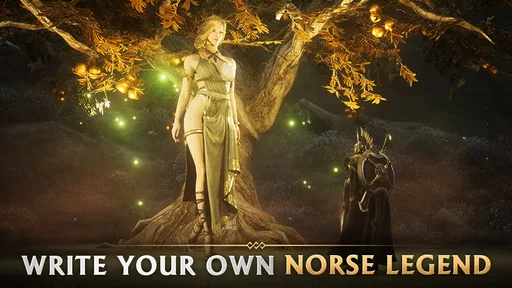
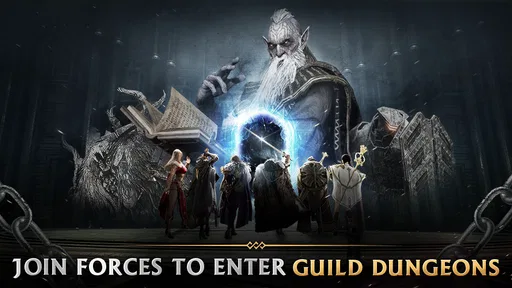
The game presents a Norse-inspired world as a shared online setting rather than a short, self-contained adventure. You can explore its world and take part in role-playing gameplay alongside other players, which may suit you if you like ongoing online games. Its premise emphasizes writing your own Norse legend, so expect an experience shaped around exploration, character progression, and multiplayer play.
What is ODIN: VALHALLA RISING?
ODIN: VALHALLA RISING is an immersive MMORPG that combines Norse mythology with stunning graphics and engaging gameplay. Players can explore vast open worlds, participate in epic battles, and engage with various characters and creatures from Norse legends. With its rich storyline and dynamic combat system, the game offers a captivating experience for fans of the genre. Its store summary invites players to write their own Norse legend in a seamless open world.
Who develops ODIN: VALHALLA RISING, and what kind of game is it?
ODIN: VALHALLA RISING is a role-playing game developed by Kakao Games Corp. It is built around the MMORPG experience, with a Norse mythology setting and an open world to explore. If you enjoy character-focused adventures and sharing a game world with other players, its premise may appeal to you. The game is free to download, though optional in-app purchases are available.
What are the system requirements for ODIN: VALHALLA RISING?
The Android minimum operating system requirement is version 6.0. To ensure optimal performance, ODIN: VALHALLA RISING requires a device with at least 4GB of RAM and a stable internet connection. The game is designed to run on both Android and iOS platforms. Adequate storage space is also necessary for the initial download and updates. The Android operating system requirement is a useful baseline, but performance can still depend on your device.
Pros
- Stunning open-world graphics
- Engaging Norse mythology storyline
- Smooth character animations
- Diverse class system
- Challenging PvP battles
Cons
- High device storage requirement
- Occasional server lag
- Complex controls for beginners
- In-game purchases can be costly
- Battery drains quickly