Obsidian Knight RPG
- 1.76K
- 4.5
- Installs
- 1.00M
- Price
- Free

Screenshots
Analysis by Reviewed
I first picked up Obsidian Knight RPG expecting a familiar fantasy role-playing game, and its striking presentation made a strong first impression. What matters more than the initial spectacle, though, is whether the adventure suits the way you like to play—and whether its free entry point feels worthwhile for you.
What you can expect at no upfront cost
This is a free role-playing game from ActFirst Games, so you can try it without paying an upfront purchase price. Optional in-app purchases range from $0.99 to $99.99 per item, which is a broad enough range to make checking purchase prompts carefully sensible, especially if you are downloading it for a younger player. The age rating is Teen.
The game has a 4.5 average from around 153,000 ratings, and it has been installed over a million times. Those figures suggest that it has found a substantial audience, but they do not tell you whether its particular style of fantasy adventure will click with you. I would treat the free access as a chance to decide for yourself, rather than assuming that paying is necessary to enjoy it.
How to judge the free-to-start offer
Because there is no upfront price, I would approach the first sessions as a test of fit rather than a commitment. Pay attention to whether the quest structure, combat, and character progression keep you engaged before considering any purchase. That is a more useful measure of value than assuming a free game must be either limited or generous: your own interest is the deciding factor.
The purchase range is worth keeping in mind as you play. A low-cost item and a much higher-priced one are very different spending decisions, so I would pause at each prompt and read what is being offered instead of tapping through automatically. If a child or teen uses the device, it is sensible to discuss purchases beforehand and use the device’s purchase controls to avoid accidental spending.
First Impressions and Gameplay
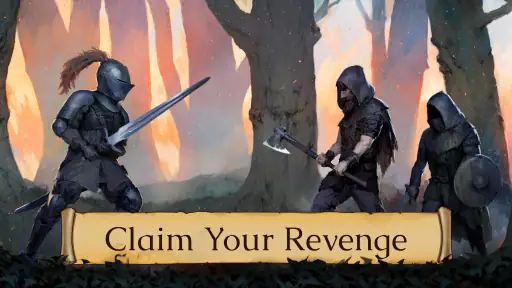
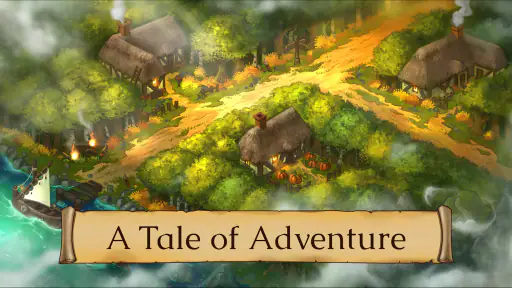
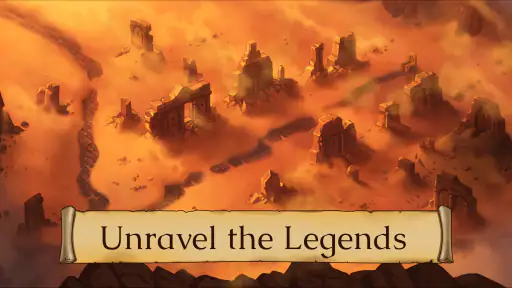
From the moment I launched the game, I was greeted with a visually striking world. The graphics are downright gorgeous, reminding me of those epic fantasy novels where every corner of the kingdom holds a new story. The characters are well-designed, and the landscapes are nothing short of breathtaking. But hey, enough about the looks, let's talk about the gameplay.
As an RPG enthusiast, I always look for a game with a solid storyline, and Obsidian Knight RPG does not disappoint. Right off the bat, you're thrown into a world filled with mythical creatures, dark dungeons, and thrilling quests. The storyline keeps you on your toes, making you wonder what’s lurking around the next corner. The controls are intuitive, making it easy for newbies and veterans alike to jump right into the action. It's got that classic RPG feel, with some modern twists that keep you hooked.
More From Our News Desk

Clash of Clans Is Won Between the Battles

Android Auto Makes the Case for Quieter Car Software

MobiOffice: Transforming Mobile Productivity with Seamless Integration

EA SPORTS FC™ Mobile Soccer: Redefining Mobile Sports Gaming

How Microsoft OneDrive Became a Mobile Productivity Giant

How Google Translate Breaks Language Barriers Effortlessly
The Quests and Challenges
If quests are your thing, you're in for a treat. The game offers a variety of missions, ranging from simple fetch quests to complex, multi-layered storylines that require strategic thinking. The developers have done a fantastic job of keeping the quests fresh and engaging. Plus, the rewards you earn make the effort worthwhile.
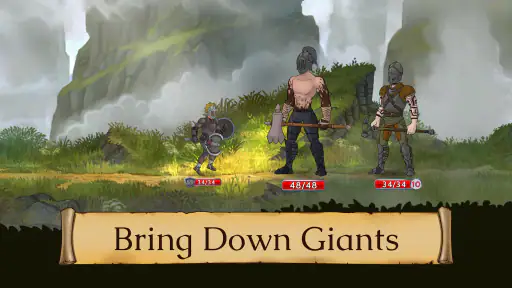
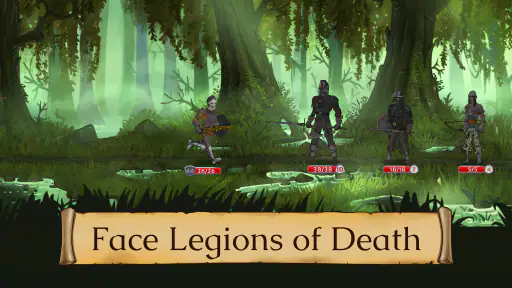
One thing that really stands out is the game’s combat system. It’s fluid, dynamic, and offers a good balance between strategy and action. You can choose to go full-on offensive or take a more tactical approach, which adds a layer of depth to the battles.
The Quests Reward Different Kinds of Attention
One practical way to keep the adventure enjoyable is to notice what a quest is asking of you before you commit to a long stretch of play. A direct objective is a natural fit for a small pocket of free time; a multi-layered story mission is better when you can give the plot and its decisions your attention. I would avoid starting a complicated objective just before you need to put your phone away, since an abrupt stop can make it harder to remember what you were doing when you return.
The mix of mission types also matters if you are deciding whether this is a game for daily play or occasional visits. If you enjoy switching between a clear task and a longer narrative thread, that variety can make the world feel less repetitive. If you want every mission to be brief and self-contained, the story-led quests may not match your preferred rhythm.
Making the most of a play session
For a practical routine, I would start a session by choosing one quest goal rather than wandering without a plan. That gives the story and combat a clear focus, and it makes a shorter play window feel complete. If a mission turns out to be more involved than expected, it is easier to decide whether to keep going or leave the next step for another time.
The quest mix also gives you a useful way to judge whether the game fits your mood. A straightforward task can suit a brief break, while a layered objective is better when you can give the plot and its challenges your attention. I would not assume every session will have the same pace; that variety is appealing, but it may be less satisfying if you want a tightly directed experience every time you open a game.
Combat: action with a tactical pause
The combat description points to a middle ground between tapping through effortless fights and playing a slow, heavily tactical RPG. You can take an aggressive approach or make more considered choices, so I would use early battles to see which style feels comfortable rather than treating every encounter as a race. If you find yourself struggling, slowing down and thinking about your approach is a better first move than immediately spending money.
This balance makes the game a better fit for someone who wants combat to support the adventure rather than replace it. Players looking for a pure reflex challenge may want a more action-first title, while those who enjoy having some room to think during a fight may appreciate the blend. The key question is whether you like combat as one part of a broader RPG loop.
Character Customization and Progression
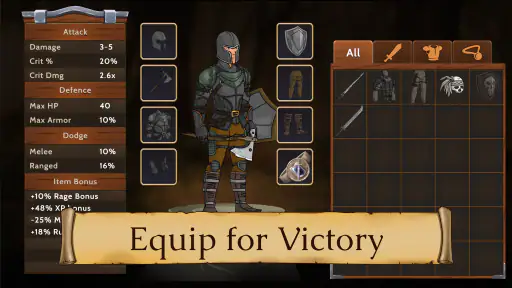
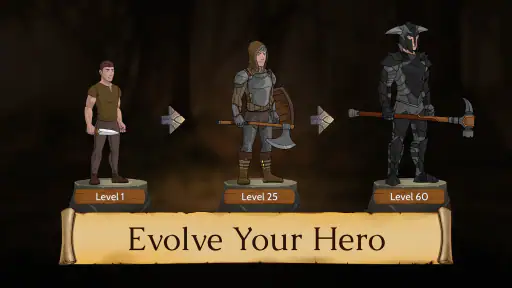
Who doesn’t love a bit of customization? In Obsidian Knight RPG, you can tailor your character to suit your playstyle. Whether you want to be a fierce warrior, a cunning rogue, or a powerful mage, the options are there. Progression is rewarding, with a skill tree that lets you enhance your abilities as you level up.
The game also has a crafting system that allows you to create powerful weapons and armor. Gathering resources and crafting your own gear gives you a sense of ownership and adds to the overall experience.
Choosing a build without overthinking it
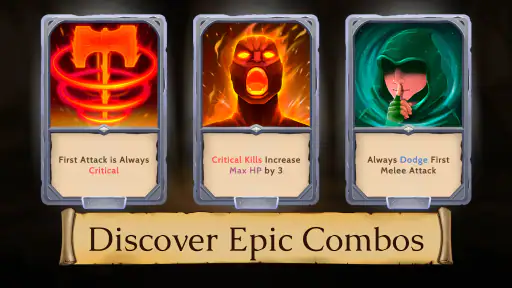
When you reach a progression choice, I would ask what kind of encounters you enjoy rather than trying to build a character for every possible situation at once. If you like direct confrontation, make choices that support that preference; if you enjoy a more measured style, let your upgrades reflect it. The point is not to chase an imagined perfect setup, but to make the skill tree feel like it is shaping your own version of the adventure.
Crafting is most rewarding for players who enjoy turning collected resources into a clear improvement to their equipment. It gives exploration another purpose, but it can also add a layer of inventory and resource decisions. If you would rather spend nearly all your time following the plot, treat crafting as a supporting system instead of a checklist you must complete before moving on.
Progression choices and trade-offs
My practical advice is to settle on the kind of character you enjoy before spreading upgrades across every direction. A skill tree is most satisfying when new choices reinforce a playstyle, while crafting gives resource gathering a purpose beyond simply collecting things. If you like tinkering with a build, these systems give you reasons to engage between story beats; if you prefer a minimal menu-and-inventory routine, they may feel like extra management.
That is also where this game differs from a simpler action RPG. Its quests, character development, and crafting give you several ways to spend time, rather than making combat the sole attraction. The trade-off is that players looking for quick, self-contained battles may prefer a more arcade-like alternative, while someone who wants a story-led fantasy role-playing game has more to work with here.
A realistic way it can fit into an ordinary day
Imagine opening the game after dinner with only a little time before bed. I would choose a clear objective, play until I have made a satisfying bit of progress, and stop before beginning a story mission that needs more attention. On a quieter evening, I would give a longer quest more room and spend time refining my character or crafting rather than rushing from one fight to the next.
That distinction is useful because the game offers several things to engage with, and not every session has to cover all of them. Treating a short visit as a focused quest run helps keep the experience manageable; saving build decisions and more involved objectives for a longer session reduces the sense of juggling too many systems at once. It is a small habit, but it can make a broad RPG feel easier to return to.
How it compares with other RPG choices
Compared with a compact action RPG, this game asks for more interest in quests, character growth, and crafting. That wider set of activities can be a strength when you want a fantasy world to spend time in, but it is not automatically better: a shorter, combat-focused alternative is a better match if you mainly want quick battles without much planning between them.
It also occupies a different space from a paid RPG that asks for its purchase price upfront. Here, you can begin without an upfront payment and decide whether the experience deserves any optional spending. That makes trying it less of a financial commitment, but it does not mean every purchase is good value for every player. I would judge the game itself first, then make any spending decision separately.
Who is likely to get the most value
I would recommend it to players who enjoy fantasy settings, quest variety, and choosing how their character develops. It is also a reasonable game to try when you want to explore an RPG without paying an upfront price. For instance, if you have a quiet evening and want a longer adventure, you can follow a storyline and work on your character; if you only have a short break, picking a clear quest objective can keep the session focused.
It should especially suit someone who enjoys seeing several parts of an RPG connect: a quest provides a reason to fight, combat gives the character room to demonstrate a chosen approach, and crafting makes gathered resources useful. If you prefer one central activity repeated with minimal interruption, that variety could feel like clutter rather than depth. Your tolerance for managing those different threads is a better guide than the fantasy setting alone.
When another game is the better choice
I would be more cautious if you dislike optional purchase prompts, prefer games with little character or gear management, or want a very specific combat style that you can verify in advance. The wide range of item prices makes it worth keeping purchases deliberate. Since the game is free to start, my approach would be to play first and spend only if you decide the experience is worth that extra cost.
I would also look elsewhere if you mainly want a short game you can finish in quick bursts, or if you dislike progression systems that ask you to make choices about skills and equipment. A more focused action game may be a better fit for that mood. Likewise, anyone who needs a strict no-purchase environment should consider the optional purchase range carefully before handing the device to a younger player.
Getting started on Android
The game’s current version is 1.96, and it requires Android 7.0 or later. Before downloading, I would check that your device meets that requirement and has enough room for a game you expect to revisit. It is a simple practical step, but it is better to confirm compatibility before getting invested in the adventure.
For a first session, I would focus on learning the feel of combat and the way quests direct you through the world, rather than trying to optimize every character decision immediately. Once you know whether you prefer aggressive or tactical encounters, the skill tree and crafting choices have more context. That order makes the early experience easier to judge without turning it into homework.
Final Thoughts
All in all, Obsidian Knight RPG is a game that delivers on its promise of adventure and excitement. It’s a world that you can easily get lost in, with its rich lore and captivating gameplay. If you’re a fan of RPGs, this one is definitely worth checking out. Just be prepared to lose track of time as you explore its vast, enchanting world!
So, grab your sword, ready your spells, and step into the shoes of the Obsidian Knight. An epic adventure awaits!
My buy-or-skip verdict
The game was released on November 25, 2024, and its current version is 1.96; it requires Android 7.0 or later. I would choose it for a free-to-start fantasy RPG with quests, combat, character progression, and crafting, especially if those systems sound more appealing than a short, purely action-focused game. I would skip it if you need a no-purchase environment or strongly prefer a simpler RPG. For me, the sensible verdict is to try it at no upfront cost, take time to see whether its progression keeps you interested, and treat any optional spending as a separate decision.
Obsidian Knight RPG Frequently Asked Questions
Does Obsidian Knight RPG have a large download, and how can I prepare my device?
Before installing, check that your device has enough free storage for Obsidian Knight RPG and its game files. Leaving some additional room can also make it easier to handle updates later. If storage is limited, clearing out unused apps or files first may help the download and installation go more smoothly.
Who develops Obsidian Knight RPG?
Obsidian Knight RPG is developed by ActFirst Games. It is a role-playing game, so it may appeal to players looking for an adventure in that genre. The developer name is also useful to check when browsing for the game, especially if you want to make sure you are downloading the intended title rather than a similarly named app.
What age group is Obsidian Knight RPG intended for?
Obsidian Knight RPG has a Teen content rating. That rating is a practical guide for parents and players deciding whether the game is appropriate for them. If you are choosing a game for a younger player, review the rating and consider whether its content fits your family’s preferences before downloading.
How much storage space should I set aside for Obsidian Knight RPG?
Before downloading Obsidian Knight RPG, make sure your device has enough free storage for the game and its files. The game is a role-playing title from ActFirst Games, and keeping some extra space available can also help your device handle app updates smoothly. If storage is tight, reviewing unused apps or files first can make installation more straightforward.
What should I know about the cost of Obsidian Knight RPG before downloading?
Obsidian Knight RPG is free to download, so you can try its role-playing adventure without paying an upfront price. It also offers optional in-app purchases, with individual items priced from $0.99 to $99.99. Those purchases are separate from the initial download, so it is worth checking your device’s purchase settings if you want to manage spending while playing.
Pros
- Engaging storyline with rich lore.
- Variety of character classes to choose.
- Intuitive controls for smooth gameplay.
- Beautifully crafted medieval graphics.
- Regular updates with new content.
Cons
- Requires constant internet connection.
- High battery consumption during play.
- Limited character customization options.
- Some in-app purchases are expensive.
- Occasional bugs disrupt the experience.

- Category
- Role Playing
- Version
- 1.96