My Supermarket Journey
- 1.05K
- 4.5
- Installs
- 10.00M
- Price
- Free

Screenshots
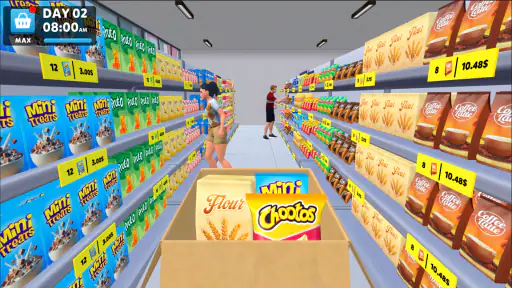
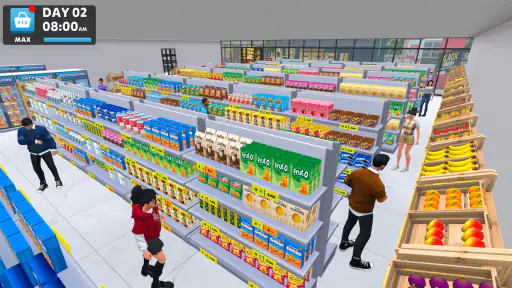
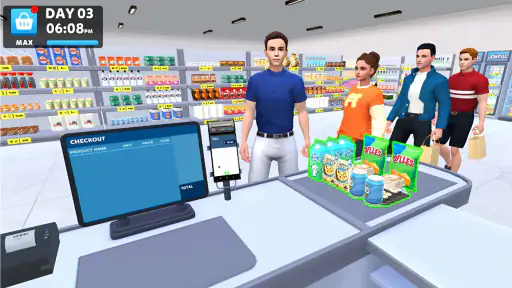
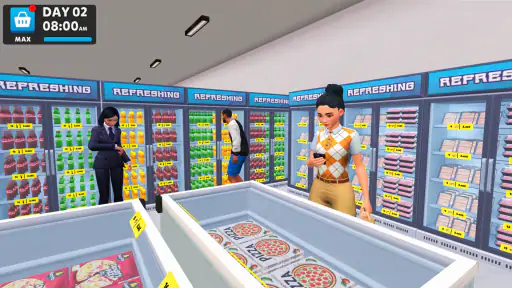
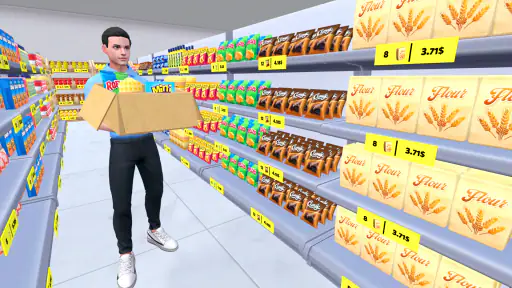
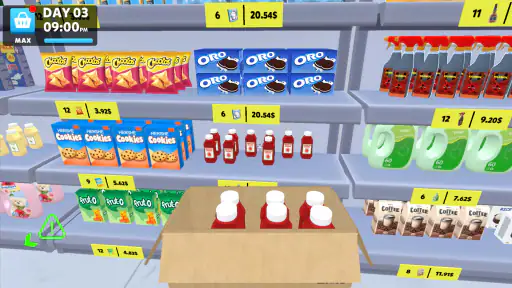
Analysis by Reviewed
I approached My Supermarket Journey as a small, approachable shop-management game rather than a serious business simulator. Its appeal is in shaping a store, keeping customers served, and making manageable decisions as the business grows. I can see it working well when I want a light game to dip into, though its simple presentation won’t satisfy everyone who enjoys the genre.
What the current version tells me
RabbitStudio’s supermarket simulation is currently at version 1.0.15, following its release on September 23, 2024. That gives existing players a clear version to check against when deciding whether to update, while the release date is useful context for anyone weighing how established the game is. I’d treat the version number as a snapshot, not a promise of what will arrive next: it doesn’t by itself tell you which features changed or how often new content appears.
The game is free to download, with in-app purchases listed at $2.99 per item. I’d approach those purchases as optional spending rather than assume they’re needed to enjoy the basic management loop. If you prefer games with no paid extras at all, that distinction may matter; if you’re comfortable with optional purchases, you can decide for yourself whether anything offered is worth paying for. The Everyone age rating also makes it suitable for a broad audience, though parents may still want to consider how in-app purchases fit their household rules.
A Fresh Take on Management Games
At its best, the game makes running a supermarket feel like a string of small, connected choices. I can think about what belongs on the shelves, how customers move through the store, and how service affects the overall experience. Its colorful presentation keeps the premise friendly rather than demanding, which is a good match for a casual simulation. The trade-off is that players seeking dense systems or a realistic retail model may find the simplified approach limiting.
Getting Started: The Basics
Jumping into the game is a breeze. The tutorial is straightforward, guiding you through the essentials of supermarket management. You start small, with just a few aisles and a limited selection of products. But don’t worry, as you progress, your store will grow into a bustling hub of activity. One of the things I love is the sense of accomplishment when customers leave your store happy.
That gentle start makes it an easy fit for a short break: I can learn the basic rhythm, make a small adjustment, then put the phone away without needing to study a complicated rule set. For a practical first session, I’d focus on learning which tasks the tutorial asks me to do and completing those before trying to optimize every corner. Making one change at a time is a useful way to tell whether a new arrangement actually helps, rather than changing several things and guessing which one mattered.
Features That Shine
One standout feature is the customization options. You can tweak almost every aspect of your store to suit your style. Whether it's the layout of the shelves or the type of products you stock, the choices are endless. Plus, with regular updates, there’s always something new to explore. This keeps the gameplay fresh and engaging.
More From Our News Desk

Weather by Xiaomi Review: Clear at a Glance, Less Clear Up Close

X Under Pressure: Can It Recover When Posting Goes Wrong?

Clash of Clans Is Won Between the Battles

Android Auto Makes the Case for Quieter Car Software

MobiOffice: Transforming Mobile Productivity with Seamless Integration

EA SPORTS FC™ Mobile Soccer: Redefining Mobile Sports Gaming
That freedom is most satisfying when it serves a purpose, not just when it makes the store look different. I’d try to keep a clear route through the aisles and avoid moving multiple sections at once; a tidy layout makes it easier to judge what is working and keeps each experiment understandable. If you enjoy decorating above all else, the visual changes may be the main draw. If you prefer to plan, treat the layout as a series of small decisions and watch how the shopping flow feels before committing to another redesign.
The game has an average rating of 4.5 from around 196,000 ratings, and it has passed 10 million installs. Those figures suggest that it has found a sizable audience, but they can’t tell me whether its particular pace or management style suits you. I’d use them as a sign that the game is widely tried, then make the decision based on whether you enjoy the store-building loop itself.
Another highlight is the customer interaction. The app does a fantastic job of simulating customer behavior. You’ll need to think strategically about how to handle rush hours and ensure that your staff is up to the task. It adds a layer of realism that many other games in this genre lack.
Challenges and Strategies
No game is complete without its challenges, and My Supermarket Journey is no exception. As you progress, you'll face new hurdles like supply shortages or demanding customers. But fear not! With a bit of strategy and a dash of creativity, you’ll navigate these challenges like a pro. It's all about finding the right balance between stocking popular items and introducing new products to keep your customers intrigued.
For a useful everyday routine, I’d open the game when I have a few spare minutes, check the store’s immediate needs, and prioritize the most urgent stocking or service task before experimenting with new products. That order helps avoid spreading attention across too many decisions at once. When a shortage causes trouble, I’d be cautious about repeatedly adding unfamiliar stock without first addressing the gap; variety is appealing, but dependable availability is what keeps a supermarket plan coherent.
Compared with a hands-off idle game, this one asks for more attention to the practical pieces of running a shop: stock, layout, customer flow, and service. That makes it a better choice for players who like making connected decisions than for someone who only wants to watch numbers rise in the background. On the other hand, players looking for a deep business simulator with detailed accounting or a realistic retail career should choose a more specialized game. The appeal here is the accessible, playful version of supermarket management, not a substitute for a complex economic sim.
Also, don’t underestimate the power of marketing within the game. Running promotions and special offers can drive foot traffic and boost sales, mirroring real-world retail strategies. It’s a fun way to experiment with different approaches and see what works best.
Promotions are most useful as experiments rather than a button to press automatically. I’d try one when the store feels quiet or when I want to see whether a particular offer changes customer activity, then avoid layering several changes together. That way, the result is easier to interpret. If you prefer to play without pausing to plan, the need to keep an eye on several moving parts may feel like a chore; the game works best when you enjoy making small choices and noticing their effects.
Making the Most of Short Sessions
A realistic way I’d fit the game into a day is to open it during a quiet moment, such as a break between errands, and choose one clear task rather than trying to overhaul the whole shop. I might first address a shelf that needs attention, then check whether customers are moving comfortably before deciding on a layout change. This keeps a brief visit satisfying: I finish with a visible improvement instead of leaving several half-started plans behind.
That approach also helps when playing on a small screen. I’d avoid making a quick sequence of unrelated taps just to feel busy; management games are easier to read when each action has a reason. If an adjustment seems to make the store less effective, I can identify what I changed and reconsider it. The same deliberate rhythm is useful for younger players learning cause and effect, with an adult setting sensible boundaries around purchases.
Who Will Enjoy It—and Who May Not
I’d recommend this to someone who likes arranging spaces and making light operational choices, but doesn’t want a demanding simulation that requires careful study. It can also suit players who enjoy seeing a small business take shape over time, especially if the friendly tone matters more than realism. The free entry makes it easy to test whether that loop clicks before deciding whether to keep it installed.
I’d skip it if your favorite management games are built around detailed budgets, supply chains, or tough failure conditions. It is also less suited to anyone who wants a purely idle experience with almost no decisions, since the appeal here depends on paying attention to the shop’s immediate needs. If optional purchases are a concern in your household, set device-level purchase controls before letting a child play; the Everyone rating does not remove the need to manage spending thoughtfully.
What to expect as a player
For a first-time player, the practical question is whether the game remains enjoyable without spending. Since it is free and has in-app purchases, I’d begin with the free experience and see whether its pace feels rewarding before considering any purchase. Anyone who wants a completely purchase-free environment should check the device’s purchase controls and household settings before handing the game to a child. The short answer is that the entry cost is zero, while optional spending is a consideration to manage deliberately.
Another common question is whether it suits a quick daily session or demands a long stretch of attention. Its straightforward start makes brief visits plausible, but the store-management decisions are more satisfying when you can focus on one or two priorities instead of tapping through carelessly. I’d use it as a light planning game during a break, not as something that must be played continuously to make sense of its systems.
There are limits to what I’d expect from the experience. The friendly presentation and manageable opening are strengths, but players who want granular control, punishing difficulty, or a serious model of grocery logistics may find the simulation too light. The same accessible approach that makes it inviting can also reduce the sense of depth for veterans of more demanding management games. That is a matter of preference, but it’s worth knowing before you settle in.
What I’d Watch in Future Versions
For anyone already playing, I’d compare the installed version with 1.0.15 when considering an update, then look at the actual changes before expecting a different management experience. A higher version number can indicate that the game has moved forward, but it does not tell me whether a change affects store planning, customer behavior, or simply smaller details. I’d keep expectations tied to what a release explicitly changes rather than assuming that every update adds new systems.
The most useful signs of continued development would be changes that make the day-to-day decisions clearer or give returning players fresh reasons to adjust their stores. Until those changes are visible, the best way to judge whether the game remains worthwhile is to ask whether its present loop still feels satisfying. If you enjoy the current balance of stocking, layout, and service, it has a clear casual role; if you are waiting for a deep economic simulator, I would not install it on the promise of future complexity.
Final Thoughts
So, is My Supermarket Journey worth downloading? I’d say yes if you want a charming, low-pressure way to try your hand at managing a shop. Its mix of planning, customization, and customer service can make a short session feel purposeful. It is less compelling for players who want realism or intricate systems, but as a casual supermarket simulation it has a clear appeal.
With 1.1 thousand reviews alongside its broader rating count, there is a substantial pool of player feedback to consult if you want perspectives beyond mine. I’d look for comments about the specific parts you care about—such as how the management loop feels over time or whether optional spending suits your preferences—rather than relying on a single overall score. The most useful next signal for current players will be what future versions actually change; until then, I’d judge the game on the experience available now, not on hoped-for additions.
In short, if you like the idea of keeping a small store organized and helping it grow through practical choices, give it a try. Go in expecting a friendly, accessible management game rather than a detailed retail simulator, and you’ll have a better sense of whether its particular pace is right for you.
My Supermarket Journey Frequently Asked Questions
Is My Supermarket Journey easy to pick up for someone new to management games?
My Supermarket Journey is a supermarket management simulation, so its central idea is familiar: run a store and manage its day-to-day business. The supermarket setting gives the game a straightforward theme for players who are new to the genre, while its management focus may also appeal to people who already enjoy running virtual businesses. It is free to download and rated for Everyone.
Who developed My Supermarket Journey?
My Supermarket Journey was developed by RabbitStudio. It is a mobile game built around managing a supermarket, with an everyday business theme rather than an action-focused premise. If you are deciding whether to try it, the developer and simulation style offer a useful starting point for understanding what kind of experience it aims to provide. The game is free to download.
What type of game is My Supermarket Journey?
My Supermarket Journey is a supermarket management simulation game developed by RabbitStudio. Its premise is to begin a fun journey running a supermarket, giving it an everyday business theme rather than an action-focused one. If you enjoy games centered on managing a store and its routine, this may be a fitting choice. The game is free to download and is rated for Everyone.
What is My Supermarket Journey?
My Supermarket Journey is an engaging mobile game that lets players experience the thrill of managing their own supermarket. Available on both Android and iOS platforms, the game allows you to stock shelves, serve customers, and expand your supermarket empire. With its colorful graphics and interactive gameplay, it provides hours of entertainment for players of all ages.
Is My Supermarket Journey free to play?
Yes, My Supermarket Journey is free to download and play. However, it offers in-app purchases for players who wish to enhance their gaming experience. These purchases are priced at $2.99 per item. While purchases are optional, they can provide a significant advantage in gameplay, so it is worth considering purchase controls if children will be playing.
Pros
- Engaging gameplay with vibrant graphics.
- Wide variety of items to manage.
- Regular updates with new challenges.
- User-friendly interface for all ages.
- Offline mode available for continuous play.
Cons
- In-app purchases can be expensive.
- Ads can interrupt gameplay.
- Limited customer support options.
- Occasional bugs and glitches.
- Requires a stable internet connection for updates.
- Category
- Simulation
- Version
- 1.0.15








