Love Eden: Interactive Stories
- 683.00
- 4.5
- Installs
- 100.00K
- Price
- Free

Screenshots






Analysis by Reviewed
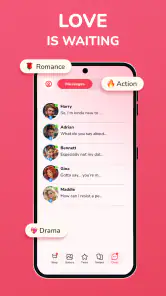
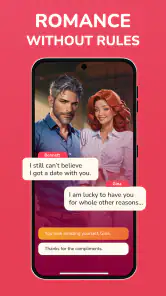
I approached Love Eden: Interactive Stories as a light romance simulator rather than a conventional game with complex controls or a competitive goal. Its central appeal is the feeling of choosing how a relationship develops, then seeing whether a conversation becomes warmer, flirtier, or more complicated. That makes it an easy game to pick up when I want a short, character-focused break instead of a long session built around action, strategy, or exploration.
The game is free to download, belongs to the simulation category, and is made by Noderno Limited. It is aimed at mature players aged 17 and over, which is important because the tone is designed for adult romance rather than a family-friendly dating story. The store presents it as a place to chat, flirt, and look for love, but I found the more useful way to judge it is by asking whether you enjoy making personal choices in written scenes.
My recommendation depends less on how much experience you have with mobile games and more on what you expect from an interactive story. If you like relationship drama, conversational choices, and the curiosity of seeing where a fictional connection leads, this is an approachable option. If you want deep simulation systems, a large world to explore, or a romance game where every decision produces a clearly measurable strategic result, you may find it too narrow.
What to consider before choosing a romance simulator
The first decision is whether you want a game that asks you to read and choose, rather than one that asks you to master mechanics. Love Eden puts the emphasis on the relationship experience. I would not install it expecting reflex challenges, resource management, or a traditional campaign structure. The satisfaction comes from following a conversation and deciding how I would respond in that moment.
That distinction matters because interactive romance games can feel very different from dating apps, visual novels, and life simulators. A dating app is built around real people and uncertain outcomes outside the screen. A visual novel usually offers a more authored story with a stronger sense of literary pacing. A life simulator may let you manage many areas of a character’s life. Here, the attraction is more immediate: I can open the game, enter a romantic scenario, and make choices without needing to learn a complicated interface first.
I also considered how much patience the format requires. A choice can feel meaningful only if I pay attention to the tone of the conversation. Rushing through every line reduces the experience to tapping whatever option looks most attractive. My best sessions came when I treated each exchange as a small character decision: should I be direct, playful, cautious, or supportive? That approach makes the game feel more personal, even though the characters and situations are fictional.
The mature age rating should be part of the decision, not a detail to overlook. I would not recommend installing it on a child’s device or assuming that an adult-themed romance game is suitable for a shared family profile. Adults who are comfortable with flirtatious storytelling can approach it on its own terms, while anyone looking for an all-ages romance experience should choose something else.
Another practical criterion is how you feel about optional spending. The game is free, but its in-app purchases range from $0.99 to $129.99 per item. That does not automatically make the experience poor, yet it means I would set a personal spending limit before getting invested in a story. In a choice-driven game, emotional momentum can make an optional purchase feel more urgent than it really is, so deciding your boundary in advance is sensible.
How the conversations create the main appeal
The strongest part of the design is the simple loop of reading, choosing, and watching the relationship move forward. I like that this structure works in short bursts. I can play while taking a break, stop after a scene, and return later without needing to remember a complicated control scheme. That makes it better suited to casual evening use than games that require a long uninterrupted session.
A useful way to play is to decide what kind of personality you want to bring into a story before making choices. I sometimes choose the response I would genuinely give, while at other times I deliberately play a more confident or guarded character. The second approach gives the game extra replay value because I am not only asking what happens next; I am testing how a different attitude changes the emotional direction.
One non-obvious advantage of this method is that it can reveal which choices I actually value. A bold answer may appear exciting, but a patient response can sometimes feel more consistent with the relationship I want to build. I found that the game is more enjoyable when I stop treating choices as correct or incorrect answers and instead view them as a way to shape the kind of romance I want to experience.
Where this game is most convenient
For me, the best everyday scenario is a quiet commute or a short wind-down period before bed. I can play a little, finish a conversational beat, and put the phone away without feeling that I abandoned a team or wasted a long setup. It also works when I want something more engaging than scrolling but less demanding than a strategy game.
It could suit someone who enjoys romantic fiction but does not want to commit to a long book. It may also appeal to players who like experimenting with dialogue and seeing how fictional characters respond. The interactive element gives the experience a personal layer that a passive television episode cannot provide, even if the underlying story remains guided by the game’s design.
I would also consider it for a player who enjoys discussing fictional relationships with friends. Choosing different responses can create an easy conversation: one person might prefer honesty, another might choose teasing, and a third might avoid a risky answer. That social comparison is not the same as multiplayer, but it gives the game a small discussion value beyond simply completing scenes.
What the current release means for new players
The game is currently at version 2.5.0 and requires Android 8.0 or later. That makes checking the operating system worthwhile before downloading, especially if you are using an older phone. On a compatible device, the main question is not whether the game has a complicated setup; it is whether the interactive romance format matches your habits.
Its average rating is 4.5 from around eleven thousand ratings, and the game has passed one hundred thousand installs. Those figures suggest that it has found a meaningful audience, but they should be read alongside your own expectations. A strong response from romance-story players does not guarantee that someone who prefers action or simulation management will enjoy it.
The release date was August 27, 2023, so I see it as an established mobile title rather than a brand-new experiment. That is useful for readers who prefer trying a game with an existing player base. Still, popularity cannot replace a careful look at the mature rating and the purchase model, particularly when the emotional pull of a story may encourage impulse spending.
Where it wins against broader alternatives
Compared with a general life simulator, Love Eden is more focused. I do not need to divide my attention between careers, homes, inventories, or a large cast of unrelated systems. The romance is the reason to open the game, and that focus can be refreshing when I want a clear emotional theme rather than a virtual life-management project.
Compared with a conventional visual novel, its mobile-friendly format feels easier to approach in small pieces. I can make a few decisions without preparing for a long reading session. The trade-off is that players who want dense world-building, extensive prose, or highly elaborate branching may prefer a more traditional narrative game.
Compared with dating apps, the experience is safer in one important sense: I am interacting with fictional scenarios rather than trying to arrange a real relationship. That makes it suitable for entertainment and fantasy, not for meeting a partner. Someone who wants genuine social connection should not use this as a substitute for real-world communication or a legitimate dating service.
Compared with romance games built around collecting characters or competing for scores, the appeal here is less about proving skill and more about inhabiting a mood. I prefer that when I want a relaxed story, but players who need visible goals, tactical choices, or a strong sense of mastery may find the format less rewarding.
Where another category may fit better
I would steer you toward a traditional visual novel if your priority is carefully structured writing and a long, uninterrupted narrative. That type of game may be a better fit when you want to analyze themes, follow a detailed setting, or replay a story to uncover every route. Love Eden is easier to dip into, but that convenience may not satisfy someone searching for literary depth.
A life simulator is a better choice if romance is only one part of the fantasy. If you want to manage work, friendships, possessions, and long-term goals at the same time, a broader simulation offers more variety. Love Eden makes more sense when the relationship itself is the main event.
A real dating platform is the obvious alternative for anyone hoping to meet actual people. This game can provide fictional companionship and a playful decision-making experience, but it cannot replace consent, communication, or the unpredictability of a real relationship. Keeping that boundary clear prevents disappointment.
You may also prefer a completely different genre if you dislike reading on a phone. Romance simulators depend on attention to dialogue, and a player who wants constant movement or audiovisual spectacle could become impatient. In that case, an action game, puzzle game, or management title would probably provide a better use of your time.
Managing purchases without weakening the experience
The main cost of switching from a free download to paid content is not only financial. It is also about changing how I make choices. If I begin thinking that every appealing romantic moment must be unlocked through a purchase, I stop judging the story on its writing and start judging it on what I am willing to pay for. That can make the experience feel more transactional.
My practical advice is to play without spending during the first sessions. Use that time to decide whether the conversations, tone, and pacing genuinely hold your attention. If they do, set a fixed budget and treat purchases as optional entertainment rather than a requirement for proving interest. The listed purchase range is wide enough that a clear limit is especially helpful.
Another useful habit is to avoid buying immediately after an emotionally dramatic scene. I prefer to close the purchase screen, take a break, and return later. That small pause separates a considered choice from a reaction to a cliffhanger. It also helps answer a more important question: do I want this particular content, or do I simply want to remove the feeling of waiting?
Players who dislike in-app purchases altogether should think carefully before choosing this game. A free entry point is attractive, but the presence of optional items may still interrupt the flow for someone who wants a completely self-contained premium experience. In that situation, paying once for a standalone romance game may be more comfortable, even if the initial download costs money.
Small habits that make the stories more enjoyable
I recommend reading every response before tapping, even when one option seems obviously romantic. The most appealing answer is not always the one that best matches the personality I have been building. Consistency makes the relationship feel more coherent, while random choices can make the character seem indecisive for reasons that come from my tapping rather than the story.
It is also worth keeping a simple mental note of the tone you want. If I choose a playful approach in one scene and a very guarded approach in the next, the contrast can be entertaining, but it can also make the experience feel scattered. Deciding whether I want a sincere, teasing, adventurous, or cautious route gives each session a clearer purpose.
A third tip is to stop after a natural scene instead of playing until the experience becomes repetitive. Interactive romance works best when I leave with curiosity about what comes next. Shorter sessions preserve that feeling and make the game easier to fit around ordinary routines. This is a better use of the format than treating it like a checklist to finish as quickly as possible.
If you are reviewing it with a friend, compare the choices rather than racing to the same outcome. That turns the game into a conversation about personality and priorities. It also exposes one of the format’s limitations: a different answer can change the mood, but it does not turn the game into an unlimited social sandbox. The pleasure comes from interpretation and anticipation, not complete freedom.
Who should install it, and who should skip it
I would recommend it to adults who enjoy romantic fiction, conversational choices, and short mobile sessions. It is particularly suitable if you want a focused relationship simulator that can be picked up without learning a complicated system. The free starting point makes it easy to test whether the style works for you before making any commitment.
I would skip it if you are looking for real dating, extensive life management, competitive progression, or action-heavy gameplay. I would also avoid it for younger players because of the mature age rating. Even an adult who enjoys romance may prefer another option if paid choices interrupt immersion or if they want a story with a clearly defined ending and fewer ongoing decisions.
The game is also not the best match for someone who wants every choice to have a transparent, predictable consequence. Interactive stories often rely on suspense, interpretation, and delayed results. If you need a clear explanation of how each decision affects the outcome, a more system-driven simulation may feel fairer and easier to understand.
My recommendation after weighing the trade-offs
Love Eden works because it keeps its purpose clear: it gives me a fictional space for romance, flirtation, and choice-based conversations. I enjoy it most when I approach it as a relaxed interactive story rather than a full life simulator or a replacement for a dating service. Its focused format is both its main strength and its main limitation.
The free price makes trying it straightforward, while the mature rating and optional purchases deserve attention before you settle in. I would begin with a few sessions, decide whether the tone suits me, and only then consider spending. That approach preserves the game’s strongest feature—the feeling that my choices are personal—without letting purchase prompts dictate the experience.
My clear recommendation is positive for adult players who want a casual romance simulation and are comfortable reading, choosing, and accepting a guided story. I would choose a traditional visual novel for deeper narrative structure, a life simulator for broader control, or a dating platform for real human connection. For the narrower goal of exploring fictional relationships in manageable mobile sessions, this is a worthwhile free game to try, provided you keep your expectations and spending boundaries clear.
Pros
- Wide variety of romance stories with different themes and characters.
- Interactive choices make each playthrough feel more personal.
- Regular story updates can keep the experience fresh over time.
- Easy-to-learn interface suitable for casual players.
- Romantic routes offer replay value through alternate decisions.
Cons
- Some story choices may require premium currency or paid items.
- Energy or waiting systems can interrupt longer reading sessions.
- Certain plotlines rely on familiar romance clichés.
- Progress may feel slow without optional purchases.
- The app may require an internet connection for most features.

- Category
- Simulation
- Version
- 2.5.0