Little Farm Story: Idle Tycoon
- 1.10K
- 4.3
- Installs
- 1.00M
- Price
- Free

Screenshots


Analysis by Reviewed
Starting a farm game for the first time can feel like a lot of tiny decisions, but Little Farm Story: Idle Tycoon is best approached as a gentle routine rather than a race. I’d install it expecting a light role-playing game built around growing a farm and tending its progress, not a deep agricultural simulation. Its appeal is the small pleasure of making a little progress, stepping away, and returning to see what has changed.
What the first visit feels like
The opening is most reassuring if you focus on one task at a time: learn the basic farm loop, see what earns progress, then decide what to improve next. I wouldn’t try to optimize everything immediately. For a first-time player, the useful early question is simply, “What can I do now that moves the farm forward?” That keeps the experience relaxed and makes the first success feel earned rather than confusing.
As an idle game, it suits short check-ins better than long sessions that demand constant attention. A practical rhythm is to open it when you have a spare moment, collect or review whatever progress is available, make one sensible choice, and close it again. That approach is especially handy during a commute break or while waiting for an appointment: the farm gives you a small, self-contained activity without asking for your whole afternoon.
Who will enjoy the pace—and who may not
I’d recommend it to someone who likes cozy farm themes, gradual improvement, and simple choices that can be revisited over time. It is also an approachable starting point if you’re curious about role-playing games but don’t want a complicated combat system or a demanding story to follow. The light tone makes it easier to dip in without needing to remember a long chain of quests.
On the other hand, if you want a farming game centered on detailed crop planning, precise production chains, or hands-on control every minute, this may feel too simplified. Players who prefer direct competition or a strong narrative may also get more from a different kind of role-playing game. The idle format is a convenience, but it can also mean that the most satisfying moments come from patient accumulation rather than dramatic decisions.
Small decisions that make a difference
One useful habit is to avoid spending every reward as soon as it arrives. Pause long enough to compare the immediate upgrade with the option of saving for a more meaningful improvement; that simple check helps keep progress from feeling scattered. If you only have time for a quick visit, choose one priority before tapping around, so the session ends with a clear result rather than a string of half-finished decisions.
It’s also worth treating the game’s idle element as a reason to take breaks, not as a promise that every return will feel exciting. If waiting between actions begins to feel slow, use the game in short bursts and let it sit until you genuinely want to check in again. That is a better fit than forcing a long session out of a format designed around gradual progress.
More From Our News Desk

Clash of Clans Is Won Between the Battles

Android Auto Makes the Case for Quieter Car Software

MobiOffice: Transforming Mobile Productivity with Seamless Integration

EA SPORTS FC™ Mobile Soccer: Redefining Mobile Sports Gaming

How Microsoft OneDrive Became a Mobile Productivity Giant

How Google Translate Breaks Language Barriers Effortlessly
The game is free to play, with optional in-app purchases ranging from $1.99 to $199.99 per item, so I’d take a moment to review any purchase prompt before confirming it. The broad range makes it sensible to set a personal spending limit in advance, especially if a younger player will use the device. It carries an Everyone age rating, but that does not mean every optional purchase is right for every household.
For a first-time user, the clearest sign of a good start is not a perfectly arranged farm; it’s understanding the basic loop well enough to make a choice you can explain to yourself. If the early progress feels pleasant, keep going at your own pace. If you find yourself checking only because you feel you should, the game may not be the relaxing fit you hoped for.
The Charm of Virtual Farming
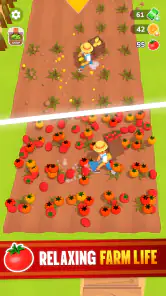
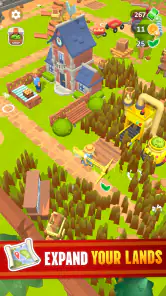
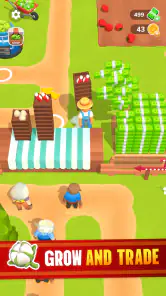
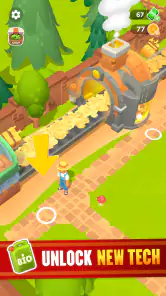
Little Farm Story: Idle Tycoon isn’t just another farming game. It’s a vibrant world that lets you grow and manage your virtual farm with ease. The moment you dive in, you’ll be greeted with a colorful landscape and a friendly interface that’s super easy to navigate. It’s perfect for those moments when you just want to unwind and watch your farm flourish with just a few taps.
Gameplay and Features
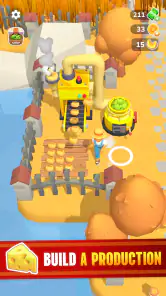
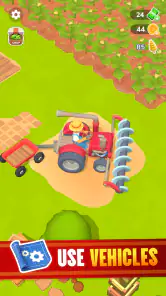
This game shines in its simplicity and accessibility. You start with a small plot of land and a handful of seeds. As you plant, grow, and harvest your crops, you earn coins that help you expand your farm. The idle mechanics mean that your farm continues to grow even when you’re not actively playing, which is perfect for busy bees who can’t always be glued to their screens.
There’s a delightful variety of crops to grow and animals to raise. From sunflowers to strawberries, each crop has its unique growth time and rewards. The animations are cute and engaging, making it satisfying to watch your crops grow and your animals frolic around.
Why You'll Love It
One of the standout features is the balance between strategy and relaxation. You can plan your farm’s layout, optimize your crops for maximum profit, and even trade with friends. But it’s not all about the hustle; there’s a relaxed vibe that makes it enjoyable without feeling like a chore.
The game also throws in random events and challenges that keep the gameplay fresh and exciting. Whether it’s a sudden rainstorm that boosts your crop yield or a market boom that lets you sell produce at higher prices, there’s always something unexpected around the corner.
Visuals and Sound
The graphics are vibrant and charming, with a cartoonish style that suits the lighthearted nature of the game. The sound effects and background music are cheerful and add to the overall fun atmosphere. It’s the kind of game that puts a smile on your face, even on a gloomy day.
Made by SayGames Ltd, the game is free and has an average rating of 4.3 from around 49,000 ratings, with over a million installs. Version 1.7.0 is available for Android 8.0 and newer, and the game also appears on iOS. Its role-playing label fits the progression and farm-management focus, though I’d think of it more as a laid-back farming experience than a conventional character-driven RPG.
Little Farm Story: Idle Tycoon is available for both Android and iOS, making it easily accessible for everyone. Whether you’re a seasoned gamer or a casual player looking for a fun distraction, this game has something for you. It’s a delightful escape into a world of farming fun, and who knows, you might just discover a new passion for agriculture!
So, if you’re ready to take a break from the hustle and bustle, why not give this game a try? It’s a charming way to unwind, and you’ll find yourself coming back to check on your farm more often than you’d expect. Happy farming!
Where it fits among farm games
Compared with farming games that emphasize crafting intricate production lines or decorating every corner, this one’s strongest draw is the lighter idle rhythm. I’d choose it when I want a quick, cheerful check-in; I’d choose a more hands-on farm sim when I want to plan a detailed layout or actively manage every step. That distinction matters: the simple loop is a strength for casual play, but it may be a ceiling for players who want more control.
On an ordinary day, I can imagine opening it during a short break, checking the farm, making one upgrade or crop decision, then returning to work without feeling pulled into a long session. The game’s 4.3 average across roughly 49,000 ratings suggests it has found an audience, but the right test is personal: do its small rewards feel pleasant to you, or do you want more direct challenge? Released on March 22, 2024, it is an easy option to try if a low-pressure farming loop sounds appealing.
Choosing a comfortable routine
My practical advice is to treat your first few visits as exploration, not a test of efficiency. Notice which actions are available, what the game asks you to prioritize, and which choices make progress feel most satisfying. If you’re unsure what to do next, pick one visible goal rather than tapping through everything; a clear small objective makes the farm easier to understand.
Little Farm Story: Idle Tycoon works best when you want a pleasant background game, not a demanding project. SayGames Ltd keeps the premise easy to grasp, and the free entry point makes trying it straightforward, while the optional purchases are a reason to stay deliberate. If a soft, incremental farm routine sounds like a good fit, I’d give it a chance; if you need constant action or deep simulation, I’d look elsewhere.
A realistic first-day routine
For a new player, I’d make the first meaningful session deliberately modest. Open the farm when you have a few uninterrupted minutes, look for the most obvious available action, and follow through until you can see a clear result. Then stop and let that result register rather than immediately chasing every possible improvement. This is a useful way to learn what the game rewards without turning the opening into a checklist.
Later, a second visit can answer a different question: does returning to the farm feel satisfying, and is there a decision you’re looking forward to making? If so, the idle cadence is doing its job. If you open it and find that you’re only waiting for progress, that’s a practical sign to keep it as an occasional distraction—or move on to a more active farm game.
How to judge upgrades and purchases
When deciding whether to spend an in-game reward, I’d compare the choice by what it changes for your next visit, not just by how impressive it looks now. An upgrade that supports the action you already enjoy may be more useful than spreading resources across several unrelated improvements. This is not about finding a perfect strategy; it’s a way to make limited playtime feel coherent.
The same measured approach helps with optional purchases. Since the game is free to start, I’d first see whether its ordinary pace is enjoyable before considering spending anything. If a prompt appears, pause and check the amount and what it offers rather than treating it as a required step. That makes the game easier to share with a family member, too: an Everyone rating speaks to broad age suitability, while purchase decisions still deserve adult attention where appropriate.
What the idle format does—and doesn’t—solve
Idle progress is convenient because it lets the farm fit around a busy day, but it doesn’t automatically make each return rewarding. The trade-off is that waiting can replace some of the active planning found in more involved simulations. I’d use it when I want a calm pause, not when I’m in the mood to master a system or make a string of consequential choices.
That distinction also helps set expectations about replay appeal. The farm’s gradual growth can be enough motivation for someone who enjoys small visible gains, while players who need a story with major turns or frequent challenges may lose interest. Neither reaction means the game is failing; it simply reflects whether its relaxed loop matches what you want from a role-playing game.
Who should give it a chance
I’d suggest trying it if you want a low-pressure game to open between everyday tasks, enjoy a cheerful farm setting, or are introducing someone to simple progression games. It can suit a short wait at a clinic, a quiet few minutes after lunch, or a pause before bed, provided you’re comfortable with a game that rewards patience. The key is to treat it as a small leisure habit rather than a project that needs daily optimization.
I’d skip it if you’re looking for a farm simulator where every planting decision demands attention, a competitive game with clear opponents, or an RPG driven by characters and a substantial plot. In those cases, a more hands-on simulation or story-focused role-playing game is likely to offer more of what you want. For me, the best reason to keep this one installed is simple: it offers a compact, gentle farm routine when I have a few minutes and no appetite for a demanding session.
Little Farm Story: Idle Tycoon Frequently Asked Questions
Is Little Farm Story: Idle Tycoon easy to pick up for someone new to farming games?
Yes. The game’s central activities—growing crops, raising animals, and developing a farm business—make its basic premise straightforward to understand. Its idle structure also suits players who prefer gradual progress rather than having to stay active every moment. If you enjoy seeing a farm grow over time and managing its development, the main idea should feel approachable even if you have not played many farming games.
Does Little Farm Story: Idle Tycoon continue making progress when I am away?
Little Farm Story: Idle Tycoon is an idle game, so it is designed around steady farm development without requiring constant attention. Its progression and business-building focus make it a good fit for players who like to check in, tend to their farm, and return later. The main appeal is watching your farm grow over time, rather than needing to remain in the game continuously.
What kind of game is Little Farm Story: Idle Tycoon?
Little Farm Story: Idle Tycoon is a role-playing game built around creating and managing a farm. Its central appeal is the gradual development of your farm, as you grow crops, raise animals, and work toward running a thriving business. The idle format makes it suited to players who enjoy steady progress without needing to be constantly active.
Who developed Little Farm Story: Idle Tycoon, and how has it been received?
Little Farm Story: Idle Tycoon was developed by SayGames Ltd. It has an average rating of 4.3 from around 49,000 ratings, with roughly 1,100 written reviews and over one million installs. Those figures suggest that many players have tried it, while the game’s farming and business-building theme gives prospective players a clear idea of its focus.
What is the main objective of Little Farm Story: Idle Tycoon?
In Little Farm Story: Idle Tycoon, your main objective is to build and manage your very own farm. You will plant crops, raise animals, and expand your farm while optimizing resources to maximize profits. As an idle game, it allows you to earn rewards even when you are not actively playing, providing a continuous sense of progression and achievement.
Pros
- Engaging gameplay mechanics.
- Colorful and charming graphics.
- Easy to understand controls.
- Regular updates with new features.
- Family-friendly content.
Cons
- Can be repetitive over time.
- Requires internet connection.
- In-app purchases can be pricey.
- Advertisements can be intrusive.
- Limited offline features.

- Category
- Role Playing
- Version
- 1.7.0