Last Stronghold: Idle Survival
- 1.59K
- 4.4
- Installs
- 5.00M
- Price
- Free

Screenshots
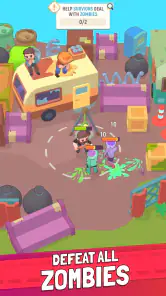
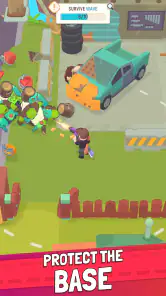
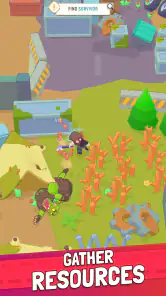
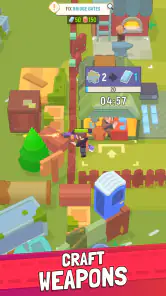
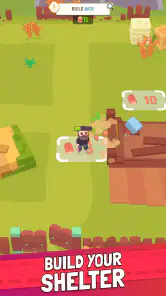

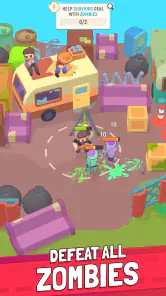
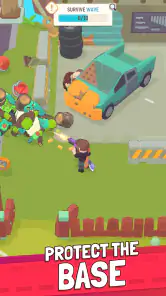
Analysis by Reviewed
I went into Last Stronghold: Idle Survival expecting a simple zombie game, but the appeal is really in the steady shift from scavenging to making a settlement work. You gather supplies, improve your base, bring survivors into the community, and prepare for attacks. I found that loop easy to understand on a first visit, while still giving me choices about what to focus on next. It suits a quick check-in as much as a longer session, provided you enjoy watching a small foothold gradually become more capable.
What to expect from this survival RPG
This is a role-playing game with idle-survival elements, rather than a hands-on action game built around constant combat. Its central pleasure is seeing resources and shelter improvements support one another: a stronger home gives you a better position to face threats, while recruiting survivors makes the settlement feel like more than a row of upgrades. The zombie setting gives those decisions a clear purpose, even when the immediate task is simply collecting what the base needs.
The game is free to start, and SayGames Ltd is the developer. It has a 4.4 average from around 76,000 ratings, with more than five million installs, so it has found a sizable audience among mobile players. The current version is 1.3.6, and it is rated Everyone 10+. Optional in-app purchases range from $0.99 to $99.99 per item, a detail worth keeping in mind if you prefer to avoid spending inside games.
Immersive Gameplay That Keeps You Hooked
From the moment I booted up Last Stronghold: Idle Survival, I was immediately drawn in by its gripping narrative and intuitive gameplay mechanics. The game cleverly combines the elements of survival, strategy, and idle gameplay, making it a delightful mix of action and relaxation. You’ll find yourself managing resources, upgrading your shelter, and fending off hordes of enemies, all while trying to uncover the mysteries that led to this desolate world.
Building and Managing Your Stronghold
The core of the game revolves around building and expanding your stronghold. You start with a basic shelter, which you can gradually upgrade into a fortified sanctuary. The game does a great job of introducing new elements at a steady pace, ensuring you’re never overwhelmed. You’ll need to gather resources, recruit survivors, and research new technologies to stay ahead of the relentless threats that lurk outside your walls.
One aspect I particularly enjoyed was the diversity of the survivors you can recruit. Each character comes with unique skills and backstories, adding depth to the gameplay. It’s not just about numbers; it’s about strategically placing the right person in the right role to maximize efficiency and defense.
Making a first session count
For a newcomer, I’d treat the opening stretch as a guided tour of the game’s priorities rather than trying to optimize every choice. Follow the immediate objectives, collect the resources they point you toward, and put early improvements into the shelter and the tasks that unblock the next step. When new survivors become available, look at what each contributes before assigning them; a good fit for a current bottleneck is more useful than a choice made just because a character looks appealing.
More From Our News Desk

Clash of Clans Is Won Between the Battles

Android Auto Makes the Case for Quieter Car Software

MobiOffice: Transforming Mobile Productivity with Seamless Integration

EA SPORTS FC™ Mobile Soccer: Redefining Mobile Sports Gaming

How Microsoft OneDrive Became a Mobile Productivity Giant

How Google Translate Breaks Language Barriers Effortlessly
A useful habit is to check the base before leaving a session: note which resource is slowing progress, then make that your next short-term goal. This keeps the game from feeling like a string of unrelated taps. If you open it while waiting for a ride or during a lunch break, a quick collection-and-upgrade routine gives the visit a clear endpoint. When you have more time, you can spend it evaluating the next defense or development choice instead of repeatedly checking the same screen.
Turning a short visit into a useful routine
I’d make the first few visits deliberately simple. Start with the task the game puts in front of you, follow what it asks you to gather or improve, and pause once you’ve made progress toward the next objective. That gives you a practical sense of how the settlement’s needs connect without requiring you to understand every option immediately. If a new system or choice appears, take a moment to read what it changes before spending resources; early clarity is more useful than clicking through quickly and later wondering why a needed upgrade is out of reach.
For a realistic daily rhythm, imagine opening it during a commute break, collecting what is ready, and noticing that one material is the reason your next shelter improvement is stalled. Use the visit to focus on that bottleneck, then close the game rather than trying to force several upgrades at once. Later, when you have a quieter moment, you can return to the decisions that deserve more attention. This approach is especially helpful if you like idle games but don’t want them to turn into a constant notification-driven chore.
Survival Meets Strategy
What sets this game apart from other idle games is its strategic depth. While the idle mechanics allow for casual play, the strategic elements demand your attention and decision-making prowess. It’s a delicate balance, but one that keeps you coming back for more.
The enemy waves grow progressively tougher, requiring you to constantly adapt your strategies. Whether you’re fortifying defenses or planning offensive strikes, every decision can mean the difference between survival and doom. The tension is palpable, and it’s this constant challenge that makes the game so addictive.
Last Stronghold: Idle Survival also boasts an impressive array of upgrades and technologies. From automated resource collection to advanced weaponry, there’s always something new to strive for. The satisfaction of watching your stronghold grow from a ramshackle shelter to an impenetrable fortress is truly rewarding.
Common sticking points and smart trade-offs
The idle label can set the wrong expectation if you take it to mean that the game will make every decision for you. The settlement may keep developing around your visits, but the satisfying progress comes from choosing what to improve and responding to stronger pressure. I would not approach it as a fully hands-off background app: if you ignore the base’s needs and spend resources without a plan, the next upgrade can feel further away than it should.
When two improvements compete for your attention, prioritize the one that either addresses a current shortage or makes the next useful action possible. That is a more reliable early rule than spreading resources evenly across every option. Also, don’t assume that a survivor’s value is only about immediate defense; consider whether their skill supports the work your settlement is struggling to keep up with. This small pause before assigning people can make management feel intentional rather than automatic.
Compared with a conventional role-playing game, this puts less emphasis on direct character control and more on the settlement’s overall health. Compared with a basic idle clicker, it gives you a clearer survival problem to solve: supplies, people, shelter, and danger have to be balanced. If you want precise real-time combat or a sprawling story with frequent dialogue, another RPG may suit you better. If you mainly want a relaxed collection screen with almost no choices, a simpler idle game will be less demanding.
Spending, pace, and expectations
Because the game is free to begin but offers optional purchases, I’d go in with a spending boundary if you know you’re tempted by convenience items in mobile games. The listed purchase range runs from $0.99 to $99.99 per item, so the upper end is substantial. You can enjoy the basic settlement loop without treating a purchase as the price of entry; I’d first see whether the natural pace suits you before considering any spending at all.
Progress also feels best when you accept that not every visit needs to deliver a dramatic breakthrough. Some sessions are about collecting and preparing, while another may be the one where you can make a meaningful improvement or respond to a threat. If you expect every login to unlock a major new feature, the slower stretches may frustrate you. If you enjoy maintaining a project over time, that gradual rhythm is part of the appeal.
A Visual and Auditory Feast
The game isn’t just about mechanics; it’s a visual and auditory treat as well. The graphics are detailed and atmospheric, perfectly capturing the bleak yet hopeful tone of the game. The sound design is equally impressive, with haunting melodies and ambient sounds that pull you deeper into the experience.
The developers have clearly put a lot of thought into creating an immersive environment that complements the gameplay perfectly. Whether it’s the rustling of leaves in the wind or the distant growls of approaching foes, every sound adds to the tension and immersion.
Who will enjoy the routine—and who may not
I’d recommend this to someone who likes upgrading a base in small, satisfying steps and wants a zombie theme without needing to play every moment at full speed. It can work well for short, regular visits: check what has accumulated, make one purposeful improvement, and leave with a clear next objective. The first meaningful success is not a perfect fortress; it is getting the shelter and its people into a better position to handle the next challenge.
On the other hand, I’d skip it if you dislike resource management, gradual progression, or games that invite optional purchases. The price to begin is free, but the listed in-app items can be costly at the upper end, so I’d decide in advance whether spending is part of your play style and avoid treating a purchase as a requirement. It also needs Android 8.0 or later, which is useful to check before trying to install it on an older device.
Choosing it over another mobile RPG
The best comparison is not a large, combat-focused role-playing game but a base-management game with a survival frame. Here, your attention goes toward keeping the settlement moving and deciding what deserves resources, rather than steering a hero through constant encounters. That makes it a better fit for someone who enjoys a bit of planning between short bursts of play than for someone looking for dexterous fighting or a long campaign built around character dialogue.
It also sits between two familiar mobile habits. A simple idle game may ask little beyond collecting and upgrading, while a more demanding strategy game can expect sustained attention to multiple systems. This one gives the idle rhythm a concrete purpose through shelter, survivors, and threats, but still asks you to make choices. If you want a game to leave open and barely think about, choose a simpler idle option; if you want active combat to be the main event, choose an action-oriented survival RPG instead.
For a first-time player, I’d use the settlement’s immediate needs as a guide rather than looking for a single perfect build. When a resource shortage blocks progress, address that before investing in an upgrade that is merely attractive. When the next challenge is defensive, consider whether the people and improvements you already have are suited to it. This is a practical way to make decisions without assuming that one fixed strategy will work for every stage.
Device fit and a sensible stopping point
The game is available for Android devices running version 8.0 or later, so checking compatibility before downloading can save time if you use an older phone or tablet. It is rated Everyone 10+, which gives families a useful starting point when deciding whether its zombie-survival theme is appropriate. I’d still recommend that parents consider the game’s tone and optional purchases for themselves rather than relying on an age label alone.
It is also worth setting a natural stopping point for each visit. Once you’ve collected what is ready, made a targeted improvement, or worked toward the next objective, you can leave the game without feeling that every spare minute must go back into it. That little boundary keeps the idle structure convenient and makes it easier to enjoy the longer-term development without turning progress into a routine obligation.
One everyday approach that worked for me is to open the game once during a break, identify the one resource or settlement task holding back progress, and make that the focus of the session. Later, I’d return when I could give the next defense more attention. This avoids turning every spare moment into a series of aimless checks, and it makes the idle rhythm feel like a convenience rather than a demand.
In conclusion, if you’re a fan of survival games with a strategic twist, then Last Stronghold: Idle Survival is definitely worth checking out. It’s a game that offers both relaxation and challenge in equal measure, and it’s easy to lose track of time while playing. So, gear up, rally your survivors, and embark on a journey to become humanity’s last beacon of hope. Who knew surviving the apocalypse could be this much fun?
Last Stronghold: Idle Survival Frequently Asked Questions
Does Last Stronghold: Idle Survival need much active attention?
The game is designed to mix idle progress with decisions you make when you return. Resource gathering and some tasks continue over time, so you do not have to manage every moment. You can check on the settlement, decide how to develop it, and prepare its defenses at your own pace, making the format a fit for players who enjoy gradual progress.
What is the age rating and release date for Last Stronghold: Idle Survival?
Last Stronghold: Idle Survival is rated Everyone 10+, and it was released on April 5, 2024. Its zombie-survival setting is worth considering when deciding whether it is suitable for a younger player. The game also includes in-app purchases, so parents may want to review those options before allowing a child to play.
What kind of game is Last Stronghold: Idle Survival?
Last Stronghold: Idle Survival is a role-playing game about building a base and surviving in a zombie-threatened world. Its central loop brings together gathering resources, developing a stronghold, bringing survivors together, and preparing defenses. The idle elements let progress continue over time, while returning to make choices about the settlement gives players an active part in its growth.
Is Last Stronghold: Idle Survival suitable for younger players?
The game is rated Everyone 10+, so it is intended for players aged ten and older. Its setting involves zombies and survival, which may be worth considering when deciding whether it suits a younger player. Parents can also review the game’s in-app purchase options before allowing a child to play, since purchases are available within the app.
What is the main objective of Last Stronghold: Idle Survival?
In Last Stronghold: Idle Survival, the main objective is to build and manage a stronghold in a post-apocalyptic world. Players must gather resources, construct buildings, and recruit survivors to defend against waves of zombie attacks. The game combines elements of strategy and idle gameplay, allowing players to progress even when they are not actively playing.
Pros
- Engaging gameplay with strategic elements.
- High-quality graphics and immersive design.
- Frequent updates keep the game fresh.
- Offers offline play for convenience.
- Wide variety of challenges and missions.
Cons
- Requires significant storage space.
- In-app purchases can be expensive.
- Occasional bugs and glitches.
- High battery consumption during play.
- Needs stable internet for some features.

- Category
- Role Playing
- Version
- 1.3.6