Last Shelter: War Z
- 956.00
- 4.7
- Installs
- 1.00M
- Price
- Free

Screenshots
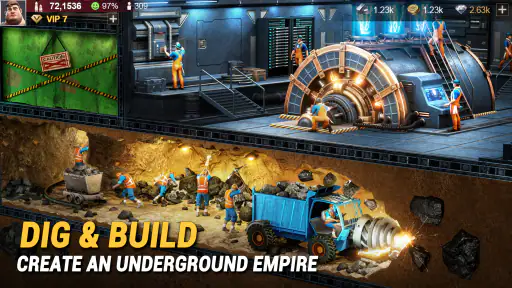
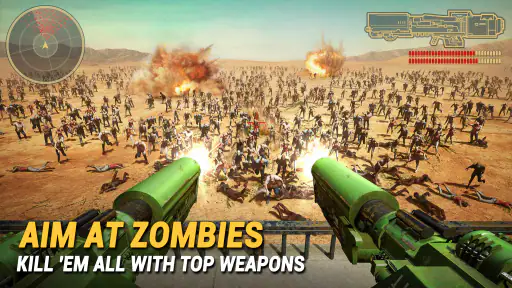
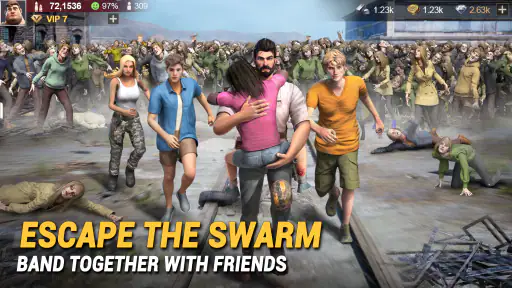
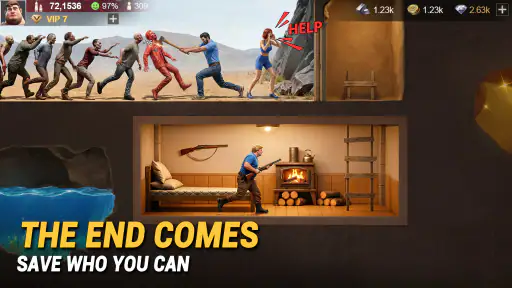
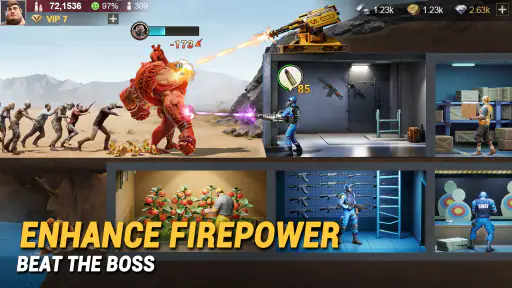
Analysis by Reviewed
I approached Last Shelter: War Z as a strategy game for players who enjoy making careful decisions under pressure, rather than as a quick zombie-themed distraction. Its setup promises a world where survival and expansion go together, but the useful question is how that kind of premise fits into everyday play—and whether it suits someone who wants a fair, low-pressure experience. My overall impression is that it is worth a look if you like planning around threats, though its purchase options make it sensible to decide your own spending limits before settling in.
What the strategy asks of you
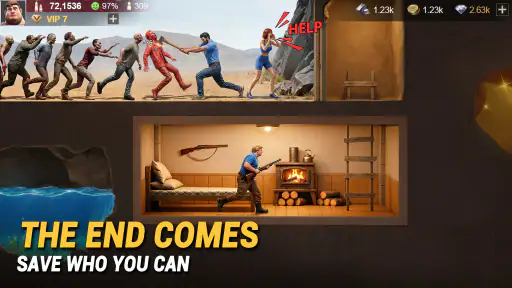
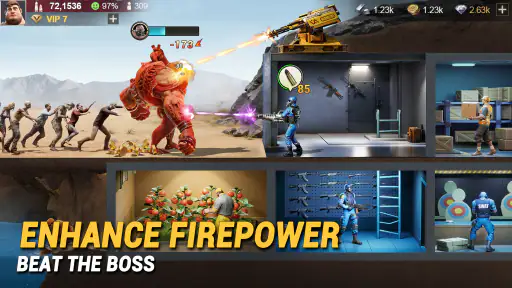
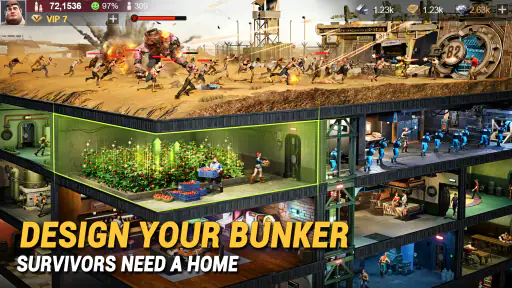
The central appeal is the contrast between building toward a stronger position and dealing with the danger of a zombie apocalypse. That combination gives ordinary strategic choices a sense of consequence: progress is not just about making a number go up, but about preparing to keep going when the setting pushes back. I found that framing more engaging than a strategy game that treats expansion as an end in itself.
At the same time, the short store description does not explain the precise systems behind that premise. I would not assume particular combat rules, base-building options, alliances, timers, or offline features without seeing them in play. The safest expectation is a strategy game from LAST ORIGIN STUDIO LIMITED built around command, exploration, conquest, and survival themes—not a promise of any one specific mechanic.
That distinction matters when deciding what to download. If you enjoy weighing priorities and want a zombie setting to give those decisions atmosphere, the concept has a clear point of appeal. If you mainly want direct action, a story-led adventure, or a self-contained match you can finish in a few minutes, a different kind of game may fit better.
Progress feels more satisfying when you set a goal
In a strategy game with a survival premise, it is easy to treat every available improvement as equally urgent. I recommend choosing a practical goal before a session—such as making your position more secure or preparing to explore—then focusing on choices that support it. This keeps the experience from feeling like a string of disconnected chores, even when you are only able to play briefly.
A useful everyday scenario is a short break between other tasks. Rather than opening the game and tapping through everything in front of you, decide what you want to accomplish first, check whether the available decisions serve that purpose, and stop when you have made meaningful progress. This approach is especially helpful if the game’s demands start competing with your time. It also gives you a better sense of whether you enjoy its planning, rather than simply responding to prompts.
For longer sessions, I would pay attention to how much the game rewards patient preparation compared with quick expansion. That is the key trade-off suggested by its survival focus: pushing forward can sound exciting, but a strategy game is often more enjoyable when each move has a reason. Players who like adjusting plans as circumstances change are likely to find more here than players who want a fixed, straightforward route.
Pressure can add purpose—or become a burden
The threat-focused theme is a strength when it makes strategic decisions feel relevant. It can also be tiring if you prefer games that let you progress entirely at your own pace. I would approach the game as something to explore gradually instead of assuming it will work as a completely pressure-free background activity. If its demands feel urgent or intrusive during your first sessions, that is a good sign to step back rather than trying to keep up at any cost.
Another practical point is to judge progress by whether you understand your choices, not only by how quickly your position grows. Strategy games can encourage constant optimization, but a faster route is not automatically a more satisfying one. If a decision is unclear, taking time to learn its consequences is more useful than spending money or rushing forward simply to remove uncertainty.
Purchases and the fairness question
The game is free to download, while its listed in-app purchases range from $0.99 to $120.47 per item. That is a wide spread, so I would treat spending as optional and decide on a personal limit before making any purchase. The existence of paid items does not, by itself, show whether they are required, how much advantage they provide, or whether they affect competition.
For that reason, I cannot honestly label the game pay-to-win or claim that purchases are purely cosmetic. Those judgments depend on details about the items and how the game handles competition, and the available purchase facts do not settle them. If competitive fairness is your main concern, play without paying first and observe whether progress feels reasonable to you. Do not buy an item just because a moment of pressure makes it seem necessary.
This is where the game’s audience matters. A player who enjoys solo planning and is comfortable ignoring optional spending may be able to evaluate it on its strategic appeal. Someone who wants a clearly documented, even playing field before investing time or money should be more cautious. If you prefer games where purchases and their competitive impact are transparent from the outset, another strategy title may be a better fit.
What the audience numbers tell me—and what they do not
The game has a 4.7 average from around 22,000 ratings, with more than 1 million installs. That points to substantial interest and a strong overall reception, but it cannot tell me whether your own experience will match the crowd’s. Ratings are a useful signal to consider alongside the game’s premise and spending options, not proof that every player will find its pacing or fairness appealing.
It is rated Teen, which is worth keeping in mind when choosing a game for a younger player or a shared device. I would still make the decision based on the person’s comfort with zombie-apocalypse themes and the presence of in-app purchases. A content rating helps set expectations, but it is not a substitute for considering how someone in your household responds to the subject matter.
The game was released on June 24, 2026, and its current version is 26.0904.001. It requires Android 7.0 or later. Those details make it easier to check basic device compatibility, but they do not guarantee that every device will perform the same way. Before making it part of your routine, I would install it on the device you actually plan to use and see whether its pace and controls feel comfortable there.
Questions worth answering before you commit
Is it really free to try? Yes, the download is free, though in-app purchases are available. I would begin without spending and use that time to decide whether the strategic loop is enjoyable on its own. That is a more reliable test than assuming the free entry point means every later step will also be free.
Can you play without buying anything? The purchase information establishes that paid items are offered, but it does not establish whether purchases are necessary for progress. The practical answer is to try the game without paying and see whether its demands remain enjoyable. If you feel pushed to spend before you understand what you are buying, pause rather than treating a purchase as the default solution.
Is it a good fit for short sessions? The survival-strategy premise may suit brief visits if you can identify a small goal and leave once you have achieved it. If you find that the game makes you feel obliged to return constantly, it may be a poor match for a tightly scheduled day. I would test this early, especially if you prefer games that are easy to put down without losing your sense of progress.
Does a high rating guarantee fair competition? No. A strong average rating says that many players have responded positively overall, but it cannot resolve how purchases affect competitive balance. If fairness is central to your decision, give that question more weight than the rating and avoid spending until you have formed your own view.
Who I would recommend it to
I would recommend Last Shelter: War Z to someone who likes strategic decision-making, enjoys zombie-survival themes, and is willing to evaluate the game at a measured pace. The strongest reason to try it is the combination of preparation and threat: it gives planning a more immediate purpose than simple expansion. For a player who is happy to explore first and set spending boundaries, the free download offers a low-commitment way to see whether that appeal holds up.
I would skip it if you want a fully explained competitive economy before you begin, dislike purchase prompts in free games, or prefer a relaxed experience with no sense of pressure. A more transparent strategy game is the safer choice for someone whose main concern is competitive fairness; a casual puzzle or story game may be better for someone who wants short, self-contained sessions without ongoing survival stakes.
My verdict is cautiously positive rather than unconditional. The premise gives strategy a clear mood and purpose, and its strong audience response makes it reasonable to try. But the purchase range is broad, and the available facts do not answer how paid items shape competition. Try it free, keep your wallet closed until the game has earned your trust, and continue only if its planning feels rewarding rather than demanding.
Last Shelter: War Z Frequently Asked Questions
What is Last Shelter: War Z about?
Last Shelter: War Z is a mobile strategy game built around surviving a zombie apocalypse. Players develop a base, gather resources, recruit and train troops, and take part in battles against zombie threats and other players. Much of the experience involves managing your settlement and choosing how to expand it, so it is best suited to players who enjoy long-term progression rather than short, self-contained missions.
Is Last Shelter: War Z free to play?
The game is generally available to download and play without an upfront purchase, but it may offer optional in-app purchases. These can include resources, progression items, or other advantages that help players advance more quickly. You can usually play without paying, although upgrades and construction can take time, and spending may become more noticeable as your base develops. Check the store listing for current pricing and purchase details.
Does Last Shelter: War Z require an internet connection?
Because Last Shelter: War Z includes online features such as player interaction, competitive battles, and shared game-world activity, you should expect to need an internet connection for the main experience. A stable connection can also help prevent interruptions during events or battles. Offline access, if offered for any limited features, should not be assumed; check the current app-store description and in-game notices before relying on the game while disconnected.
Can I play Last Shelter: War Z with friends or join an alliance?
The game’s social and competitive elements make cooperation an important part of the experience. Depending on the currently available features and server, players may be able to join an alliance, coordinate with other members, and participate in group activities or conflicts. Playing with others can provide strategic support, but it also means that schedules, events, and competition may influence your progress. Review the in-game alliance options to see what is available.
What should I know before downloading Last Shelter: War Z?
Expect a strategy game that rewards regular play, resource planning, and patience as buildings and units develop over time. Battles and progression may involve competition with other players, while optional purchases can speed up some processes. The game may also use substantial storage or require a compatible, reasonably up-to-date device, and its online features require connectivity. Before installing, check the latest store listing for age guidance, permissions, device requirements, and purchase information.
Articles Related to Last Shelter: War Z
Clash of Clans Is Won Between the Battles
Its raids are quick; its community is a long-term project of coordination, teaching, rivalry, and shared responsibility—with all the friction that entails.
Android Auto Makes the Case for Quieter Car Software
The car interface is no longer judged by how much it can do, but by how quietly it helps. Android Auto shows what drivers now expect—and what still gets in the way.
MobiOffice: Transforming Mobile Productivity with Seamless Integration
MobiOffice: Word, Sheets, PDF is redefining mobile productivity with a surprising blend of functionality and innovation.
EA SPORTS FC™ Mobile Soccer: Redefining Mobile Sports Gaming
Dive into EA SPORTS FC™ Mobile Soccer, where immersive gameplay and strategic depth transform mobile sports gaming.
Pros
- Base-building gives you clear long-term goals and steady progression.
- Alliance play adds cooperation
- shared objectives
- and social interaction.
- A wide range of units and upgrades supports varied army strategies.
- Regular events provide extra challenges and rewards.
- The post-apocalyptic setting gives the game a distinctive theme.
Cons
- Progress can become slow without frequent play or paid boosts.
- Competitive events may favor players who spend money.
- Building and research timers can require considerable waiting.
- Alliance success often depends on coordinating with active members.
- Persistent online play may use significant battery and data.

- Category
- Strategy
- Version
- 26.0904.001