Idle Mine! Tycoon Mining Game
- 123.00
- 4.7
- Installs
- 1.00M
- Price
- Free

Screenshots


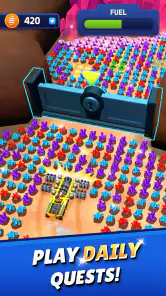




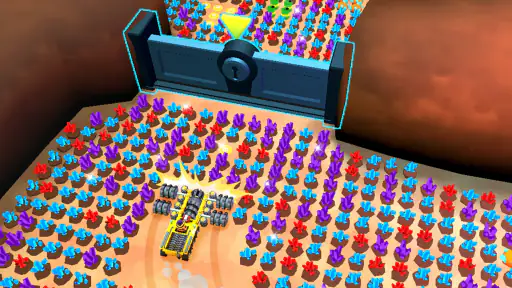
Analysis by Reviewed
I approached Idle Mine! Tycoon Mining Game as a short-session simulation rather than a game demanding constant attention. That distinction matters. Its basic appeal is easy to understand: you manage a mining operation, build toward a larger tycoon-style enterprise, and collect rewards through repeated progress. In my experience, the real question is not whether the loop is immediately accessible, but whether you enjoy watching a small operation become more efficient over time.
That makes this a useful choice for someone who wants a casual idle mining game for brief visits throughout the day. It is less suitable if you are looking for a story-led adventure, precise action, or a simulation built around detailed economic planning. The game sits in the clicker and idle-management space, so the pleasure comes from improvement, timing, and returning to see what has changed rather than from mastering complicated controls.
How I judged the mining and tycoon experience
When I assess a game like this, I look beyond the first few minutes. The opening loop needs to be clear, but long-term value depends on whether progress still feels meaningful after the novelty fades. I also consider how well the game fits real routines: a quick check during a break, a few minutes before bed, or a longer session when I want something relaxing but still interactive.
Here, the central decision is between convenience and depth. Idle Mine! Tycoon Mining Game is designed around an approachable rhythm. You begin with the idea of mining resources, then work toward a broader business. That structure is friendly to newcomers because it does not ask you to learn a large set of controls before seeing results. At the same time, players who need constant tactical pressure may find the pace too gentle.
The game is developed by Fumb Games and belongs to the simulation category. It is free to start, which lowers the barrier for trying the loop without committing money first. The content rating is Mature 17+, so I would not treat it as a general children’s recommendation simply because the controls are easy. Parents should check the game’s suitability for their household before installing it.
The current version is 1.5.1, and the game requires at least OS 10. That makes checking device compatibility a sensible first step, particularly if you use an older phone or tablet. The game has also reached over a million installs and holds a 4.7 average from around two thousand ratings, which suggests that its simple format has found a receptive audience. I still would not use popularity as a substitute for matching the game to your own preferred pace.
The first sessions: simple decisions, visible progress
The strongest part of the opening is its clarity. Mining is a familiar fantasy, and the tycoon framing gives each improvement a purpose beyond collecting a number. I found the concept easy to understand without needing to treat the game like a spreadsheet. You are not starting with an intimidating business plan; you are building toward the feeling of a growing operation.
That simplicity is valuable on a phone. I can imagine opening the game with one hand while waiting for a coffee, making a few decisions, and closing it without losing the thread. It also makes the game approachable for people who have not played many management titles. The loop is more about recognizing the next useful improvement than remembering a complicated chain of rules.
My advice is to resist treating every available upgrade as equally urgent. In an idle game, the best short-term choice is not always the most satisfying one. I found it more useful to pause and ask what will improve the next few visits: faster progress, a stronger reward cycle, or a step toward the wider tycoon goal. That small habit makes the experience feel more deliberate and prevents the early game from becoming mindless tapping.
Why the idle structure works in everyday life
The most convincing use case is a player with scattered free time. Imagine checking the game during a lunch break, collecting the result of earlier progress, making one or two adjustments, and leaving it alone until the evening. Later, you can return for a longer look without needing to remember a complex story or recover from a failed mission. That low-pressure rhythm is the game’s natural home.
It also works for players who like a sense of continuation between sessions. A traditional action game asks you to be present for most of its value. This one is aimed at people who enjoy setting a direction, stepping away, and coming back to see the mining business move forward. That can be surprisingly satisfying when your schedule is busy.
The trade-off is that the same convenience can reduce urgency. If you prefer games where every minute produces a new challenge, an idle structure may feel passive. I would not choose this as my main game for a long trip if I wanted constant stimulation. I would choose it as a companion game: something to revisit, not something that needs to occupy every minute.
Where this game is stronger than common alternatives
Compared with action-heavy mining games, this one puts less pressure on reflexes and moment-to-moment control. You do not need to be especially quick or precise to appreciate the core idea. That gives it a wider comfort zone for players who enjoy the theme of extraction and business growth but do not want hazards, combat, or demanding movement to dominate the experience.
Compared with traditional business simulations, the presentation is easier to approach. A detailed tycoon game may offer more planning and more interconnected systems, but it can also feel like work when you only have a few minutes. Idle Mine! Tycoon Mining Game is better when you want the outline of an enterprise without turning your phone into a management dashboard.
It also has an advantage over purely passive clickers because the mining and tycoon framing gives the repeated progress a recognizable direction. The theme helps answer the question, “Why am I improving this?” That may sound small, but it matters over repeated sessions. A clear fantasy can make routine advancement feel more coherent.
My less obvious tip is to judge the game by the quality of its return visits, not by how exciting the first launch feels. Idle titles often make a strong first impression through rapid early progress. The more useful test is whether you still enjoy deciding what to do when the pace becomes calmer. If you like planning a next step during a short visit, the game has a better chance of staying installed.
Where another type of game may fit better
If you want a mining game with direct control, exploration, or physical danger, this is probably not the right category. A hands-on adventure can make every resource feel earned through movement and risk. This game instead emphasizes the management fantasy, so players seeking discovery may find the loop too abstract.
If you want a serious tycoon simulation, you may also prefer a title with deeper financial decisions and more visible consequences. I would choose that kind of alternative when I want to compare complex strategies or spend a long session optimizing a business. Idle Mine! Tycoon Mining Game is more comfortable when the goal is relaxation and steady advancement.
There is another important distinction for people who dislike monetized free-to-play games. The game is free to download, but optional in-app purchases range from $0.99 to $99.99 per item. That wide span means I would approach spending carefully. The sensible way to test it is to play without buying anything first, decide whether the basic loop is enjoyable, and only then consider whether an optional purchase genuinely improves your experience.
I would especially avoid spending to solve impatience. The whole design is built around gradual progress, so paying simply because the normal rhythm feels slow can undermine the reason to play. If the unhurried pace bothers you from the beginning, a purchase is unlikely to turn it into a different genre. A faster, more active game would be a better solution.
Practical habits that make the loop more satisfying
First, give each session a small purpose. Instead of opening the game and tapping everything immediately, decide whether you are checking progress, preparing the next improvement, or simply collecting rewards. This makes short visits feel intentional and helps reveal whether you enjoy the management layer or only the initial burst of numbers.
Second, compare improvements by how they affect your next return, not only by their immediate visual appeal. A change that seems modest may be more useful if it keeps the operation moving while you are away. This is the kind of decision that separates a relaxing idle strategy from random tapping, and it gives the tycoon theme more substance.
Third, use the game as a routine rather than a demand. I would check it at natural points in the day instead of repeatedly reopening it. That approach protects the casual character of the experience and reduces the temptation to spend just to maintain a constant sense of activity. For me, the game is more enjoyable when it supports my schedule instead of dictating it.
Finally, pay attention to your own stopping point. If a session begins to feel like checking a task list, close the game. Idle titles can be pleasant precisely because they are low pressure, but that benefit disappears when progress becomes an obligation. This is a personal trade-off, not a flaw unique to this game, and recognizing it early makes the experience healthier and more enjoyable.
What the free entry means for different players
Starting at no cost is a genuine advantage for curious players. You can find out whether the mining theme, incremental progress, and tycoon framing suit you before deciding whether the game deserves space on your device. That is particularly useful if you are choosing between several simulation games with similar promises.
Still, “free” does not mean every player will experience the same value. Someone comfortable with patient progress may never feel a need to buy anything. Someone who wants rapid advancement may notice the purchase options more strongly. Because individual items can reach $99.99, I would recommend setting a personal spending limit before playing, especially on a shared device.
The Mature 17+ rating is another reason to make an informed choice rather than assuming that a simple interface makes the game universally appropriate. I would also remember that the game is a simulation and clicker experience, not a substitute for a full strategy title. Its value comes from convenience and repetition, while a more demanding game may offer richer decisions for a player willing to invest more attention.
Is it worth switching from another idle game?
Switching makes sense if you want a more focused mining-and-business identity. The theme gives your progress a clear setting, and the game is easy to fit around other activities. I can see it appealing to someone who has grown tired of a generic clicker and wants the repeated upgrades to feel connected to a growing enterprise.
The cost of switching is mainly emotional rather than technical: you leave behind progress, habits, and familiarity in another game. Before replacing an established favorite, I would play this one long enough to test several return visits. The first session can tell you whether the controls and theme appeal to you; only repeated sessions reveal whether the slower management rhythm holds your attention.
If your current game offers the exact kind of direct action or deep planning you enjoy, switching may be a step backward. This title is not trying to cover every style of simulation. It is strongest when you want a light, repeatable mining business loop and weakest when you expect a detailed industrial model or a constantly changing challenge.
My recommendation for the right kind of player
I recommend Idle Mine! Tycoon Mining Game to players who enjoy incremental progress, mining themes, and short management sessions. It is a good fit if you want to make a few decisions, leave the game alone, and return later to continue building momentum. The free starting point makes experimenting easy, while the strong average rating and broad install base show that the format has connected with many players.
I would recommend it less enthusiastically to anyone who needs action, exploration, or complex strategy to stay interested. I would also skip it if the idea of optional purchases makes you uncomfortable or if you know that slow progress will tempt you into spending. In those cases, a premium simulation or a more hands-on mining game may offer a better match.
My final view is that the game succeeds by keeping its promise focused: it turns mining into a compact tycoon routine that can sit comfortably in the gaps of an ordinary day. It is not the deepest simulation I would choose, and its idle nature will not suit everyone. But if you want a calm, accessible way to grow a virtual mining operation, the best reason to try it is its low-pressure return-and-improve rhythm. Start free, set a spending boundary, and judge it by how satisfying the third or fourth visit feels—not just by the excitement of the first.
Pros
- Simple idle mechanics make progress easy to enjoy in short sessions.
- Mining automation continues generating resources while you are offline.
- Multiple mines and upgrades provide a steady sense of progression.
- Low-pressure gameplay suits players who prefer relaxed management games.
- Colorful visuals and clear menus are easy to understand on mobile screens.
Cons
- Progress can feel slow without watching ads or spending premium currency.
- Repeatedly upgrading similar mining systems may become monotonous over time.
- The game may encourage frequent ad viewing to speed up rewards.
- Limited strategic depth can disappoint players seeking complex tycoon gameplay.
- Device performance and battery use may suffer during longer play sessions.

- Category
- Simulation
- Version
- 1.5.1