Idle Apocalypse
- 22.63K
- 4.7
- Installs
- 1.00M
- Price
- Free

Screenshots

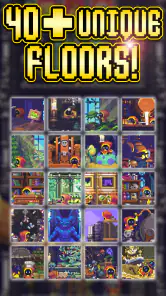

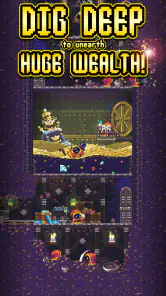
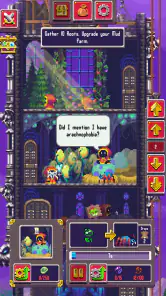
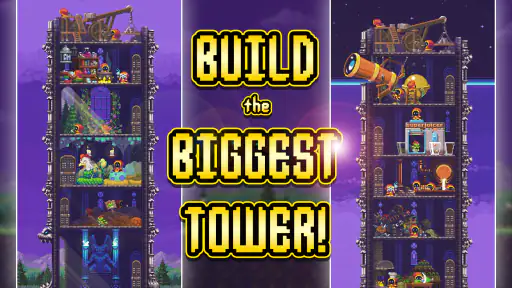

Analysis by Reviewed
I approached Idle Apocalypse expecting a simple idle game, but its central idea is much more entertaining than a progress bar that fills while I am away. I am placed in charge of a strange underground operation where the long-term goal is to build power, summon increasingly dangerous creatures, and push toward world-ending ambition. That combination gives the game a clear personality: it is a simulation game about managing a ridiculous doomsday project rather than running a farm, city, or conventional business.
The important capability here is its ability to turn offline progress into a planning challenge. I can leave the game alone, return later, collect what has accumulated, and then decide where that progress should go. The result is not completely passive. My best decisions usually happen before I close the app: choosing what to improve, which resource bottleneck to address, and whether I want a quick upgrade now or a longer route toward a stronger summoning cycle.
That focus explains why the game has attracted a large audience. It is free to play, has an average rating of 4.7 from around 149 thousand ratings, and has passed 1 million installs. Those figures do not make it automatically right for everyone, but they fit my experience: this is an approachable game with enough personality and structure to make short visits feel worthwhile.
Why the idle apocalypse works so well
The main capability is planning around time
Many idle games use waiting as their entire identity. Idle Apocalypse uses waiting as one part of a wider loop. I start production, improve the operation, collect resources, and then use the new income to unlock a more productive stage. The satisfying part is noticing that a small improvement can change the rhythm of the next few visits.
That makes the game especially comfortable on a phone. I do not need a long uninterrupted session to make progress. A quick check during a break can be enough to collect resources and queue the next useful action. When I have more time, I can inspect the wider plan instead of merely tapping whatever button is highlighted.
The theme also prevents the system from feeling anonymous. The idea of running a cult and summoning demon gods gives ordinary management decisions a playful purpose. I am not just increasing a generic income meter; I am building an absurd supernatural enterprise. The humor does not replace the mechanics, but it gives each upgrade more character than the usual idle-business setting.
What I actually do during a session
My typical session begins by checking what has accumulated and identifying the current restriction. Sometimes the problem is not a lack of total resources but a shortage of one particular material needed for the next meaningful improvement. That distinction matters. Spending everything immediately can leave the operation looking stronger while still failing to solve the actual bottleneck.
I then decide whether to improve production, expand the chain of activities, or save for a more important unlock. This is where the simulation side becomes more noticeable. The game rewards me for thinking in stages. A cheap upgrade may be useful if it speeds up the next collection cycle, while a more expensive purchase can be better if it opens a new source of progress.
When I leave the game, I prefer to do so after setting a clear objective. If I close it without a plan, returning later can feel like collecting income without direction. If I know that I am saving for a particular improvement, the return visit has a purpose. That small habit makes the idle design feel more strategic and less like background decoration.
How the loop feels over several visits
The early rhythm is easy to understand, which helps new players avoid the intimidation that sometimes comes with management games. I can learn the relationship between production and upgrades through ordinary play rather than studying a complicated manual. As the operation grows, the number of decisions increases, but the basic idea remains recognizable.
What I like is that progress is divided into manageable choices. I rarely feel that one mistake has ruined everything. Instead, an inefficient purchase usually means that the next few visits will be slower than they could have been. That forgiving structure makes experimentation comfortable, especially for someone who enjoys discovering a system without following an external guide.
The downside is that the same loop can lose its freshness if I want constant action. There are stretches where the sensible move is to wait, collect, and repeat. The game is at its best when I accept that slower pace and treat each visit as a small management decision. It is not a replacement for an active strategy game or a fast arcade title.
A realistic everyday use case
For me, the best routine is to check it briefly in the morning, make one deliberate upgrade, and leave it running in the background of my day. Later, perhaps during a commute or while waiting for an appointment, I can collect the accumulated progress and decide whether to continue or close it again. That pattern gives me something to do without demanding the kind of attention required by a competitive multiplayer game.
It also works well when I want a game that survives interruptions. A phone call, a work task, or a change of plans does not ruin a carefully timed action in the same way it might in a real-time battle. I can put it down without feeling punished for having a normal day.
There is a useful trade-off here: the less often I check, the more important it becomes to make a good decision before leaving. Frequent visits offer more control, while infrequent visits make the game feel more relaxed. I would not recommend forcing a strict schedule. The system is more enjoyable when it fits naturally around my routine.
Where the unusual theme adds value
The cult-and-demon setting is more than a decorative coat of paint because it changes the emotional tone of ordinary management. A production problem feels like part of a ridiculous apocalypse plan, and a new stage feels like an escalation in the story I am creating for myself. The game does not need realistic business logic to make the progression understandable.
I also appreciate that the tone keeps failure from feeling too serious. If progress slows, the consequence is usually that my weird underground empire takes longer to develop. That makes the game suitable for relaxed play, especially for people who enjoy dark comedy but do not want a grim or demanding survival experience.
Still, the theme will not appeal to everyone. Players who prefer bright, wholesome simulations may find the cult language and demon imagery off-putting. The content rating is Everyone 10+, so I would still check whether the tone suits a younger player before handing over the phone. The game is cartoonish in spirit, but its subject matter is deliberately strange.
Trade-offs in upgrades and resource decisions
The most useful tip I can offer is to stop treating every available upgrade as equally valuable. I get better results when I ask what will improve the next complete cycle rather than what looks cheapest at the moment. A low-cost improvement that leaves the real bottleneck untouched can be less useful than saving for a larger change.
A second tip is to avoid spending immediately after every collection. I often pause for a moment and compare the next few options. Keeping a reserve can make the next important unlock arrive sooner, while impulsive spending can scatter progress across several small improvements. The game is forgiving, but patience usually produces a cleaner development path.
A third useful habit is to match my play style to the length of my absence. Before a short break, I may choose an action that pays off quickly. Before leaving the game for a longer period, I prefer a plan that benefits from accumulated time. This sounds obvious, but it prevents the common frustration of returning to find that my last decision was optimized for a session I never actually played.
These choices are also why I would not describe the game as completely hands-off. The income may continue while I am away, but the quality of my progress depends on what I started beforehand. The game gives me time-based momentum, not a substitute for judgment.
Free access and the question of spending
The game can be downloaded for free, which makes it easy to try without committing money at the beginning. It includes in-app purchases ranging from $4.99 to $99.99 per item. That wide range is worth keeping in mind because idle games naturally create temptation: when progress slows, a purchase can look like the fastest way to restore momentum.
My advice is to play long enough to decide whether the basic rhythm suits you before considering any purchase. If I enjoy the planning loop, the free starting experience gives me a fair chance to understand why. If I dislike waiting or repetitive collection from the beginning, paying to accelerate it is unlikely to solve the underlying problem.
I also think spending changes the meaning of the game for some players. The challenge is partly about choosing how to use limited time and resources. Removing some friction may be convenient, but it can reduce the satisfaction of finally reaching an upgrade through careful planning. For that reason, I see purchases as optional convenience rather than something I would build my experience around.
Where it sits among simulation alternatives
Compared with a city-building simulation, this game is much less concerned with visual layout, population needs, or detailed construction. I am managing a progression engine rather than designing a believable settlement. That makes it easier to play in short bursts, but it also means players looking for creative building space should choose a different type of simulation.
Compared with a conventional clicker, it offers more of a themed management identity. The goal is not simply to tap faster and watch a number rise. I have to think about the sequence of improvements and the relationship between short-term income and longer-term development. It remains simpler than a full strategy game, but it has more direction than a purely reactive tapping experience.
It also differs from action-oriented games because there is little pressure to maintain constant attention. I would choose it over a combat game when I want progress that can survive interruptions. I would choose the combat game instead when I want immediate skill expression, dramatic encounters, or a strong sense of moment-to-moment control.
Who will get the most from it
I think the best audience is someone who enjoys gradual progression, playful management, and returning to a project several times a day. It is particularly good for a player who likes asking, “What should I improve next?” rather than “How quickly can I finish this level?” The demon-apocalypse theme gives that patience a memorable reason.
It is also a good choice for people who want a low-pressure mobile game. I can make progress without arranging a long session, and I can stop without losing the feeling that the game is moving forward. That flexibility is the main practical strength I would mention to a friend.
On the other hand, I would skip it if I need constant interaction, precise controls, or a story that advances through traditional missions. I would also be cautious if waiting mechanics frustrate me or if I tend to spend impulsively whenever progress slows. In those cases, a level-based puzzle game or a more direct strategy title may offer a cleaner experience.
Device fit and long-term expectations
The current version is 1.89, and it runs on Android 8.0 or later. That makes it accessible to many Android players, although I would still keep the usual practical considerations in mind: an older device may feel less comfortable if I am switching frequently between apps, and a smaller screen can make management menus less pleasant than on a newer phone.
Because this is an idle game, I would judge it less by the excitement of one session and more by whether I enjoy its repeated return loop. The first few visits show the concept, but the real test is whether planning the next improvement remains satisfying after the novelty of the apocalypse theme settles. I found that it works best when I play it as a long-running side activity rather than trying to consume it all at once.
The developer, Grumpy Rhino Games, has given the game a distinctive identity instead of hiding a basic idle structure behind a generic business theme. That identity is a genuine strength, but it cannot remove the genre's natural repetition. The game still asks me to accept gradual gains and occasional stretches where the most effective action is simply waiting.
My recommendation after using it
Idle Apocalypse is a strong recommendation for relaxed players who want an idle simulation with an unusual sense of humor and enough planning to make each return meaningful. Its central capability—turning time away from the game into a resource-management decision—works because the theme gives the progress a clear purpose. I am not just collecting numbers; I am trying to make a bizarre underground operation more powerful.
I would describe it as free to start, easy to understand, and more thoughtful than its simple presentation suggests. The best results come from saving for meaningful improvements, checking the real bottleneck before spending, and choosing actions that fit the length of the break ahead. Those habits make the waiting feel intentional instead of empty.
My final judgment is positive, with one clear condition: you need to enjoy slow escalation. If you do, the game offers a comfortable daily routine, a memorable theme, and enough decisions to keep the idle format from becoming completely automatic. If you want immediate action or dislike waiting-based progression, the same design will feel repetitive rather than relaxing. For the right player, though, this is a charming way to manage an apocalypse one carefully timed upgrade at a time.
Pros
- Simple idle progression works well for short play sessions.
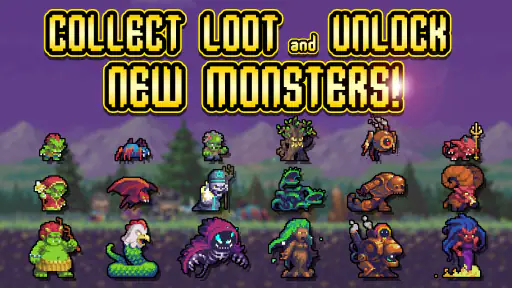
- Large roster of creatures gives the dungeon-building system variety.
- Dark humor and quirky character designs add personality.
- Offline progress helps you advance without staying in the game.
- Frequent unlocks make early gameplay feel rewarding.
Cons
- Progress slows considerably once the early upgrades are completed.
- Many upgrades depend on premium currency or lengthy waiting times.
- The interface can feel crowded as more systems become available.
- Limited control during battles may disappoint hands-on strategy fans.
- Ads and in-app purchases can interrupt the otherwise relaxed experience.

- Category
- Simulation
- Version
- 1.89