Homerun Clash 2: Legends Derby
- 384.00
- 4.4
- Installs
- 500.00K
- Price
- Free

Screenshots
Analysis by Reviewed
I usually judge a mobile sports game by how quickly I can get into a match and whether its central action stays interesting after the first few rounds. Homerun Clash 2: Legends Derby makes a clear case for short, focused sessions: it puts batting at the centre, with timing and aim doing more work than a complicated set of controls. That makes it easy to try during a spare moment, though the competitive side gives you reasons to stay longer.
Quick swings, with timing to learn
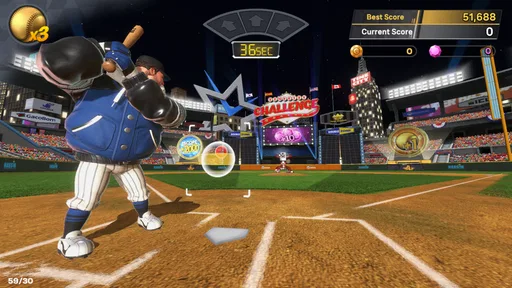
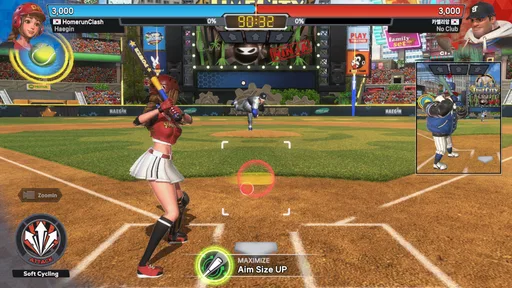
When you first fire up Homerun Clash 2: Legends Derby, you're immediately thrown into a lively tutorial that gets you swinging for the fences in no time. The controls are intuitive, which is a relief because nobody wants to fumble around when they're about to hit a grand slam. You swipe to aim and tap to swing, and before you know it, you’re in the middle of a thrilling derby.
That simple input is a good fit for one-handed play, but it does not mean every pitch is automatic. I get more from watching the ball and making a deliberate swing than from tapping as fast as possible. A useful habit is to treat a miss or weak hit as information: pay attention to the pitch’s speed and direction, then adjust the next attempt rather than repeating the same timing. The game suits quick reactions, yet patience matters too.
What I love about this game is its focus on timing and strategy. It’s not just about smashing the ball as hard as you can; you need to consider the pitch's speed and direction. This adds a layer of depth that keeps you engaged and coming back for more. Plus, the variety of pitches keeps you on your toes, ensuring that no two games feel the same.
How it holds up beyond the first match
The one-handed format is especially handy when I have a few minutes between errands or want a compact game during a break. A realistic routine might be to play a round while waiting for a ride, then stop without needing to settle in for a long baseball simulation. If you want full-team tactics, fielding, and the slower rhythm of a complete baseball game, though, this is not a replacement; it narrows the sport to the satisfying contest of hitting.
That focus also makes it easier to compare with other mobile sports games. Many ask you to manage a team or handle several phases of play, while this one puts the batting encounter up front. I’d choose it for quick head-to-head tension, not for a deep season-management experience. The trade-off is clear: less variety in what you do moment to moment, but less time spent learning controls before the fun starts.
Reading the pitch is the real speed test
The action feels brisk because the controls are pared back, but I would not confuse quick access with a game that rewards frantic tapping. Its pace comes from getting to the batting decision without a long setup; the actual swing still benefits from a beat of observation. When I have only a short break, that distinction matters: I can get into the action quickly, but I should not expect every match to feel effortless if I am distracted or impatient.
More From Our News Desk
 Instagram
’s Power Comes From Its Place in Your Phone
A close look at how Instagram turns Meta’s reach, recommendation systems and everyday camera habits into durable platform power—and what that costs users.

 Gmail
Gmail in a Busy Inbox: Who Benefits Most?
From first account to crowded workday, Gmail earns its place through dependable search and flexible sorting—but its best fit depends on how much inbox maintenance you can tolerate.

 Prime Video
Switching to Prime Video: What Changes in Your Viewing Routine
Prime Video can make a compelling second home for streaming, but switching means learning a different catalog, rental layer, and route from browsing to playback.

 Universal TV Remote Control
 Works Best as a Reliable Backup
A phone remote earns its place through quick setup and reliable habits. Here is how to get more from Universal TV Remote Control—and where its limits show.

 Weather - By Xiaomi
Weather by Xiaomi Review: Clear at a Glance, Less Clear Up Close
Xiaomi’s weather app makes everyday forecasts quick to scan, but its calm surface can leave useful details and recovery paths harder to find than they should be.

 X
X Under Pressure: Can It Recover When Posting Goes Wrong?
A resilience-focused review of X, examining setup, mistaken posts, interruptions, weak connections, and the gaps that matter when recovery needs to be dependable.
Latest News



For a more useful warm-up, I would focus on one adjustment at a time. First watch the pitch rather than trying to correct aim and timing all at once. Then, once I can read its direction more comfortably, I would pay closer attention to when I tap. This makes a brief session feel purposeful even if I do not play enough to chase a longer progression goal. It is also a better way to decide whether the game’s skill curve suits me than judging it from a couple of rushed swings.
This is where the one-handed setup has a practical trade-off. It leaves my other hand free, which is convenient on the move, but it also makes it tempting to play while doing something else. I would use that convenience for a low-pressure moment, not while walking through a busy place or trying to follow a conversation during a close contest. The controls are simple; the timing still asks for attention.
Visuals, sound, and playing in busy moments
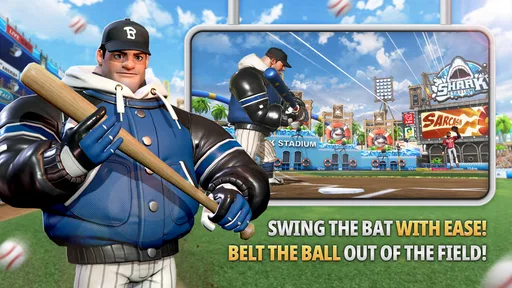
The graphics are surprisingly good for a mobile game. The stadiums are detailed, and the character animations are smooth. You can almost feel the rush of wind as the ball sails out of the park. The sound design complements the visuals perfectly, with the satisfying crack of the bat and the crowd's cheers immersing you into the game. It's these little details that make the game feel lively rather than like a bare timing exercise.
Those effects help a successful hit land with more impact, but the presentation is not the main reason I would keep playing. In a noisy place, or whenever I need to keep my phone quiet, I would focus on the ball and the swing timing rather than depend on the crowd audio. During a run of close matches, visual focus matters more than turning every effect up; that is a practical way to keep the action readable without making the game feel less engaging.
For comfort, I would also think about the setting before starting a match. Bright, animated stadium scenes can be more demanding to follow when I am outdoors in glare or when I have only a moment to glance at the screen. A sheltered break gives me a better chance to track the pitch and make a considered swing. That is not a special technique or a promise about performance; it is simply a sensible way to get more out of a game built around reading a moving ball.
Multiplayer and competitive pressure
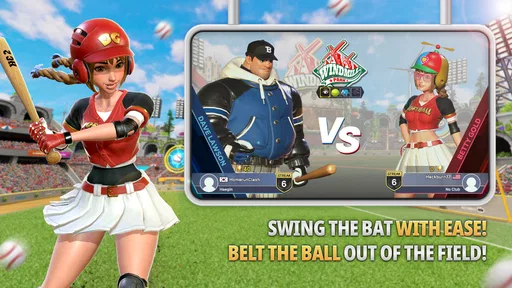
One of the standout features of this game is its multiplayer mode. You can challenge players from around the world in real-time, and let me tell you, the competition is fierce. It’s not just about skill; it's about strategy and knowing when to take risks. Winning a match against a skilled opponent gives you a sense of achievement that few other mobile games can match.
There are also leagues and tournaments to keep the competitive spirit alive. Climbing the leaderboard is no easy feat, but the rewards are worth the effort. Plus, the sense of community and friendly rivalry makes every match feel significant.
Because real-time matches ask for attention, I would save them for a moment when I can concentrate rather than squeeze one into a distracted queue. If a pitch catches me off guard, rushing the next swing can turn one mistake into a string of them. A calmer approach—watch, choose a target, then swing—makes more sense than treating every derby as a test of speed. Players who prefer unhurried solo play may find this competitive emphasis less appealing.
A practical routine is to keep a casual session and a competitive session mentally separate. If I am waiting for a short appointment, I can use the time to practise the core batting rhythm without expecting a long run of focused play. When I want to test myself against another player, I would choose a time when I am unlikely to be interrupted. That small choice reduces the frustration of having to divide attention between a match and whatever is happening around me.
Compared with a slower baseball game that gives me innings, defensive decisions, and several roles to manage, this design is much narrower. That is an advantage when I want an immediate contest, but it also means the competition is the main source of variety. If I tire of repeating batting encounters, moving to a broader sports game may be a better choice than expecting this one to turn into a full simulation.
Progression, spending, and practical expectations
As you progress through the game, you unlock various characters and upgrade your gear. This customization aspect is a nice touch, allowing you to personalize your experience and stand out in multiplayer matches. The progression system is rewarding without being overly grindy, which is always a plus in my book.
There is a useful distinction between enjoying the batting itself and wanting to chase every upgrade. I would first settle into the timing and see whether I enjoy competing before putting money into optional purchases. The game is free to start, with in-app purchases ranging from $0.99 to $99.99 per item, so it is sensible to check purchase prompts and keep a personal spending limit if that matters to you. Its Everyone 10+ rating is also worth considering when choosing a game for a younger player.
HAEGIN Co., Ltd. developed this sports game, which arrived on July 30, 2024. Its 4.6 average from around 5,100 ratings and more than 500,000 installs suggest that plenty of players have given it a try, though popularity alone cannot tell me whether its focused batting loop is right for you. Version 2.1.0.0 requires Android 7.0 or later. If your phone is older or tends to struggle with games, I would check how it feels on your own device before settling in for longer sessions; I would not assume that detailed stadium visuals behave identically on every handset.
Since the game combines animated presentation with real-time competition, my expectations for smooth play would be cautious rather than absolute. A supported operating system is a starting point, not a guarantee that every device will feel equally responsive. On a phone that already slows down during games, I would try a short session first and pay attention to whether the ball remains easy to follow. If the experience feels uncomfortable, shorter play is a more sensible test than committing to a long competitive run.
For reliability, I find it best to separate what the game offers from what depends on the moment: its real-time multiplayer is naturally a better fit when your connection is steady and you can give a match your attention. If a session is interrupted, returning to play later is a practical option, but I would avoid starting a competitive round when I know I may need to put the phone down. This is a small planning point, not a reason to avoid the game.
I would also avoid treating a single hiccup as proof that the game will always behave that way, or assuming that a later attempt will recover a match exactly as I want. The dependable habit is to start a head-to-head round only when I have a reasonable stretch of uninterrupted time and a stable connection. For a quick test of responsiveness, a brief play session lets me judge the controls and visuals on my own phone without making performance claims that may not apply to another device.
Who I would recommend it to
Homerun Clash 2: Legends Derby is a fantastic choice for both baseball enthusiasts and casual gamers. Its combination of intuitive controls, engaging gameplay, and competitive multiplayer makes it a standout title in the mobile gaming world. If you’re looking for a game that’s easy to pick up but hard to master, this one’s definitely worth a swing. So grab your bat, step up to the plate, and see if you have what it takes to become a legend of the derby!
I would recommend it most to someone who likes quick contests, wants batting rather than a full baseball rulebook, and enjoys improving through repeated head-to-head play. I would skip it if you mainly want relaxed, offline-style progression or the broad decisions of a team-management game. My verdict is that its appeal depends on liking the small details of a swing: read the pitch, pick your moment, and accept that a compact game can still ask for concentration. If that sounds satisfying, it is an easy one to keep within reach for a spare few minutes.
For someone choosing a first mobile baseball game, the key question is whether batting alone sounds satisfying. If you want to understand the rhythm of a pitch and sharpen a repeated action, this is a more approachable starting point than a title that asks you to learn an entire lineup of controls. If you already know you prefer planning a roster, managing a season, or taking part in every part of a baseball match, I would look for a fuller simulation instead. The right choice depends less on how much you like the sport in general than on which part of it you want to play.
Another trade-off is how progression changes the feel of a short session. Unlocks and gear give you something to work toward, but I would not let that turn every match into a checklist. The most useful personal goal may simply be to make more deliberate swings or respond better to a pitch that caught me out. That keeps improvement tied to the skill at the heart of the game, rather than to the urge to keep playing when I have already run out of time.
My performance verdict is measured: the compact controls and focused batting make the game easy to approach, while its lively presentation and head-to-head emphasis give it more weight than a throwaway tap game. I would expect the most satisfying sessions when I can see the screen clearly, concentrate on the pitch, and rely on a steady connection for multiplayer. It is not my pick for a broad baseball simulation or distracted play, but for a short, skill-led sports contest, the focused format is the point.
Homerun Clash 2: Legends Derby Frequently Asked Questions
What devices can run Homerun Clash 2: Legends Derby?
Homerun Clash 2: Legends Derby is available for Android devices running version 7.0 or later. It is a free sports game from HAEGIN Co., Ltd., with optional in-app purchases. Before downloading, check that your device meets the minimum operating-system requirement and has enough available storage for the game and its updates.
Is Homerun Clash 2: Legends Derby free to download and play?
The game is free to download, and you can play without making a purchase. Optional in-app purchases range from $0.99 to $99.99 per item, so spending is not required to get started. If you are downloading it for a child or want to avoid accidental purchases, review your device’s purchase settings before playing.
What is Homerun Clash 2: Legends Derby about?
Homerun Clash 2: Legends Derby is an exhilarating sports game that centers around hitting home runs and competing in thrilling derby matches. The game is designed to provide players with an engaging experience by allowing them to choose their characters, upgrade skills, and compete against global players in various modes. It captures the essence of competitive home run challenges, making it a must-try for baseball enthusiasts.
Can I play Homerun Clash 2: Legends Derby offline?
Homerun Clash 2: Legends Derby primarily requires an internet connection to access its full features, including multiplayer modes and global leaderboards. While some parts of the game might be accessible offline, the competitive and social aspects, which are the core attractions of the game, necessitate an online connection to fully enjoy and engage with other players.
What are the in-app purchases available in Homerun Clash 2: Legends Derby?
Homerun Clash 2: Legends Derby offers a variety of in-app purchases designed to enhance the gaming experience. Players can buy coins and gems, which are the game's currencies, to unlock new characters, upgrade equipment, and acquire special abilities. These purchases can accelerate progress and provide competitive advantages, although they are optional and not necessary to enjoy the game.
Pros
- Immersive graphics and animations.
- Variety of game modes available.
- Smooth and responsive controls.
- Competitive multiplayer experience.
- Regular updates and new content.
Cons
- Requires constant internet connection.
- In-app purchases can be pricey.
- Occasional lag in multiplayer.
- Battery drains quickly during play.
- Limited offline gameplay options.