Helicopter Escape 3D
- 13.00K
- 4.5
- Installs
- 50.00M
- Price
- Free

Screenshots
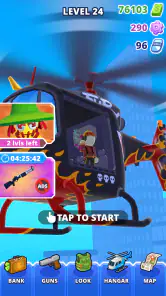
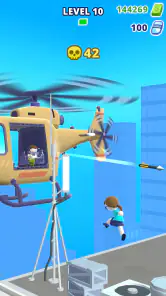

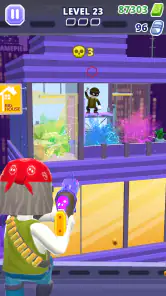
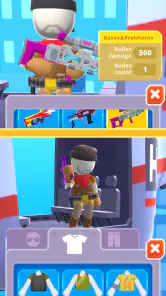
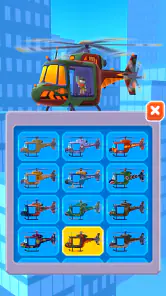
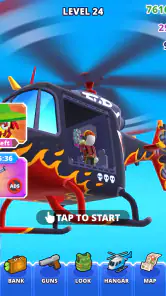
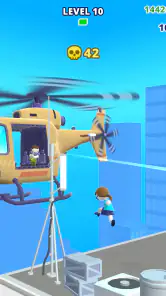
Analysis by Reviewed
I would pick up Helicopter Escape 3D when I want a quick action game built around one clear job: helping a hostage get out while I use a helicopter to deal with threats. It is easy to understand at a glance, and that direct premise is also its main appeal. I don’t need to learn a long story or manage a complicated set of controls before I can get into the action.
My first impression is that this is best approached as a casual, short-session game rather than a deep action adventure. The satisfaction comes from reacting to what is happening on screen and making progress through a sequence of tense encounters. If you enjoy quick arcade-style play and a simple rescue theme, it is an approachable option. If you are looking for tactical helicopter simulation, a sprawling campaign, or detailed character development, this is probably not the experience you want.
What to expect from the rescue-and-action loop
The game is an action title from SayGames Ltd, presented as a helicopter-based escape scenario. The central idea is easy to grasp: keep the rescue moving and use the aircraft’s firepower against enemies in the way. That gives each session an immediate purpose, rather than asking me to spend the opening stretch learning a large world or sorting through a complicated menu of systems.
That simplicity has a trade-off. The helicopter is part of an arcade action setup, not an invitation to expect realistic piloting. I would approach it as a fast, visually focused game where attention and timing matter more than knowledge of real aircraft. The rescue framing helps give the action a little context, but the main reason to play is the moment-to-moment challenge.
It has attracted a large audience: the game has more than 50 million installs, with an average rating of 4.5 from around 176,000 ratings. Those numbers suggest that its straightforward format has broad appeal, though they do not mean it will suit every player. Someone who enjoys short bursts of action may settle in quickly; someone who prefers layered strategy could find the repeated focus on shooting and escape too narrow.
The game is free to download and is rated Everyone 10+. There are in-app purchases, with items priced from $2.99 to $99.99, so I would treat optional spending as something to review carefully rather than part of the basic promise. If you are installing it for a younger player, the age rating is a useful starting point, but it is still sensible to consider how that player handles action-oriented content and optional purchases.
Starting without overthinking the controls
For a first-time player, I would keep the opening approach simple: start a level, pay attention to the immediate threat, and avoid trying to anticipate every possible situation before it appears. A game with this kind of premise is easier to read when I focus on what is directly in front of me. The first meaningful success is not mastering a complex helicopter setup; it is getting through an encounter while keeping the rescue objective in mind.
One useful habit is to watch the screen before acting. In quick action games, rushing can make it harder to distinguish the target from the surrounding scene. I find that taking a brief moment to identify what needs attention is a better starting point than reacting to every movement at once. That small pause can make an early attempt feel more controlled, especially if the action initially seems busy.
I would also treat an early failure as information, not proof that the game is unfair. If an attempt goes wrong, notice what pulled your attention away or which threat you reacted to too late, then try again with that in mind. This is a practical way to learn an arcade-style level without expecting a tutorial to explain every useful decision. The aim is to build a rhythm: scan, respond, and keep the escape moving.
Turning the first attempt into a clear success
The rescue objective is a useful anchor when the screen gets hectic. Rather than treating every enemy as an isolated target, I would connect each action to the larger goal of helping the hostage escape. That makes the game easier to read and gives the shooting a purpose beyond simply clearing what is on screen. For a newcomer, it can also prevent the common mistake of concentrating on the action while losing track of why the encounter matters.
A concrete first-session plan is to play with a little patience. Begin by observing the immediate layout, make one deliberate response, and check how the scene changes before committing to the next action. If the game gives you a chance to respond again, use what you just learned instead of repeating the same hurried approach. This is not a claim about a hidden mechanic; it is a reliable way to make a fast action game feel less chaotic.
That method is especially handy in an everyday situation where you only have a few minutes, such as waiting for a ride or taking a short break between tasks. You can try a quick run without needing to reserve a long stretch for story exposition or careful planning. The limitation is that a short-session design may not deliver the kind of sustained immersion some players want. I would choose it for a brief burst, not as a replacement for a longer, more involved action game.
If your first successful attempt feels more like a narrow escape than a polished performance, that still counts. The game’s premise is about getting through danger, so learning to stay composed is more useful than chasing an imagined perfect run. I would focus on one improvement at a time: notice threats sooner, avoid letting the screen’s busiest element dominate your attention, and keep the rescue goal in view.
Where new players can get confused
The biggest possible point of confusion is expecting a helicopter game to behave like a flight simulator. The title and aircraft premise may suggest detailed steering or realistic cockpit control, but the game is better understood as arcade action. If you install it expecting navigation, fuel management, or authentic flight handling, you may feel that the central idea is much simpler than you hoped. I would set those expectations aside and judge it on how briskly it turns the rescue setup into playable action.
Another source of friction is the difference between visual intensity and strategic depth. A busy action scene can feel demanding without offering a large number of tactical choices. If you enjoy reacting quickly, that can be part of the fun. If you want to pause, plan a route, compare equipment, and shape a long-term build, this is not the direction I would recommend. A strategy game or a more elaborate action title would be a better fit for that preference.
It is also worth keeping purchases in perspective. The game is free to start, but optional in-app items range from $2.99 to $99.99 per item. I would not assume that spending is necessary to enjoy the basic action, and I would avoid making a purchase simply because a level has become frustrating. First try changing your approach and learning the encounter. If you are managing a child’s device, consider purchase controls before handing it over, particularly because the available items reach a high price point.
The game’s audience numbers and rating can help set expectations, but they should not substitute for your own taste. A popular action game can still feel repetitive if you prefer variety in mission structure or a strong narrative. I would give it a chance if you want uncomplicated, immediate play, but I would move on if the core rescue-and-shooting loop does not appeal after a few sessions. There is no need to keep playing simply because many other people have installed it.
How it fits beside other action games
Compared with a large action adventure, this is a lighter commitment. There is less reason to expect a broad world or a long chain of systems to understand; the appeal is the immediate rescue pressure and the helicopter’s role in dealing with enemies. Compared with a pure shooter, the hostage-escape framing gives the action a clearer objective. That distinction matters: if a simple mission goal makes arcade shooting more engaging for you, the setup may click. If you want a story-led campaign, the premise alone may not provide enough depth.
It also sits apart from realistic vehicle games. I would not choose it to practice piloting concepts or to enjoy careful aircraft handling. The helicopter is there to support a quick action scenario, which keeps the game accessible but limits the sense of simulation. That is a fair trade for a player who wants an easy entry point; it is a reason to skip it for someone who values realism above pace.
One practical way to decide is to ask what you want from your next mobile session. If you want something you can understand quickly, with a rescue goal and action that does not require a large time commitment, this is worth trying. If you want deep progression, competitive play, or a puzzle-like challenge with time to deliberate, I would look elsewhere. Its strongest use case is filling a short break with a focused arcade task.
What to do after the first win
Once you have completed an early encounter, I would resist the urge to change everything at once. Keep the same calm scanning habit and adjust only the decision that caused trouble. This makes it easier to tell whether you are actually improving. In a game focused on quick reactions, a small shift in attention can matter more than trying to invent an elaborate strategy for a simple scenario.
If you are enjoying it, the next step is simply to continue and see whether the rescue action stays entertaining for you. The current version is 1.18.29, and it requires Android 8.0 or later. Those details are useful before installing on an older device; the game is also available as a free download, with optional purchases to keep in mind. Its initial accessibility is a strength, but that does not guarantee the same level of interest over longer play.
For a first-time user, I would recommend trying it with modest expectations: look for a compact action game, not a helicopter simulator or a deep campaign. Give the first few encounters a fair chance, use the rescue objective to stay focused, and decide based on whether the fast shooting-and-escape rhythm feels satisfying. Its best quality is how quickly it gives a newcomer a clear reason to act.
Helicopter Escape 3D is a sensible choice for players who want a free, approachable action game to dip into during spare minutes. I like the clarity of its premise and the way it gives quick play a concrete goal. I would skip it if I needed realistic flying, extensive tactical options, or a story with room to unfold. For everyone else, it is an easy game to try: begin with one deliberate run, learn from what goes wrong, and keep playing only if the rescue challenge earns another round.
Helicopter Escape 3D Frequently Asked Questions
What is Helicopter Escape 3D?
Helicopter Escape 3D is an action game built around short rescue-and-combat scenarios. You take control of a helicopter and use its weapons to help people escape dangerous situations, often by targeting enemies or obstacles on the ground. Its simple, immediate premise makes it easy to understand, while the action-focused levels are designed for quick play rather than a long, story-driven campaign.
How do you play Helicopter Escape 3D?
The game generally uses straightforward touch controls: guide your helicopter or aim its weapon, then shoot threats before they can harm the people you are trying to rescue. The precise controls and objectives can vary between levels, so it is worth paying attention to the prompts shown on screen. The easy-to-grasp format suits casual sessions, though later stages may require more careful aiming and timing.
Is Helicopter Escape 3D free to download, and does it include ads or in-app purchases?
Helicopter Escape 3D may be offered as a free download, but availability, pricing, advertising, and optional purchases can differ by platform, region, and app version. Check the game’s current store listing before installing to see whether it contains ads or in-app purchases and what those purchases provide. Also review any purchase settings, particularly if children may use the device, to avoid unexpected spending.
Can I play Helicopter Escape 3D offline?
Whether Helicopter Escape 3D works without an internet connection can depend on the version and on features such as advertisements, rewards, or online services. If offline play matters to you, check the current store description and test the game in airplane mode after installation. Some core levels may remain playable while optional features that rely on a connection are unavailable; do not assume every feature works offline.
Is Helicopter Escape 3D suitable for children, and what should I check before downloading?
The game presents cartoon-style action involving helicopters, weapons, and rescue scenarios, so parents should decide whether that theme suits their child. Ratings and content details can differ between the Apple App Store and Google Play, and updates may change the experience. Before downloading, check the age rating, permissions, privacy information, advertising disclosures, and purchase options, then consider trying a level yourself.
Pros
- Simple controls make it easy to pick up and play.
- Short levels suit quick gaming sessions.
- Rescue-and-shoot gameplay offers a clear
- engaging objective.
- 3D visuals make the helicopter action easy to follow.
- No complex strategy is needed to get started.
Cons
- Gameplay can feel repetitive after several levels.
- Frequent ads may interrupt the flow of play.
- Progression offers limited depth for long-term players.
- Some levels rely on trial and error.
- The action may feel too simple for players seeking a challenge.

- Category
- Action
- Version
- 1.18.29