Football 2026-Soccer League
- 10.00
- 3.1
- Installs
- 1.00M
- Price
- Free

Screenshots
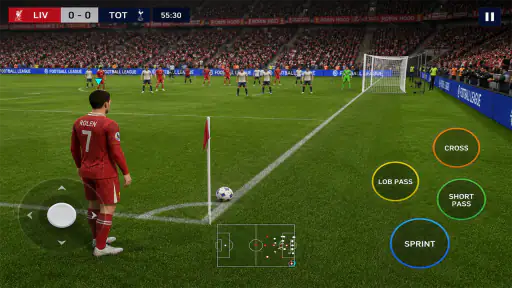


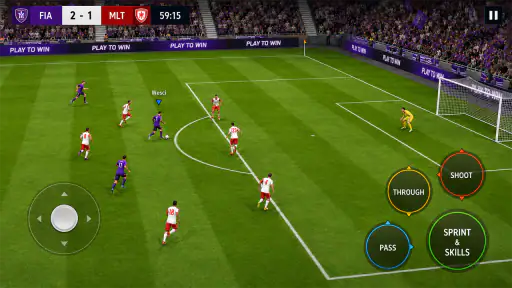
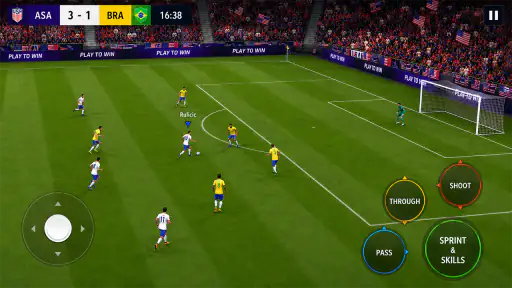


Analysis by Reviewed
I approached Football 2026-Soccer League as a casual football game rather than a full simulation that tries to reproduce every detail of a real club-management experience. It is a free sports game from Bibrow Solution, aimed at players who want to guide a dream football club and spend a little time chasing wins without committing to a complicated setup.
That distinction matters. The store summary promises a route to glory, but the more useful question is whether the game fits the way you actually play on a phone. I found its appeal easiest to understand in short sessions: a quick match when I had a spare moment, a few attempts while travelling, or a relaxed evening when I wanted football-themed entertainment without paying an entry fee. It is available for everyone, supports devices running Android 8.0 or later, and the current release is version 2.5.
How Football 2026 feels in everyday play
A football game built for quick decisions
The strongest reason to try this title is its straightforward identity. You are not opening it for a long tactical lecture or a highly technical sports-management spreadsheet. You are opening it because the idea of leading your own club sounds enjoyable and you want to get into the action with minimal ceremony.
That makes it a natural fit for a short break. I can imagine starting a session during a commute, playing while waiting for an appointment, or using it as a lighter alternative to a much larger football game. The free download removes the biggest barrier to trying it, although the presence of optional purchases means I would still approach progression carefully rather than spending impulsively.
The game’s broad audience is also reflected in its Everyone content rating. Parents and younger players may find the concept approachable, while experienced football-game fans can treat it as a more relaxed diversion. The trade-off is that players searching for the depth, realism, and presentation of a premium console-style football title may find the experience too modest.
What the rating tells me before downloading
Football 2026-Soccer League has an average rating of 3.1 from around 2.3 thousand ratings. I would read that as a reason to keep expectations measured, not as an automatic rejection. A middling rating often means the game can work for some players while leaving others dissatisfied with areas such as polish, balance, controls, or long-term variety.
Its reach is still substantial, with more than a million installs. That tells me the concept has attracted a sizeable audience, but popularity alone does not guarantee that it will suit your device or your preferred style of play. I would use the rating as a prompt to test it personally, especially because the game is free to start.
Speed expectations on a phone
From a practical standpoint, I would expect the game to feel most comfortable when approached as a focused mobile experience. A football title has to move between menus and matches without making every session feel like a project. If you are choosing it for quick entertainment, the important test is whether you can get from opening the app to meaningful play without unnecessary friction.
I would not install it expecting the same visual ambition or resource profile as a major football release designed for newer hardware. The minimum requirement of Android 8.0 suggests that the game is intended to support a fairly broad range of devices, but that does not mean every older phone will deliver the same smooth experience. Screen size, available storage, background activity, and the age of the processor can all affect how comfortable a sports game feels.
My advice is simple: begin with a short session rather than committing to a long tournament immediately. This gives you time to judge loading, touch response, and how quickly the phone warms up. Those details matter more than a store summary when you are deciding whether a game belongs on your everyday device.
Where heavier use can expose limitations
The most demanding moments are likely to come when you play for a longer stretch, move repeatedly between matches and management screens, or keep other apps active in the background. Even when a game runs acceptably at first, extended use can reveal whether the phone is struggling with heat, memory pressure, or battery drain.
I would close unnecessary apps before a longer session, particularly on an older phone. That is not a special trick for this game; it is a sensible way to reduce distractions and give the title more room to operate. If you notice stuttering or delayed controls, restarting the game and trying again with fewer background tasks is a better first step than immediately assuming the installation is faulty.
There is also a practical trade-off between visual comfort and battery life. Playing at maximum brightness while connected to mobile data can make any sports game feel more demanding. A lower brightness setting, stable Wi-Fi when available, and shorter sessions are sensible choices if you want to preserve battery during travel.
In-app purchases and the cost of playing freely
The game is free, but optional in-app items range from $0.99 to $10.99 each. That makes the initial download easy to justify, while also creating a boundary that every player should decide in advance. I would play without buying anything first and only consider a purchase after learning whether the basic loop genuinely holds my attention.
This approach is especially useful for younger players. The Everyone rating describes the content, but it does not remove the need for adults to discuss spending. If the phone is shared with a child, checking purchase controls before handing over the device is sensible. For my own use, I would treat purchases as optional conveniences rather than part of the definition of success.
The free-to-start model is best for someone who wants to sample the game. It is less attractive to a player who dislikes any pressure to spend or who wants one clear payment with every part of the experience unlocked. In that situation, a paid football game with a transparent price may be a better match, even if it offers fewer casual sessions.
Reliability during regular sessions
Reliability is not only about whether the game opens. I also look at whether it remains dependable when I return to it repeatedly, whether progress behaves predictably, and whether the controls continue to respond when the action becomes busy. Those are the areas I would pay attention to during the first few sessions with this title.
The current version, 2.5, shows that the game has an identifiable release line rather than being presented as an unversioned experiment. Still, a version number by itself is not a promise that every device will behave identically. Android phones vary widely, especially when they use different manufacturers’ interfaces, memory configurations, and background power controls.
For that reason, I would avoid beginning an important long session immediately before an appointment or while relying on a weak connection. Test it at home first, then decide whether it is dependable enough for travel. This is a small habit, but it prevents a free game from becoming an annoying source of lost time.
Recovery after interruptions
Mobile play is full of interruptions: a phone call, a message, a low-battery warning, or a switch to another app. A useful football game needs to fit around those moments instead of demanding the same uninterrupted attention as a console match. I would deliberately pause and leave the game during an early session to see how comfortably I can return.
If you regularly play in short bursts, recovery should influence your decision as much as graphics or club appeal. Someone who plays at home with no interruptions can tolerate a more demanding flow. Someone who plays during breaks needs a game that feels forgiving when attention is divided.
I would also make sure the phone has enough free space and that the operating system is not aggressively closing background apps. These checks do not guarantee perfect recovery, but they reduce common causes of frustration. If your device is very old or tightly constrained, a simpler football game may offer a calmer experience.
Device constraints worth considering
Android 8.0 is the stated minimum operating-system requirement, so users on older systems should not assume compatibility. If your phone meets that requirement, the next question is not simply whether the game installs, but whether the device has enough practical headroom for comfortable play.
Older hardware may still be suitable for a short test, but I would be cautious about expecting consistently smooth performance from a phone that already struggles with other 3D games. A small screen can also make touch controls feel cramped, while a larger display may make football action easier to follow. Neither factor decides the game by itself, but both can change how enjoyable a session becomes.
Storage is another everyday concern. Even a free game occupies space, and a phone that is nearly full tends to be less pleasant to manage. Before installing, I would remove unused downloads and check that the device has room for normal operation. This is particularly important if you keep several games installed at once.
For tablets, the question is whether the interface scales comfortably rather than whether the larger screen automatically improves the experience. Some mobile games feel better with extra space, while others simply appear stretched. I would treat tablet use as something to test personally instead of assuming it will resemble a dedicated console interface.
How it compares with familiar alternatives
Compared with large, established football games, Football 2026-Soccer League is easier to approach as a casual option. The attraction is the low starting cost and the simple fantasy of taking a club toward success. The compromise is that players who demand licensed depth, highly detailed presentation, extensive team systems, or a long competitive ecosystem may prefer a better-known alternative.
Compared with a football manager game, this title should appeal more to someone who wants the feeling of leading a club without making every decision about budgets, contracts, scouting, and statistics. If the management layer is the main reason you play, a dedicated manager may provide more control. If you want a lighter mixture of club ambition and football action, this game is easier to justify.
It also sits differently from arcade football games. Arcade alternatives usually focus on immediate controls and exaggerated fun, while a club-glory concept can make Football 2026-Soccer League feel more goal-oriented. I would choose between them based on mood: this game for the satisfaction of building toward a result, an arcade title for instant action with less commitment.
Three ways I would get more from it
First, I would separate testing from spending. I would play several short sessions before buying an item, because the initial excitement of a new club can fade once the novelty wears off. This is the clearest way to learn whether the free portion is enjoyable on its own.
Second, I would use the game as a structured break rather than an endless background activity. Setting a personal stopping point after a match or a small goal keeps the experience from turning into repetitive tapping. It also makes battery use easier to manage on a modest phone.
Third, I would compare performance at home and away from home. A stable Wi-Fi session can tell you how the game feels under comfortable conditions, while a short mobile-data test shows whether it fits your actual routine. If you plan to play during travel, that distinction is more useful than judging the game only from a desk.
A fourth useful check is to test touch comfort with both hands. Sports games can feel very different depending on whether your thumbs cover important parts of the screen or whether the phone becomes tiring to hold. If the controls feel awkward after a few minutes, the problem may be the device-and-grip combination rather than your interest in football.
Who should install it
I would recommend giving it a chance if you want a free football game with a club-focused goal, prefer short mobile sessions, and are comfortable deciding for yourself whether optional purchases are worthwhile. It is also a reasonable choice for families looking for an Everyone-rated sports title, provided spending controls are handled responsibly.
It is less suitable for players who need guaranteed high-end performance, dislike free-to-play purchase options, or expect the depth of a premium football simulation. I would also hesitate to recommend it to someone using an aging phone that already overheats or closes games frequently. In that case, the device limitations may dominate the experience before the club concept has a fair chance.
My performance verdict
My overall view is cautiously positive for the right audience. Football 2026-Soccer League has a clear mobile-friendly appeal: it is free to begin, broadly accessible, and built around the enjoyable idea of taking a dream club toward glory. Its large install base suggests that the concept has reached many players, but the average rating of 3.1 tells me to treat it as a try-before-you-commit game rather than an unquestioned recommendation.
On performance, I would expect the best results from a reasonably maintained phone that meets the Android requirement without being overloaded by background apps. Short sessions are the safest use case, especially while you are learning how the game behaves on your device. Longer play can be enjoyable, but it is where heat, battery use, interruptions, and control comfort deserve closer attention.
My final recommendation is to install it for a low-risk trial, play without spending first, and judge it by your own phone’s responsiveness. If the club journey keeps you interested and the device remains comfortable, it can become a pleasant everyday sports distraction. If you want deep simulation, premium polish, or a completely purchase-free experience, choosing a different football game will probably leave you happier.
Pros
- Simple controls make matches easy to pick up for casual players.
- Quick match sessions suit short breaks and on-the-go gaming.
- Multiple team options add variety beyond a single campaign.
- Offline play can be useful when mobile data or Wi-Fi is unavailable.
- Small download size may work well on devices with limited storage.
Cons
- Graphics may look basic compared with leading football simulator games.
- Gameplay can become repetitive after extended play sessions.
- Some features may require internet access despite offline match options.
- Ads may interrupt menus or matches in the free version.
- Limited customization could disappoint players seeking deep team management.

- Category
- Sports
- Version
- 2.5