Escape Run: Endless Die Fun
- 670.00
- 4.4
- Installs
- 1.00M
- Price
- Free

Screenshots
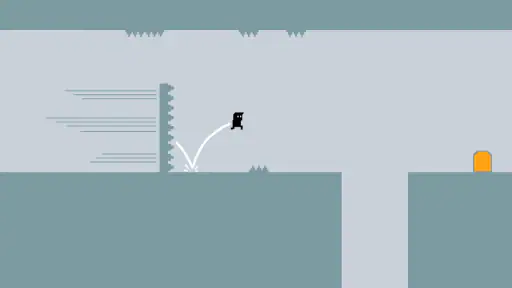
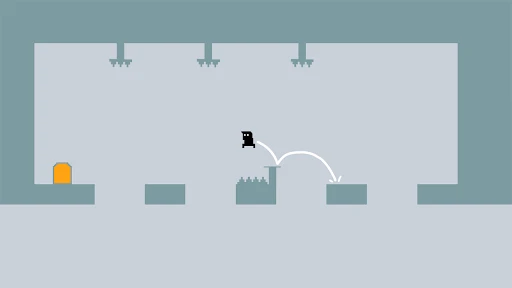
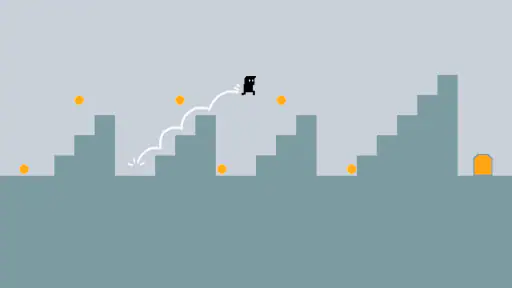
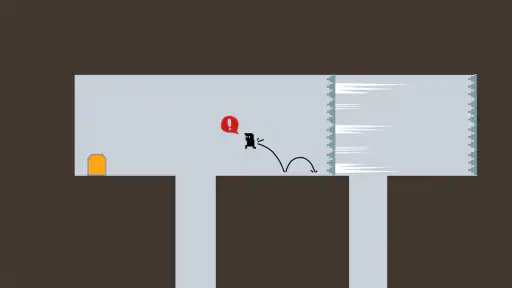

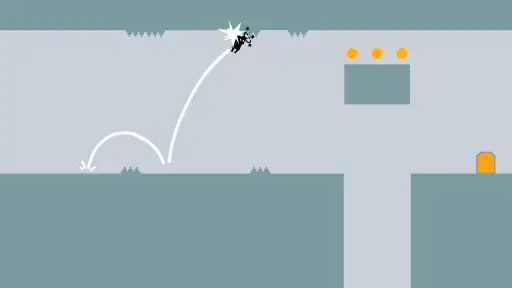
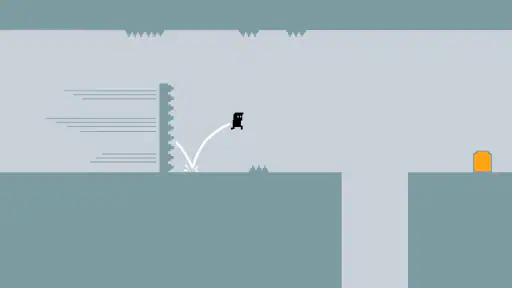
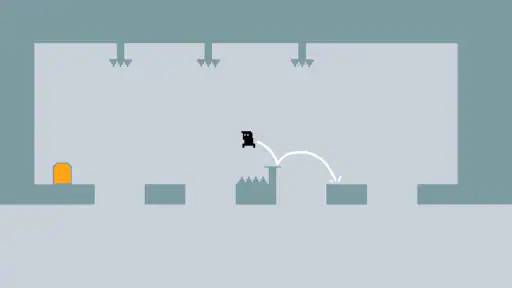
Analysis by Reviewed
I tend to enjoy action games most when they give me a clear first goal: learn the basic movement, read the hazards, and see if I can last a little longer on the next attempt. That’s the appeal of Escape Run: Endless Die Fun. It is a platform-running game built around dodging traps and keeping a run alive, rather than asking me to settle in for a long story. Its premise suits quick play, but the constant threat of a mistake gives even a short session a little tension.
A quick start, with room to learn
The first useful objective is simply to get a feel for the pace. I’d recommend starting with short runs and watching how the obstacles are arranged before trying to react at full speed. In a trap-heavy platform game, noticing a pattern can matter more than tapping frantically. That small shift—from reacting late to anticipating what comes next—is where the challenge starts to feel fairer and more satisfying.
This makes the game an easy fit for a spare moment: I can open it while waiting for a coffee or during a quiet break, focus on one attempt, then put it down. It also works for players who like improving through repetition without needing to remember a complicated plot. If you prefer relaxed games that let you pause and explore at your own pace, though, this constant run-and-avoid rhythm may feel more demanding than enjoyable.
What progress feels like
The strongest progress signal here is personal: surviving longer, reacting more cleanly, and learning which decisions get me past a dangerous stretch. I wouldn’t treat each failed attempt as proof that I’m not improving. Instead, I’d pick one thing to work on—timing, attention, or resisting a rushed move—and judge the next run by that. This makes practice more useful than simply replaying on autopilot.
For a practical routine, I’d play with sound at a comfortable level and keep my attention on the hazards rather than trying to multitask. If I’m repeatedly missing the same kind of moment, a brief pause between attempts can help me reset instead of carrying frustration into the next run. The trade-off is that players who need a clearly explained long-term progression path may want a game with more visible milestones and goals.
The Thrill of the Chase
Imagine this: You’re in a world where every step counts, and you never know what’s lurking around the corner. Escape Run: Endless Die Fun throws you right into the middle of an adrenaline-pumping chase. The game’s concept is simple yet incredibly engaging – you run, you dodge, and you survive as long as you can. It’s like being the lead in your own action movie, and trust me, you’ll find yourself glued to the screen.
Gameplay and Features
What sets this game apart is its unique blend of fast-paced action and strategic maneuvering. As you dash through different levels, you’ll encounter a myriad of obstacles and enemies. The controls are intuitive, making it easy for anyone to pick up and play, but mastering them is a whole different story. You’ll need quick reflexes and sharp decision-making skills to make it far.
More From Our News Desk

Clash of Clans Is Won Between the Battles

Android Auto Makes the Case for Quieter Car Software

MobiOffice: Transforming Mobile Productivity with Seamless Integration

EA SPORTS FC™ Mobile Soccer: Redefining Mobile Sports Gaming

How Microsoft OneDrive Became a Mobile Productivity Giant

How Google Translate Breaks Language Barriers Effortlessly
The game offers a variety of power-ups and boosters scattered throughout the levels. These can give you that extra edge you need to outpace your foes or smash through barriers. The graphics are vibrant and detailed, bringing each chase sequence to life. It’s as if you’re sprinting through a beautifully chaotic painting.
Immersive Soundtrack
No game is complete without a killer soundtrack, and Escape Run: Endless Die Fun delivers just that. The music is perfectly synced with the action, intensifying the thrill and making every escape attempt feel epic. Whether you’re wearing headphones or blasting it through your speakers, the sound design will immerse you in the game’s world.
When the pressure feels like too much
The challenge is part of the draw, but it also sets the limit on who will enjoy this most. If I’m tired, distracted, or looking for a calm way to unwind, a rapid sequence of hazards can turn a quick session into a frustrating one. I’d save it for moments when I can give the screen my attention. That is especially useful for younger players: the game is rated Everyone, but the quick reactions it asks for may still be tricky for someone who dislikes repeated failures.
Compared with a puzzle game, this puts far more weight on timing than on stopping to reason through a board. Compared with a slower platform adventure, it offers less room to explore and more emphasis on staying alert through a run. That makes it a better choice when I want immediate action than when I’m after a layered campaign. I also wouldn’t assume that a short description of the game tells me exactly how its challenge will feel; my own tolerance for retrying is the deciding factor.
Who it suits, and what to expect
Developed by Higame Global Ltd., this free action game has reached over a million installs and holds a 4.4 average from around 38,000 ratings. It was released on May 22, 2024, and version 2.2 is listed for devices running Android 5.1 or later. Those figures suggest a substantial audience, but they don’t guarantee that its fast pace will suit every player. I’d see it as a focused pick for someone who enjoys reflex challenges, not a replacement for every kind of mobile game.
A useful way to decide is to ask what you want from the next ten minutes. If the answer is “a quick run that tests my reactions,” this is a sensible free download to try. If you want a story, leisurely exploration, or steady progress that is clearly mapped out, I’d choose another style instead. The game is rated for Everyone, and its simple premise is approachable, but its demanding rhythm is still a matter of taste.
Choosing a useful goal for each session
For a short break, I’d set a modest aim before starting: pay closer attention to the hazards, avoid one familiar mistake, or make a more deliberate choice about a power-up. That gives a session a purpose even if I don’t beat my best run. It also helps distinguish useful practice from mindless repetition. If I can’t name what I’m trying to improve, I’m more likely to keep restarting out of impatience than because the next attempt sounds fun.
This approach is especially handy when playing in small windows of free time. A commute stop or a few minutes before an appointment can suit a quick run, provided I’m somewhere I can focus safely and put the phone away promptly. I wouldn’t start an attempt while crossing a street, waiting for an important message, or doing anything that needs my attention. The game’s pressure is part of the appeal, but it makes split attention a poor fit.
How its challenge compares
Against a conventional endless runner, the appeal here is its platform-and-trap emphasis: the fun comes from judging hazards and trying to keep the run going, rather than settling into a leisurely route. That makes it a natural pick for players who enjoy quick decisions. Someone who prefers collecting scenery, exploring a larger map, or following a long campaign will probably be happier with a different kind of platform game. The distinction is not about one style being better; it is about whether you want a focused test or a broader journey.
Compared with a score-chasing arcade game, Escape Run also asks me to pay attention to survival rather than treating every attempt as a relaxed chance to experiment. I’d use it when I want a small burst of concentration, not as background entertainment. If losing a run quickly tends to make you want to retry immediately, that can be satisfying, but it can also make it easy to spend longer than intended. Setting a stopping point before opening the game is a practical way to keep a break short.
Power-ups are choices, not a plan
Because power-ups and boosters appear during play, I’d treat them as moment-to-moment help rather than as a guaranteed route to success. A useful habit is to notice what danger is coming before deciding whether a pickup is worth pursuing. Chasing an item without reading the nearby obstacles can create exactly the risky move it was meant to help with. I find that this kind of restraint is a more valuable skill than grabbing every advantage automatically.
That also gives experienced players something concrete to refine: not just whether they can react quickly, but whether they can resist a tempting detour when survival matters more. It’s a small decision-making challenge inside the larger reflex test. Still, a power-up cannot make a demanding game relaxing, and players looking for a low-pressure experience should not expect these boosts to change the basic pace.
When repetition helps—and when it doesn’t
Repeated attempts are most useful when I can identify a specific lesson from the last one. If I keep making the same rushed decision, slowing down mentally and watching the hazards more carefully is a better response than tapping harder. If several tries feel identical and I’m no longer curious about what I might do differently, I’d take a break. That’s not a failure to progress; it’s a sign that this style of challenge may have given me enough for the moment.
Players who enjoy personal improvement without needing a campaign may find that loop satisfying. Those who expect each session to reveal a new story beat or a clearly marked unlock may find it thin. I would not choose this solely because I want a long-term collection or a detailed progression map. Its strongest reason to keep playing is the immediate test of judgment and timing, so interest in that test matters more than a general appetite for action games.
Who should pass
I’d steer away from this one if I wanted a game that rewards wandering, lets me pause often, or offers a calm way to fill time while doing something else. It is also a less natural match for players who dislike restarting after mistakes. A more forgiving platform adventure or a turn-based puzzle game would make more sense for those preferences, because they leave more room to think without the same run-ending urgency.
For families, the Everyone age rating makes the game broadly approachable, but I’d still consider the player’s patience with fast reactions and failure. A child who enjoys trying again may take to it; one who gets upset when a run ends may not. The rating is useful context, not a guarantee that every player will enjoy the same level of pressure.
Keeping a run fresh
To avoid turning repetition into a chore, I’d give each attempt a small purpose: focus on reading the route, make fewer rushed moves, or use a power-up when it genuinely helps rather than grabbing it without thought. That approach makes the run itself more informative, even when it ends quickly. It also helps me tell whether I’m enjoying the challenge or just chasing a better result out of habit.
One practical question is whether it works for a very short break. The straightforward run-based premise makes it easy to try for a few minutes, though the intensity means it may not be the best choice if I need to keep splitting my attention. Another is whether I need to pay to get started: the game is free, so there is no purchase price to begin playing. For me, the better question is whether I like its particular kind of pressure.
Why You Should Try It
Now, you might be thinking, "Why should I give this game a shot?" Well, if you’re a fan of endless runners or just love a good challenge, this game is right up your alley. It’s perfect for those moments when you need a quick escape from reality or want to test your skills against friends. Plus, the game continually updates with new levels and challenges, so you’ll never get bored.
My take on its staying power
The game’s long-term appeal depends less on a grand progression system and more on whether improving your timing stays rewarding. I find that a clear personal target can keep another attempt worthwhile, but it won’t substitute for unlocks or structured goals for players who need those to stay engaged. If you reach a point where each run feels like the same test rather than a fresh challenge, there’s no need to force it; a different action game with a more explicit campaign may be a better fit.
Overall, I’d recommend giving it a try if quick reactions and repeated attempts sound fun to you. Its focused format makes it easy to sample, while the traps give each run enough urgency to demand attention. I’d skip it if I wanted a quiet game or a clearly guided path of unlocks. That distinction is the most honest way to judge its staying power: it can make a spare moment lively, but it depends on enjoying the run itself.
In a nutshell, Escape Run: Endless Die Fun is a thrilling ride that’ll keep you on your toes. It’s got everything you could want from a mobile game – excitement, challenge, and a whole lot of fun. So, why wait? Jump into the action and see how far you can run. Just remember, every second counts, and every move matters. Happy escaping!
Escape Run: Endless Die Fun Frequently Asked Questions
How much storage space should I have before downloading Escape Run: Endless Die Fun?
It is sensible to leave some free storage on your device before installing Escape Run: Endless Die Fun, as with any game. The space required can vary by device and may change when the game is updated, so check the app store’s download details on your phone before starting. Keeping extra room available can also help avoid installation or update interruptions.
Who developed Escape Run: Endless Die Fun, and when was it released?
Escape Run: Endless Die Fun was developed by Higame Global Ltd. and released on May 22, 2024. It is an action game focused on platform-running, with a store description that points to thousands of traps and a challenge designed to push players’ limits. If you enjoy games built around movement and hazards, that gives you a clear idea of its basic appeal before downloading.
What kind of game is Escape Run: Endless Die Fun?
Escape Run: Endless Die Fun is an action platform runner built around quick movement and avoiding hazards. Its store description highlights a run through thousands of traps designed to push players’ limits, so expect the challenge to come from reacting to obstacles as they appear. It is a free game, and its age rating is Everyone.
What is the main objective of Escape Run: Endless Die Fun?
Escape Run: Endless Die Fun is an endless runner game where the primary objective is to navigate through an array of obstacles while collecting coins and power-ups. The game challenges players to achieve the highest score possible by running as far as they can without succumbing to the hurdles placed in their path. Its engaging gameplay ensures players remain captivated for hours.
Are there any in-app purchases in Escape Run: Endless Die Fun?
Yes, Escape Run: Endless Die Fun offers several in-app purchases to enhance the gaming experience. These purchases include additional power-ups, characters, and cosmetic upgrades. While the game is free to download and play, these optional purchases allow players to customize their experience and potentially achieve higher scores more easily.
Pros
- Exciting endless runner gameplay.
- Vibrant and colorful graphics.
- Smooth and responsive controls.
- Challenging obstacles and levels.
- Engaging sound effects and music.
Cons
- Contains in-app purchases.
- Occasional pop-up ads.
- Requires constant internet connection.
- Can be repetitive over time.
- Limited character customization options.
- Category
- Action
- Version
- 2.2