Dungeon Clawler
- 90.00
- 5.0
- Installs
- 5.00K
- Price
- $4.99

Screenshots
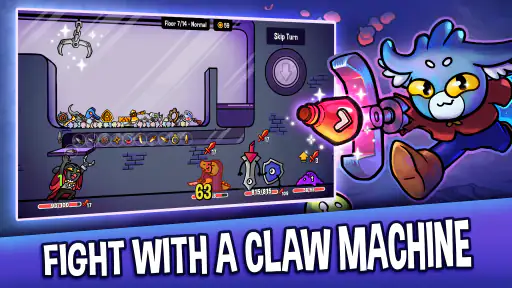
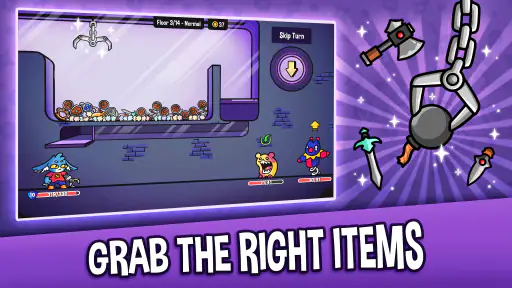
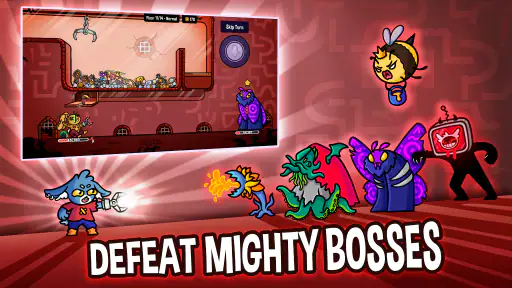
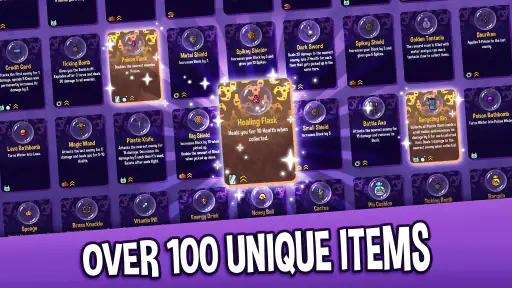
Analysis by Reviewed
I like mobile role-playing games that make a short decision feel consequential, and that is the part of Dungeon Clawler that keeps drawing me back. It combines dungeon crawling with roguelike runs and deckbuilding choices, so a session is less about following a fixed route and more about seeing how well I can adapt. The appeal is in the loop: act, see what the choice does, take whatever reward fits, and decide whether I want another attempt.
Starting a Run and Learning the Rhythm
The first appeal is how quickly I can get into the action. I don’t need to set aside a whole evening before I can make a meaningful attempt; a short session can still give me a chance to test a decision and see how it plays out. That makes it an easy game to open during a quiet break, though I would avoid starting a run when I know I’ll have to put my phone away at any moment. The best moments come when I have enough time to follow a choice through and understand its consequences.
What I pay attention to is the relationship between a choice and the response it produces. The game’s roguelike and deckbuilding identity makes planning feel important, but dungeon crawling also asks me to adapt as the situation changes. I try not to judge a move only by its immediate payoff: an option that seems less exciting now may help shape a more dependable approach later. That kind of trade-off is satisfying if you enjoy thinking a few steps ahead, and less appealing if you want every action to deliver instant spectacle.
What Makes a Reward Feel Earned
The pleasure of a run is not just reaching the next obstacle; it is seeing whether the choices I made have left me better prepared for it. I find it useful to treat rewards as part of a plan rather than automatically picking whatever looks strongest at first glance. When an option supports the way I have been approaching the run, it can be more valuable than a tempting choice that pulls me in another direction. That small pause to compare possibilities gives the game more texture than a simple march from one fight to the next.
For a practical example, I would play a run on a commute only if I had a stretch of uninterrupted time, rather than starting as I was about to arrive. A pause between tasks is better suited to thinking through the next move or reflecting on what went wrong in the last attempt. If I lose, I try to identify one decision I would change instead of treating the whole run as wasted. That makes the reset feel like a reason to experiment, not merely a penalty for failing.
Its strongest draw is the way a run can turn a mistake into a useful lesson. I would recommend it most to players who like learning a system through repeated attempts, weighing options, and gradually getting a better feel for how to approach a challenge. If you mainly want a relaxed, predictable adventure with little pressure to reconsider your choices, this may not be the right fit. A more linear role-playing game is likely to suit you better.
Reading the Clues Between Decisions
One useful habit is to give each choice a quick purpose before selecting it: am I trying to make the current stretch safer, or am I accepting a short-term risk for a stronger later position? That question keeps me from treating every reward as an isolated upgrade. It also helps when a run is already going well; protecting a stable approach can be smarter than changing direction just because a new option looks exciting.
More From Our News Desk

Clash of Clans Is Won Between the Battles

Android Auto Makes the Case for Quieter Car Software

MobiOffice: Transforming Mobile Productivity with Seamless Integration

EA SPORTS FC™ Mobile Soccer: Redefining Mobile Sports Gaming

How Microsoft OneDrive Became a Mobile Productivity Giant

How Google Translate Breaks Language Barriers Effortlessly
I would also use early attempts as experiments rather than expecting every run to become a successful one. Try a different way of evaluating choices, notice which decisions create trouble, and carry that lesson into the next attempt. The benefit is not that every mistake is secretly a win, but that a loss can leave me with a clearer idea of what I want to test. If I am tired or rushing, though, I make poorer comparisons, and the game’s strategic side loses some of its appeal.
That makes the game a better fit for a small, deliberate window than for distracted play. A quiet lunch break or a relaxed stretch at home gives me room to follow the consequences of a choice. If I only have a moment before a meeting, I would rather wait than begin a run and leave it unfinished. Players who want a game that works equally well while barely paying attention may find this rhythm demanding.
How the Dungeon Run Holds Together
So, what's the deal with Dungeon Clawler? Well, imagine diving into a world filled with dark dungeons, dangerous creatures, and hidden treasures. Sounds exciting, right? That’s exactly what this game delivers, and it does so with a style that keeps you coming back for more. As soon as I opened the app, I was greeted with stunning graphics that really set the mood for the adventure ahead.
Gameplay that Hooks You In
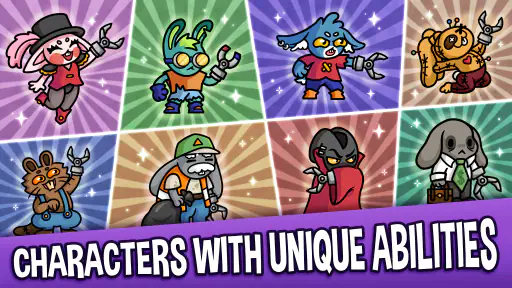
One of the things I love about this game is its engaging gameplay. It’s a mix of strategic planning and on-your-feet decision-making. You start by choosing your character, each with unique abilities that can turn the tide in battles. The dungeons are randomly generated, which means no two adventures are the same. This aspect keeps the game fresh and exciting every time you play!
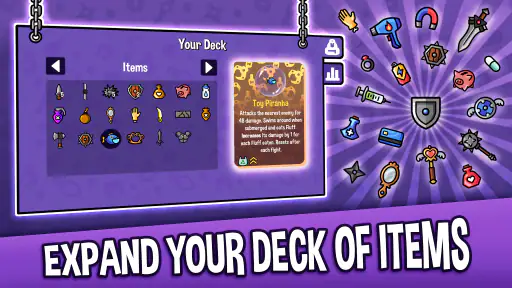
As you delve deeper into each dungeon, you're faced with a variety of monsters. Some are easy pickings, while others require a bit more thought and strategic planning. The thrill of finding rare items and treasures adds a rewarding element to the game. And let me tell you, when you finally defeat a tough boss after several attempts, it’s the kind of victory that makes you want to do a little dance of joy!
Choosing It Over a More Familiar RPG
Compared with a conventional role-playing game built around a steady story and a mostly fixed sequence of events, this one puts more weight on adapting from run to run. That difference matters more than the dungeon setting itself. I would choose it when I want to make compact tactical decisions and see how a run develops; I would choose a linear RPG when I want character and plot progression to carry me forward without repeatedly returning to a fresh attempt.
It also occupies a different space from a straightforward deckbuilder. The card-based planning is part of its identity, but the dungeon crawl gives those decisions a changing context. I find that combination appealing when I want strategy with a sense of place and danger. If I am looking for a pure card game where the main pleasure is building and tuning a deck, a focused deckbuilder may be the better match. Here, I need to be comfortable with the run as a whole, not just the composition of my options.
For someone new to roguelikes, I would not treat a failed first run as a verdict on whether the game is for them. It takes a little time to understand which choices support one another and when a tempting reward may not help the approach already taking shape. The best way in is to slow down, make one deliberate choice at a time, and notice what follows. Players who dislike restarting or want a clearly advancing story should know that this repeated-run structure may become a frustration rather than a hook.
A Few Things to Keep in Mind
While the game is undeniably fun, it does come with a learning curve. At first, I found myself getting lost in the dungeons more times than I'd like to admit. But once you get the hang of it, navigating through the dark corridors becomes second nature. Also, the game offers in-app purchases which can enhance your experience, but they’re not necessary to enjoy the core gameplay.
It is also worth considering the kind of replay loop you want. This is a paid role-playing game from Stray Fawn Studio, priced at $4.99, rather than a free download built around persuading you to return for daily rewards. The purchase makes more sense if you enjoy replaying runs and refining your decisions; it is harder to justify if you expect a long, guided story that steadily unfolds without asking you to start over. I’d think of it as a game to learn and revisit, not a one-and-done narrative.
The game is rated Everyone, and it has a 5.0 average from around 1.2 thousand ratings, with roughly 90 written reviews and over 5 thousand installs. It was released on November 21, 2024, and version 0.5.301 lists Android 5.1 as the minimum operating system. Those details help set expectations, but they don’t answer the more useful question: will its style suit you? If you like turn-based planning, deckbuilding decisions, and the uncertainty of a dungeon run, the combination has a clear appeal. If you prefer direct action, a fixed map, or a story that does not reset its momentum, I’d look elsewhere.
Who Will Enjoy the Reset
I think the strongest audience is someone who enjoys a game they can learn rather than simply finish. If you like asking why one attempt held together and another fell apart, there is a satisfying reason to return. The game’s appeal is less about keeping a perfect record and more about becoming a more thoughtful player. That can be rewarding for fans of roguelikes who appreciate adaptation, and for deckbuilder players who want decisions attached to a broader dungeon adventure.
It is less suited to players who need a guaranteed sense of forward progress every time they play. A run can end before it feels complete, and the next attempt asks you to engage with the loop again. That is not a flaw for everyone, but it is the central trade-off. If I want a calm game that lets me make progress in tiny, interrupted bursts, I would pick something with a more persistent, linear structure instead.
For a realistic everyday session, I would open it after dinner when I have time to focus, not while multitasking through messages. I would make choices at a measured pace, let a run play out, and then decide whether I have the energy for another. The price is easiest to justify if that kind of replay is what I want: not a long narrative to consume once, but a system I can revisit and understand better. On Android, the listed minimum is version 5.1, while the age classification is Everyone, so it is positioned as an accessible game for a broad audience.
Final Thoughts
In a nutshell, Dungeon Clawler is a fantastic game for anyone who enjoys a good adventure with a side of strategy. The graphics are immersive, the gameplay is challenging yet rewarding, and the overall experience is just plain fun. Whether you’re a seasoned gamer or someone new to the world of dungeon crawling, this game is sure to provide hours of entertainment. So, grab your sword, gather your courage, and dive into the depths of dungeon crawling. Happy adventuring!
My recommendation comes with one clear qualification: choose it for the pleasure of making decisions and trying again, not because you expect an uninterrupted story or effortless action. The mix of dungeon exploration, deckbuilding, and roguelike uncertainty gives each attempt a reason to be considered on its own. When I have a little time and attention to spare, that loop makes another run tempting; when I want something predictable, I would reach for a different kind of RPG.
Dungeon Clawler Frequently Asked Questions
Is Dungeon Clawler suitable for casual play, or does it require long sessions?
Dungeon Clawler is a role-playing game built around a mix of roguelike, deckbuilding, and dungeon-crawling mechanics, so it suits players who enjoy making choices as they explore and progress. You can approach it at your own pace, but its strategic elements may appeal most to players who like thinking through their moves rather than expecting a purely passive experience.
What is Dungeon Clawler about?
Dungeon Clawler is an immersive dungeon-crawling RPG game that challenges players to explore mysterious dungeons filled with treacherous monsters, hidden treasures, and complex puzzles. Players must strategically navigate through various levels, upgrade their characters, and use tactical combat skills to defeat formidable bosses and uncover the secrets within the dungeon. Its distinctive appeal comes from blending roguelike, deckbuilder, and dungeon crawler mechanics into one adventure.
What platforms is Dungeon Clawler available on?
Dungeon Clawler is available for both Android and iOS devices. Players can download the game from the Google Play Store or the Apple App Store, making it easily accessible for a wide range of mobile users. The game is optimized for mobile play, offering a seamless and engaging experience on smartphones and tablets. Android users should check that their device runs Android 5.1 or later before downloading.
Is Dungeon Clawler free to play?
Dungeon Clawler is a paid game, listed at $4.99, rather than a free download. The price is worth considering before installing, especially if you are comparing it with free-to-play role-playing games. Its premise combines roguelike, deckbuilder, and dungeon-crawling mechanics, which may suit players looking for a game centered on strategic exploration.
What are the key features of Dungeon Clawler?
Dungeon Clawler boasts a variety of key features that enhance the gameplay experience. These include procedurally generated dungeons for endless exploration, a diverse array of monsters and bosses with unique abilities, customizable character classes, and an engaging storyline. The game also includes regular updates that introduce new content, keeping the experience fresh and exciting. Its core identity is a unique blend of roguelike, deckbuilder, and dungeon crawler mechanics.
Pros
- Immersive graphics and sound effects.
- Wide variety of challenging levels.
- Intuitive and smooth controls.
- Regular updates with new content.
- Engaging storyline with unique characters.
Cons
- In-app purchases can be costly.
- Requires constant internet connection.
- Occasional lag on older devices.
- Limited offline gameplay options.
- Ads can be intrusive at times.

- Category
- Role Playing
- Version
- 0.5.301