Don't Starve Together
- 121.00
- 4.0
- Installs
- 10.00K
- Price
- $9.99

Screenshots
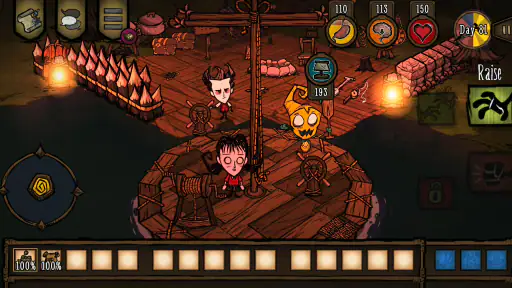
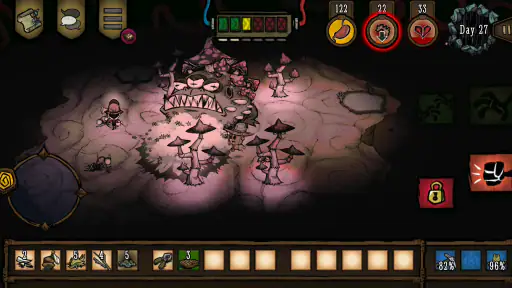
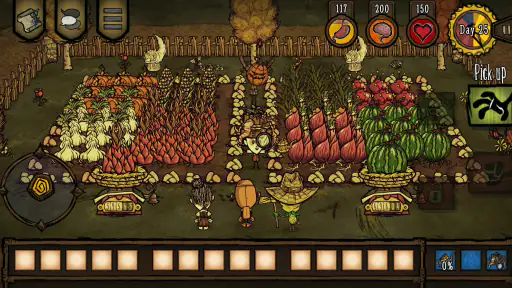
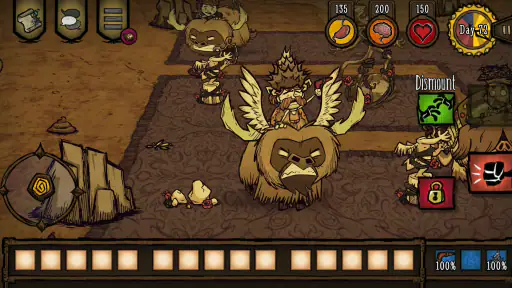
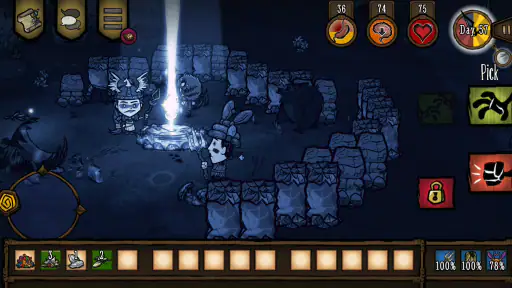
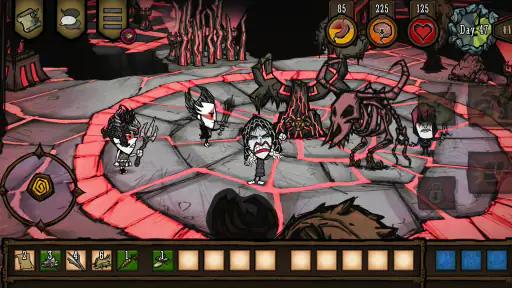
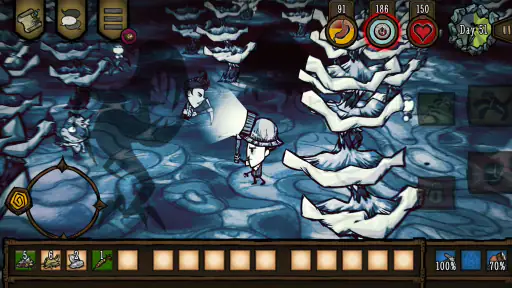
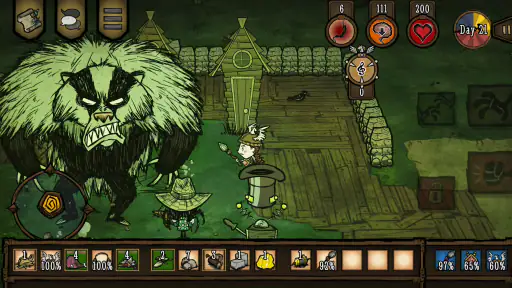
Analysis by Reviewed
I approached Don't Starve Together as the kind of adventure game that asks for patience rather than quick, disposable play. Developed by Playdigious, it brings a multiplayer survival experience to mobile for players who enjoy learning through danger, planning around limited resources, and making decisions that can go wrong in entertaining ways. My first impression was not that it tries to be a relaxing time-filler. It feels better suited to a player who wants a world to study, a character to protect, and a small group of friends to coordinate with.
The mobile edition is listed at $9.99, carries a Teen content rating, and has reached over ten thousand installs. Its average is 4.0 from around 2.6 thousand ratings, with more than a hundred written reviews, so there is a meaningful amount of player feedback without suggesting that it is one of the most widely played mobile games. The current version is 1.4.0, and it requires Android 8.0 or newer. Those details matter because this is a paid game with a more demanding commitment than a free game you open for five minutes and forget.
How the game feels when survival starts to get busy
The opening hours are where I felt the strongest pull. You are not simply moving from one objective marker to the next. You are trying to understand what the environment is offering, what should be collected immediately, and what can safely wait. That creates a slower rhythm than a conventional action adventure, but it also gives every successful day a sense of achievement. The game’s unusual visual style makes the danger memorable, while the survival structure keeps ordinary decisions meaningful.
In a multiplayer session, the pace depends heavily on how well the group divides its attention. One player may focus on gathering, another on exploring, and another on preparing for the next difficult stretch. That cooperation can make progress feel surprisingly efficient when everyone communicates. It can also make a session feel scattered when players rush in different directions without a shared plan. I found that the game rewards a simple agreement before setting out: decide who is carrying out a task, where the group will regroup, and what resources are too valuable to risk.
That is one of the less obvious strengths of this release. The best improvement in perceived speed often comes from better decisions, not faster controls. If you leave without a clear purpose, the world can feel slow because you spend time retracing steps or recovering from avoidable mistakes. If you prepare first, the same session becomes much more fluid. I would not recommend judging the game during a rushed first attempt, because its pace only makes sense after you understand how much planning it expects.
The mobile format is particularly suitable for players who already know they enjoy survival games. Newcomers may initially wonder why progress feels fragile or why a small error has such a large effect on the next part of the adventure. The answer is that the game treats survival as a chain of choices rather than a background system. Learning what to do before trouble arrives is more important than reacting at the last second.
What happens during heavy-use moments
The busiest moments are not limited to combat. A session can become demanding when several players are moving through the world, collecting supplies, making decisions, and responding to threats at the same time. Multiplayer adds a social layer to every problem: a mistake affects more than one person, and a successful plan can save the entire group from repeating work. I enjoyed that pressure, although it means the game is less forgiving of distracted play than many mobile adventures.
A realistic everyday use case would be a short evening session with two friends. Instead of expecting a complete story arc, the group can choose one manageable goal, such as improving its position, preparing for a dangerous period, or exploring an area that has been left untouched. That approach makes the game easier to fit around real life. Trying to accomplish everything in one sitting is where the experience becomes tiring, especially if the group spends too long recovering from a poor decision.
My practical advice is to treat preparation as part of the adventure, not as time lost before the fun begins. Before a risky trip, make sure the team has a clear reason for going and a plan for returning. Keep the group’s priorities narrow. In my experience, this reduces the feeling that the game is dragging and makes failures easier to understand. When something goes wrong, ask whether the problem came from a lack of supplies, poor timing, or unclear communication. That turns a setback into useful information instead of simple frustration.
Another trade-off appears when players have different experience levels. A veteran may want to push into danger while a new player is still learning the basics of survival. The game can be enjoyable for both, but only if the experienced player avoids taking over every decision. Letting a newcomer handle a limited responsibility is more rewarding than giving constant instructions. It also helps the group discover which tasks each person actually enjoys.
The $2.99 to $49.99 range for individual in-app purchases is worth noticing alongside the upfront price. I would approach those optional purchases carefully and decide in advance whether the base game already offers the experience you want. A paid survival game is easier to evaluate when you separate the initial cost from any later spending. For players who dislike in-app purchase systems, that structure may be a reason to compare alternatives before committing.
Reliability, recovery, and the cost of a mistake
My view of reliability here is tied less to constant action and more to how confidently you can continue a session after something goes wrong. Survival games naturally create tense moments, but the experience becomes unpleasant when a player feels that every mistake erases too much progress. Don't Starve Together is most enjoyable when you accept that recovery is part of the loop. You need to think about how to rebuild momentum rather than expecting every expedition to end successfully.
That recovery mindset is especially important in multiplayer. A failed attempt can leave the group divided between players who want to try again immediately and players who prefer to stabilize first. I found that the second approach is usually healthier. Reorganize, identify what caused the failure, and choose a smaller objective before attempting another major push. This makes the game feel more reliable in practice because the group is controlling its own risk instead of repeatedly charging into the same problem.
The game’s Teen rating also gives a useful expectation about its tone. This is not a gentle, child-focused survival experience. The atmosphere can be strange and unsettling, and the consequences of poor choices are part of its identity. I would be comfortable recommending it to older teenagers and adults who enjoy stylized danger, but I would not present it as a universally suitable family game simply because it uses a distinctive art style.
One hidden strength is that the game encourages players to develop routines. Decide how you will begin a session, how you will prepare for exploration, and how you will respond when the group loses its advantage. These routines reduce mental clutter and make the experience easier to re-enter after a break. They also help answer a question many mobile players have: can I return after several days away without feeling completely lost? You can, provided you leave yourself a clear next step instead of ending on a chaotic moment.
I would still avoid promising perfect stability or identical performance on every phone. The available listing identifies the operating-system requirement, but it does not establish a universal performance result across different devices. My sensible expectation is to keep the game updated, close unnecessary background activity, and test a normal multiplayer session before planning a long evening around it. That is not a criticism unique to this title; a visually distinctive multiplayer survival game has more opportunities for strain than a simple offline puzzle.
Device limits and the mobile compromise
The minimum requirement of Android 8.0 or newer makes the game accessible to a broad range of Android devices, but operating-system compatibility should not be confused with identical hardware capability. Older phones may technically meet the requirement while offering a less comfortable experience than newer models. Screen size, touch responsiveness, battery condition, and available free storage can all affect how pleasant a session feels, even when the game launches normally.
Touch controls are another important part of the decision. A survival game asks you to inspect the environment, move carefully, manage priorities, and react when conditions change. On a phone, those actions compete with a smaller screen and a less tactile control surface than a console controller or keyboard. I would prefer playing on a larger mobile display, especially during multiplayer sessions when the screen is busy and quick decisions matter. Players with smaller phones should expect a more compressed interface experience.
For performance-conscious users, the best test is not the first few minutes in a quiet area. Try a session that includes exploration, several active players, and the kind of busy situation where you would normally make decisions quickly. That reveals more about perceived responsiveness than a calm opening. If the game feels comfortable during that test, it is more likely to suit your routine. If the controls already feel crowded, no amount of enthusiasm for the setting will completely remove that friction.
Battery use is also a practical concern for long sessions, although the available product details do not establish a fixed drain rate. I would treat this as a game to play near a charger when settling in for a substantial multiplayer run. That may sound obvious, but survival games encourage “one more task,” and those extra minutes can turn a short session into a long one. A device with a worn battery is less suitable than a newer phone or tablet, particularly if you plan to play with friends regularly.
The paid model changes how I judge that device compromise. Because you pay $9.99 before settling into the game, I would not buy it casually for a phone that barely meets the system requirement or has unreliable touch input. A free alternative is easier to abandon if it feels uncomfortable. Here, the wiser workflow is to confirm that your device is supported, consider whether you have a large enough screen, and think honestly about whether you enjoy slow preparation as much as exciting discoveries.
Who should choose it over simpler alternatives?
Compared with a straightforward single-player adventure, this game asks you to manage more uncertainty and accept more responsibility for your own progress. If you want a clear route, frequent rewards, and a story that keeps moving even when you make poor choices, a conventional adventure may be a better fit. If you want a quick arcade session, this is also unlikely to be the right choice. Its appeal comes from systems interacting over time and from the stories that emerge when a group survives a difficult situation together.
Compared with other survival games, the multiplayer focus changes the emotional balance. You are not only optimizing your own character or base of operations; you are negotiating priorities with other people. That makes teamwork a genuine feature rather than a decorative option. It also creates the game’s biggest social weakness: a group with incompatible schedules or communication habits may get less from it than a smaller, more coordinated team.
I would recommend it to someone who enjoys learning through failure, likes unusual atmosphere, and has friends willing to commit to a shared survival routine. I would skip it if you dislike losing progress, prefer predictable difficulty, or mainly play on a small older phone during short commutes. The Teen rating, the upfront cost, and the additional in-app purchase range all reinforce the same conclusion: this is a specific kind of purchase, not a safe recommendation for every mobile player.
Playdigious has chosen a challenging game to bring to mobile, and that makes the quality of the adaptation especially important. The current 1.4.0 release gives prospective players a clear version reference, but I would still keep expectations realistic about how the game feels across different devices. A strong connection with friends and a suitable screen can matter just as much as raw technical compatibility. The best experience comes when the mobile device disappears into the background and the group can concentrate on its next decision.
My final performance verdict
After considering speed, busy moments, recovery, and device constraints, I see Don't Starve Together as a demanding but distinctive adventure rather than an effortless mobile time-killer. Its perceived speed improves when players plan, divide responsibilities, and choose achievable goals. Its busiest moments are also its most memorable, but they require a device and control setup that can keep up with the group’s decisions. Recovery is not an inconvenience added around the game; it is one of the main ways the game creates tension and satisfaction.
The 4.0 average suggests a generally positive reception with room for personal disagreement, and that matches my own balanced view. I like the atmosphere, the cooperative problem-solving, and the way ordinary preparation can become meaningful. I am less enthusiastic about the commitment required from both the player and the device. The purchase price and possible later spending mean you should know what kind of survival experience you want before installing it.
My recommendation is simple: choose it if you can play on a reasonably comfortable Android device, have at least one dependable partner, and enjoy turning mistakes into better plans. Start with modest goals, establish a group routine, and judge the game after you have experienced a genuinely busy session rather than only the opening. For the right player, that process reveals a tense, funny, and unusually personal multiplayer adventure. For everyone else, a lighter or more immediately accessible alternative will probably be the better use of both money and time.
Pros
- Distinctive hand-drawn art style creates a memorable survival atmosphere.
- Constant danger keeps exploration and resource management engaging.
- Many playable characters offer different abilities and survival strategies.
- Seasonal changes and world events add variety to each playthrough.
- Dedicated servers support long-term multiplayer worlds with friends.
Cons
- Steep learning curve can make the first hours confusing and unforgiving.
- Death may erase significant progress
- especially without suitable world settings.
- Some character abilities are difficult to understand without outside guides.
- Long sessions are often needed to gather resources and establish a base.
- Performance may decline in busy worlds filled with structures and creatures.

- Category
- Adventure
- Version
- 1.4.0