CubeCrafter
- 1.72K
- 4.5
- Installs
- 10.00M
- Price
- Free

Screenshots
Analysis by Reviewed
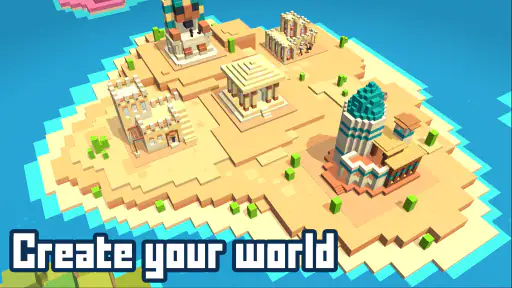
I like the idea behind CubeCrafter: it turns gathering block-shaped materials into a relaxed building loop, with enough resource planning to give each session a purpose. It is a role-playing game from SayGames Ltd, but its appeal is less about dense character systems and more about gradually shaping a world. I’d recommend it to players who enjoy making things at their own pace, while anyone looking for a story-heavy adventure or precise sandbox controls may be happier elsewhere.
Why the Small Goals Work
The main pleasure I get from this style of game is not a single dramatic event; it is the link between effort and a visible result. A resource gathered now can become part of a structure later, so even a small session has a natural shape: set a modest aim, work toward it, and leave the world a little different. That sense of continuity is a better reason to play than expecting a constant stream of surprises.
It also gives the game a useful place in a crowded mobile routine. If I have only a short break, I can focus on collecting what I need for one immediate task rather than trying to make a sweeping plan for the whole world. When I have more time, I can think about what to build next and gather with that longer goal in mind. This is a forgiving approach for someone who wants to dip in and out, though it will not satisfy a player who needs every visit to deliver a new plot beat or a major unlock.
Getting Started with CubeCrafter
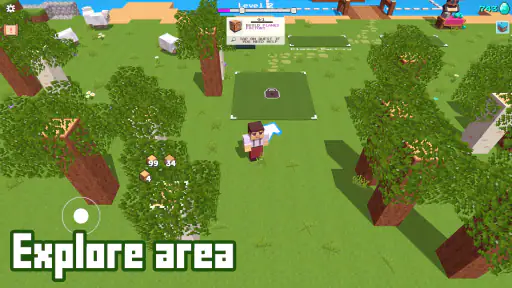
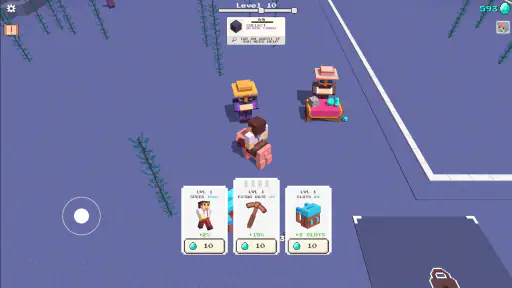
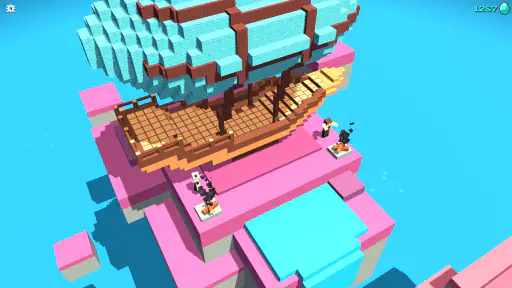
Upon launching CubeCrafter, the first thing that hit me was the charmingly simplistic graphics. It’s not trying to be anything it’s not, and that’s part of its charm. The interface is user-friendly, making it easy for both newbies and seasoned gamers to navigate through the game without a hitch. You start with some basic tools and resources, and from there, it’s all about creativity and strategy.
The Art of Crafting
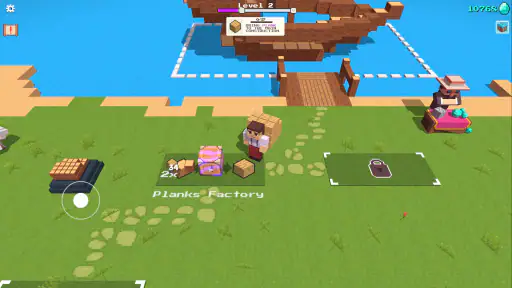
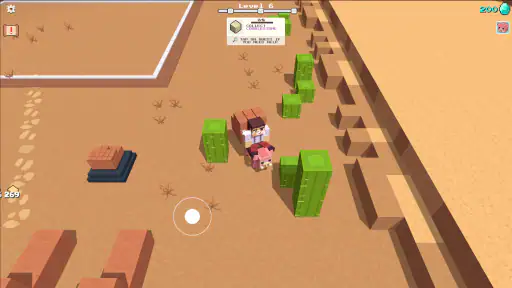
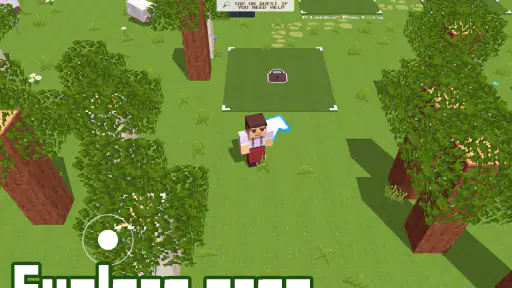
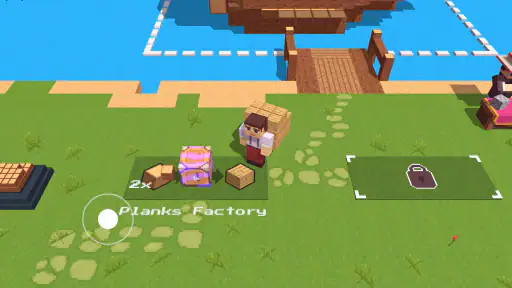
Crafting in this game is both intuitive and rewarding. You gather resources scattered throughout the world, and with a bit of ingenuity, you can construct some pretty neat stuff. From basic shelters to more complex structures, your only limit is your imagination. I found myself spending hours just experimenting with different materials and designs. And let me tell you, nothing beats the satisfaction of seeing your creation come to life!
There’s a useful rhythm to the resource loop: decide what you want to build, collect what that project needs, then return to making progress rather than wandering without a goal. I found it helps to keep one modest construction target in mind instead of trying to expand everything at once. That makes short visits feel satisfying, and it also makes it easier to notice which materials are slowing you down. The trade-off is that gathering can feel repetitive if you want every session to introduce a brand-new activity.
Making Progress Without Turning It into a Chore
For a more deliberate play session, I’d treat material gathering like a short shopping list rather than an open-ended grind. Before setting off, decide which project matters next and keep that goal in view. If you collect everything that catches your attention, you can spend time accumulating supplies without feeling closer to a finished structure. A focused target gives the trip a clear endpoint and makes it easier to stop when you have done enough.
More From Our News Desk

Clash of Clans Is Won Between the Battles

Android Auto Makes the Case for Quieter Car Software

MobiOffice: Transforming Mobile Productivity with Seamless Integration

EA SPORTS FC™ Mobile Soccer: Redefining Mobile Sports Gaming

How Microsoft OneDrive Became a Mobile Productivity Giant

How Google Translate Breaks Language Barriers Effortlessly
There is a small but important trade-off here: planning helps, but overplanning can drain the relaxed feel. I would not try to map out a huge construction project before I understand what materials I can gather comfortably. Start with a manageable idea, see what the collection loop asks of you, and adjust the next goal accordingly. That approach is especially useful for a new player who wants to learn the pace without turning the early game into a checklist.
It is also worth thinking about the difference between progress and variety. A session can be productive because it advances a structure, even if the activity itself resembles the previous visit. Players who enjoy watching a place gradually take shape may find that repetition reassuring. Players who rely on frequent changes of scenery, new mechanics, or a strong narrative push may find the same repetition tiring. I would decide which side of that divide sounds more like me before expecting the crafting loop to carry a long play session.
Challenges and Adventures
Now, it’s not all crafting and building. CubeCrafter throws in some challenges that keep you on your toes. From resource management to fending off pesky creatures, there’s always something to keep you engaged. The game strikes a nice balance between leisure and challenge, making it perfect for both casual play and more intense gaming sessions.
That balance suits an everyday pause particularly well: I can imagine opening it after dinner, collecting a few needed blocks, and finishing a small structure before putting my phone away. If I had a longer stretch of free time, I’d use it to plan a more ambitious build and gather supplies deliberately. The key is not to treat every session as a race to unlock or complete something; the appeal is in the incremental work. Players who dislike repeating resource-gathering tasks, or who want a tightly directed campaign, should know that this kind of loop may wear thin.
How It Fits Among Building Games
Compared with open-ended construction sandboxes, this game puts more emphasis on the gather-and-craft cycle than on unrestricted design tools. That can make it easier to pick up when I want clear, immediate goals, but it is less suited to someone seeking elaborate building controls or a deep simulation. It also differs from story-led role-playing games: the satisfaction here comes chiefly from turning collected materials into visible progress, not following a complex plot. I’d choose it over a more demanding sandbox for a casual break, but choose that sandbox when detailed creative control matters most.
A practical tip is to choose a single next project before collecting resources. It gives each trip a purpose and helps prevent a stockpile of materials that you do not immediately need. I’d also avoid judging the game by the first few minutes alone: the core pleasure comes from seeing small efforts accumulate into structures, rather than from an elaborate opening spectacle. Those preferences matter more than whether you consider yourself a dedicated role-playing fan.
The comparison with other mobile builders is useful because those games can make very different promises. Some focus on unrestricted placement and treat the player as a designer first. Others lean on a long quest or a cast of characters to pull the player from one objective to another. This one, as I see it, is a more approachable middle ground: there is a reason to gather and a reason to craft, but the appeal is the tangible work of shaping a world rather than mastering a detailed construction toolkit or following a dense storyline.
That makes it a sensible choice when I want direction without a demanding campaign. It is also a poor substitute for a sandbox if I care most about precise architectural control, and a poor substitute for a narrative role-playing game if I want character decisions to carry the experience. I would compare it less on the number of systems it offers and more on whether its repeated gather-build rhythm fits the way I actually use my phone. For short, low-pressure visits, that focus is a strength; for players who want a deep project to obsess over, it may feel limited.
Who Will Get the Most from It
This is a good fit for players who like visible progress, simple crafting decisions, and a world they can shape in manageable steps. Its Everyone age rating also makes it broadly approachable, though younger players may still need a grown-up to help assess optional purchases. The game is free to download, with in-app purchases ranging from $1.99 to $29.99 per item, so I’d treat spending as optional and decide on a limit before making any purchase. It has a 4.5 average from around 104,000 ratings and over 10 million installs, signs of a sizeable audience without making it automatically right for every player.
On Android, the current version is 1.17.11 and requires Android 8.0 or later. It was released on August 4, 2022, and has around 1,700 written reviews. Those details make it easier to check whether it suits a device and to understand its established player base. I would skip it if I mainly wanted competitive multiplayer, a detailed narrative, or a building game where every object can be placed with fine-grained precision; the appeal is the accessible crafting routine, not those deeper systems.
Spending, Pace, and Picking the Right Session
Because the game costs nothing to download but offers optional purchases, I would approach the purchase screen with the same restraint I use for the resource loop: decide what I want before I act. A free entry point is convenient, but it does not mean every optional item is necessary to enjoy the basic premise. If I am trying the game for the first time, I would first see whether gathering and constructing hold my attention. Spending cannot fix a mismatch between the game’s steady pace and a player’s preference for constant novelty.
For parents or anyone sharing a device with a younger player, that distinction is practical. The Everyone age rating indicates broad suitability, but it is still sensible to discuss in-app purchases and agree on a boundary before play. I would not assume that an accessible presentation removes the need to pay attention to optional spending. The simplest plan is to treat purchases as a choice rather than a requirement and to make that expectation clear from the start.
A useful everyday routine is to make each visit answer one question: what is the next small thing I want to finish? After dinner, that might mean gathering a few needed blocks and completing a modest structure. During a longer weekend break, it could mean setting a larger goal and taking the time to collect materials more deliberately. If I cannot name a next step, I would either explore casually without expecting rapid progress or close the game and return when I feel like building again. That is a better fit than forcing play just to keep a streak of activity going.
A Relaxed Builder with Clear Limits
So, why should you give CubeCrafter a shot? Well, for starters, it’s incredibly addictive. The blend of creativity, strategy, and adventure is a winning combination. Plus, the community aspect is a huge bonus. You can share your creations with friends or even collaborate on projects, which adds a whole new layer of fun.
I would soften that enthusiasm with one caveat: the game’s appeal depends on enjoying its particular loop, not simply liking the idea of building. If resource gathering feels like a hurdle rather than part of the pleasure, the finished structures may not be enough to make the routine worthwhile. Likewise, the simple presentation is an advantage for clarity, but it is not the visual spectacle some players want from a mobile role-playing game. I see it as an accessible, unshowy builder rather than a deep or technically demanding one.
There is also a difference between having creative intent and wanting exact control. If my goal is to make a carefully designed layout, with close attention to every placement, I would look for a sandbox built around detailed construction. If I want the easier satisfaction of gathering materials and watching a world develop in steps, this is the better match. The distinction is more useful than a general claim that one kind of game is better: the right choice depends on whether I want to design freely or earn each new piece of progress through a straightforward loop.
For a first try, I would keep expectations modest and give the core activity a fair chance. Pick a small structure, collect with that purpose, and see whether the trip from materials to finished work feels satisfying. If it does, the game has a natural reason to return to; if the gathering already feels like busywork, there is little reason to push through just because building sounds appealing in theory. That quick test can tell a prospective player more than judging the graphics or the role-playing label alone.
In conclusion, if you’re looking for a game that offers both relaxation and a bit of a challenge, CubeCrafter might just be what you need. It’s one of those games that you can pick up and play whenever, whether you have a few minutes or a few hours to spare. Happy crafting, folks!
My Verdict
I would recommend it to someone who wants a gentle, goal-oriented building game that fits into spare moments and rewards steady effort. It is especially appealing if collecting materials feels like a satisfying part of making something, rather than an obstacle to the creative part. Its free download makes it easy to test that preference for yourself, while the optional purchases are worth treating as a separate decision rather than a reason to rush.
I would steer a friend elsewhere if they wanted a rich plot, competitive play, complex character progression, or the fine control of a serious construction sandbox. For everyone else, the best way to judge it is simple: try a small project and notice whether the gathering-to-building cycle leaves you pleased with the time spent. When that modest loop clicks, this is a pleasant game to return to; when it does not, its central appeal is unlikely to change into something more elaborate.
CubeCrafter Frequently Asked Questions
Is CubeCrafter a good fit if I prefer relaxed, creative games?
CubeCrafter focuses on gathering block-shaped resources, crafting, and creating structures, making it a natural choice for players who enjoy gradual progress and hands-on building. The central loop is easy to understand: collect resources and use them to develop your world. If you prefer creativity and steady development over a more action-focused experience, its premise may appeal to you.
How much storage space should I set aside before downloading CubeCrafter?
It is sensible to check the available storage on your phone before installing any game, especially if you keep many apps, photos, or other files on the device. CubeCrafter is a mobile role-playing game built around gathering resources and crafting structures. Keeping some free space can also make it easier to install updates later, so you are not forced to remove something at the last minute.
What kind of experience does CubeCrafter offer to new players?
CubeCrafter is a role-playing game centered on gathering block-shaped resources, crafting, and creating structures. Its straightforward building premise makes it approachable for players who enjoy shaping a world at their own pace, while the resource-gathering loop gives them a reason to keep developing what they have made. It is free to download, with optional in-app purchases.
Who developed CubeCrafter, and what should I know about its reception?
CubeCrafter is developed by SayGames Ltd. It has an average rating of 4.5 from around 104,000 ratings, with roughly 1,700 written reviews. Those figures suggest that many players have tried it and shared feedback, though individual enjoyment will depend on whether you like collecting resources and building with blocks. The game has reached over 10 million installs.
What is CubeCrafter and how does it work?
CubeCrafter is a creative sandbox game that allows players to build, explore, and design in a 3D block-based world. Players can gather resources, craft tools, and construct structures using blocks of various materials. The game encourages creativity and imagination, offering both single-player and multiplayer modes to engage players in endless building possibilities.
Pros
- Highly addictive gameplay.
- Intuitive controls enhance user experience.
- Vibrant graphics and design.
- Regular updates with new features.
- Supports multiplayer mode.
Cons
- In-app purchases can be costly.
- Requires constant internet connection.
- Occasional lag on older devices.
- Limited offline content.
- Battery drains quickly during play.

- Category
- Role Playing
- Version
- 1.17.11