Corebound
- 2.21K
- 4.8
- Installs
- 1.00M
- Price
- Free

Screenshots
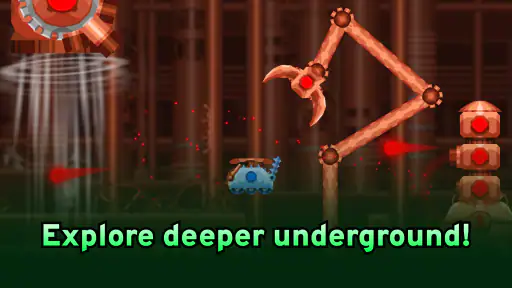

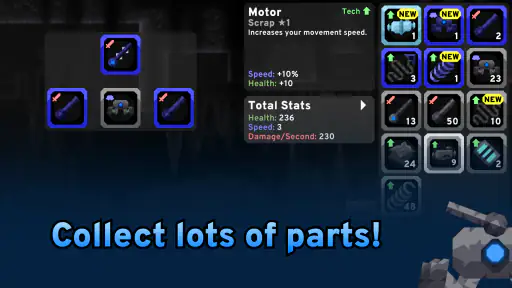
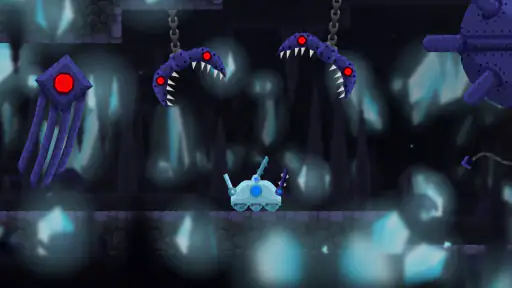
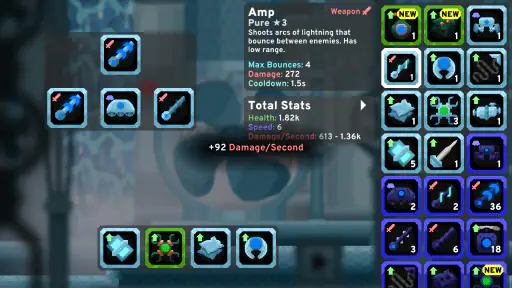


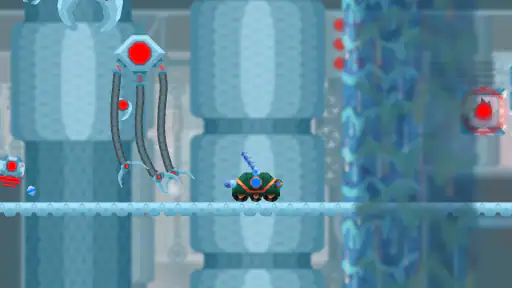
Analysis by Reviewed
Corebound is the kind of action game that makes a strong first impression because its central loop is immediately understandable: I move into danger, destroy robots, gather what they leave behind, and use those parts to make my character more capable. After spending time with it, I found that the real question is not whether the opening is enjoyable. It is whether that simple loop continues to feel purposeful once the novelty of breaking machines apart has worn off.
My first-week experience was positive. The game is easy to approach, quick to understand, and well suited to short sessions when I want something active rather than a slow strategy game or a story-heavy adventure. Overcurve has kept the concept focused, which helps the action feel direct instead of buried under unnecessary systems. At the same time, that focus means the game depends heavily on the satisfaction of its combat and upgrade rhythm. If that rhythm does not click with you, there is not much else here to distract from it.
How Corebound holds up beyond the first sessions
The first week is built around a clear reward loop
The opening hours work because every encounter has an obvious purpose. Robots are not just targets to clear from the screen; they are also a source of parts, and those parts feed the next improvement. I like this kind of structure when it is handled cleanly, because it gives even a short play session a beginning, middle, and small payoff. I can start with a modest goal, fight through a few encounters, collect useful materials, and finish feeling that the next attempt should be stronger.
The action category is a good fit for the idea. Corebound does not ask me to spend a long time learning complicated menus before I can enjoy myself. The immediate appeal comes from movement, timing, target selection, and the anticipation of what a successful fight will provide. That makes it approachable for someone who wants an Android action game that can be picked up without a large commitment to narrative or world-building.
The first-week strength is also its first-week risk. The basic loop becomes familiar quickly. Destroying robots and collecting their parts is satisfying when each upgrade changes how I approach the next fight, but less exciting when improvements begin to feel like routine maintenance. I recommend paying attention to that feeling early. If the process of choosing an upgrade gives you a new tactical reason to play, the game has a good chance of staying interesting. If you are only collecting because the game places another reward in front of you, the appeal may fade sooner.
One useful habit is to avoid treating every session as a race toward the largest possible collection. I found the loop more enjoyable when I set a small objective, such as testing whether a particular improvement made difficult encounters more manageable. That turns the upgrade screen into a decision point rather than a vending machine. It also helps reveal whether the game is giving you meaningful control over your progress or simply asking you to repeat the same activity for a bigger number.
What the upgrade loop means in everyday play
A realistic use case is a short evening break. I might have enough time for one focused session but not enough patience for a game that requires remembering a complicated plot or rebuilding a large base. Corebound fits that moment well: I can return to the action, collect parts, improve my character, and stop after reaching a natural point. The game’s free entry also makes it easy to try without deciding immediately whether it deserves a permanent place on the phone.
That convenience does not mean every player will experience the same value. Someone who enjoys constant variety, deep character customization, or a large social component may find the central loop narrow. Corebound is better suited to players who enjoy repeating a familiar action pattern while gradually becoming more effective. It is less suitable for anyone who needs every session to introduce a radically different activity.
The game is listed for Everyone, which makes its presentation broadly approachable, but an age label does not guarantee that every player will enjoy its repetition. Younger players may appreciate the simple goal and direct rewards, while adults looking for a demanding action challenge should judge it by the combat depth they personally want rather than by the accessible rating. I would treat the age guidance as a sign of broad suitability, not as a promise that the game is equally compelling for every age group.
Month-to-month value depends on meaningful reasons to return
After the first burst of discovery, a game needs a dependable reason to come back. In Corebound, that reason is the relationship between combat performance and collected parts. The loop has lasting potential because improvement can make familiar encounters feel different: a stronger character may let me take a bolder route, recover from mistakes, or pursue targets that previously felt inefficient. The important point is that the upgrade should affect decisions, not only reduce the time needed to repeat them.
I would approach month-to-month play with a practical test. After an upgrade, ask whether you are playing differently or merely finishing the same activity faster. If your choices change, the progression is doing useful work. If the only noticeable result is that the same robot takes fewer hits, the game may still be pleasant, but its long-term value becomes more dependent on your tolerance for repetition.
This is where Corebound differs from many alternatives in the action category. A purely score-focused action game can deliver excitement through competition, while a story-driven game can pull me forward with unanswered questions. Corebound instead places its weight on personal growth through parts and upgrades. That can feel more relaxing than chasing a leaderboard and less demanding than following a long campaign, but it also gives the game fewer ways to refresh itself when the combat loop starts feeling familiar.
The game has reached over a million installs and carries a 4.8 average from around thirty-nine thousand ratings, with roughly two thousand reviews. Those figures suggest that the straightforward concept has connected with a substantial audience. I still would not read popularity as proof of endless variety. For a prospective player, the more useful interpretation is that the basic formula is easy to understand and broadly appealing, while the question of long-term retention remains personal: do you enjoy the process of turning collected parts into better performance?
For month-to-month use, I would also keep expectations realistic about the role of progression. A game can be rewarding without becoming a daily habit, and Corebound may work best as a dependable occasional action game rather than something that replaces every other game on your device. I prefer that approach when a title has a compact core. Returning when I actually want its particular style of play keeps the loop from becoming a chore.
The maintenance burden is low, but repetition still needs managing
Corebound is not difficult to maintain in the way a large management game can be. I do not need to track a sprawling roster, balance a complicated economy, or remember a long list of objectives before I can play. The main maintenance task is mental: deciding when another upgrade is worth pursuing and recognizing when I am repeating a session out of habit rather than enjoyment.
That makes it a convenient choice for people who want an action game with a small amount of ongoing commitment. I can play in bursts and return without feeling that I have neglected a virtual obligation. This is an important strength compared with games built around constant check-ins, extensive daily tasks, or elaborate collections that demand regular attention. Corebound’s appeal is more self-contained.
There is still a maintenance cost if you want to get the most from the progression. I recommend keeping a simple personal rule: before beginning a session, choose whether you are playing for parts, testing an upgrade, or simply relaxing. That small distinction prevents the loop from becoming an unfocused grind. If you know what you want from the session, the same combat encounters feel more purposeful.
Another practical tip is to judge upgrades by reliability rather than immediate excitement. A flashy improvement may feel rewarding, but a less dramatic change that helps you survive mistakes or handle a recurring threat can provide more value over several sessions. Since the game’s long-term appeal rests on becoming more capable, I would prioritize upgrades that improve consistency. This is especially useful for players who prefer controlled progress over risky experimentation.
The current version is 1.2.0.1, and the game runs on Android versions from 7.1 onward. That broad compatibility makes it a reasonable option for people using an older supported phone, although the experience will naturally depend on the device’s general performance and screen comfort. I would be especially mindful of controls and visibility on a smaller display, because action games can feel more demanding when targets and movement compete for limited space.
Where fatigue begins after the novelty fades
The main source of fatigue is structural rather than technical: the same three-part pattern remains at the center of play. I destroy robots, collect parts, and upgrade myself. That clarity is a strength at the beginning, but it can become predictable when I no longer feel curious about the next encounter or improvement. The game needs my interest in refinement to compensate for the limited shape of the loop.
Fatigue is more likely for players who have already spent a lot of time with action games built around repeated waves, loot collection, or incremental power. Those players may recognize the rhythm immediately and may want more variety before committing to long-term play. By contrast, someone new to this style may find the same simplicity refreshing because it removes the learning burden found in more complex alternatives.
In-app purchases range from $4.99 to $49.99 per item, so the free starting point should be viewed as an opportunity to evaluate the game rather than an automatic guarantee of a completely cost-free long-term experience. My advice is straightforward: play long enough to decide whether the core loop is enjoyable without relying on purchases to create motivation. If the action is already satisfying, optional spending becomes a personal choice. If the game feels repetitive before spending, paying more is unlikely to solve the underlying issue.
This is also where Corebound may not be the right choice. I would skip it if you want a rich narrative, a competitive multiplayer focus, or a game where nearly every return introduces a different system. I would also avoid making it your only mobile game if you know that incremental upgrades quickly lose their appeal. A more story-led action title would be a better fit for a player who needs narrative momentum, while a strategy game may suit someone who wants decisions to matter more than reflexive combat.
On the other hand, I would recommend trying it if you like compact action loops, visible character growth, and the satisfaction of turning defeated enemies into useful progress. It is particularly comfortable for players who want to play in irregular bursts. You do not need to build a large routine around it to get value, and that makes the game easier to keep installed than titles that punish missed sessions.
Does it earn lasting space on the phone?
My long-term verdict is cautiously favorable. Corebound earns its place when I treat it as a focused action game rather than expecting it to become an endlessly expanding hobby. The first week offers a clear and pleasant progression loop, and the free price makes the initial decision easy. The game’s strongest lasting quality is its low maintenance: I can return for a short session, understand what I am doing, and leave without managing a complicated virtual life.
Its weakness is equally clear. Once the robot-destruction and upgrade cycle becomes familiar, the game’s ability to retain me depends on whether improving my character continues to change my choices. Players who enjoy optimizing a focused system may remain engaged for a long time. Players who need frequent new content, narrative surprises, or major changes in activity may feel the limits earlier.
I would keep Corebound installed as a reliable side game, especially for short action breaks and relaxed progression. I would not promise a friend that it will replace every other game on their phone. The best recommendation is more specific: try it when you want direct combat and uncomplicated growth, then keep it only if the upgrades still give your sessions a clear purpose.
Overcurve has made a game with an accessible premise and a satisfying early rhythm. Its 4.8 average and large install base reflect that immediate appeal, but the lasting test is personal and practical. After the novelty fades, the game survives on the quality of its decisions, the usefulness of its upgrades, and the absence of unnecessary maintenance. For me, that is enough to recommend Corebound as a free action game worth testing, with the honest warning that its focused design will feel either pleasantly streamlined or repetitive depending on what you expect from long-term mobile play.
Pros
- Fast
- responsive controls make movement and combat feel satisfying.
- Distinctive art direction creates a memorable atmosphere.
- Character progression gives each run a clear sense of improvement.
- Exploration rewards curiosity with secrets and useful discoveries.
- Runs are easy to start
- making it suitable for short play sessions.
Cons
- Some encounters can feel repetitive after extended play.
- Difficulty spikes may frustrate players who prefer a smoother curve.
- The interface can take time to understand for new players.
- Progress may feel slow without investing in longer sessions.
- Performance can vary on older phones or less powerful devices.

- Category
- Action
- Version
- 1.2.0.1