Christmas Mahjong: Holiday Fun
- 4.70K
- 4.6
- Installs
- 500.00K
- Version
- 1.0.87

Screenshots



Analysis by Reviewed
Christmas Mahjong: Holiday Fun is the kind of board game I can open for a few quiet minutes without needing to learn a complicated system first. It takes the familiar matching structure of mahjong solitaire and wraps it in a seasonal presentation, so the first impression is warm, simple, and immediately understandable. I found the appeal strongest when I wanted a calm break rather than a competitive challenge or a story-driven game.
That seasonal focus is also the central question: does it remain worth keeping after the Christmas mood has passed? My answer is more nuanced than a quick recommendation. The game works well as a relaxed tile-matching diversion, but its lasting value depends on how much you enjoy repeating this style of puzzle and how strongly you respond to the holiday theme. I would recommend trying it, especially if you already like traditional mahjong solitaire, while being realistic about the limits of a focused seasonal game.
What the first week feels like
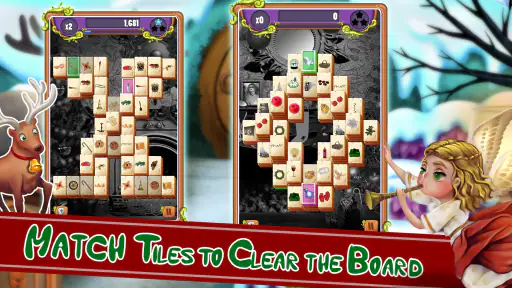
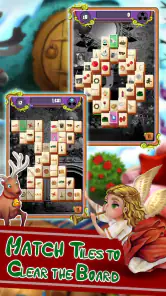
During the first few sessions, the game is easy to settle into. The board presents matching tiles, and the basic goal is clear enough that I never felt I needed a tutorial-heavy introduction. That simplicity is a strength on a phone: I can begin playing almost immediately, make a few moves, and stop without losing the thread of what I was doing.
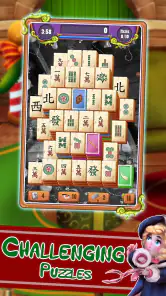
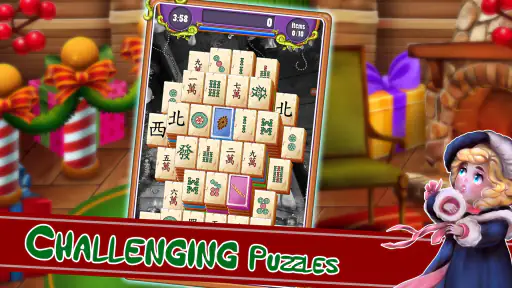
The Christmas setting gives the familiar format a little more personality than a plain set of numbered or traditional tiles. Holiday imagery makes the boards feel more inviting, particularly in short sessions when I do not want visual clutter or a demanding interface. It is not trying to reinvent mahjong solitaire, and I think that is the right choice for this audience. The attraction comes from making a known puzzle feel seasonal and pleasant.
I also like the way this format fits different attention levels. If I am fully focused, I can think ahead about which exposed tiles to remove first. If I am tired, I can play more casually and treat the board as a quiet visual exercise. That flexibility is useful in everyday situations: a short wait, a pause between chores, or a few minutes before bed all suit it better than a game that expects a long uninterrupted session.
The first-week appeal is not about surprise mechanics. It comes from the combination of recognizable rules, festive artwork, and low pressure. Someone who has never played mahjong solitaire should be able to understand the basic rhythm quickly, while an experienced player can concentrate on clearing the layout efficiently instead of learning an unfamiliar control scheme.
Who gets the most from the opening sessions
I would put this near the top of the list for players who enjoy casual board puzzles, seasonal visuals, and games that can be played in small pieces. It is also a reasonable choice for someone who wants a family-friendly title, since the content rating is Everyone. The presentation feels suited to a broad audience rather than a niche group of high-level puzzle specialists.
It is less suitable if you need constant novelty, competitive rankings, a strong narrative, or a deep progression system. Players who prefer fast action may find the deliberate matching pace too gentle. Likewise, if the Christmas theme feels out of place outside the holiday season, the same feature that makes the game charming at first may become the reason it gets forgotten.
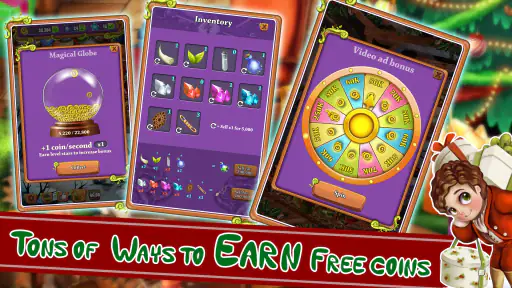
The game is free to install, which makes the first-week decision straightforward: there is little reason not to test whether the visual style and puzzle rhythm suit you. There are in-app purchases ranging from $1.99 to $19.99 per item, so I would approach optional spending carefully. I would first establish whether I still enjoy the core boards after several sessions rather than buying anything simply because the theme creates a sense of occasion.
Small habits that improve the puzzle experience
One useful habit is to avoid removing the first available pair automatically. In mahjong solitaire, an obvious match can sometimes expose a less helpful position, while another legal pair may open more of the board. I found that taking a moment to scan the upper layers and the most restricted tiles makes the game feel more thoughtful without turning it into a stressful calculation exercise.
A second tip is to use the game as a deliberate reset rather than an endless background activity. I get more enjoyment when I decide in advance to play one short sitting, then put the phone away. The seasonal artwork stays pleasant when it remains part of a small ritual; it becomes less effective when I leave the game open and play mechanically for too long.
It is also worth paying attention to visual comfort. Matching games can encourage close, continuous inspection of small symbols, especially on a compact phone screen. I prefer playing with the device held steadily and the display at a comfortable brightness. That sounds basic, but it makes a real difference when the board contains several similar-looking festive tiles.
How the value holds up from month to month
The month-to-month question is harder because the game’s core activity does not change into a different genre. Its recurring value comes from replaying the same broad kind of decision: identify available pairs, choose a useful order, and gradually clear the layout. If that loop is satisfying to you, the game can remain a dependable quiet-time option. If you need a constant stream of new systems, the appeal will probably fade sooner.
For me, the best long-term use is as a low-commitment puzzle rather than a main game. I would not make it the only title on my phone, but I can see keeping it available alongside more demanding games. It fills a specific role: something visually cheerful and mentally active enough to prevent complete boredom, but not so intense that it takes over my attention.
The developer, Beautiful Mahjong Games by Difference Games, has positioned this as a dedicated festive mahjong experience rather than a broad all-purpose board-game collection. That specialization gives it a clear identity. It also means the game is judged heavily on whether you want Christmas presentation attached to your mahjong sessions. If you do, the focused design feels coherent. If you do not, there is less reason to return once the novelty has worn off.
The public response suggests that many players find the basic formula approachable: the game has a 4.6 average from around 15 thousand ratings, with more than 4 thousand written reviews. It has also passed half a million installs, which places it beyond the level of an obscure experiment. Those figures do not decide whether it belongs on your phone, but they do support my impression that the straightforward tile-matching format has a real audience.
Recurring use cases beyond the holiday season
Outside December, I would use it when I want a familiar puzzle with a strong visual theme rather than a neutral interface. A person who enjoys collecting seasonal apps or keeping a holiday atmosphere on their device may find that the Christmas design remains part of the appeal throughout the year. For everyone else, the seasonal identity may be best treated as a bonus during the holidays and a tolerable backdrop afterward.
One realistic scenario is a short evening break after finishing household tasks. I can sit down, play carefully for a few minutes, and stop before the activity becomes another obligation. Another is travel or waiting time, where a board puzzle is more practical than a game that requires sound, fast reactions, or a stable long session. The important distinction is that this works best as a pause-filler with some concentration, not as a substitute for a deep hobby.
It can also suit players who are returning to mobile games after a long break. The rules are easier to approach than those of a strategy game with multiple resources, and the board format gives the session a clear beginning and end. I would still suggest starting with the free experience and observing whether the pace feels relaxing or repetitive before spending money.
Where it differs from ordinary mahjong solitaire
Compared with a standard mahjong solitaire app using plain tiles, this game’s main advantage is atmosphere. The Christmas framing gives familiar matching decisions a stronger sense of occasion. That can make the game more inviting for casual players who might ignore a purely traditional presentation.
Compared with a large puzzle collection, however, it is more specialized. A collection may offer several puzzle types and therefore provide better long-term variety. A competitive board game may be more rewarding for players who want rankings, timed pressure, or a social element. A story-based puzzle title may offer more motivation between individual boards. Christmas Mahjong: Holiday Fun is the better choice only when its calm, focused format is exactly what you want.
There is also a trade-off between clarity and depth. Keeping the central activity simple makes it accessible, but it leaves less room for players who want elaborate strategy. I appreciate that it does not pretend to be something larger than a seasonal mahjong solitaire game. Still, anyone looking for a long progression journey should compare it with a broader alternative before making it their primary puzzle app.
Maintenance, fatigue, and the cost of keeping it installed
From a maintenance point of view, the game is uncomplicated. The current version is 1.0.87, and it supports devices running Android 7.0 or later. That makes it accessible to many older Android phones, although I would still judge the experience by the comfort of the screen and the responsiveness of the individual device rather than by compatibility alone.
The real maintenance burden is not technical; it is psychological. A seasonal game has to earn its place whenever I browse my home screen. If I enjoy the holiday artwork, it feels like a small piece of atmosphere. If I am no longer in the mood for Christmas visuals, I may stop opening it even if the underlying puzzle remains perfectly playable. That is an important distinction: the game can remain functional while becoming less relevant to my routine.
Storage and attention are also part of the decision. I would keep it installed on a phone where I regularly play casual puzzles, but I would remove it if I needed to simplify my app collection or if another mahjong title offered a better fit. Because the core idea is so recognizable, there is little reason to tolerate a style you dislike merely out of loyalty. The free entry makes reinstalling later a practical option if the seasonal mood returns.
In-app purchases deserve the same measured approach. The presence of paid items does not automatically make the game unsuitable, but it does mean I would avoid treating every optional convenience as necessary. My preferred workflow is to play without spending first, decide whether the boards provide repeat value, and only then consider a purchase that genuinely improves my experience. That keeps the game in its proper place as a casual pastime rather than an impulse expense.
What creates fatigue over time
The biggest source of fatigue is repetition in the central loop. Matching pairs can be soothing, but the same soothing quality can become passive if I play too long or too frequently. I notice the game losing its pull when I stop thinking about board choices and simply tap the first acceptable match.
The second source is the narrow seasonal identity. Christmas imagery is distinctive, but it is not neutral. Some players will enjoy that commitment, while others may want a more timeless design for daily use. I would be especially cautious about recommending it as a year-round primary game to someone who normally prefers understated interfaces.
A third issue is the gap between accessibility and challenge. New players benefit from the easy-to-grasp structure, yet experienced mahjong fans may eventually want more demanding layouts or a stronger reason to improve. If your enjoyment depends on mastery, you should pay attention to whether the decisions remain meaningful after the opening period. If they do not, a more advanced mahjong app may serve you better.
There is also a personal fatigue factor that no feature list can solve: some people simply do not enjoy tile matching. The Christmas theme can make the first session more attractive, but it cannot replace a satisfying underlying loop. I would not choose this game because it looks festive alone; I would choose it because I already like the kind of concentration it asks for.
My long-term verdict
After the initial novelty fades, I see Christmas Mahjong: Holiday Fun as a good supporting game rather than an essential one. Its strengths are clear: free access, a friendly Everyone rating, a familiar board format, and a festive identity that makes short sessions feel more distinctive. I can recommend it to a friend who wants uncomplicated mahjong solitaire and appreciates seasonal presentation.
I would not recommend it to someone searching for a deep strategy game, a competitive community, a narrative adventure, or a constantly changing puzzle platform. Those players will likely find more lasting value elsewhere. I would also hesitate if the Christmas theme itself is likely to annoy you after the holidays, because that is not a minor decorative detail; it is the game’s defining personality.
For my own phone, the decision would depend on habit. If I regularly return to calm tile puzzles, I would keep it installed as an easy option for waiting rooms, quiet evenings, and brief mental breaks. If I only play during the holiday season, I would treat it as a seasonal download rather than a permanent fixture. That is not a criticism so much as an honest description of its place in a crowded mobile library.
My recommendation is to try it for the puzzle loop, not just the Christmas decoration. Give yourself enough sessions to see whether you are making deliberate choices or merely tapping through familiar patterns. If the relaxed rhythm still feels good, the game earns recurring space. If the theme wears thin and the matching becomes automatic, uninstalling it is reasonable and a broader mahjong or puzzle alternative will probably serve you better.
Overall, Christmas Mahjong: Holiday Fun succeeds because it understands its modest role. It offers a focused, approachable board-game experience with a clear seasonal mood, and its free starting point makes experimentation easy. It does not need to become a daily obsession to be worthwhile. For the right player, its lasting value is the ability to provide a calm, repeatable pause; for everyone else, its first-week charm may be enough.
Pros
- Relaxing tile-matching gameplay suited to short holiday breaks.
- Festive Christmas artwork creates a cheerful seasonal atmosphere.
- Simple controls make it accessible for casual and new Mahjong players.
- Multiple puzzles provide variety beyond a single quick game.
- Can be played at your own pace without demanding fast reactions.
Cons
- Seasonal theme may feel repetitive after extended play.
- Some puzzles can become frustrating when useful matches are limited.
- Replay value may be lower once familiar boards are completed.
- Small tile details could be harder to distinguish on compact screens.
- May offer less depth for experienced Mahjong players seeking advanced modes.