CABAL: Return of Action
- 422.00
- 4.7
- Installs
- 100.00K
- Price
- Free

Screenshots




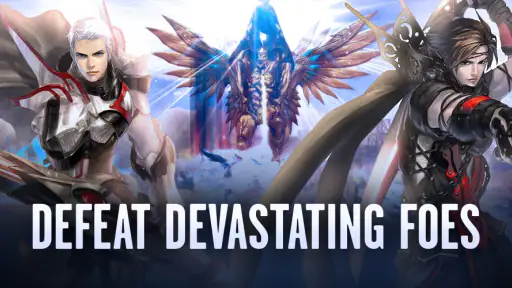
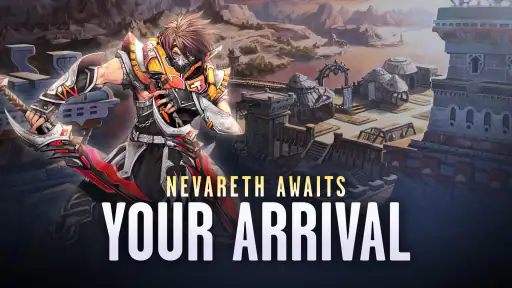


Analysis by Reviewed
CABAL: Return of Action is a free role-playing game that immediately aims for the familiar appeal of a mobile MMO: build a character, grow stronger, and take part in a larger online adventure. I approached it as the sort of game I might install when I want a long-term fantasy project rather than a short puzzle session. Its presentation is direct, and the central promise is easy to understand: there is a world to enter, power to develop, and a fight waiting for players who enjoy persistent progression.
My first impression is that this is best viewed as a commitment-based game. It is not the kind of RPG I would recommend only because it is free to download. The more important question is whether you enjoy returning to one character, learning its systems, and accepting the slower rhythm that often comes with an MMO-style experience. That distinction matters here because the game is supported by optional purchases ranging from $0.99 to $99.99 per item, so the way you approach progression will shape how comfortable the experience feels.
What the game offers and who will enjoy it
The game comes from Play This Game and is listed for Teen players. It was released on Jul 28, 2023, and the current version is 1.1.52. On Android, it requires version 6.0 or later, which makes it accessible to a broad range of compatible devices. The store listing shows a 4.7 average from around 14 thousand ratings, with more than 100 thousand installs. Those figures suggest that the game has attracted a meaningful audience, although popularity alone does not tell me whether its pace will suit every player.
I would put it in the same broad conversation as other mobile MMORPGs, but I would not treat it as a replacement for every type of role-playing game. If you prefer a self-contained adventure with a clear ending, a premium RPG with no purchase prompts, or a turn-based game that can be played in short isolated sessions, this may feel demanding. Its appeal is stronger for someone who likes the idea of a continuing character and wants a game that can become part of a regular gaming routine.
A realistic use case would be a player who has a few spare moments after work, checks in to continue character development, and then returns later when there is enough time for a more focused session. That player is likely to appreciate the feeling of gradual investment. By contrast, someone who only wants to play once every couple of weeks may find that the game’s ongoing structure makes it harder to remember priorities and maintain momentum.
The free entry point is helpful because it lets you judge the basic experience before spending anything. I would take advantage of that deliberately. Rather than buying an item during the first session, I would spend time learning how progression feels, watching where the game places pressure on the player, and deciding whether the regular loop is enjoyable without financial assistance. In a game with this purchase range, that first period of observation is more valuable than chasing an early shortcut.
Progress feels more important than a quick first impression
The strongest reason to stay with this title is the idea of building power over time. In a role-playing MMO, the early stage is usually less about having a fully formed identity and more about discovering what kind of player you want to be. I recommend resisting the temptation to make every decision based on immediate strength. Pay attention to which activities you genuinely enjoy, because a character that is technically efficient but unpleasant to play will not keep you engaged for long.
One useful habit is to treat the first stretch as a learning phase rather than a race. Keep notes about what improves your character, what consumes your attention, and which rewards feel meaningful. This sounds simple, but it prevents a common mobile RPG mistake: spending resources quickly because an item looks useful, then realizing later that it does not fit the direction you actually want. The game becomes easier to evaluate when you separate experimentation from commitment.
I also recommend setting a personal stopping point for each session. MMO progression can encourage “just one more task” thinking, especially when the next improvement appears close. A short planned session helps me judge whether I am playing because I am having fun or because I am responding to pressure. That distinction is especially important in a free game with optional purchases, since impatience can make an otherwise reasonable system feel more expensive.
The trade-off is clear: persistent progression can make small improvements feel satisfying, but it can also make the game less relaxed than a conventional offline RPG. A single-player alternative normally lets me pause the adventure without worrying about a broader routine. Here, the attraction comes from continuity, and continuity naturally asks for more attention. Players should decide whether that ongoing relationship sounds motivating or tiring before investing heavily.
Spending deserves a deliberate approach
The purchase information is straightforward: the game is free, while individual in-app purchases range from $0.99 to $99.99. That range is wide enough that I would not recommend treating every offer as a minor convenience. A low-cost purchase and a high-cost purchase may represent very different decisions for a player’s budget, even when both appear in the same shop environment.
My practical advice is to create a spending rule before opening the store. For example, decide that you will only pay after several sessions, or limit yourself to a fixed entertainment budget that you would be comfortable losing. The important part is making the decision while calm, not when a reward feels urgent. I would also avoid buying simply to correct a choice made without understanding the game. If a purchase is needed to make the game enjoyable at all, that is useful information about the fit, not a reason to keep spending.
Another sensible test is to ask what a purchase changes in your experience. Does it remove an annoyance, save time, or make a particular play style more enjoyable? If the answer is unclear, I would wait. A purchase should solve a problem I can name, rather than respond to a vague feeling that I am falling behind. This approach is particularly useful for players who enjoy collecting or upgrading, because those systems can make almost any item look important in the moment.
I would also separate convenience from satisfaction. Paying may make progress feel faster, but faster progress is not automatically better progress. If the pleasure comes from learning, earning, and improving gradually, a shortcut could reduce the part of the game you actually value. On the other hand, a player with limited free time may reasonably decide that saving time is worth paying for. The right choice depends on your priorities, not on the size of the advertised offer.
Fairness is difficult to judge without overclaiming
When I review a free MMO, I pay close attention to the difference between optional spending and competitive pressure. The purchase range confirms that monetization is part of the experience, but it does not by itself prove how purchases affect competition, progression, or social play. I would not claim that the game is fair or unfair in every competitive situation without stronger evidence about its specific systems.
That uncertainty does not make the question irrelevant. It means players should examine the experience personally before committing money. Notice whether you can make progress through normal play, whether your goals remain enjoyable without buying, and whether other players’ advancement changes your experience. If competition is central to your enjoyment, these observations matter more than the headline rating or the fact that the game is free to install.
For a relaxed player, the purchase system may be easier to live with because personal progress can be rewarding even when it is not the fastest route. For someone who wants to rank highly, dominate encounters, or keep pace with the most active spenders, the same system could feel more significant. I would therefore recommend the game more confidently to cooperative or progression-focused players than to anyone whose main satisfaction depends on strict competitive equality.
A useful fairness test is to choose a goal that does not require immediate spending and follow it for several sessions. If the goal remains understandable and enjoyable, that is a positive sign for your own play style. If every meaningful step seems connected to an offer, pause before paying. This does not establish a universal verdict, but it gives you a grounded answer about whether the game’s economy fits your expectations.
What I would check before making a long-term commitment
The game’s public details establish its identity, age rating, platform requirement, release date, version, audience response, and purchase range. They do not answer every question a careful player may have about the long-term experience. I would want to understand how much progress depends on repeated play, how competitive activities treat different spending levels, and whether the game’s pace remains comfortable after the opening period.
Those are not minor details. They determine whether the game works as a casual hobby or becomes a demanding routine. I would also pay attention to how clearly the game explains its progression choices. A system can be deep without being confusing, but unclear explanations make it harder to decide where to invest time or money. If I cannot tell why a reward matters, I would rather wait than spend.
Device fit is another practical consideration. The minimum Android requirement is 6.0 or later, but compatibility is not the same as comfort. I would install it on the device I actually plan to use and judge responsiveness, readability, and battery behavior during normal play. A game that looks appealing in a store listing is not a good match if it makes your everyday device unpleasant to use.
The Teen content rating also helps frame the audience, but it is not a substitute for personal judgement. Parents and younger players should still decide whether the game’s online and purchase elements suit their household expectations. I would review the available controls and payment protections on the device before allowing someone else to play, especially because the purchase range reaches well beyond a casual impulse amount.
How it compares with other mobile role-playing choices
Compared with a traditional premium RPG, this game’s free entry is its clearest advantage. You can try the central experience without paying upfront, and that makes it easier to discover whether an MMO structure suits you. The cost is that optional purchases become part of the decision-making environment. A premium game may ask for more at the beginning but provide a simpler relationship with progression afterward.
Compared with a short-session action RPG, this title is more attractive when you want continuity. A quick arcade-style alternative is usually better for a commute or a few spare minutes because it does not ask you to remember a long-term character plan. I would choose CABAL: Return of Action when I want to return to the same world repeatedly, not when I need a game that can be picked up and abandoned without consequence.
Compared with a single-player role-playing game, the MMO angle offers a different kind of motivation. The character is not only a tool for finishing a story; the character becomes an ongoing project. That can be rewarding for players who enjoy gradual improvement, but it may feel less satisfying to anyone who prefers authored storytelling, fixed pacing, and a definite conclusion. Neither approach is automatically superior.
The game also sits in a more demanding position than a purely cosmetic social app because its value depends on how progression feels over time. I would judge it less by the first few minutes and more by whether I still enjoy its decisions after the novelty fades. That is the point at which a free download becomes a genuine hobby rather than a temporary experiment.
My verdict on trust, value, and the right player
I find the game easiest to recommend to players who already understand the appeal of mobile MMORPGs and are comfortable making their own limits around optional spending. The free price makes trying it sensible, the Teen rating clearly identifies its intended audience, and the strong average rating shows that many players have responded positively. Those are useful reasons to give it a fair test, but they are not reasons to assume it will suit every player.
I would skip it if I wanted a completely purchase-free experience, a compact offline adventure, or a game where competitive outcomes feel independent of spending from the outset. I would also skip it if I tend to make rushed purchases when progress slows. The game may be enjoyable, but that enjoyment is not worth compromising a personal budget or turning leisure time into a source of frustration.
For everyone else, my recommendation is to begin slowly. Play long enough to understand the progression loop, choose a personal goal, and delay purchases until you know exactly what they would improve. Treat the store as an optional tool rather than part of the tutorial. If the free experience already gives you a reason to return, spending becomes a considered choice instead of a requirement.
In the end, CABAL: Return of Action earns its place on my trial list because it offers a persistent role-playing experience without an upfront price. My trust in it is conditional rather than blind: I would judge fairness through my own progress, keep spending firmly controlled, and avoid assuming that a high rating answers every question about long-term play. For the right player, that measured approach can lead to a rewarding ongoing adventure. For the wrong player, the same commitment and purchase pressure may be a reason to choose a simpler RPG instead.
Pros
- Fast-paced combat with flashy skills and satisfying combo chains.
- Large world with quests
- dungeons
- PvP
- and plenty of progression goals.
- Distinct classes offer different playstyles and team roles.
- Guild features and multiplayer activities add a strong social element.
- Faithful visual style and music appeal to fans of the original CABAL.
Cons
- Auto-play can reduce the feeling of direct control during some activities.
- Progression may require frequent grinding for gear
- levels
- and upgrade materials.
- The interface can feel crowded
- especially for new players.
- Competitive modes may favor players who invest heavily in upgrades.
- Device performance and battery use can suffer during busy combat scenes.

- Category
- Role Playing
- Version
- 1.1.52