Bingo Dice
- 2.22K
- 4.9
- Installs
- 500.00K
- Price
- Free
Screenshots




Analysis by Reviewed
I like the basic idea behind Bingo Dice: it turns the familiar bingo card into a small decision-making challenge, rather than asking me to wait for numbers to be called. That gives each turn a little more involvement, while keeping the rules approachable. It is a board game from FunCraft Games, and its strongest appeal is the blend of chance and choice. I would recommend trying it if you enjoy casual competitive games, though it is less suited to anyone who wants a purely traditional bingo experience.
Its free entry makes it easy to sample, but I’d still go in with sensible expectations: luck remains part of the appeal, and optional purchases can change how tempting extra play feels. The game is rated for Everyone, so it can work for a broad audience, but a shared screen or a relaxed match with family is a better fit than assuming every player wants the same level of competition.
A quick match can suit a real-life pause
I can picture opening it during a short break, or using a round to fill the few minutes before everyone is ready to leave. The card-and-dice format gives that pause a simple focus: check what you need, decide whether to take another chance, and see how the roll changes your options. That is more engaging than a game where I only watch events unfold, but it does ask me to pay attention rather than play entirely on autopilot.
For a fairer shared session, I’d agree on a simple rule before starting: treat purchases as optional and don’t let anyone feel pressured to spend to keep up. That is especially useful when playing with children or casual players. The Everyone rating is reassuring for broad access, but it doesn’t mean every in-game choice will suit every family’s spending preferences.
Rolling the Dice: How It Works
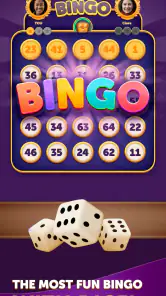
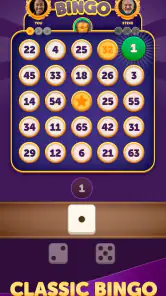
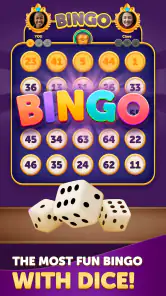
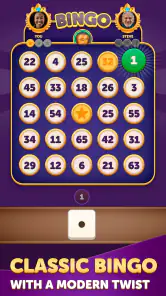
At first, I was curious about how exactly bingo and dice could mix. The game kicks off by giving you a bingo card filled with numbers, just like the old-school version. But instead of randomly drawn balls, here you roll dice. The numbers on the dice correspond to the numbers on your card. Match them up, and you're one step closer to shouting "Bingo!"
What I loved straight away was the element of strategy. It's not just luck that decides the winner. You have choices: Do you reroll the dice to aim for a specific number, or do you play it safe? These decisions keep each game fresh and engaging.
What the turn-by-turn choices add
The main pleasure for me is that a roll gives me something to weigh up instead of a result to accept passively. I can look at the card, consider which numbers would be useful, and decide whether to hold on to a promising outcome or take a risk. That keeps the bingo objective easy to understand while making each turn feel personal. It also means the game rewards attention more than a conventional number-calling format does.
More From Our News Desk

Weather by Xiaomi Review: Clear at a Glance, Less Clear Up Close

X Under Pressure: Can It Recover When Posting Goes Wrong?

Clash of Clans Is Won Between the Battles

Android Auto Makes the Case for Quieter Car Software

MobiOffice: Transforming Mobile Productivity with Seamless Integration

EA SPORTS FC™ Mobile Soccer: Redefining Mobile Sports Gaming
A useful way to approach a close match is to notice whether you are chasing one specific number or whether several possible results would help. If there are multiple routes forward, a risky reroll may have less value than it first appears. I’d take a moment to inspect the card before acting, especially when I’m tempted to reroll simply because I can. It is a small habit, but it makes the choices feel considered rather than automatic.
Features That Make It Stand Out
One thing that caught my eye was the variety of modes available. Whether you're in the mood for a quick game or a tournament, Bingo Dice has you covered. There's a solo mode if you just want some "me time," or you can dive into the multiplayer mode to challenge friends and family.
I can't forget to mention the power-ups. These little bonuses can turn the tide of a game in unexpected ways. Whether it's a double roll or a number swap, using these power-ups at the right moment adds another layer of fun.
Using power-ups without making every turn busier
Power-ups are most interesting when I treat them as part of a plan, rather than something I should use as soon as it appears. A double roll or number swap can matter more when it opens a useful possibility or helps me recover from an awkward result. Before spending one, I’d ask myself whether it changes the decision in front of me or merely makes the turn feel more exciting. Saving a bonus for a genuinely important moment can make its effect easier to appreciate.
There is a trade-off, though. These extra tools add a layer of decision-making that some players will enjoy and others may find fussy. If I’m playing with someone who prefers the uncomplicated pace of classic bingo, I would explain the basic options before a competitive round rather than assume they will enjoy learning through a close match. For a group that likes tactical twists, the power-ups can make the session more lively; for a quiet, low-effort pastime, they may be more than the group wants.
Design and Interface
The design of the app is another big plus. It's bright, colorful, and easy on the eyes. The interface is intuitive, so even if you're not tech-savvy, you'll have no trouble navigating through the game. The developers did a fantastic job integrating clear instructions and a user-friendly layout.
And let's talk about the sounds. They're cheerful and add to the excitement without being too overwhelming. If you're like me and sometimes need a quieter experience, there's an option to adjust the sound settings to your liking.
A good fit for brief sessions, with one caveat
The format seems especially suited to moments when I want a game with a clear objective but don’t want to study a large rulebook. A short pause between errands, a wait before dinner, or a few spare minutes at home can all work: I can focus on the card and make a handful of decisions without needing to arrange a long play session. The solo option is handy when nobody else is available, while a match with someone nearby can turn the same basic structure into a friendly contest.
The caveat is that “quick to understand” does not mean “play without thinking.” If I’m distracted or trying to split my attention between the game and a conversation, I may not enjoy the strategic choices as much. I’d use it when I can give a round a little focus, and choose a simpler casual game if I only want background entertainment. That distinction matters for anyone looking for something to play while commuting or multitasking: the more active turns are a strength when I’m engaged, not necessarily when I’m barely looking at the screen.
How it compares with other bingo choices
Compared with a standard digital bingo game, this one asks me to make more active choices around rolls and number matches. That makes it a better fit when I want a short head-to-head challenge than when I simply want the familiar rhythm of marking numbers. Against a general board game, its bingo structure keeps the objective immediately readable, so I don’t need to learn a long rule set before getting involved.
That middle ground is also its limitation: players who love bingo mainly for its calm, social pacing may find the tactical layer distracting, while people seeking a deeper strategy game may still want more complexity than a dice-and-card match provides. I’d choose it for accessible competition, and pick a traditional bingo app for a more relaxed group session.
It also sits apart from games built around long-term planning or elaborate collections. Here, the central appeal is the immediate relationship between a roll and the numbers on the card, rather than managing a sprawling board or learning a large set of interacting systems. That makes it easier to bring to a mixed group, where some players may be new to mobile games, but it also limits how much strategic depth a player can expect. If I want a quick contest that is understandable at a glance, this is a sensible middle ground; if I want a hobby game to master over many sessions, I would look elsewhere.
In-Game Purchases and Value
Now, let's discuss the in-game purchases. There are options to buy more power-ups and extra rolls, which can be tempting. However, I found that you can have plenty of fun without spending a dime. The game offers daily rewards and bonuses, which help in keeping the momentum going without reaching for your wallet.
For those who don't mind spending a little for extra perks, the purchases are reasonable and add to the enjoyment without breaking the bank. It's a balanced system that caters to both casual players and those who want to dive deeper.
The game is free to download, with optional in-app purchases ranging from $0.99 to $49.99 per item. I’d decide what I’m comfortable spending before getting drawn into buying extra rolls or power-ups, especially if I’m playing regularly. If you prefer games with no purchase prompts or a strictly fixed cost, a paid board game may be a better match.
For parents or anyone sharing a device, I’d make the spending boundary clear before handing over a round. The game’s age rating makes it broadly approachable, but optional items still make spending a practical consideration. A simple personal rule—play with what is earned or available, and only buy something after deciding calmly—helps keep the focus on the match rather than on topping up. That is not a special strategy for winning; it is just a sensible way to enjoy a free-to-start game without letting purchases become the reason to keep playing.
One question a cautious player may have is whether spending is necessary to enjoy the core idea. In my view, it is not: the fun comes from reading the card and making choices about rolls, so the game can still be appealing without treating purchases as a requirement. But players who strongly dislike any optional purchase system may find the very presence of those offers distracting. If that is a deal-breaker, a one-time-purchase board game or a simple offline game is likely to feel more comfortable.
Who should give it a try
I’d point casual players toward it if they like bingo but wish they had more control over each round. It can also suit friends or relatives who want a light contest without learning a complicated board game. For solo play, it offers a way to enjoy the number-matching decisions without needing to organize a group, while multiplayer is the more natural choice when friendly rivalry is the point.
I’d steer away if you dislike random outcomes, competitive play, or optional spending in free games. A good rating does not guarantee that its pace or purchase approach will suit you personally. It currently holds a 4.9 average from around 30,000 ratings, with roughly 2,200 written reviews and over 500,000 installs, which suggests plenty of players have tried it—but I’d still judge it by whether the turn-by-turn choices are enjoyable for you.
For practical compatibility, the game requires Android 7.0 or later and is on version 1.1.24452. If you’re deciding whether an older phone can run it, checking the device’s Android version first is a quick way to avoid a needless download attempt.
It is also worth thinking about the kind of company you plan to keep. For a family member who already enjoys number puzzles, the card decisions may give them a satisfying little challenge; for a player who finds competition stressful, a cooperative or purely solo puzzle is likely to be kinder. In a group, I’d introduce it as a light contest rather than promise a fully relaxed bingo night, since the choices and random rolls can make people care about the outcome more than they expect.
A practical first session can be simple: start solo to become familiar with the way rolls relate to the card, then try multiplayer if the competitive element sounds appealing. That removes the pressure of learning while someone else is waiting on a turn. It also gives you a better sense of whether the tactical decisions are the part you enjoy, or whether you would rather have the slower, more traditional rhythm of bingo. I find that distinction more useful than deciding based only on the game’s familiar theme.
Final Thoughts
All in all, Bingo Dice has been a delightful surprise. It's a fresh take on two classic games, combining the best elements of both. Whether you're a bingo veteran or a newbie, this game offers a unique twist that's worth trying out. The mix of strategy, luck, and friendly competition makes it an app I keep coming back to.
If you're looking for a fun, engaging game to pass the time, give Bingo Dice a roll. It might just become your new favorite way to unwind!
Bingo Dice Frequently Asked Questions
What kind of game is Bingo Dice?
Bingo Dice is a board game built around strategic PvP bingo battles. It combines familiar bingo-style marking with dice-based decisions, giving players a more tactical spin on the format. If you enjoy board games that mix luck with choices about how to play each round, its central idea may appeal to you.
Can I try Bingo Dice without committing to a large download cost?
Bingo Dice is free to download, so you can try it without an upfront purchase. Optional in-app purchases are available, with individual items priced from $0.99 to $49.99. These purchases are separate from the download itself. If you prefer to avoid unexpected spending, consider reviewing your device’s purchase settings before you start playing.
What does the Everyone age rating mean for Bingo Dice?
Bingo Dice is rated Everyone, so it is intended for a broad audience. Its board-game format centers on bingo and dice rather than a mature-rated theme. Parents and caregivers can still check the game’s store page and device settings before downloading, particularly if they want to manage purchases or decide whether online play is appropriate for a child.
Is Bingo Dice suitable for children?
Bingo Dice is a board game rated Everyone, making it suitable for a broad audience. Its bingo-inspired play is easy to recognize, while the dice add a strategic element that can keep each round interesting. Parents can review the game’s store page and device settings before downloading, especially if they want to manage purchases or online interactions.
How much does Bingo Dice cost, and can I play without paying?
Bingo Dice is free to download, so you can try the game without an upfront purchase. It also offers optional in-app purchases, with individual items priced from $0.99 to $49.99. Those purchases may appeal to players who want additional resources, but they are not the same as a required download fee. Check purchase settings on your device if you want to prevent accidental spending.
Pros
- Engaging gameplay with simple mechanics.
- Bright
- appealing graphics enhance experience.
- Quick rounds suitable for short play sessions.
- Multiplayer mode adds competitive fun.
- Regular updates with new features and events.
Cons
- Limited customization options for players.
- Occasional in-app ads can disrupt flow.
- Requires internet for multiplayer access.
- In-game purchases can be pricey.
- Lacks a detailed tutorial for beginners.
- Category
- Board
- Version
- 1.1.24452