Bingo bay : Family bingo
- 565.00
- 4.3
- Installs
- 100.00K
- Version
- 2.1.6
Screenshots


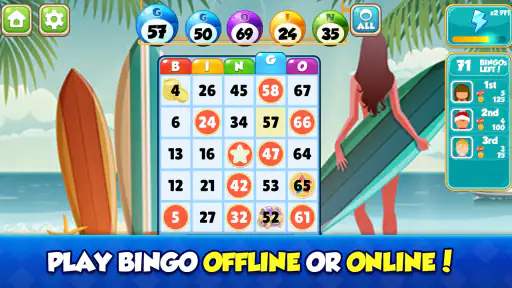
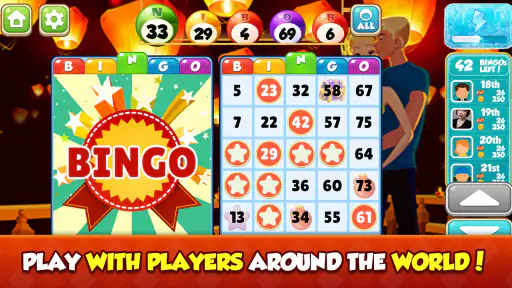

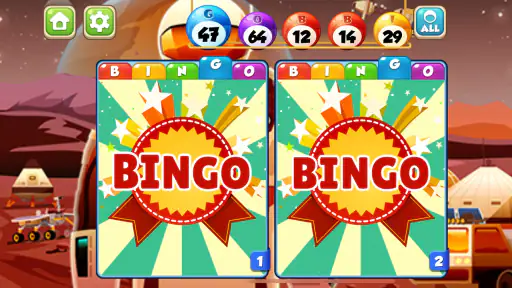
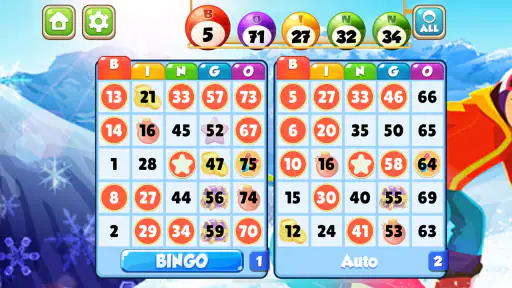
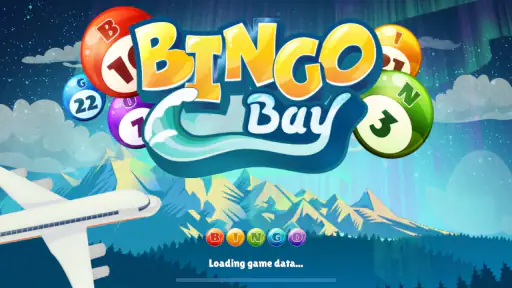
Analysis by Reviewed
I went into Bingo bay: Family bingo expecting a simple way to fill a few spare minutes, and that is exactly where this board game works best. It is a light, accessible bingo experience from SUPERBOX Inc, built around the familiar pleasure of watching numbers appear and hoping one completes your card. My overall view is positive, but specific: this is better as a relaxed casual game than as a deep competitive board title. It gives you an easy activity to return to, yet it is unlikely to satisfy someone looking for elaborate strategy, a long campaign, or the social energy of playing around a real table.
The game is free to install and is rated Everyone 10+, which makes its family-oriented presentation easy to understand. It has been available since Apr 5, 2017, and the current version is 2.1.6. Its average rating is 4.3 from around 3,700 ratings, while roughly 565 written reviews give it a useful level of player feedback. More than 100,000 people have installed it, so it is not an obscure experiment with no visible audience. Still, those figures tell me more about its accessibility than its depth: people can pick it up quickly, but that does not automatically make it the right choice for every bingo fan.
Why the basic bingo loop works so well
The strongest part of the experience is the low barrier to entry. Bingo does not ask me to learn a complicated control scheme or remember a large rulebook. I can open the game, understand the purpose almost immediately, and concentrate on the changing board. That simplicity is valuable when I want something calming after work, when I am waiting for an appointment, or when I want a game that another person can understand without a long explanation.
That straightforward design also suits short sessions. I do not need to reserve an entire evening for it. A few rounds can work as a break between more demanding tasks, and the familiar structure makes it easy to stop without feeling that I have abandoned a complicated story or lost hours of progress. In my experience, the best use is not treating it like a major daily commitment, but keeping it available for those small gaps in the day when I want a little activity rather than passive scrolling.
The family angle is important here. The game is not intimidating for a relative who rarely plays mobile games, and its board-game identity feels more approachable than a fast action title. I could imagine introducing it to someone who enjoys traditional bingo but does not want to learn a large collection of digital rules. It also works for a mixed-age household where the goal is simply to share a casual activity, although younger players should still be considered in light of the Everyone 10+ rating.
One useful habit is to treat each round as a focused listening exercise rather than tapping automatically. I find that paying attention to the board and marking deliberately makes the game feel more satisfying, especially when several possible completions are developing at once. That small change matters because the core mechanics are intentionally simple. The enjoyment comes from anticipation and attention, not from building a complex strategy system.
A good fit for short, low-pressure play
For a realistic everyday scenario, imagine having ten minutes before leaving home. A large role-playing game would be inconvenient because it may require preparation, travel through a map, or remembering a quest. A competitive multiplayer game could be awkward if you need to stop suddenly. This bingo game is more suitable because the concept is instantly recognizable and the mental demand stays manageable. I can play a little, put the phone down, and continue with my day without needing to reconstruct a detailed plan later.
It is also a reasonable choice for players who prefer board games but do not want the physical setup. Traditional bingo requires cards, a caller, and other people in the same place. A digital version removes that preparation and lets me enjoy the central rhythm alone. That convenience is the clearest reason to choose it over a physical set when I am by myself.
At the same time, I would not describe it as a replacement for a real family bingo night. A phone screen cannot reproduce the conversation, laughter, and shared tension of several people gathered around a table. The digital format is useful when those conditions are unavailable, but it is a substitute for the structure of the game, not for the social occasion surrounding it.
What to watch while playing
The main trade-off is that a simple game can become repetitive. Once the basic rhythm is familiar, the novelty depends heavily on how much I enjoy the anticipation of each new call. Players who need constant new objectives may feel that the experience settles into a routine. That is not a defect in the bingo concept itself, but it does mean I recommend approaching this as a casual pastime rather than expecting an endlessly expanding board adventure.
Another practical point is spending. The game is free, but in-app purchases range from $0.79 to $79.99 per item. I would decide in advance whether I want to play without buying anything and keep that boundary clear. The wide range means a small optional purchase and a much larger one sit within the same overall economy, so careful attention is sensible, particularly if the device is shared with family members. For me, the free entry is the attraction; I would not install it with the assumption that spending is necessary for enjoyment.
This is also where the difference between “family-friendly” and “ideal for every child” matters. The age label is Everyone 10+, not an unrestricted early-childhood classification. I would let a parent or guardian make the final decision for a younger player, especially on a shared device where purchase controls and play habits need supervision. The gentle board-game format may feel harmless, but responsible use still matters.
How it compares with other bingo and board options
Compared with physical bingo, the advantage is convenience. There is no need to find cards, prepare a caller, or gather a group before starting. Compared with a dedicated multiplayer bingo experience, however, a solo mobile game may feel less lively if what I really want is conversation and competition with friends. A physical set is better for a planned social event, while this app is better for immediate access and private play.
Compared with strategy-heavy board games, it is much easier to learn but offers less room for decision-making. I would choose a chess-like or tactical title when I want to analyze positions, plan several turns ahead, and improve through deliberate study. I would choose this one when I want the opposite: a familiar structure that asks for attention without demanding a long strategic calculation. Neither approach is superior in every situation; they serve different moods.
It also differs from fast arcade games in a useful way. The pace is less frantic, so it can suit players who dislike rapid reactions or complicated controls. The downside is that anyone seeking constant movement, dramatic action, or a strong sense of personal skill may find the bingo format too passive. The right question is not whether it is more exciting than an arcade game, but whether I want a quieter kind of engagement at that moment.
Who will get the most from it
I would recommend this game to casual players, bingo fans, families looking for an approachable digital option, and people who enjoy short sessions with clear rules. It is especially suitable for someone who wants a board-style activity without installing a large game or learning a complex system. The developer, SUPERBOX Inc, has positioned it in a part of mobile gaming where immediate understanding matters, and that focus is reflected in the overall experience.
I would be more cautious about recommending it to players who need a strong long-term progression system, deep strategic choices, or a highly social online atmosphere. If you want to coordinate with a regular group, a dedicated multiplayer platform may be a better choice. If you want a board game with many layers of planning, another title in the category will probably hold your attention longer. If you dislike chance-based outcomes altogether, bingo’s central appeal may work against it rather than for it.
Before installing, I would ask myself three practical questions. Do I enjoy chance and anticipation, or do I need direct control over the result? Am I looking for a quick solo diversion, or do I want a shared event with several people? And am I comfortable using a free game with optional purchases, including individual items priced as high as $79.99? Honest answers make the decision simple. The first two questions determine whether the format fits, while the third helps set sensible boundaries from the beginning.
Small habits that improve the experience
I get more from the game when I play it in the right setting. A quiet break is better than trying to follow a round while multitasking heavily, because the pleasure comes from noticing opportunities on the card. I also avoid opening it when I am looking for a major distraction that will carry me for an hour. That expectation mismatch is the fastest way for the simple design to feel thin.
For family use, I would agree on who is playing and whether purchases are allowed before handing over the phone. That avoids turning a casual round into an argument about accidental spending. I would also present it as a shared activity rather than a substitute for conversation: taking turns, discussing the board, and celebrating a close result can make the digital format feel more personal, even when the game itself remains straightforward.
For solo play, I recommend using it as a reset between demanding activities. The rules are familiar enough that I do not need to spend mental energy learning, but the board still gives me something to follow. That balance is the game’s most practical strength. It occupies my attention without asking me to commit to a large fictional world or a lengthy competitive match.
My final view
Bingo bay: Family bingo succeeds because it understands the value of a simple board game on a phone. It is free to start, easy to approach, appropriate for a broad audience within its Everyone 10+ rating, and convenient when I want a few relaxed rounds. Its strongest qualities are accessibility and immediacy rather than depth, and I think that is a fair exchange for the right player.
My reservation is equally clear: the basic format can become repetitive, the digital version cannot recreate the social warmth of physical bingo, and the optional purchase range deserves attention. I would not choose it as my main mobile game or recommend it to someone searching for complex strategy. I would choose it for a quiet break, a simple family-friendly board activity, or an easy introduction to digital bingo.
In the end, my recommendation is conditional but genuine. If you want a low-pressure bingo game that you can open without preparation, this is a sensible free download to try. If your priority is deep progression, direct skill, or live social competition, look elsewhere. For casual players who understand that the pleasure is in the simple tension of waiting for the right number, it provides a pleasant and approachable way to spend a little time.
Pros
- Simple rules make it easy for children and adults to play together.
- Bright visuals and cheerful sounds create a friendly bingo atmosphere.
- Short rounds fit well into quick breaks or casual family sessions.
- Different boards help keep repeated games from feeling exactly the same.
- Suitable for players who prefer relaxed games over fast-paced competition.
Cons
- Frequent ads may interrupt the game
- especially between rounds.
- Progress can feel repetitive after extended play sessions.
- Some features or rewards may depend on in-app purchases.
- Requires a stable internet connection for certain online functions.
- Sound effects can become distracting when playing for a long time.