Bingo Battle - Haunted Halls
- 4.31K
- 4.6
- Installs
- 500.00K
- Version
- 3.0
Screenshots

Analysis by Reviewed
I approached Bingo Battle as a quick, competitive board game rather than as a traditional bingo caller for a family gathering. Its Haunted Halls setting gives the familiar number-matching format a more playful, game-like identity, while live multiplayer puts the focus on reacting quickly and staying engaged with the room. That distinction matters: this is best understood as a social contest built around bingo, not simply a digital replacement for paper cards.
My first impression was that the appeal depends on what I want from a mobile game. If I need a relaxed activity that I can play in short bursts, the format makes sense. If I want a deep strategy game, a long campaign, or a quiet solo puzzle, I would look elsewhere. The central question is whether I enjoy the tension of watching numbers appear, daubing accurately, and competing for a better result while other players are doing the same thing.
How to decide whether the Haunted Halls fit your play style
The most useful decision criterion is pace. Bingo Battle is designed around attention in the moment. I cannot treat each round as background entertainment if I want to play well, because the value of every called number depends on noticing it and marking the correct place. That makes the game a good match for a short break, a casual evening, or a social session when I want something more interactive than watching a video.
The second criterion is how much competition I enjoy. Live multiplayer changes the mood considerably. A standard bingo app can feel like a solitary exercise in matching numbers, but this game presents the activity as a contest. I find that more motivating when I am in the mood to chase a win, although it can also make a poor round feel more frustrating than a relaxed offline game would.
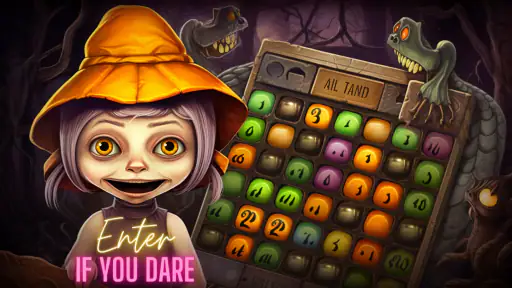
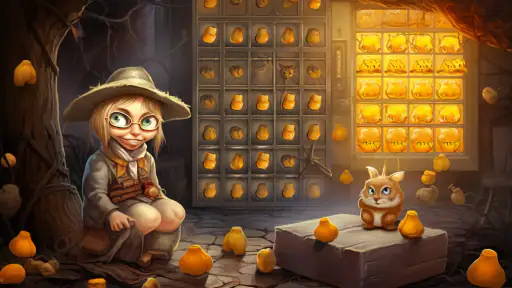
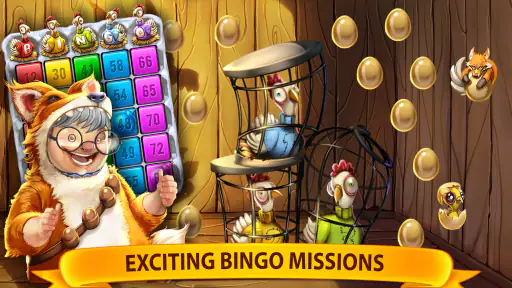
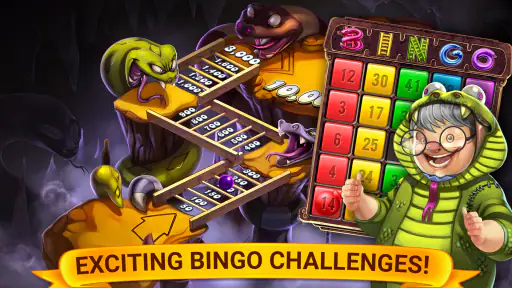
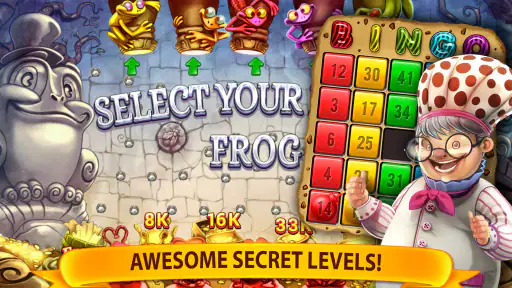
The Haunted Halls theme is another part of the choice. It gives the presentation a spooky frame without changing the basic familiarity of bingo. Players who enjoy seasonal or atmospheric styling may find it more inviting than a plain numbered grid. On the other hand, anyone looking for a neutral, classic bingo experience may prefer a simpler alternative with less emphasis on presentation.
There is also a practical question about age and accessibility. The game is rated Everyone, so its broad presentation is suitable for a general audience. I would still judge it by the player’s comfort with fast visual attention and online competition, because an age rating does not automatically mean every person will find the pace comfortable.
The game is free to start, which lowers the barrier to trying it. Optional purchases range from $0.99 to $99.99 per item, so I would make a spending decision before getting invested in repeated play. For me, that means treating purchases as optional extras rather than assuming that free installation equals a completely cost-free long-term experience.
What a normal play session feels like
A typical session works best when I give it my full attention for a few minutes. I watch the board, look for the called number, and daub the matching space. The simple action is easy to understand, but the live setting creates pressure because hesitation can make me miss an opportunity. That combination keeps the rules approachable while still giving each round a little urgency.
One realistic use case is a commute or a waiting-room break where I want a self-contained activity. I can open the game, play a round, and put it away without needing to learn a large ruleset. Another is a casual session with friends who already understand bingo but want a more competitive digital version. In both cases, the game’s strength is immediacy rather than depth.
I would not choose it for a meeting break where I may be interrupted every few seconds. Live play rewards concentration, and stopping at the wrong moment could make the experience feel less fair to me. A turn-based board game or an offline puzzle is a better choice when interruptions are unavoidable.
Where this version of bingo wins
The biggest advantage is the way it turns a familiar activity into a direct contest. Bingo normally has very little decision-making, but live multiplayer gives the act of marking numbers a stronger sense of consequence. I am not only waiting for a favorable card; I am trying to remain alert while the round moves forward. That makes the game more engaging than a purely passive number caller.
The Haunted Halls setting also helps the game stand apart from plain bingo utilities. I do not need a complicated story to understand the theme, and the atmosphere gives the board a recognizable personality. For players who like their casual games to have a little character, that is a meaningful advantage over a bare interface.
Another strength is the low learning curve. Someone who has played physical bingo can understand the basic objective immediately, while someone new to bingo can learn by following the board. I appreciate that the game does not require me to study a long rules explanation before I can decide whether it suits me.
The public response suggests that the concept has found an audience. It holds a 4.6 average from around 28 thousand ratings, with roughly 4.3 thousand written reviews. I read that as evidence of substantial user interest, not as a guarantee that every player will enjoy the pace or the competitive format.
Its reach is also notable for a focused board game: it has passed 500 thousand installs. That makes it easier to see the title as an established casual option rather than an obscure experiment. Still, popularity cannot answer the personal questions that matter most, such as whether I enjoy live pressure or whether I am comfortable with optional spending.
Small habits that make the game easier to enjoy
My first practical tip is to reduce distractions before entering a round. Because the core action is simple, it is tempting to play while doing something else. That usually weakens the main appeal. I get more from the game when I treat a session as a short focused activity instead of leaving it open while multitasking.
My second tip is to decide on a spending boundary before playing regularly. The purchase range is wide, and the excitement of a competitive round can make impulsive decisions feel reasonable in the moment. A personal limit keeps the free-to-start model predictable and helps me judge the game on its gameplay rather than on the pressure to buy anything.
A third useful habit is to use the game as a short social icebreaker rather than expecting it to replace a full tabletop evening. The rules are familiar enough that people can join quickly, and the live contest gives everyone an immediate topic to react to. It works especially well when the group wants light competition without learning a complex strategy system.
I also find it helpful to separate a bad result from the quality of the session. Bingo includes luck, and live competition can magnify disappointment. If I approach every round as a test I must win, the game becomes tiring. If I treat wins as a bonus and focus on the quick contest, the format feels much more sustainable.
Where another board game may fit better
Traditional bingo is the better choice when the priority is a calm group activity with a caller, physical cards, and a shared room. It has a different kind of social warmth, and it does not depend on each participant watching a phone screen. I would choose that format for a family gathering or community event where conversation matters as much as the result.
A standard offline bingo app may suit someone who wants privacy, predictable pacing, or play without live competition. The trade-off is that it may feel less energetic. Bingo Battle’s purpose is to make the round feel like a contest, so removing that competitive element would also remove much of what makes this particular game distinctive.
For players who want meaningful decisions, resource management, or long-term planning, a deeper board game is likely a better investment of attention. This title is not the right substitute for a strategy game simply because both use boards. Its pleasure comes from recognition, timing, and atmosphere, not from building a complex plan over many turns.
It is also not my first recommendation for someone who dislikes spooky styling. The Haunted Halls identity is part of the experience, even though the underlying bingo rules remain familiar. A neutral presentation would be less distracting for players who want the numbers and nothing else.
What to expect from the app itself
The game comes from Bingo Battle, the developer behind the title, and its current version is 3.0. It was released on October 14, 2020, and supports devices running Android 7.0 or later. Those details make it worth checking an older device before installing, especially if I am using a phone that has been kept for several years.
Because the game is free, trying it is straightforward. I can evaluate the basic rhythm before deciding whether it deserves a regular place on my phone. That is important here: the concept sounds familiar, but the live multiplayer emphasis may feel either exciting or stressful depending on my habits.
The main friction is not the bingo rule itself. It is the combination of attention, competition, and purchase visibility that can shape how a session feels. A player who wants to relax may find the contest too demanding, while a player who enjoys quick challenges may see exactly that pressure as the reason to return.
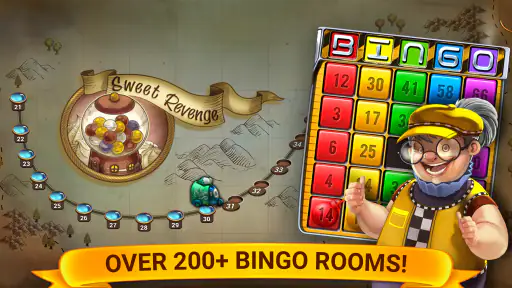
I would also keep expectations realistic about variety. The appeal is concentrated in the live bingo loop and the Haunted Halls presentation. If I need a broad collection of unrelated board games in one app, a board-game hub would be more suitable. This title makes more sense when I specifically want this style of bingo.
My recommendation for different kinds of players
I recommend Bingo Battle to casual players who already like bingo and want a livelier mobile version. It is especially suitable for someone who enjoys short competitive sessions, understands that luck is part of the result, and likes a themed setting instead of a plain numbered interface. The free entry makes it easy to test without committing immediately.
I would recommend it more cautiously to families. The Everyone rating makes the game broadly approachable, but the live pace and optional purchases still deserve adult guidance for younger players. I would set clear expectations about spending and encourage short sessions rather than treating the game as an all-day activity.
I would skip it if my priority were offline reliability, deep strategy, or a completely distraction-free experience. In those situations, a paper bingo set, a slower solo puzzle, or a more strategic board game would better match the goal. Choosing a different option is not a criticism of this game; it simply recognizes that its strongest qualities are specific.
After weighing those trade-offs, I see it as a good recommendation for the right niche rather than a universal board-game replacement. The familiar rules make it easy to enter, while live multiplayer and the Haunted Halls theme give the rounds more energy than ordinary digital bingo. My advice is to try it as a focused, short-session game, keep purchases deliberate, and continue only if the competitive rhythm feels fun rather than stressful.
Pros
- Quick matches make it easy to play during short breaks.
- Haunted-hall visuals give the bingo experience a distinctive atmosphere.
- Simple controls are accessible for casual players.
- Competitive rounds add excitement beyond traditional bingo.
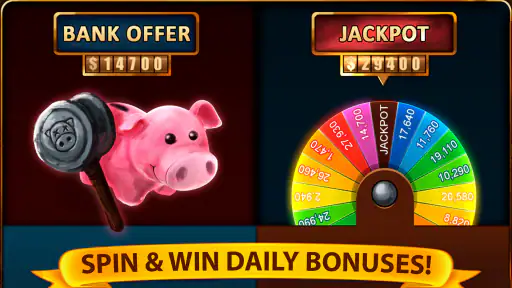
- Regular rewards can encourage daily play.
Cons
- Progress may feel slow without frequent play or extra purchases.
- Random number draws can make outcomes feel largely luck-based.
- The spooky theme may not appeal to players seeking classic bingo.
- Busy effects and sounds can become distracting during matches.
- Online features may be limited when the connection is unstable.