Battle Bay
- 18.91K
- 4.1
- Installs
- 10.00M
- Price
- Free
Screenshots
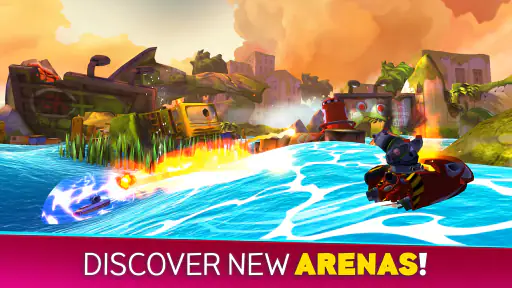
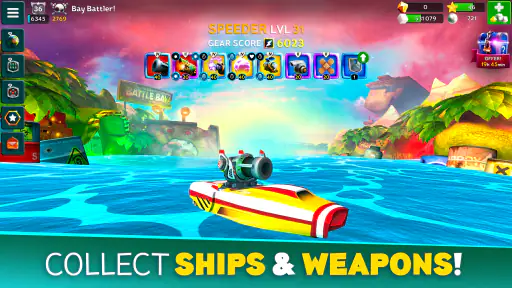
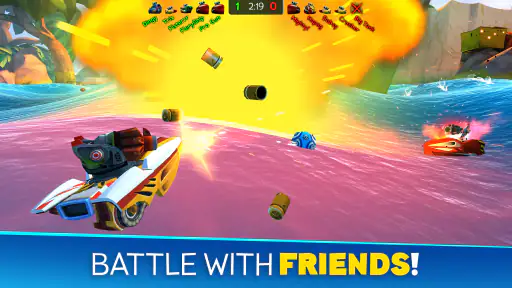
Analysis by Reviewed
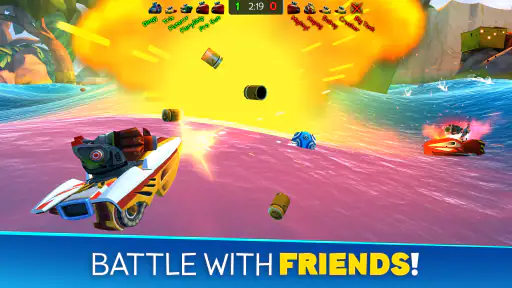
Battle Bay is the kind of action game I pick up when I want a quick competitive match without committing to a long single-player campaign. The idea is immediately appealing: I control a boat, work with a team, and try to outplay another crew on a compact battlefield made of water. It feels more distinctive than another arena game with characters running across the same familiar ground, while still offering the fast rounds and direct competition I expect from mobile multiplayer.
My first impression was that the game is easy to understand but not especially easy to master. Moving a boat, aiming weapons, and staying alive are separate concerns, and they become difficult when several opponents are firing at once. That learning curve is the main reason I would recommend it to someone who enjoys action games with a little tactical thinking. If you only want a relaxed shooter where quick reflexes solve everything, this may feel demanding rather than casual.
What makes the boat battles work
The central appeal is the combination of movement and positioning. On land, players often rely on cover, corners, and predictable lanes. Here, the open water changes the rhythm. Turning too widely can expose the side of a boat, while moving too cautiously can leave a teammate without support. I found myself thinking about distance, escape routes, and the direction of incoming fire before worrying about damage alone.
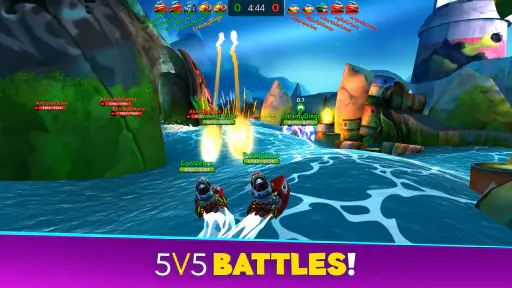
The five-versus-five format gives every match a team focus, but it does not remove personal responsibility. A player who rushes ahead can make the battle harder for everyone, while someone who stays too far back may contribute very little. The best moments came when I treated the arena as a shared space instead of chasing the nearest target. Supporting a damaged teammate, denying an approach, or drawing attention away from a stronger attacker can matter as much as landing the final hit.
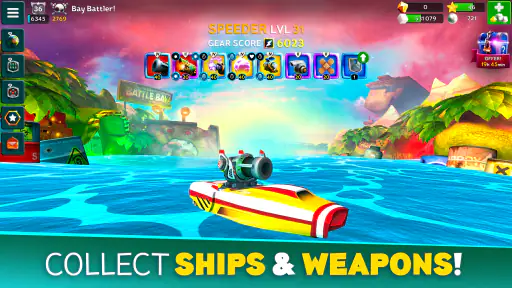
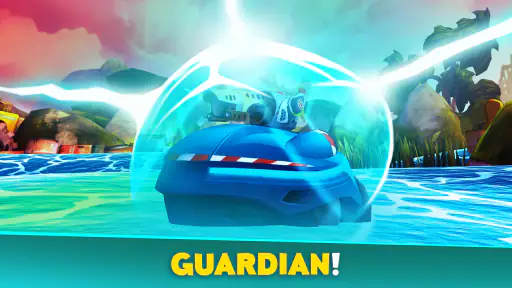
That makes the game more interesting than a simple aim test. Boats have different movement characteristics and combat roles, so I had to adjust my habits instead of using one universal approach. A nimble vessel can reposition quickly but may punish careless exposure. A sturdier choice can hold a line more confidently, yet it may struggle when the fight shifts across the map. I recommend spending time learning how each option feels before deciding which one suits you.
The most useful early lesson is to survive long enough to make a second decision. New players often fire immediately, drift into the open, and then wonder why the match ends so quickly. Waiting behind a teammate, using the shape of the arena intelligently, and keeping a retreat path available usually creates more opportunities than charging toward the first visible opponent.
Where new players usually get stuck
The first sticking point is aiming while moving. A boat does not stop being a boat just because I want a perfect shot. Turning changes the angle of attack, and an opponent who keeps moving can make a seemingly simple exchange surprisingly awkward. I improved faster when I stopped trying to make every shot perfect and instead focused on predictable movement, timing, and choosing moments when an enemy had fewer escape options.
You May Like

Clash of Clans Is Won Between the Battles

Android Auto Makes the Case for Quieter Car Software

MobiOffice: Transforming Mobile Productivity with Seamless Integration

EA SPORTS FC™ Mobile Soccer: Redefining Mobile Sports Gaming

How Microsoft OneDrive Became a Mobile Productivity Giant

How Google Translate Breaks Language Barriers Effortlessly
The second problem is target selection. The closest opponent is not always the best target. A damaged enemy may be tempting, but chasing that boat can pull me away from the team and expose me to another attacker. In several matches, the better choice was to pressure the opponent threatening a teammate or to interrupt a dangerous approach. This is a small change in thinking, but it makes the battles feel less chaotic.
A third source of frustration is expecting every defeat to be caused by poor aim. Sometimes I lost because I entered a fight from the wrong angle or failed to notice that the rest of the team was elsewhere. Reviewing the final moments mentally is useful: was I isolated, did I move into open water, or did I spend too long attacking a target that was not a priority? Those questions produce more improvement than simply playing another match immediately.
Players who dislike team-dependent games should know that individual skill cannot always rescue a disorganized battle. Even a strong player can be overwhelmed when several teammates separate or engage at different times. That is not necessarily a flaw in the controls; it is part of the tension created by group combat. I enjoy that uncertainty, but someone looking for a purely personal score chase may prefer a solo action game instead.
Setup checks before blaming the game
Battle Bay is free to download and is rated Everyone 10+, which makes it approachable for a broad audience, although the competitive format is still better suited to players comfortable with quick decisions and repeated matches. It was released on May 3, 2017, and the current version is 5.4.5. The listed minimum operating system is Android 7.1, so checking the phone’s software before troubleshooting is a sensible first step.
When a match feels unstable, I start with simple checks rather than changing several things at once. I make sure the game has finished updating, confirm that the device is not struggling with many other demanding apps, and switch to a more reliable connection if possible. A crowded or inconsistent network can look like slow controls, delayed shots, or sudden movement, even when the game itself is running normally.
It also helps to separate installation trouble from match trouble. If the game does not open, the first questions are whether the operating system meets the requirement and whether there is enough free storage for the installation and its working space. If the game opens but a battle behaves strangely, the connection and device load become more relevant. Keeping those two situations separate prevents unnecessary resets.
My practical setup routine is simple:
- Install the latest available version rather than testing an old build.
- Restart the device if the game has been running for a long time or other apps feel sluggish.
- Use a stable connection before judging online performance.
- Close demanding background apps, especially when the phone is warm.
- Test one short session after each change so I know which step helped.
These checks are not glamorous, but they matter more in a real-time multiplayer game than they would in an offline puzzle. A small delay can change whether a turn completes, whether a shot lands, or whether a retreat succeeds. I would rather spend a minute preparing the session than mistake a network problem for bad controls and become unfairly negative about the game.
Recovering a frustrating session
When a match goes badly, my first recovery step is to change the decision process, not immediately change every boat or weapon choice. I ask whether I was too aggressive, whether I ignored the team’s position, and whether I kept repeating the same route. This is especially useful after a loss that feels random. Often the pattern becomes clearer once I focus on where the fight started rather than only on who won.
A useful workflow is to begin the next match with a conservative objective. Instead of trying to dominate immediately, I stay near cover or a teammate, observe how opponents approach, and take only safe opportunities. This gives me time to read the arena and recover confidence. Once I understand the opposing movement, I can become more aggressive without turning the whole match into a gamble.
I also recommend changing one variable at a time. If I switch boats, weapons, and tactics together, I cannot tell whether the improvement came from equipment or from better decisions. Testing a different vessel while keeping the same general positioning style provides clearer feedback. The same applies to spending: I would not make a purchase simply because a losing streak feels frustrating.
The game includes in-app purchases ranging from $0.99 to $99.99 per item. That range is important for anyone managing a budget, particularly younger players using a shared device. I see purchases as optional convenience or progression choices rather than a solution to weak positioning. Before spending, I would first decide whether I genuinely enjoy the core battles and whether the item changes the way I want to play. A purchase cannot fix an unreliable connection or a habit of entering fights alone.
Another recovery tip is to take a short break after several tense matches. Competitive games can narrow attention, and I tend to rush more when I am annoyed. Returning after a pause makes it easier to notice team spacing and avoid revenge plays. This is not a feature of the game, but it is one of the most practical ways to get more value from it.
When the app may not be the cause
Not every poor experience points to a software fault. If boats appear to jump, shots register late, or controls feel unresponsive only during certain matches, the connection is a strong possibility. If the same behavior continues across other online games, the wider network or device may deserve attention. Testing on another reliable connection can help narrow that down without resorting to drastic measures.
Device performance can also change during play. A phone that feels fine in a short session may become warmer over time, and background activity can compete for resources. If the game becomes less comfortable after extended use, I would close unused apps, let the device cool, and try again. That is more useful than assuming the controls are permanently poor.
Account or purchase concerns need a different approach from gameplay complaints. A player should keep track of which account is being used and avoid repeating a transaction simply because an item does not appear immediately. Checking the relevant platform’s purchase history and support options is safer than making another payment. The game’s free entry point makes trying it easy, but optional purchases still deserve the same caution as any other digital purchase.
There is also a difference between a design choice and a bug. Team battles can feel unfair when allies split up, and a boat can feel slow when its role is not suited to rapid repositioning. Those experiences may be frustrating, but they are not automatically technical failures. I found it more productive to learn which situations a particular boat handles well than to expect every choice to perform equally in every encounter.
How it compares with other mobile action games
Compared with a conventional mobile shooter, Battle Bay offers a stronger emphasis on movement lines and open-space positioning. There are no familiar corridors to memorize in the same way, and the boat theme changes how I think about pressure and retreat. Players who enjoy team shooters but want something visually and mechanically different may appreciate that shift.
Compared with a fully offline action game, it asks more patience from the player. The outcome depends partly on teammates and online conditions, so it cannot provide the same predictable control over the experience. If I have only a few minutes and want a guaranteed solo challenge, an offline title is the safer choice. If I want a competitive match with changing opponents and shared objectives, the multiplayer format is the reason to choose this one.
It also differs from slower strategy games. I can think ahead, but I still need to react quickly when an opponent changes direction or a teammate becomes vulnerable. That middle ground is its strongest identity: it is more thoughtful than a button-mashing arcade game, yet more immediate than a long-form tactical title.
Who will enjoy it most
I would recommend Battle Bay to players who like short competitive sessions, team coordination, and learning through repeated play. It is particularly suitable for someone who enjoys experimenting with roles instead of relying on one character or one weapon forever. The boat setting is not just decoration; it gives the action a different pace and makes positioning feel central.
It is less suitable for players who want a calm, offline experience, dislike depending on anonymous teammates, or become frustrated by gradual improvement. It is also not my first choice for someone who wants a story-driven campaign with a clear ending. The appeal is in the match-to-match decision making, not in following a traditional narrative.
The game has reached over ten million installs and holds an average rating of 4.1 from around 427 thousand ratings, which suggests a substantial audience while still leaving room for mixed experiences. Rovio Entertainment Oy is the developer. I would interpret that popularity as a reason to try it, not as proof that every player will enjoy the same pace or progression.
My practical verdict after playing
Battle Bay succeeds because its basic idea remains easy to grasp while its battles reward better judgment over time. Steering, aiming, and teamwork create enough friction to make victories satisfying, especially when I win by controlling space rather than simply firing faster. The water-based arenas give the action a personality that many mobile games in this category lack.
Its limitations are equally clear. Online dependence means connection quality can shape a match, team behavior can make victories inconsistent, and the learning curve can feel harsh when I approach every battle too aggressively. The optional purchase range also means families and younger players should pay attention to spending settings. None of those points makes the game unplayable, but they should influence expectations before installing it.
After trying different approaches, I found the best way to enjoy it was to treat each match as a small tactical exercise. Stay close enough to help, avoid exposing the boat without a reason, choose targets based on team pressure, and change one habit at a time when a session goes poorly. If you want a free action game where positioning matters as much as reflexes, Battle Bay is worth trying; if you want complete control, offline play, or a story campaign, choose a different kind of game.
Battle Bay Frequently Asked Questions
What kind of game is Battle Bay, and who developed it?
Battle Bay is an action game developed by Rovio Entertainment Oy. It puts players in control of combat boats in team-based online battles, with the goal of sinking the opposing team. If you enjoy competitive multiplayer games with a naval setting, its focus on coordinated fights and tactical movement may appeal to you.
Can Battle Bay run on my device?
Battle Bay is available for Android and iOS, and the Android minimum operating system requirement is version 7.1. Before downloading, check that your device meets the relevant platform requirements and has a reliable internet connection, since the game is built around online multiplayer battles. A compatible device and steady connection help make matches more responsive.
How active and well-liked is Battle Bay?
Battle Bay has an average rating of 4.1 from around 427,000 ratings, with roughly 19,000 written reviews and over 10 million installs. Those figures suggest that many players have tried the game, though individual enjoyment will depend on whether you like competitive online action and team-based naval combat. It was released on May 3, 2017, and its current version is 5.4.5.
Is Battle Bay suitable for younger players?
Battle Bay has an Everyone 10+ content rating, and its focus is on team-based naval combat. Parents can consider whether competitive action and online interactions are appropriate for their child. The game also offers in-app purchases, so it is sensible to check device purchase controls before handing it over. Its straightforward premise may be accessible, while learning the battles takes practice.
What is Battle Bay, and how does the gameplay work?
Battle Bay is a real-time multiplayer action game centered on small combat boats and fast naval battles. After choosing and customizing a vessel, you join a team and fight opposing players in an arena using weapons, movement, and tactical positioning. Matches are generally quick, but success depends on more than aiming: teamwork, map awareness, timing, and selecting the right boat for your play style are all important.
Pros
- Real-time matches are short
- making it easy to play during quick breaks.
- Different boats offer distinct roles
- from fast attackers to durable defenders.
- Team positioning and coordination can strongly influence the outcome of battles.
- Weapon upgrades and ship customization provide a satisfying sense of progression.
- The colorful graphics and water effects look polished on modern devices.
Cons
- Progression can feel slow without spending resources or playing regularly.
- Random teammates may ignore objectives
- making some matches frustrating.
- Higher-level upgrades can create an uneven experience for newer players.
- The small battle arenas leave little room for mistakes during intense fights.
- Frequent combat may become repetitive once you settle on a favorite loadout.
- Category
- Action
- Version
- 5.4.5