Backgammon King Online Games
- 2.31K
- 4.0
- Installs
- 1.00M
- Version
- 3.7.3

Screenshots






Analysis by Reviewed
Backgammon King Online Games is the kind of board game I can open for a short break without needing to learn a complicated interface first. It keeps the focus on backgammon: rolling, moving checkers, protecting vulnerable pieces, and deciding when to take a risk. After spending time with it, I found the main appeal is not flashy presentation but the way a familiar game becomes easy to pick up on a phone.
It is a free board game from Orodragon, aimed at Everyone, with a 4.0 average from around 71 thousand ratings. That combination tells me it has reached a broad audience while still leaving room for mixed opinions. It has passed one million installs, so it is clearly not an obscure experiment. I would recommend it most readily to someone who already knows the basic rules or wants a convenient way to practice them, although a complete beginner can still start carefully and learn through short sessions.
What to expect when you begin
The first thing to understand is that this is traditional backgammon presented for mobile play, not a puzzle game that happens to use a board. Your decisions matter more than speed. A lucky roll can help, but good movement choices still determine whether you leave a checker exposed, build a useful block, or give your opponent an easy route home.
The app’s store summary describes classic backgammon board games, playing with friends, and becoming a pro. I would treat that as a description of its direction rather than a promise that every session will feel competitive or social. The experience is best approached as a compact digital board for repeated matches. Some games will be over quickly; others will become tense because both players are trying to control the same few points.
That makes it useful in everyday situations where a full console game would be excessive. I can imagine opening it while waiting for an appointment, during a quiet commute, or after dinner when I want something interactive but not mentally exhausting. A match also gives me a natural stopping point, which is better than an endless feed when I only have a few minutes.
New players should not expect the app to remove every part of the learning curve. Backgammon has simple movement rules, but the strategic layer takes time. You need to recognize when a move is safe, when it is worth splitting checkers, and when advancing quickly creates a weakness elsewhere. The board may look calm even when one careless move has changed the entire match.
The best first goal is not winning immediately; it is finishing one complete game while understanding why each move was legal. Once that feels comfortable, you can start judging moves by risk and position instead of simply moving the checker that seems closest to home.
How the game differs from casual board alternatives
Compared with a digital chess app, this feels more dependent on adapting to changing dice results. Chess rewards long calculation without random movement, while backgammon asks me to make the strongest decision from the numbers available. Compared with a simple checkers game, backgammon has more positional tension: a move can improve my progress while also creating a target for the other side.
Compared with playing on a physical board, the phone version is more convenient but less social in the traditional sense. A real board makes it easy to talk, point at a position, and replay a move together. On a phone, the board is always ready and pieces cannot be accidentally knocked over, but the experience depends more on the device and the way the game presents turns.
That trade-off matters if you are choosing between this and a general board-game collection. A broad collection is better when you want variety in one installation. Backgammon King Online Games makes more sense when backgammon itself is what you want to play repeatedly and improve at.
Setting up a comfortable first session
The game is free to install, which makes trying it straightforward. It includes in-app purchases ranging from $0.99 to $99.99 per item, so I would pay attention to any purchase prompt rather than tapping through automatically. A free entry point is useful, but it does not mean every optional item or convenience inside the app is included without cost.
The current version is 3.7.3, and the listed minimum operating system is Android 7.0. For anyone using an older phone, checking compatibility before planning a match is sensible. On a supported device, I would begin with a quiet first session rather than immediately inviting a friend. The first few minutes are better spent learning where the board indicates legal movement and how turns progress.
I also recommend playing with the phone held in the position that makes the board easiest to read. Backgammon depends on noticing small positional details, especially when several checkers occupy nearby points. If the screen is crowded by notifications or you are trying to play while walking, you may miss a useful move and blame the dice for a mistake that was really caused by attention.
Before starting, decide what kind of session you want. If you are learning, choose a relaxed pace and concentrate on legal moves. If you already understand the rules, use the opening turns to observe the board rather than rushing toward the home area. The opening is where beginners often make automatic moves, even though the early arrangement can shape the rest of the game.
One practical habit helped me: after every roll, I first look for moves that improve safety, then moves that make progress, and only afterward consider aggressive options. This order prevents the common beginner error of chasing immediate advancement while leaving a single checker exposed. It also gives the game a repeatable decision process instead of making each turn feel random.
Understanding the board before chasing a win
Backgammon becomes easier when you stop viewing each checker as an independent piece. A group of checkers can support movement, occupy useful points, or limit the opponent’s route. A lone checker may move farther, but it can also become vulnerable. When the dice offer several legal combinations, compare the resulting board positions rather than choosing only the move that travels the greatest distance.
For a first-time player, the most useful question is simple: “What can my opponent do immediately after this?” If your move leaves a checker open to being hit, check whether the possible gain is worth that danger. You do not need advanced terminology to use this idea. You only need to pause before confirming a move that looks attractive because it covers more distance.
Another helpful setup habit is to count the remaining checkers visually before moving. New players sometimes focus on one side of the board and lose track of a piece that has been sent away from its previous position. A quick scan reduces confusion and makes it easier to understand whether you are building a safe position or merely moving pieces around.
The app is also a reasonable choice for learning the rhythm of turns because digital movement removes some physical-board friction. You do not have to gather pieces, remember whose turn it is, or search for a missing checker. That convenience lets you spend more attention on the decisions themselves.
Finding the first meaningful success
My suggested first milestone is to complete a match without relying on guesswork. Start by identifying the legal destinations for the rolled numbers. If two separate moves are possible, compare them as a pair; the value of a turn often comes from how the first move changes the second. A move that looks weak on its own may open a safer follow-up.
When you are close to bearing off, resist the temptation to move every checker as quickly as possible. The endgame still rewards organization. Look for ways to avoid leaving a checker awkwardly placed while another part of the board becomes empty. If the dice do not match your preferred plan, make the safest legal adjustment and prepare for the next roll.
A successful first game does not have to be a win. If you can explain why you moved a checker, recognize when one was at risk, and complete the match without becoming lost, you have already learned the core workflow. Winning becomes more satisfying after that because it comes from reading the position rather than simply receiving favorable rolls.
For an everyday example, imagine having ten quiet minutes before leaving for work. I would play one short session with a narrow objective: protect exposed checkers and avoid impulsive moves. Even if the match ends before I develop a strong strategy, I can remember one turning point and apply that lesson next time. This is more useful than trying to master every opening in one sitting.
If you are playing with friends, agree beforehand that the first game is partly a learning game. A new player may need extra time to inspect the board, and rushing them can make the app feel harder than it is. Once both players understand the controls, the same match becomes more natural and the social side becomes much more enjoyable.
Three habits that improve play quickly
Before moving, identify whether any checker is currently exposed. This prevents a tempting advance from creating an easy target.
After choosing a move, inspect the board again instead of immediately thinking about the next roll. The new arrangement may reveal a weakness or a useful block.
When you lose, remember the position that changed the match, not just the dice result. Ask whether a safer alternative would have limited the damage.
These habits are more valuable than memorizing a few opening moves. Opening knowledge can help experienced players, but a first-time user gains more from learning how to evaluate safety, movement, and future options. The app is a good environment for that practice because each new game gives you another chance to test one adjustment.
Common points of confusion and friction
The biggest beginner confusion is usually not the dice; it is understanding why a preferred move cannot be made. Backgammon has conditions that affect legal movement, and the board may offer fewer choices than a new player expects. When that happens, slow down and inspect the available destinations rather than repeatedly trying the same gesture.
Another source of frustration is assuming that a higher roll always means a better turn. It does not. A large movement can expose a checker or break a useful formation. Sometimes the strongest play is the one that makes less visible progress but leaves more options for the following turn.
Digital board games can also feel less transparent than a physical board when pieces are close together. If you are unsure which checker you selected, make the movement deliberately and check the resulting position. Fast taps are convenient once familiar, but they are not ideal while learning. A careful pace is especially important when the two dice can be used in more than one order.
There is also a difference between playing for relaxation and playing to improve. If you only want a quick distraction, strategic mistakes may not matter. If you want to become stronger, repeating the same rushed choices will not teach much. I would recommend setting one small focus for each session, such as protecting single checkers or building a block, rather than trying to fix every weakness at once.
The free model may be another consideration. Because optional purchases can reach a high amount per item, I would treat spending as something to control deliberately. A parent choosing the game for a child should also remember that the content rating is Everyone while purchases still deserve attention. The age rating describes the game’s content, not a reason to ignore purchase settings.
Some players should probably choose a different option. If you want a board game with no randomness, chess will suit you better. If you want a large selection of games in one place, a general board-game app may offer more variety. If your priority is face-to-face conversation, a physical backgammon set remains warmer and easier to share across a table.
Who will enjoy it most
I see the strongest fit in three groups. First are people who already know backgammon and want a portable version for spare moments. Second are beginners who prefer learning through repeated play instead of reading a long rulebook. Third are friends or family members looking for a familiar game that can be played without setting up a physical board.
It is less suitable for someone who dislikes turn-based games, becomes frustrated by dice-driven reversals, or expects a deep tutorial to explain every strategic idea. The basic rules can be learned fairly quickly, but becoming consistently good requires patience outside the app’s immediate controls.
The developer, Orodragon, has kept the product focused on the backgammon format rather than turning it into a broad collection. That focus is a strength when you want one recognizable game, but it can feel limiting if you need constant novelty. I would not install it expecting a different type of board game every time I open it.
What to do after the first few games
Once you can complete a match comfortably, begin reviewing your decisions in simple categories. Did you leave a checker alone when you could have supported it? Did you move forward without considering the opponent’s next turn? Did you break a useful group too early? Keeping the review informal is enough; the point is to turn each match into feedback.
Try alternating between two styles of play. In one session, prioritize safety and connected checkers. In another, accept more risk when it creates a chance to hit or block the opponent. This comparison makes the trade-off visible. You will learn whether your losses come from being too cautious, too aggressive, or simply inattentive to the board after each roll.
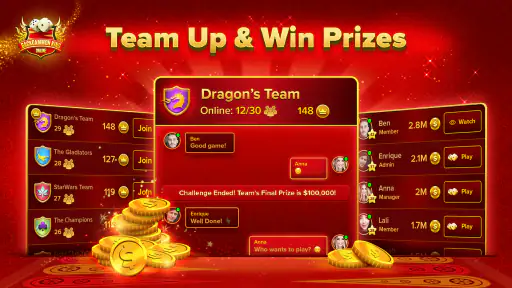
Playing with a friend is especially useful after the controls feel familiar. A friend can explain a move in plain language, and you can test ideas without the pressure of facing an unknown opponent. It also reveals whether the app works for your preferred social rhythm: some people enjoy quick turns, while others want time to discuss positions.
Keep the version in mind when troubleshooting or discussing the game with another player. The installed release is 3.7.3, and the game is designed for Android devices running 7.0 or later. Those details are practical when deciding whether an older phone is a good candidate, particularly if you are installing it for a family member rather than your own main device.
After several sessions, you should know whether the app’s central trade-off works for you: convenience and repeatable play in exchange for the feel of a smaller screen and the uncertainty that comes with dice. I enjoy that balance because it makes each match different without demanding a long commitment.
My final recommendation is straightforward. Backgammon King Online Games is worth trying if you want a free, focused way to play backgammon on Android and are comfortable learning through practice. Its 4.0 average and broad install base suggest a well-established casual choice, but they do not remove the need to judge whether its style matches your expectations.
I would start with one unhurried game, pay attention to legal movement, and use the first loss as a lesson rather than a verdict. If you enjoy weighing safe progress against calculated risk, the app can become a dependable short-session game. If you want zero randomness, a huge variety of boards, or the atmosphere of a real table, another option will serve you better. For everyone in between, Backgammon King Online Games offers a clear path from first roll to a genuinely satisfying improvement.
Pros
- Smooth online matchmaking with players from around the world.
- Classic backgammon rules are easy for beginners to learn.
- Short matches make it convenient for quick gaming sessions.
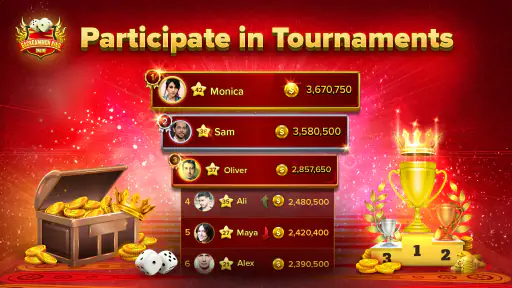
- Leaderboards add a competitive goal for regular players.
- Simple interface keeps the board and available moves easy to follow.
Cons
- Match quality can depend heavily on your internet connection.
- Random dice rolls may feel frustrating during competitive games.
- Some features or items may require in-app purchases.
- Online competition can be challenging for completely new players.
- Ads may interrupt the experience in the free version.