Astro Arena : 3vs3 Battle PvP
- 719.00
- 4.6
- Installs
- 1.00M
- Price
- Free

Screenshots

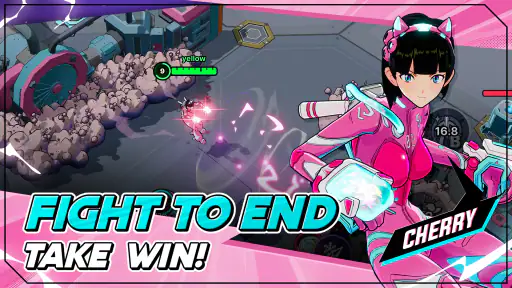


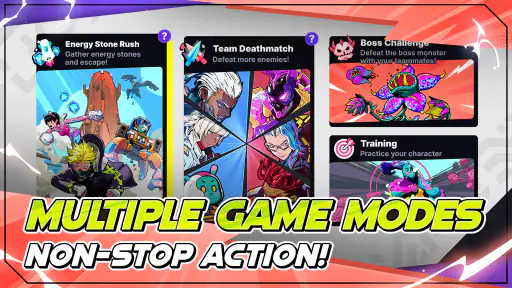

Analysis by Reviewed
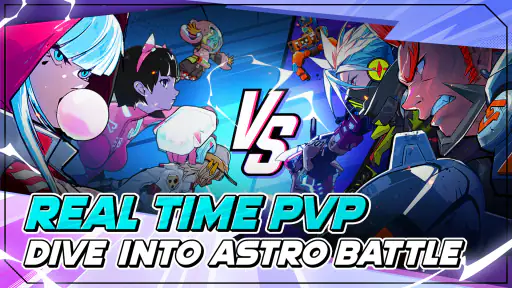
Astro Arena is an action game built around short, competitive matches, and I found its main appeal easy to understand: it asks for quick decisions without demanding that I reserve a large part of my day for a single session. The 3vs3 format gives every match a clear team focus, while the compact design makes it suitable for a spare moment when a larger multiplayer game would feel like too much commitment.
That convenience does not make it a shallow experience. A small arena can make positioning, timing, and target choice matter more because there is less room to hide from a mistake. I enjoyed the way a match can feel immediately readable at first, then become more demanding once I started paying attention to how my teammates moved and when to take a risk. It is not simply about reacting quickly; it is about thinking before the brief match window disappears.
Short matches with a surprisingly serious team rhythm
The game comes from KRAFTON, Inc. and is presented as a free action title for mobile players. Its store summary focuses on fast play and quick thinking, and that description fits the way I approached it. I could start a round without mentally preparing for a long campaign, yet the 3vs3 structure still gave the match enough room for cooperation, mistakes, and momentum shifts.
The most useful early goal is not chasing every available reward or trying to master everything immediately. I found it better to concentrate on understanding the arena rhythm: when to move forward, when to stay with the group, and when an apparently safe attack is actually a bad trade. In a team battle, a personal highlight matters less than whether the whole group remains useful. That is the first lesson the game teaches through play rather than explanation.
For someone who normally avoids competitive games because they seem complicated, the short format is a genuine advantage. You can learn in small attempts instead of committing to an extended session. A commuter with a few free moments, for example, can play a match, put the phone away, and return later without needing to remember a long story or a large map. I think that makes Astro Arena easier to fit into everyday routines than many traditional multiplayer action games.
There is also a trade-off. Short matches make every poor decision more visible. In a longer battle, a team may have time to recover from an early error. Here, wasting a key moment can influence the rest of the round before there is much opportunity to reset the situation. I liked that tension, but players who prefer relaxed experimentation may find the pace unforgiving, especially when teammates are not moving with the same plan.
What to focus on during the first sessions
My advice is to treat the opening sessions as observation time rather than as a test of reflexes. Watch how quickly the team separates, how much space is safe, and which moments cause the action to become chaotic. Instead of copying the most aggressive player, I would first learn to recognize when an attack has support. A fast move that leaves the other two players behind may look impressive but can weaken the entire formation.
A second useful habit is to review why a clash was lost. Was the team divided? Did someone commit before help arrived? Did the group continue pressing after the situation had changed? These questions are more valuable than simply blaming the result. Because the matches are brief, a player can test one adjustment at a time and quickly see whether it improves decision-making.
This is also where the game’s early goals become meaningful. Winning is the obvious objective, but improvement comes from smaller targets: staying near useful teammates, choosing safer engagements, and avoiding repeated mistakes. Those goals give a new player something practical to work on even when the result is disappointing.
Progress feels clearest when it comes from better decisions
Astro Arena uses the familiar appeal of unlocking and improving over time, but I think its strongest progress signal is personal rather than numerical. I noticed growth when I began reading a situation earlier, arriving at a fight with support, or recognizing that retreating was smarter than forcing another exchange. Those changes are easy to overlook because they do not always appear as a dramatic reward, yet they are what make the next match feel more controlled.
The game’s progression works best when unlocks serve as reasons to return rather than as a substitute for skill. A new target can give a player direction, but it cannot repair poor timing or weak teamwork. That distinction matters. If you are looking for a game where simply collecting items guarantees a powerful feeling of advancement, this may be less satisfying than a slower, more explicit progression-focused title.
I also recommend setting a personal stopping point before beginning a session. Competitive games can make one more match feel necessary after a loss, and the short format makes that temptation stronger because another round seems easy to fit in. A simple rule, such as stopping after a clear improvement or after a fixed number of attempts, helps keep the experience enjoyable instead of turning it into a cycle of chasing back a disappointing result.
The free entry point is helpful here. I could approach the game without paying first and decide whether the match structure suited me. In-app purchases range from $0.29 to $99.99 per item, so the store’s purchase range is broad. My practical advice is to judge the game through its basic play before considering optional spending. A purchase should support enjoyment that is already present, not be used to force enthusiasm for a format you do not like.
That spending range also creates a retention question. Unlocks and purchase prompts can make returning feel rewarding, but they can also add pressure if a player starts treating progress as something that must be accelerated. I preferred viewing advancement as a long-term side effect of playing well. That approach keeps the focus on the 3vs3 battles and makes the free starting point feel more honest.
How the challenge develops
The difficulty curve is most interesting when the basic controls stop being the main problem. Early on, I was mainly concerned with movement and immediate reactions. Later, the harder challenge came from choosing the right moment to act while tracking the team’s position. A player can respond quickly and still make the wrong decision, which gives the game more depth than a simple reflex contest.
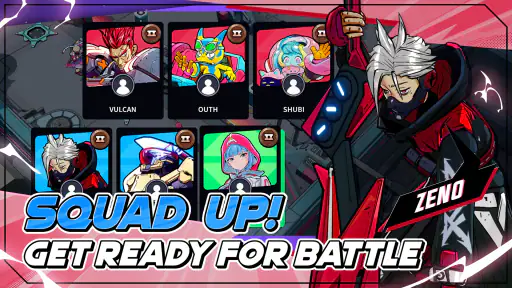
Team composition and coordination naturally affect that curve, even in a short match. A strong individual move may fail if nobody is ready to follow it. Conversely, a cautious player can contribute a great deal by preserving pressure and preventing the group from becoming scattered. This makes the game more approachable for different play styles, although it also means the quality of a session can depend heavily on whether the team behaves coherently.
That dependence is one of the clearest limitations. Players who want complete control over every outcome may become frustrated because a 3vs3 battle is not a solo puzzle. You can make excellent choices and still lose momentum when the other players take conflicting actions. I see that as a natural cost of team PvP rather than a flaw unique to this game, but it should influence your decision to install it.
For practice, I found it more useful to change one behavior at a time. If I tried to become more aggressive, more mobile, and more supportive all at once, it was difficult to tell what had helped. Focusing on staying with the group first, then learning when to pressure, created a clearer path forward. This is a small but important insight for mobile players: short matches reward deliberate experimentation more than frantic improvisation.
The game is rated Everyone 10+, which fits its broad accessibility, but that should not be confused with a completely casual experience. The presentation may be approachable, while the competitive layer still asks for concentration. Younger players and families should also remember that team competition can feel intense even when a game is easy to start. The age rating describes suitability, not whether every match will feel calm.
Why the pacing keeps me returning—and when it may not
The strongest retention feature is the low time commitment. I can play when I have enough attention for one focused activity, rather than opening a game and discovering that a meaningful session requires much longer. That makes the title a good companion for short breaks, especially for players who want action but do not want a full battle royale match or a lengthy role-playing session.
At the same time, the same speed can create repetition. If every session becomes a rush to queue again without reflecting on what happened, the matches may start to blur together. I think the game lasts longer when I give each round a purpose: practicing safer positioning, supporting a teammate, or learning to recognize a losing engagement. Without that personal objective, the short structure can feel less substantial.
Compared with larger multiplayer action games, Astro Arena is less demanding in terms of time and likely easier to pick up between other activities. Compared with purely casual arcade games, it asks more from teamwork and decision-making. It sits in a useful middle ground, but that also means it may not satisfy either extreme. Players seeking a deep, long-form competitive ecosystem may want a more expansive alternative, while players wanting completely pressure-free entertainment may prefer a solo game.
Another practical question is device compatibility. The game supports Android 8.0 and later, which covers a wide range of devices, but compatibility alone does not guarantee an equally comfortable experience on every phone. For a competitive title, screen responsiveness, stable performance, and a comfortable grip matter more than they do in a turn-based game. I would test the feel of movement and aiming early, because awkward handling will become more noticeable as the challenge rises.
The current version is 1.0, so I approached it as a young release rather than a fully mature competitive platform. That does not prevent it from being enjoyable now, but it does affect expectations. Players who need a deeply established game with years of accumulated systems may prefer to wait for a more developed alternative. Those who enjoy discovering a compact PvP game while it is still taking shape may find the starting point appealing.
A realistic everyday session
Imagine finishing a short break at work or school with only enough time for one focused activity. Astro Arena can fit that moment better than a long campaign: start a match, concentrate on staying near the team, and stop when the session ends. If the round goes badly, you can identify one mistake and try again later instead of losing an entire evening to recovery. That makes the game particularly suitable for players who enjoy competition but need strict boundaries around play time.
However, I would not recommend opening it when you are already tired or irritated. The brief format encourages immediate repetition, and a frustrating loss can make it easy to continue playing without improving. On those days, a slower solo game may be the better choice. Astro Arena rewards attention, and its compact matches are most enjoyable when I am willing to think rather than simply tap through another round.
My progression verdict
Astro Arena succeeds when its goals, unlocks, and pacing point back toward better play. The early objectives are clear enough to begin with, while the deeper challenge comes from learning how to act as part of a 3vs3 team. Its best progress signal is the feeling that I understand the arena more clearly and waste fewer opportunities. That is a satisfying form of advancement because it remains meaningful even when a particular match ends in defeat.
I would recommend it to mobile players who want fast action, short competitive sessions, and a game that rewards awareness as much as reaction speed. It is especially well suited to someone who likes improving through repeated attempts, can accept that teammates influence results, and prefers a focused match over a large, time-heavy multiplayer experience. The average rating of 4.6 from around 42 thousand ratings, together with over 1 million installs, suggests that its compact approach has already attracted a substantial audience.
I would suggest skipping it if you dislike team-dependent outcomes, feel pressured by competitive repetition, or want a richly developed progression system above all else. The free price makes trying it straightforward, but the available in-app purchases mean I would keep spending firmly optional and decide based on enjoyment rather than impatience. For younger users, the Everyone 10+ rating is reassuring, while parents should still consider how their child handles competitive wins and losses.
Overall, I see it as a focused action game rather than a replacement for every other mobile multiplayer title. Its appeal is the combination of quick matches and decisions that matter immediately. The experience is at its best when I use each round to learn something specific, accept that teamwork can be unpredictable, and treat unlocks as a bonus to steady improvement. If that sounds like the kind of progress you enjoy, Astro Arena is worth trying as a free, compact 3vs3 PvP game.
Pros
- Quick 3v3 matches suit short gaming sessions.
- Different heroes offer varied combat roles and strategies.
- Simple controls make the game easy to pick up.
- Team coordination can create satisfying comeback victories.
- Bright sci-fi visuals give battles a lively atmosphere.
Cons
- Matchmaking may feel uneven when teams have different skill levels.
- Progression can become repetitive after extended play.
- Some upgrades may encourage spending to advance faster.
- A stable internet connection is required for every battle.
- Small-screen controls can feel crowded during intense fights.

- Category
- Action
- Version
- 1.0