ARES: THE IRON VANGUARD
- 535.00
- 4.6
- Installs
- 500.00K
- Price
- Free

Screenshots


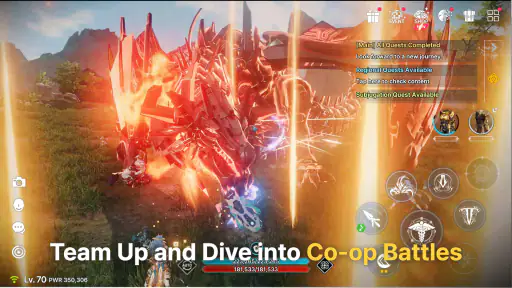
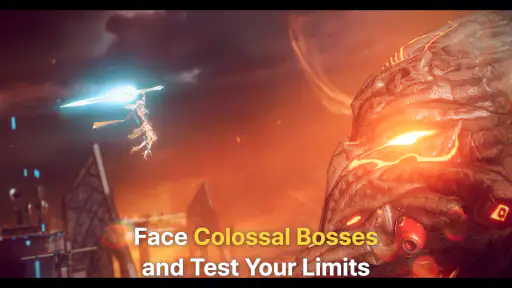
Analysis by Reviewed
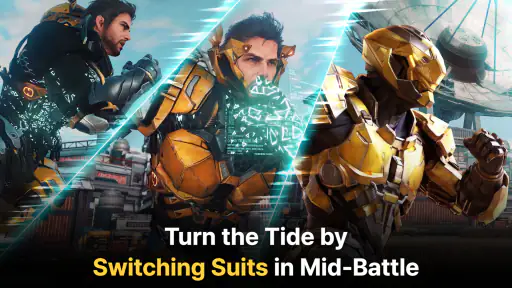
I’d approach ARES: THE IRON VANGUARD as a role-playing game for players who enjoy adjusting their approach as battles unfold, rather than expecting a simple, hands-off routine. Its central idea is appealing: suit up, then use your choices to influence the fight. That gives the game a tactical-sounding identity, but it also means the experience may suit you less if you want a story-first RPG with no pressure to think about combat decisions.
Com2uS Holdings is the developer, and the game is free to start. It has a 4.6 average from around 15,000 ratings, with over 500,000 installs. Those figures suggest that many players have found something to like, but they do not tell me whether its pace or battle style will fit your taste. I’d treat them as a reason to take a look, not as proof that every part will click.
Where the first hurdles can appear
Give the opening a little room
When a role-playing game puts equipment and battle decisions at the center, it can take a while to understand which choices matter. I would not rush through the early explanations simply to get to the next fight. Pay attention to what the game asks you to change and what effect that change appears to have. A small pause to connect a choice with its result is more useful than making several adjustments at once and then guessing which one helped.
Articles Related to ARES: THE IRON VANGUARD
That approach is especially helpful if you are new to games where preparation is part of the action. Rather than treating each encounter as a test of reflexes alone, think of it as a chance to learn how your setup and decisions work together. If a battle goes badly, note the point where your plan stopped working before changing everything. This keeps experimentation manageable and makes progress feel earned instead of random.
The trade-off is that this style asks for attention. If you usually play an RPG while distracted, you may find it harder to appreciate a game that invites you to think about how you enter a fight. I’d recommend short, focused sessions at first. They make it easier to follow the game’s explanations and decide whether its combat emphasis is genuinely enjoyable for you.
Check the basics before troubleshooting
The current version is 1.5.2, and the listed minimum operating system is Android 8.0. Before installing, I’d check that your device runs a compatible version of Android and has enough free space for the game and any files it needs during setup. The operating-system requirement is a starting check, not a promise that every compatible device will feel equally smooth.
If installation or the first launch seems to stall, avoid immediately changing several device settings. First confirm that the download has finished, that the connection is working, and that the device has available storage. Close other apps if the phone is under strain, then try launching the game again. These are sensible first checks because they separate ordinary setup trouble from a problem that may need more specific attention.
You May Like

How Microsoft OneDrive Became a Mobile Productivity Giant

How Google Translate Breaks Language Barriers Effortlessly

Why Google Sheets Is the Ultimate Mobile Productivity Tool

Unveiling the Dynamic World of My Talking Tom Friends

Free Fire MAX: Dominating the Battle Royale Arena
Free Fire: Winterlands – The Ultimate Winter Gaming Adventure
The game is rated Teen, so it is worth checking whether that age guidance fits the person who will play. I’d also look at the purchase screen carefully before confirming anything: the game is free, but it offers optional in-app purchases ranging from $0.99 to $99.99 per item. That is a wide range, so setting a spending limit before play is a practical move, especially on a shared device.
Recover a session without making the problem worse
If a battle or menu behaves unexpectedly, start with the least disruptive recovery steps. Give the screen a moment, check whether the connection is still available, and then close and reopen the game if it remains unresponsive. If you need to restart the device, do so only after you are comfortable that you are not in the middle of a process you want to preserve. I would avoid repeatedly tapping purchase or confirmation controls when a screen appears delayed.
For a recurring issue, make a simple note of what happened: whether it occurred during startup, while moving through menus, or in a particular kind of session. That record can help you tell a one-off slowdown from a repeatable problem. It also makes any later help request more useful than a vague description such as “the game is broken.”
When you return after an interruption, take a moment to reorient yourself before making a major choice. Check what the current screen is asking you to do and whether your last intended action seems to have completed. This is a small but valuable habit in an RPG where decisions around equipment and combat can be linked: it reduces the chance of responding to a temporary pause by making an unnecessary change.
When the game may not be the cause
A slow start or interrupted session does not automatically mean ARES is at fault. A weak connection, low remaining storage, or a device busy with other tasks can affect games generally. If you notice similar trouble elsewhere on your phone, check the device and network before reinstalling. Reinstalling is a bigger step, and I would not make it the first response to a single failed launch.
Battery-saving settings and background activity can also influence how a phone handles a demanding game, though the effect varies by device. If play is interrupted, try a session with fewer apps open and a stable connection. Change one thing at a time so you can tell whether it makes a difference. Avoid changing settings you do not understand just because a game briefly pauses.
There is also a difference between technical friction and a design that simply is not for you. If you find that you dislike pausing to think about battle choices, a smoother, more story-led RPG may be a better match even when ARES runs perfectly. Conversely, if the game feels confusing at first but you enjoy testing a choice and seeing how the next encounter changes, a little patience may be worthwhile.
Make your play sessions easier to manage
One useful way to try the game is to give each session a small purpose. You might focus on learning one part of the battle flow, then stop and consider whether your decisions felt understandable. This avoids the common trap of playing for a long stretch without knowing whether you are enjoying the core loop or simply pushing through unfamiliar menus.
For an everyday example, imagine opening the game during a short break. If you have only a few minutes, use that time to review what you were doing and decide on one next step, rather than beginning a session that requires more attention than you have available. When you can give it a longer, quieter stretch, you can focus on how preparation and in-battle choices fit together. That distinction helps you avoid blaming the game for a rushed session that was never a good test of its strengths.
Another practical tip is to change one element of your approach at a time after a difficult encounter. If you alter several things simultaneously, it becomes hard to learn what improved the result. This is not a hidden mechanic or a promise of a particular outcome; it is simply a clearer way to evaluate a game built around changing how you approach battle. It also makes setbacks less frustrating because each attempt teaches you something specific.
How it compares with other role-playing games
Compared with a conventional story-led RPG, ARES appears more focused on the relationship between gearing up and the flow of combat. That focus is a strength if you like treating fights as problems to solve, but it may leave you wanting more if your main reason for playing is dialogue, exploration, or a relaxed narrative pace. I would choose based on what you want to do minute to minute, not simply on the role-playing label.
Against an action game that emphasizes immediate reactions, this one’s appeal is the thought you put into entering battle, as suggested by its suit-up premise. Players who prefer a direct, quick loop may find that preparation adds friction instead of depth. On the other hand, someone who likes adjusting a plan after seeing how a fight develops may find that more satisfying than repeating the same inputs.
It is also worth comparing it with other free-to-start mobile RPGs on spending habits. Optional purchases can make it easy to spend impulsively, particularly when a player is trying to overcome a frustrating moment. I’d decide in advance whether you want to spend at all, and avoid treating a purchase as a substitute for understanding the game’s choices. The listed price range makes that boundary especially useful.
Who I’d recommend it to
I’d suggest giving it a try if you enjoy role-playing games where equipment decisions and combat planning are part of the appeal. It may be a good fit for players who like noticing why an encounter went poorly, making a measured adjustment, and trying again. The free entry point makes it easier to sample that style without paying upfront, while the Teen rating gives families a useful starting point for deciding whether it is appropriate.
I would steer away if you want a very casual game that asks little attention, or if you strongly dislike optional purchase prompts in free-to-play games. I’d also look elsewhere if you mainly want a rich, character-driven story or a quick action game that gets straight to the moment-to-moment combat. Those preferences are not flaws; they simply point toward a different kind of RPG.
A practical verdict
My recommendation is to try ARES: THE IRON VANGUARD with modest expectations and a clear idea of what you want from it: a role-playing game that asks you to think about how you enter and handle battles. Start by checking device compatibility, keep the first sessions focused, and change one approach at a time when you hit a setback. Those habits make it easier to distinguish setup issues from a style of play you may not enjoy.
Overall, I see it as a promising option for players who want more involvement than simply advancing through an RPG on autopilot. Its main limitation is also its defining choice: battle preparation and decisions may be engaging for one person and a chore for another. With a 4.6 average and a sizable player base, it has clearly attracted interest, but your own first few sessions are the better test. If you enjoy learning from each fight, it is worth trying; if you want a calmer, story-led alternative, I’d choose a game built around that instead.
Choose the right moment to test its rhythm
A useful way to judge the game is to separate “Can I play this comfortably?” from “Do I like what it asks me to do?” A brief, interrupted session can make any menu-heavy game feel awkward, while a quiet stretch gives you a fairer sense of whether its battle decisions hold your interest. I would not use one rushed attempt as the whole verdict, but I also would not keep pushing through if the central loop consistently feels like homework.
For example, if you tend to play on the commute, consider whether you can give the screen enough attention and whether your connection is dependable during that trip. If not, a session at home may be a better first test. The point is not that one setting is required; it is to match the game’s demands to the time and conditions you actually have.
Make purchase decisions outside a frustrating moment
Because the game offers optional purchases, I’d decide on a personal rule before a difficult stretch: either keep spending off the table or set a firm limit that you are comfortable with. That makes it easier to assess whether you are enjoying the game itself rather than reacting to a temporary setback. In particular, avoid making a purchase simply because a screen feels slow or an encounter did not go as planned; first close the game calmly if needed, then return when you can make the choice deliberately.
This is also a practical consideration for families sharing a phone. The Teen age guidance is a useful prompt to talk about suitability, while a device-level purchase safeguard can help prevent accidental spending. I would treat those as separate decisions: an age rating does not replace a conversation about purchases, and a spending rule does not answer whether the game’s style is right for a younger player.
One small workflow habit can help with both learning and troubleshooting: after a session, remember the last screen or decision you reached. If the next launch feels confusing, that mental bookmark gives you a starting point instead of encouraging random taps. It also helps you tell a genuine technical interruption from simply having forgotten where you left off.
For Android users, the minimum requirement is Android 8.0, but device compatibility should still be checked before installing. iPhone and iPad owners should confirm compatibility in the relevant store before making plans to play. Either way, I would leave enough storage free and avoid starting installation while relying on an unstable connection; those simple checks reduce avoidable setup frustration without changing system settings unnecessarily.
Final recommendation for the right kind of player
If you want a mobile RPG that rewards attention to preparation and gives you reasons to reassess your approach after a fight, ARES: THE IRON VANGUARD is a sensible free starting point. Its appeal is specific rather than universal: I’d try it when I have time to learn the battle flow, keep purchases intentional, and judge it on whether its choices make encounters more engaging. If I wanted a mostly hands-off story or a quick game for fragmented attention, I would pick another style of RPG instead.
ARES: THE IRON VANGUARD Frequently Asked Questions
What kind of game is ARES: THE IRON VANGUARD?
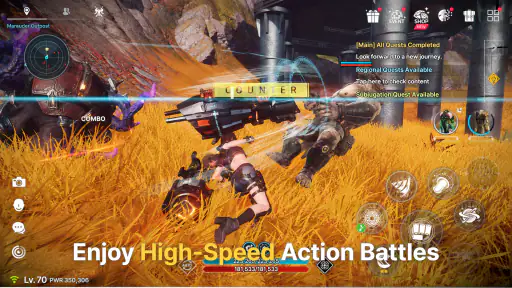
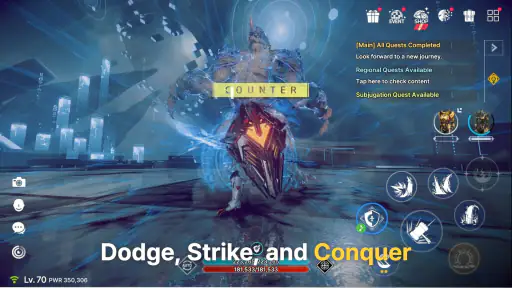
ARES: THE IRON VANGUARD is presented as a sci-fi action game centered on mechanized combat. Players take control of a powerful combat unit and face hostile forces in a futuristic setting. The exact mix of missions, progression systems, and game modes can depend on the version available in your region, so check the store listing and screenshots to confirm what is currently included before downloading.
Is ARES: THE IRON VANGUARD free to download?
The game may be offered as a free download, but that does not necessarily mean every feature or item is free. Mobile games can include optional purchases, advertisements, or paid content, and availability may vary by country and platform. Review the current Google Play or App Store listing for pricing and in-app purchase details, and check the payment settings on your device if children may be using it.
Can I play ARES: THE IRON VANGUARD offline?
Offline availability is not something to assume for ARES: THE IRON VANGUARD. Some action games require an internet connection for account access, downloading game data, events, or saving progress, even when their main missions are played solo. Check the store description and recent user reviews for connection requirements. If you need to play without mobile data or Wi-Fi, test this before relying on the game while traveling.
Which devices are compatible, and how much storage does the game need?
Compatibility depends on the current version and your device’s operating system, processor, memory, and available storage. The download shown in the store may not include additional files the game retrieves after installation, so leave extra space available. Before downloading, check the minimum system requirements on the official store page and make sure your device is updated. Performance can vary, particularly on older phones or tablets.
Does ARES: THE IRON VANGUARD include multiplayer or require an account?
Features such as multiplayer, account sign-in, cloud saves, and online events may differ between releases and updates. Check the game’s store page and privacy information to see whether registration or a persistent connection is required. If online play is available, a stable connection may improve the experience, while account linking can help preserve progress after changing devices. Avoid sharing personal information beyond what the official app requires.
Pros
- Distinctive sci-fi setting gives the game a strong identity.
- Mech-focused combat offers a change from conventional fantasy battles.
- A mix of units and abilities adds variety to tactical encounters.
- Polished visuals make battles and character designs engaging.
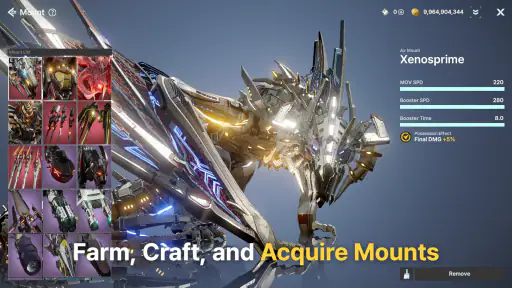
- Suitable for players who enjoy collecting and upgrading a roster.
Cons
- Progression may require considerable time or repeated play.
- Roster collection can make obtaining specific characters unpredictable.
- Upgrade systems may feel complicated to newcomers.
- Combat can become repetitive during extended play sessions.
- Online features may require a stable internet connection.

- Category
- Role Playing
- Version
- 1.5.2