Aniimo
- 1.31K
- 3.6
- Installs
- 1.00M
- Price
- Free

Screenshots


Analysis by Reviewed
I approached Aniimo as a role-playing game for players who like the idea of exploring a world while collecting creatures, rather than as a quick battle game with a collection screen attached. Its appeal is easy to grasp, but the more useful question is whether that combination suits the way you actually like to play. I’d consider it when I want a longer-running adventure with choices to make as I go; I’d be more cautious if I wanted a tightly directed story or immediate, low-commitment action.
Choosing how to spend your attention
Creature-catching games often ask you to divide attention between exploration, collecting, and improving a team. Aniimo’s open-world RPG framing makes that balance central: roaming is part of the draw, but wandering has less value if you are not interested in what you might encounter or how collecting fits into your broader progress. I find that a more appealing proposition than a game that treats creatures as a checklist, provided you enjoy setting your own short-term goals.
A practical way to approach it is to decide what you want from a session before you start. If you have a little time, pick one modest aim—explore an area, look for a creature that interests you, or make progress toward a larger personal target—rather than expecting to complete several kinds of activity at once. That habit is useful in open-world games generally, but especially in a creature-catching RPG, where the temptation to chase every new possibility can make a short session feel scattered.
I also like to think about the tradeoff between curiosity and direction. Following whatever catches your eye can make exploration feel spontaneous, while keeping a specific goal in mind helps avoid aimless play. Neither approach is automatically better. If you enjoy discovering your own priorities, the open-world setup has room for that. If you prefer the game to give you a clear next task at every turn, a more linear role-playing game may be a better match.
What the format is best suited to
Aniimo is a role-playing game from Pawprint Studio, and its creature-catching focus gives it a different decision rhythm from a conventional fantasy RPG. Instead of thinking only about where to go next, you may also find yourself weighing which discoveries deserve your time and what kind of collection you want to build. That makes it a natural fit for players who enjoy forming personal goals around a growing roster, rather than simply following a fixed sequence of encounters.
It is less suitable if you mainly want a short, self-contained experience. Open-world structure tends to reward returning and following threads over time, so I would not choose Aniimo expecting every play session to deliver a neat beginning and ending. If you have a crowded schedule, the better question is whether you enjoy making small amounts of progress without needing a major milestone every time you play.
For an everyday example, imagine having a quiet stretch after dinner but not enough time to settle into a long story chapter. I’d use a session like that to explore with one goal in mind, then stop once I had made a satisfying bit of progress. The important part is not treating every detour as a failure: in this kind of game, a worthwhile discovery can be a good outcome even when it was not the original plan.
You May Like

Clash of Clans Is Won Between the Battles

Android Auto Makes the Case for Quieter Car Software

MobiOffice: Transforming Mobile Productivity with Seamless Integration

EA SPORTS FC™ Mobile Soccer: Redefining Mobile Sports Gaming

How Microsoft OneDrive Became a Mobile Productivity Giant

How Google Translate Breaks Language Barriers Effortlessly
How much risk is worth taking?
Creature collection naturally creates a risk-and-reward question: do you keep moving toward something unfamiliar, or spend your attention on what you already know you want? I can’t recommend a particular creature, route, or battle tactic without reliable details about those systems, but the broader planning choice still matters. Players who enjoy improvising will likely be comfortable changing course when exploration presents an appealing possibility. Players who dislike losing momentum may prefer to keep a clear objective and treat side discoveries as optional.
One useful rule is to separate a session’s main aim from its bonus aim. For example, decide first what would make the session feel productive, then allow yourself one diversion if something genuinely interesting turns up. This avoids the common open-world trap of continually postponing the goal because another possibility is just around the corner. It also makes it easier to stop playing without feeling that you left an endless list of unfinished errands behind.
There is a tradeoff here: a strict plan can make exploration feel like work, while no plan at all can make a large world feel unfocused. I would adjust based on mood. On a relaxed evening, follow curiosity; when time is limited, choose one priority and let the rest wait. That simple distinction is more practical than trying to optimize every decision before you know what kind of player you are in this world.
Before spending money, I’d also treat the free entry point as a chance to decide whether the basic loop works for me. The game is free to play, with optional in-app purchases ranging from $0.19 to $149.99 per item. That is a wide range, so I would set a personal spending boundary before browsing purchase options, rather than letting enthusiasm for a creature-collection goal decide the budget in the moment. Players who prefer games with no optional spending choices may be more comfortable with a paid title that has a straightforward upfront cost.
Adapting when your first plan stops working
Adaptation matters in any game built around collecting and progression, because a plan that seemed compelling at the start may become less interesting later. My advice is to notice what you are actually enjoying. If exploring is the best part, give it more room rather than forcing yourself to chase a collection target. If the appeal is building a roster, make that the reason for your next session. The point is to let your priorities change instead of treating your first goal as a promise you must keep.
A small planning trick is to leave yourself a clear next step when you stop. It can be as simple as remembering the place you wanted to inspect or the sort of creature you hoped to find. That makes returning easier and reduces the time spent deciding what to do. It is not a special in-game system; it is a way of managing an open-ended game so that your next visit begins with intention rather than a long stretch of indecision.
For players who like tactical counterplay, the honest distinction is between adapting to a known set of mechanics and adapting your own approach to the game’s broader choices. I can recommend the latter without pretending to know specific combat rules: keep your goals flexible, avoid committing resources impulsively, and be willing to change direction if your current plan is no longer fun. If detailed, predictable combat is the main reason you play creature RPGs, look for a game whose battle systems are clearly the central attraction instead.
The game is rated Teen, which is worth keeping in mind when deciding whether it is suitable for younger players in your household. I would also check that the device meets the stated minimum operating-system requirement of version 7.0 before planning to play. Those practical checks are easy to overlook when the main attraction is the world and its creatures, but they can save frustration before you commit time to installing and learning the game.
What returning players should consider
The case for sticking with Aniimo depends on whether its collection-and-exploration loop continues to give you reasons to return. A game with an open world can offer a satisfying long horizon, but that also means the player has to supply some of the motivation. I enjoy that freedom when I can make small goals for myself. Someone who needs a strong sequence of authored objectives may find the same freedom less compelling and might prefer a more story-led RPG.
That difference also explains why comparisons with familiar alternatives should focus on play style, not just the presence of creatures. A linear creature-collecting game is usually easier to approach when you want a clear route and a defined progression path. A conventional open-world RPG may be preferable if exploration matters more to you than collecting. Aniimo sits between those preferences, so its strongest audience is likely people who want both ideas in the same game and are comfortable deciding how to balance them.
Its reception suggests a mixed but substantial audience: Aniimo has an average rating of 3.6 from around 24,000 ratings, with roughly 1,300 written reviews, and it has passed one million installs. I would read that as a reason to approach with realistic expectations, not as a verdict on whether I will enjoy it. Ratings compress many different priorities into one score; for this game, the more useful test is whether you like open-ended exploration and creature collection enough to accept the planning and patience those interests can require.
The current version is 1.0.1, so I would judge it as an early version of the experience rather than assume it already has the accumulated polish or breadth of a long-established series. That is not a reason to dismiss it, but it does affect how I would approach it: try the core loop first, keep expectations measured, and decide whether the game’s particular mix holds your attention before investing heavily in optional purchases or a long-term plan.
Who I’d recommend it to
I’d suggest Aniimo to a friend who likes exploring without a strict route, enjoys the idea of building a creature collection, and does not mind setting personal goals between larger milestones. It is especially promising for someone who likes alternating between purposeful progress and the occasional detour. If you regularly play in short sessions, you can make it work by choosing one small objective at a time instead of expecting each visit to resolve a major part of the adventure.
I would steer away from it if you want a compact RPG with a clearly defined finish, dislike open-ended exploration, or prefer to avoid games with optional in-app purchases altogether. I would also hesitate to recommend it to someone whose main requirement is deep, highly specified tactical combat; without that being the defining appeal here, a combat-first role-playing game may be a safer choice. The right fit depends less on how impressive the premise sounds and more on whether the day-to-day decision-making suits you.
My verdict is that Aniimo is worth considering as a free creature-collecting RPG when you want a world to explore at your own pace. I would start with modest goals, pay attention to whether discovery or collection is doing most of the work for me, and keep a firm spending limit in view. If that flexible rhythm feels inviting, Pawprint Studio’s game has a clear place on your shortlist. If you need a guided story, a predictable session structure, or a purchase model without optional item spending, I’d choose another kind of RPG instead.
Aniimo Frequently Asked Questions
What is Aniimo?
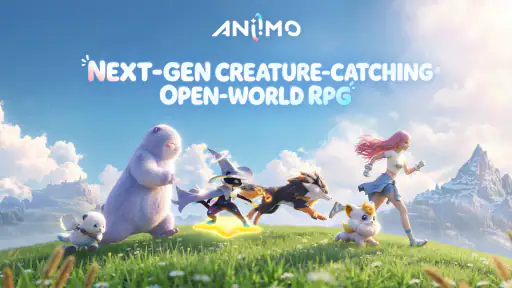
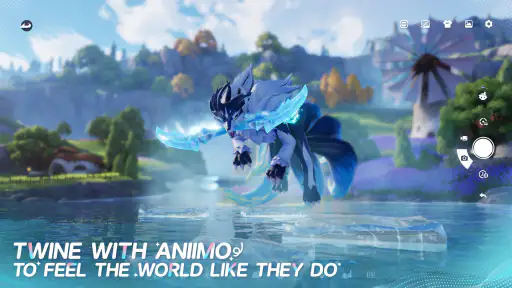
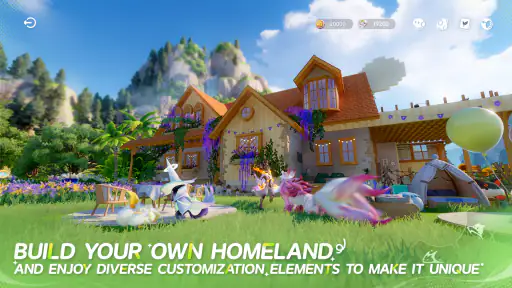
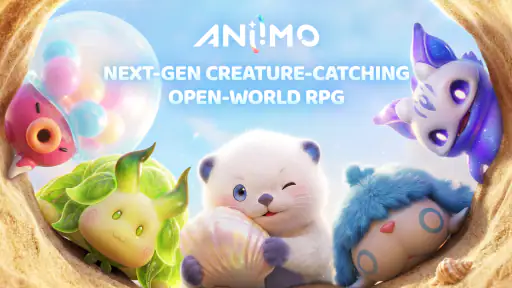
Aniimo is a creature-collection adventure game built around discovering, capturing, and developing fantastical beings called Aniimo. Players explore a colorful world, encounter creatures with different abilities, and use them in activities such as battles and exploration. The game’s appeal lies in collecting a varied roster and learning how its creatures work together. Check the current store listing for the latest description, supported devices, and release availability in your region.
Is Aniimo free to download and play?
The cost and monetization details for Aniimo can depend on its release status and the platform or region where it is offered. Before downloading, check the official Google Play Store or Apple App Store listing to confirm whether the game is free, whether it includes in-app purchases, and whether any optional content or subscriptions are available. Also review the listing’s age rating and purchase settings, particularly if children will be playing.
Which devices and platforms support Aniimo?
Aniimo’s supported platforms and device requirements may change as the game develops or becomes available in additional regions. Look at the official store page for the specific operating-system version, device compatibility, and any stated storage or network requirements before installing. If the game is not listed for your device, it may not yet be available there. Download it only from an official store or publisher-approved source to reduce the risk of unsafe files.
Does Aniimo require an internet connection?
Online requirements can affect whether you can play Aniimo while travelling or with limited connectivity. Confirm the game’s current store description and publisher announcements to learn whether an internet connection is needed for initial setup, account access, updates, multiplayer features, or regular play. If you plan to play offline, do not assume that all modes will remain available without a connection; availability can depend on the game’s version and service status.
What should I know about gameplay and in-app purchases before downloading Aniimo?
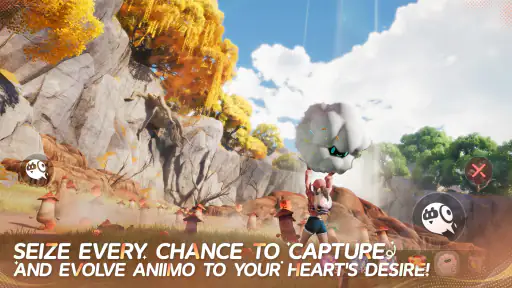
Aniimo focuses on finding and collecting creatures, then using them as you explore and take part in the game’s activities. The precise features, progression systems, and purchase options may differ by version, so check recent official information and the store listing before committing time or money. Review in-app purchase details, privacy information, and user reviews as well. These checks can help you decide whether the game’s style and optional spending suit you.
Pros
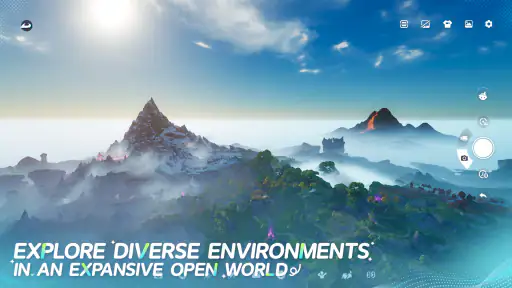
- Explore a colorful open world with a variety of environments.
- Capture and collect Aniimo creatures as you explore.
- Switch between human and Aniimo forms for different abilities.
- Creature designs offer plenty of variety for collectors.
- Free-to-play entry lets you try the game without an upfront purchase.
Cons
- Online features mean a stable internet connection is needed.
- Free-to-play systems may include optional in-game purchases.
- Collecting specific creatures may require considerable time and patience.
- Large open-world areas can be demanding on older devices.
- Availability and features may vary by platform or region.

- Category
- Role Playing
- Version
- 1.0.1