8 Ball Challenge
- 1.79K
- 4.8
- Installs
- 5.00M
- Price
- Free

Screenshots


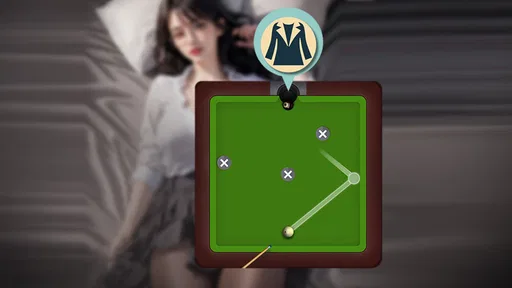
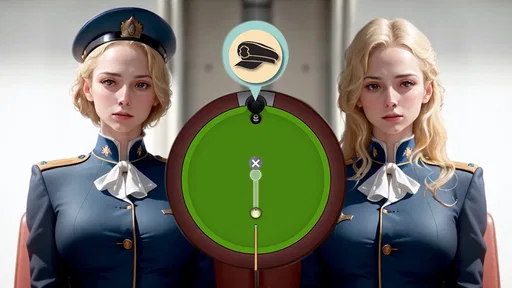


Analysis by Reviewed
I like having a pool game on my phone for the odd quiet moment, especially when setting up a real game is not practical. 8 Ball Strike Challenge is a free sports game from 블록 스튜디오, built around aiming and planning shots. Its early appeal is easy to understand: you can get into a billiards match without needing a table beside you. Whether its challenges keep that first bit of interest going depends on how much you enjoy working through one shot at a time.
Why a quick game can turn into a routine
For me, the best reason to keep a mobile pool game installed is convenience, not the promise that it will replace a night at a pool hall. I can pick it up when I have a little spare time, make a few considered shots, and put it down again. That makes this a better fit for short, focused breaks than for moments when I’m half-watching something else and tapping without thinking.
A realistic routine might be opening it while waiting for a ride, playing a match while a friend is running late, and stopping once attention shifts elsewhere. The useful trick is to decide beforehand whether I have time for a full match or only a brief session. That avoids turning a casual distraction into frustration if I need to leave midway through a concentrated run of shots.
It also helps to treat each session as a chance to practise one small skill. I might pay attention to aim in one match and cue-ball position in another, rather than trying to fix every mistake at once. This is a more manageable way to notice improvement, especially when wins are inconsistent or an opponent plays more confidently than I do.
Where it fits among pool and sports games
Compared with a fast arcade sports game, this kind of billiards experience rewards deliberate choices more than reflexes. That can be a welcome change when I want a game to slow me down, but it is not ideal if I’m looking for constant movement, a story to follow, or action that works well with only a glance at the screen.
Against other mobile pool games, the main question is what kind of structure I want around the table. Challenge and competition can give a session a clearer objective than an open-ended practice mode, while a player who only wants to experiment with shots may prefer a billiards title built chiefly for relaxed solo play. I would choose based on whether I want opponents and goals to shape my time, not just on which game has the most decorative options.
There is a trade-off in the phone format itself. Touch input makes it easy to start a match almost anywhere, but it asks me to be patient with alignment and to give the screen room for my attention. If I want the tactile judgement of a real cue, the weight of the shot, or the social feel of taking turns around a table, playing in person is still the better choice.
More From Our News Desk
 Instagram
’s Power Comes From Its Place in Your Phone
A close look at how Instagram turns Meta’s reach, recommendation systems and everyday camera habits into durable platform power—and what that costs users.

 Gmail
Gmail in a Busy Inbox: Who Benefits Most?
From first account to crowded workday, Gmail earns its place through dependable search and flexible sorting—but its best fit depends on how much inbox maintenance you can tolerate.

 Prime Video
Switching to Prime Video: What Changes in Your Viewing Routine
Prime Video can make a compelling second home for streaming, but switching means learning a different catalog, rental layer, and route from browsing to playback.
 Universal TV Remote Control
 Works Best as a Reliable Backup
A phone remote earns its place through quick setup and reliable habits. Here is how to get more from Universal TV Remote Control—and where its limits show.

 Weather - By Xiaomi
Weather by Xiaomi Review: Clear at a Glance, Less Clear Up Close
Xiaomi’s weather app makes everyday forecasts quick to scan, but its calm surface can leave useful details and recovery paths harder to find than they should be.

 X
X Under Pressure: Can It Recover When Posting Goes Wrong?
A resilience-focused review of X, examining setup, mistaken posts, interruptions, weak connections, and the gaps that matter when recovery needs to be dependable.
Latest News



Gameplay Experience
When you first open 8 Ball Strike Challenge, you're greeted with a sleek and intuitive interface. The developers have done a fantastic job of making sure that even if you're a beginner, you won't feel overwhelmed. The tutorial is straightforward, and within minutes, you're ready to take on your first match. The controls are smooth and responsive, allowing you to focus on your strategy rather than wrestling with clunky mechanics.
Early goals and progress signals
For a newcomer, the useful first goal is not to chase a win at any cost but to learn how a small change in aim affects the next shot. I’d take a moment to line up a shot, notice where the cue ball is likely to finish, and treat that position as part of the plan. That habit makes the game feel more like billiards than a sequence of taps, and it gives you a personal way to measure progress even before victories become regular.
The game’s challenge framing gives each session a clear reason to take another turn, but I wouldn’t assume every unlock or reward means your technique has improved. A new item can make play feel fresh; better control of angles and shot selection is the more meaningful progress signal. If you’re starting out, focus on making a deliberate choice before each shot rather than trying to move quickly. That is a practical way to build confidence without turning a casual game into homework.
One subtle habit that makes those goals more useful is to keep a mental note of the shot that caused trouble, rather than remembering only whether the match ended in a win. Was the angle difficult, or did the cue ball finish somewhere that left no good follow-up? That distinction helps separate a poor decision from a difficult position. It also stops a win from disguising a pattern that may hold back your next match.
Progress can feel uneven in a game where the outcome depends on a sequence of shots. I try not to judge a session by one missed opportunity; instead, I look for whether I planned the next move more carefully than I did before. That personal measure matters because visible rewards can be motivating, but they do not necessarily show whether I’m learning to play with better control.
Graphics and Sound
One thing that sets this app apart from many others is its stunning graphics. The attention to detail in the pool tables and balls is impressive, giving you a realistic experience without being too taxing on your device. The sound effects are spot-on, from the satisfying clink of the balls to the subtle background music that keeps you in the zone. It's like having a mini pool hall right in your pocket!
That presentation helps short sessions feel satisfying, though a polished table view is not the same thing as a full substitute for playing pool in person. On a phone, you are working with a compact screen and touch controls, so careful alignment matters more than showy speed. I find it best to play when I can give the screen a little attention, rather than trying to aim while distracted or rushing through a break between other tasks.
For practical play, I’d also consider where I’m using the game. In a noisy place, the visual table and careful aiming matter more than the background sound; in a quiet room, the audio can add atmosphere, but I still wouldn’t rely on sound alone to judge a shot. The presentation supports the pool-room mood, while the actual decisions remain visual and deliberate.
Difficulty and multiplayer
What really keeps me coming back to 8 Ball Strike Challenge is its multiplayer mode. You can challenge friends or random players from around the world. The matchmaking system is quick and efficient, ensuring you spend more time playing and less time waiting for an opponent. There's nothing quite like the thrill of a close match against a real player, and this app delivers that experience beautifully.
The game also includes a ranking system, which adds an extra layer of competition. Climbing the ranks is no easy feat, but the sense of accomplishment you get with each victory is incredibly rewarding.
That competitive layer can also change the pace. A player who is comfortable taking time to plan may enjoy the pressure of a close match, while someone looking for a completely relaxed, interruption-free experience may prefer a solo activity. I’d treat wins and rank as motivation, not as a verdict on whether I’m good at billiards: a few difficult matches can expose weak shot choices, but they can also simply be a tougher stretch of competition.
For an everyday use case, this is the kind of game I’d open while waiting for a friend or winding down for a few minutes, then leave when I no longer have the attention to line up shots. Compared with casual sports games that reward quick reactions, this one asks for more patience and planning. Compared with a physical pool table, it is far easier to start, but it cannot reproduce the feel of a cue in your hand or the social atmosphere around a real table.
For someone new to mobile billiards, I’d use early matches to learn the rhythm before taking rank too seriously. Competition can make careful play exciting, but it can also make every mistake feel bigger than it is. When that happens, switching back to a slower, self-directed approach is a better way to rebuild confidence than treating the next opponent as a test of skill.
If the choice is between a match against another player and a few minutes of relaxed play, I’d pick according to my mood rather than assume one mode is always better. A real opponent adds unpredictability and a reason to stay engaged; a quieter session is preferable when I’m tired or likely to be interrupted. That distinction is worth considering for anyone who wants a game that can fit both a spare moment and a competitive mood.
Customization and retention
If you're someone who likes to add a personal touch to your games, you'll appreciate the customization options available. From choosing your cue to selecting different table designs, you can make the game truly yours. It's these little details that enhance the overall experience and keep the game feeling fresh.
In addition, there are daily challenges and rewards, which give you a reason to log in every day. Whether it's a new cue or some extra coins, these incentives keep the gameplay engaging and dynamic.
Daily goals can be a handy nudge when you want a clear task, but I wouldn’t let a login routine dictate when to play. If you have only a short break, choose a challenge that suits the time and attention you have; if you feel pressured to return just to keep up, it may be better to step away. The game is strongest as an easy-to-start billiards option, not as an obligation. Its free price removes a purchase decision, but it doesn’t mean every player will enjoy a competitive loop or want to check in regularly.
The useful way to approach optional goals is to treat them as a menu, not a schedule. If a challenge fits the kind of play I already want, it gives the session direction; if it would make me rush shots or keep playing when I’m done, I can ignore the nudge. That trade-off matters for people who enjoy collecting or unlocking things but do not want a phone game to set their daily routine.
Customization is most enjoyable when it changes the feel of a session without becoming the reason to play on its own. A cue or table choice can make the game feel more personal, but my lasting interest still depends on whether lining up shots and facing the next challenge is satisfying. Players who need a long-term progression path with a very clear sequence of major milestones may find this style of reward loop less compelling than a game built around a campaign.
It’s aimed at Teen players, and its 4.6 average from around 14,000 ratings, alongside over a million installs, suggests that many people have tried it. The current version is 1.0.28, and it runs on Android 6.0 or later. Those details make it straightforward to judge basic compatibility, but the more important question is whether you want touch-based pool with challenge and competition. If you mainly want quiet practice, or prefer a more physically realistic pool experience, a different billiards game or an actual table may suit you better.
Before installing, I’d ask myself three practical questions: do I enjoy aiming carefully on a phone, do I want challenges or opponents to give my sessions direction, and am I comfortable with a competitive element? If the answer to the first two is yes, the game has a clear role. If I mostly want a quick reflex game, a quiet practice tool, or the physical feel of pool, I’d look elsewhere rather than expect this format to serve every purpose.
Who should give it a try
I’d recommend it to someone who already enjoys 8-ball, wants a portable way to play, and likes having goals or opponents to give each session shape. It is less suited to players who dislike rankings, daily prompts, or the patience required to aim carefully. My best tip is to use each match to focus on one decision—such as where you want the cue ball to end up—rather than judging the whole session by its result. That keeps the challenge useful and makes improvement feel more tangible.
I’d also steer it toward players who like a clear, compact activity more than a large game world to explore. It can make a waiting period feel less empty, but it is not the right pick when I want a story, a broad set of sports to switch between, or action I can play without concentrating on the screen. That makes it easier to decide whether the game belongs in a rotation of short phone games or whether another type of sports title would suit me better.
My verdict on its progression is positive with a qualification: goals and rewards can give a match a reason to begin, and competition can make a good run feel satisfying, but neither should replace the pleasure of making a thoughtful shot. I get the most from it when I choose my own pace, treat rank as a bonus, and stop when the game starts to feel like a routine rather than recreation.
In conclusion, 8 Ball Strike Challenge is a must-try for anyone who enjoys pool, whether you're a seasoned pro or just looking for a fun way to pass the time. Its combination of stunning graphics, smooth gameplay, and competitive multiplayer mode makes it a standout in the world of mobile gaming. So, why not give it a shot? You might just find yourself hooked!
8 Ball Challenge Frequently Asked Questions
Does 8 Ball Strike Challenge need a powerful phone to run?
The game is available for Android devices running version 6.0 or later, so it can work on a range of compatible phones. Before downloading, check that your device meets this minimum requirement and has enough free space for an installation. Keeping your operating system up to date can also help you enjoy a smoother experience.
What is the current version, and when was 8 Ball Strike Challenge released?
8 Ball Strike Challenge was released on November 7, 2024, and its current version is 1.0.28. These details can help you identify the game and check whether your copy is up to date. The experience centers on billiards, aiming, and strategy, so it may appeal if you want a pool-themed sports game on your phone.
Can I play 8 Ball Strike Challenge offline?
8 Ball Strike Challenge is a sports game focused on aiming, strategy, and billiards skill. Whether you prefer to practice on your own or compete with others, consider that multiplayer play requires an active internet connection. The game is free to download, so you can try its core experience and see whether its style suits you before deciding how you want to play.
What is 8 Ball Strike Challenge and how does it differ from traditional pool games?
8 Ball Strike Challenge is an innovative mobile game that combines the classic elements of 8-ball pool with unique challenges and levels. Unlike traditional pool games, it offers various game modes and missions that test your strategic skills and precision. Players can enjoy a fresh take on pool with dynamic visuals and online multiplayer features, making it more engaging for both casual and seasoned players.
Is 8 Ball Strike Challenge free to download and play?
Yes, 8 Ball Strike Challenge is free to download. The game offers in-app purchases for those who wish to enhance their gaming experience with additional features, such as special cues or exclusive levels. However, all core features are accessible without spending money, ensuring that players can enjoy the game without any financial commitment.
Pros
- Smooth and intuitive controls.
- Engaging graphics and design.
- Variety of challenging levels.
- Realistic physics simulation.
- Multiplayer mode is fun.
Cons
- Ads can be intrusive.
- Limited free content.
- Requires internet connection.
- Occasional lag on older devices.
- In-app purchases are pricey.