Zombie Sniper War 3 - Fire FPS
- 4.09K
- 4.7
- Installs
- 10.00M
- Price
- Free

Screenshots
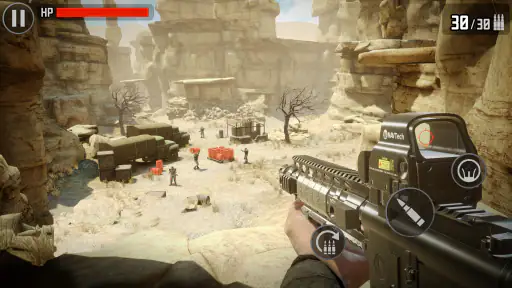
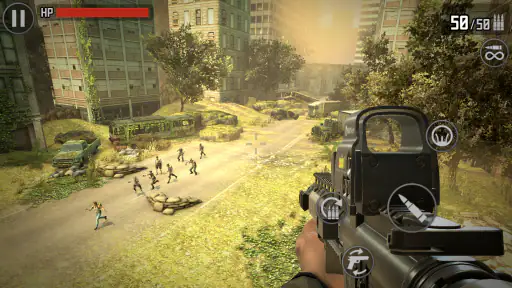
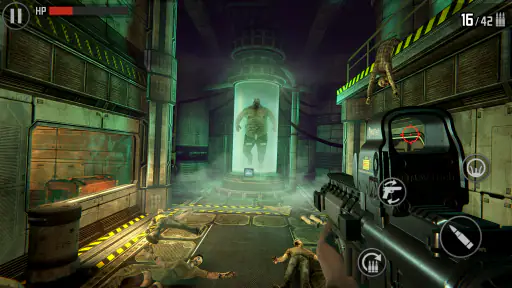
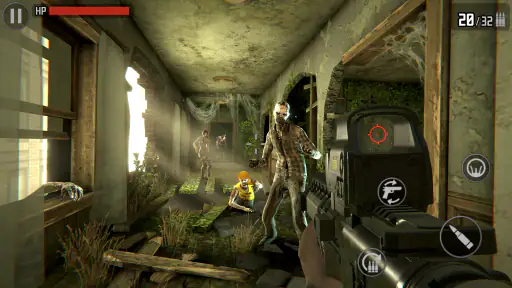
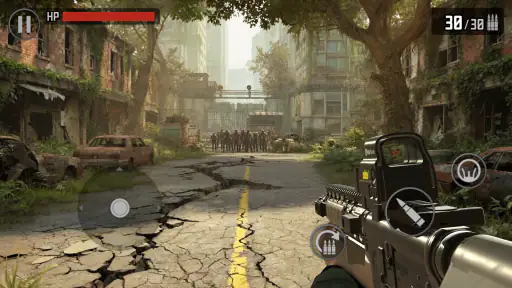
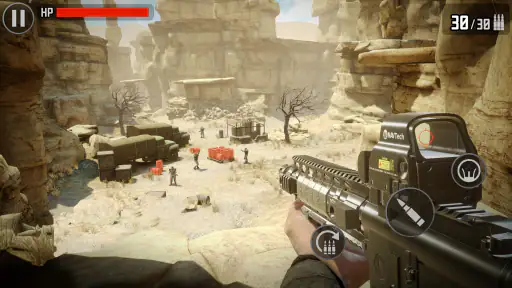
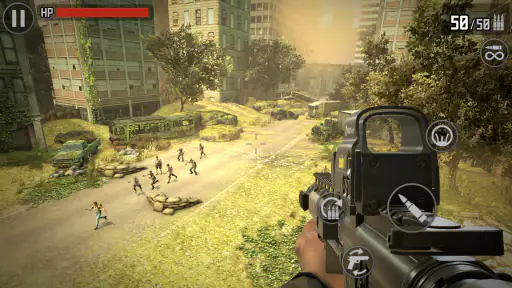
Analysis by Reviewed
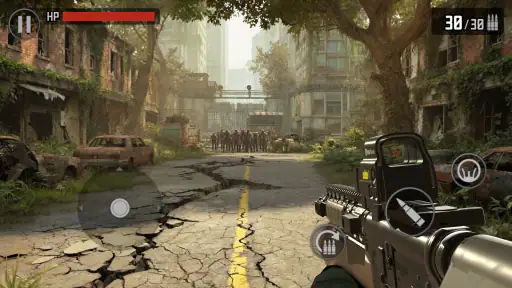
I spent time with Zombie Sniper War 3 - Fire FPS as a straightforward mobile action game built around surviving zombie attacks with a rifle and dealing with larger boss encounters. It is free to start, works offline, and aims for quick sessions rather than a long, story-heavy campaign. That makes it easy to pick up when I have a few minutes, although its mature presentation and shooting focus mean it is not a comfortable recommendation for every player.
The game comes from JE Software AB and sits in the action category. It has attracted a 4.7 average from around 147 thousand ratings, with more than 10 million installs, so it is clearly not an obscure experiment. I can understand the appeal: the basic loop is immediately readable. Find a useful position, keep the undead away, line up shots, and stay calm when a tougher enemy changes the pace.
How the basic survival loop feels in practice
My normal session starts with a simple goal: play one encounter, learn how the enemies approach, and decide whether I want to continue or stop. That short-session structure is one of the strongest parts of the game. I do not need to remember a complicated inventory plan before playing, and the offline format is useful on a commute, during a flight, or in a place where a reliable connection is not available.
The sniper perspective gives the action a more deliberate rhythm than a typical run-and-gun zombie game. I am not just moving constantly and spraying ammunition. I am watching the screen, choosing a target, and trying to make each shot count. That creates a small but meaningful tension: rushing a shot can leave a dangerous enemy alive, while waiting too long can allow the crowd to close the distance.
For a realistic everyday use case, I found it best suited to short breaks when I wanted something more active than a puzzle but less demanding than a competitive online match. A few rounds can fill a waiting period without requiring a headset, teammates, or a large uninterrupted block of time. The offline design also removes the frustration of losing a session because a network connection briefly drops.
The trade-off is that the core loop is intentionally narrow. If you want a broad role-playing system, deep exploration, or a large social component, this is not the right choice. Its satisfaction comes from improving your timing and handling pressure, not from discovering a huge world or building a complex character.
What I check before starting a round
I first make sure I understand the current objective instead of immediately firing at the nearest target. In a sniper game, the closest enemy is not always the most urgent one. A zombie that is already near the defensive line may deserve attention before a distant target that is easier to hit. This simple priority habit makes the early part of a round feel much more controlled.
I also avoid treating every shot as an emergency. When the screen is relatively calm, I use that time to line up a clean hit rather than tapping rapidly. When several threats appear together, I switch from perfect accuracy to damage control and focus on preventing the most dangerous approach. That change in mindset is more useful than trying to play every moment with the same tempo.
Boss encounters are where this discipline matters most. A larger enemy changes the usual rhythm because it can absorb attention while ordinary zombies continue to create pressure. I try not to become so focused on the boss that I ignore the rest of the screen. The best practical rule is to keep the immediate threat manageable, then return to the boss when there is enough breathing room.
Settings and phone habits that are worth checking
Before judging the game, I recommend spending a little time looking through the available controls and display options on your device. The exact comfort of aiming depends heavily on screen size, touch sensitivity, and whether the default layout suits your hands. A setting that feels fine on a large phone may feel cramped on a smaller one, especially when quick target changes are required.
I prefer a control arrangement that lets me aim without covering the important part of the screen with my thumb. If the game allows the controls to be adjusted, I would move them gradually rather than making a dramatic change and then trying to relearn everything at once. The goal is not to create a complicated custom layout; it is to reduce accidental taps during a crowded wave.
Sound is another practical consideration. Audio cues can help me notice that something is happening outside my immediate visual focus, but playing without sound is still useful in public places. When I mute the game, I compensate by checking the whole screen more often and avoiding tunnel vision around the crosshair. That makes silent play possible, though slightly less comfortable.
Because the game is rated Mature 17+, I would also consider the setting in which it will be played. The violent zombie theme and firearm-based action are central to the experience, not a minor decoration. Parents should not treat the free price as a sign that it is suitable for younger players. The age rating deserves attention before installing it on a shared family device.
The game is free, but it includes optional purchases ranging from $0.99 to $99.99 per item. I would approach those purchases carefully and decide in advance whether I am willing to spend anything. For me, the most sensible way to test the game is to play it without paying first, then judge whether the basic loop remains enjoyable before considering any optional spending.
Repeatable habits that make aiming less stressful
One useful habit is to divide the screen mentally into threat zones. I watch the areas where enemies are most likely to become an immediate problem, then use the safer parts of the screen to prepare the next shot. This prevents me from reacting to every movement equally and gives me a clearer order of priorities.
I also try to avoid frantic tapping. Rapid shots can feel productive, but they often make me lose track of which enemies have actually been dealt with. A calmer pattern works better: identify the most urgent target, fire, confirm the result, and only then move to the next threat. This is especially helpful when a boss is present and the screen becomes visually busy.
Another small improvement is to treat misses as information rather than simply wasted attempts. If I repeatedly miss a moving target, I change my timing instead of continuing with the same reaction. If I lose because I focus too much on distant enemies, I adjust my priority order in the next attempt. The game becomes more enjoyable when each failed round produces one clear lesson.
For short sessions, I find it helpful to stop after a frustrating run rather than immediately chasing a better result. Since the controls depend on precise touch input, tired hands and rushed decisions can make the next attempt worse. A brief pause often helps more than repeating the same mistake several times.
Where the offline format helps and where it does not
Offline play is a genuine advantage for this particular style of game. I can use it in situations where online action games are inconvenient, and I do not have to worry about other players leaving a match or turning a casual break into a commitment. It also makes the experience feel more self-contained: success depends on my handling of the encounter rather than on a team or connection quality.
At the same time, offline play means I should not expect the social energy of a multiplayer shooter. There is no teammate to rescue a bad position or create a shared strategy. Players who enjoy ranking ladders, live events, or constant interaction with other people may find the experience quiet by comparison.
The offline approach also changes how I evaluate replay value. I am looking for better execution, more reliable target selection, and improved handling of bosses rather than new conversations with a community. That is satisfying for players who like personal improvement, but less compelling for anyone who needs frequent social or competitive variation.
How it compares with other mobile zombie shooters
Compared with a conventional first-person zombie shooter, this game feels more focused on controlled shooting than on roaming through a large environment. That focus makes it easier to understand and quicker to play, but it also limits the variety of actions I can expect. If I want exploration, weapon experimentation, or a broad campaign structure, another game in the genre would probably suit me better.
Compared with online multiplayer shooters, its biggest strengths are simplicity and independence from a live match. I can play at my own pace and do not need to coordinate with anyone. The cost is that the pressure comes from the game’s encounters rather than human opponents, so players who enjoy unpredictable competition may lose interest sooner.
It also differs from casual zombie games that use the theme mainly for light entertainment. The Mature 17+ rating signals a more intense presentation, and the sniper framing gives the action a harsher tone. I would not choose it as a gentle family game or as a relaxing alternative to a puzzle app.
Limits experienced players should understand
The largest limitation is repetition. The central pleasure comes from refining the same kind of decision-making, so anyone who needs constant mechanical change may feel that the game becomes familiar. I can enjoy repeating an encounter when I am improving, but I would not pretend that the sniper format offers the same breadth as a full-scale action campaign.
Touch controls are another possible source of friction. Even a well-designed mobile aiming system can feel less precise than a mouse, controller, or physical buttons. Small screens make that issue more noticeable. If you already dislike touch aiming, the offline format will not solve that problem; it only removes the need for a connection.
The purchase range is worth keeping in mind as well. Free access makes trying the game easy, but optional items can become expensive at the upper end of the listed range. I recommend setting a personal spending limit and treating purchases as convenience choices, not as something required before you know whether the basic gameplay works for you.
Version 2.1 is the current version, and the minimum operating system is Android 9. That makes checking device compatibility sensible before installation, particularly on an older phone. Performance and comfort can vary with hardware, so I would give the game a short trial on the intended device rather than assuming that a positive experience on one phone will feel identical on another.
Who will get the most from it
I would recommend this action game to someone who likes zombie themes, prefers solo play, and enjoys improving through repeated attempts. It is particularly suitable for players who want an offline shooter that can be opened for a short session without entering a large online ecosystem.
It is also a good match for people who enjoy target prioritization more than constant movement. The best moments come from staying composed, recognizing which enemy matters most, and making a clean decision under pressure. Players who like that kind of focused challenge may appreciate the compact design.
I would skip it if you are looking for a child-friendly game, a cooperative experience, extensive exploration, or a story that carries the entire adventure. I would also look elsewhere if your main priority is a highly precise control system, because touch aiming may remain a barrier no matter how much time you spend adjusting your habits.
My final assessment after settling into the routine
Zombie Sniper War 3 - Fire FPS works best when I treat it as a focused offline action game rather than a complete replacement for every type of shooter. Its clear premise, quick access, and boss pressure make it easy to return to, while the sniper viewpoint rewards patience more than random tapping. The experience is direct, and that directness is both its identity and its main limitation.
I like the way a few repeatable habits improve the results: check the objective, control the urgent threat, avoid panic firing, and keep enough attention for ordinary zombies even when a boss appears. Those choices give the game more depth than its simple premise first suggests, without pretending that it has a huge range of systems.
My recommendation is positive for the right player, with two conditions. First, be comfortable with mature zombie violence and firearm action. Second, try the free version with a clear spending boundary before considering optional purchases. If you want a compact solo shooter for offline breaks and enjoy mastering target order, this is an easy game to try. If you need exploration, multiplayer, or constant novelty, its focused design will probably feel restrictive.
In the end, I see JE Software AB’s game as a practical pick for short, self-contained sessions. It does not need a complicated setup to create tension, and it gives experienced players room to improve through better timing and prioritization. Its strongest quality is the simple routine of staying calm, choosing well, and surviving the next wave.
Pros
- Fast-paced sniper missions with satisfying long-range shots.
- Simple controls make aiming and firing easy for new players.
- Varied zombie targets keep the shooting challenges engaging.
- Short levels are convenient for quick gaming sessions.
- Offline play is useful when you have no internet connection.
Cons
- Repetitive missions may become predictable after extended play.
- Frequent ads can interrupt gameplay and reduce immersion.
- Weapon upgrades may require considerable grinding or purchases.
- Graphics and animations feel dated on newer devices.
- Limited story depth offers little motivation beyond completing levels.

- Category
- Action
- Version
- 2.1