Zombie Frontier 4: Shooting 3D
- 6.42K
- 4.6
- Installs
- 10.00M
- Price
- Free

Screenshots
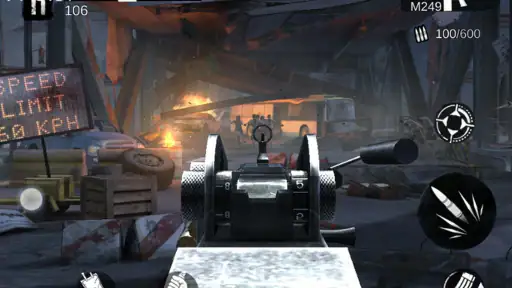
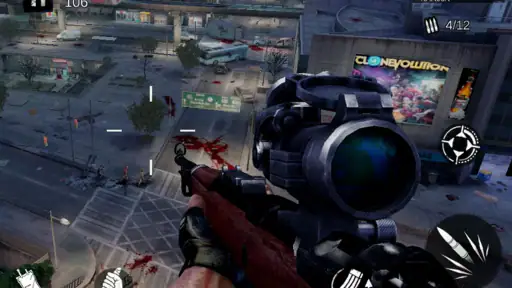
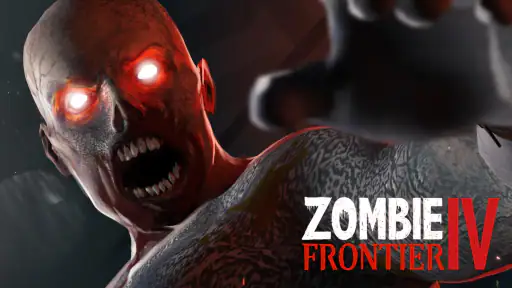
Analysis by Reviewed
Zombie Frontier 4: Shooting 3D is the kind of action game I open when I want a quick, focused fight rather than a complicated role-playing system. Its central idea is easy to understand: move through a zombie-infested world, keep your weapon ready, and survive one encounter after another. The presentation aims for a grim apocalypse mood, but the game remains approachable enough for short sessions on a phone.
After spending time with it, my strongest impression is that the game understands its own limits. It is not trying to replace a large console shooter, and it does not offer the freedom of a full open-world survival game. Instead, it concentrates on shooting, visual tension, weapon improvement, and the satisfaction of clearing dangerous scenes. That focused design makes it easy to recommend to players who want action immediately, although it also means that anyone looking for deep exploration or a highly flexible combat system may reach its boundaries fairly quickly.
How the apocalypse is presented
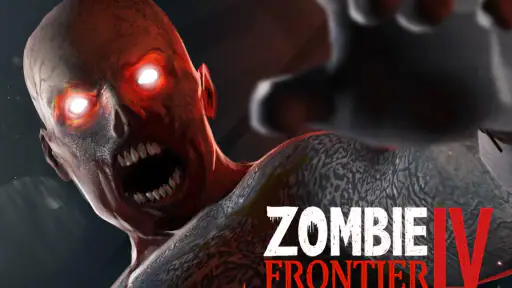
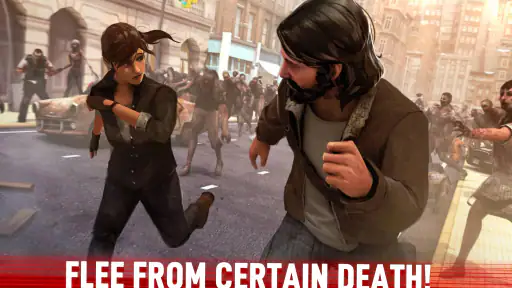
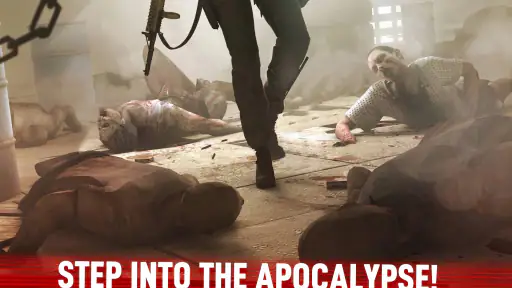
The visual direction does a lot of the work. Dark locations, ruined surroundings, infected enemies, and threatening close-range encounters combine into a recognizable zombie-apocalypse language. I found that the game does not need a long explanation before it establishes its mood. The environments communicate danger through decay and limited safety, while the enemies make every pause feel temporary.
That setting is useful mechanically, not just decorative. A bleak scene encourages me to watch the edges of the screen and prepare for the next threat instead of treating each encounter as a relaxed target practice exercise. The art style also helps separate the game from brighter, more playful mobile shooters. Even when the action becomes familiar, the visual tone keeps the journey grounded in survival.
The three-dimensional presentation gives the enemies a stronger physical presence than a simple two-dimensional shooting gallery. Zombies do not feel like flat icons placed in a row; they occupy space and create pressure as they approach. This matters most when several threats appear close together, because the scene becomes a decision about priority rather than merely a test of whether I can tap quickly.
At the same time, the visual ambition can make the experience feel heavier than a minimalist arcade game. Players using older or less capable devices should pay attention to how comfortably the game runs on their phone. It supports Android 9 and later, which gives it a reasonably broad starting point, but compatibility alone does not guarantee the same smooth experience on every device.
I also appreciate that the setting supports short sessions. The game can deliver the feeling of entering a dangerous area, dealing with a contained threat, and moving toward the next challenge without requiring me to remember a large map. That makes it suitable for a commute, a break, or a few minutes at home when I want a clear beginning and end to a play session.
The visual language keeps the action readable
Good zombie design has to balance ugliness with clarity. If every enemy blends into the background, the atmosphere becomes frustrating instead of tense. Here, the dark world still needs to communicate where the danger is coming from, and the contrast between the infected figures and their surroundings generally supports that purpose. I can enjoy the grim presentation without losing the basic information needed to aim and react.
This is one of the less obvious strengths of the game: the atmosphere is not entirely separate from usability. A brighter, cleaner interface might be easier to read, but it would weaken the feeling of being trapped in a collapsing world. The best moments come when the presentation makes me feel uneasy while still giving me enough visual information to act.
There is a trade-off, however. The more the game leans into dark scenery and threatening enemy shapes, the more repetitive some areas can feel once the initial surprise fades. Players who need constant environmental discovery may find the structure less rewarding than a story-heavy adventure. I see the surroundings as a frame for combat, not as a world I am meant to inspect freely.
Sound gives the danger a physical edge
The audio atmosphere is important because zombie games depend heavily on anticipation. Visuals show me what is already happening; sound can suggest that something is about to happen. Weapon reports, enemy noises, and the general sense of a hostile environment help turn a simple encounter into a more immediate event. I found the mood stronger when playing with sound enabled, particularly during moments when enemies were closing in from different positions.
Sound also helps define the rhythm of each stage. A burst of action followed by a brief pause gives me a chance to reset my attention, check my situation, and prepare for another attack. Without those changes in intensity, repeated shooting would quickly become tiring. The audio presentation therefore supports the pacing even when the underlying objective remains straightforward.
I would not describe the sound design as a reason to choose the game by itself. Its value is more practical: it reinforces the bleak setting and makes combat feel less flat. If I am playing in a public place, I can still follow the action without relying entirely on audio, but headphones make the atmosphere more convincing. Players who prefer silent, low-stimulation games may find the constant threat-focused tone less comfortable over long sessions.
Why the pacing works in short bursts
The pacing is built around repeated confrontations rather than long stretches of travel. That is a good fit for mobile play because I rarely spend several minutes wandering without a clear purpose. The game gets to the point, asks me to manage the immediate threat, and then provides a natural opportunity to stop or continue.
This structure also makes it easy to form a practical routine. For example, I might play a few stages during a lunch break, stop before a more demanding encounter, and return later with a better idea of what I need to improve. That is more convenient than a game that expects a long uninterrupted session. The downside is that the pattern can become predictable if I play for hours at once.
My advice is to treat it as a compact action game rather than an endless main hobby. The mood remains more effective when I give it room to breathe. Long sessions can expose the repetition in the combat loop, while shorter visits preserve the tension and make each return feel purposeful.
Where the shooting fits
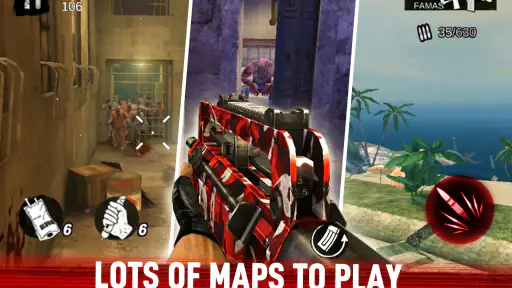
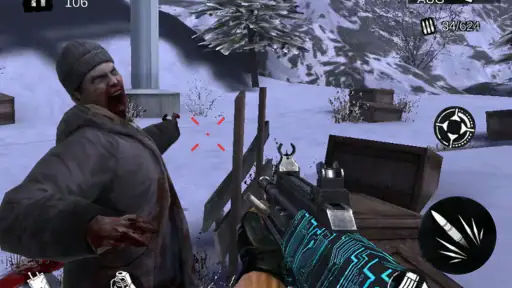
The core mechanics are simple enough for a new player to understand quickly, but they still ask for attention. I have to aim carefully, decide which enemy deserves immediate focus, and avoid wasting opportunities when several zombies are advancing. The satisfaction comes from turning a threatening group into a controlled sequence of targets.
That simplicity is a strength for mobile users. I do not need to learn a large collection of systems before the action becomes enjoyable. It also makes the game a reasonable entry point for someone who likes zombie fiction but does not normally play complicated shooters. The controls and goals are easier to approach than those of a large competitive shooter, where movement, map knowledge, and team coordination may matter just as much as accuracy.
Compared with endless-runner action games, this title feels more deliberate. I am not simply reacting to a road that scrolls past me; I am engaging with threats and choosing how to handle the immediate situation. Compared with a full survival game, though, it is more guided and less open. That distinction is important: players who want crafting, free exploration, or an elaborate social world should look elsewhere, while players who primarily want zombie shooting may appreciate the narrower focus.
Weapon progression gives the action a longer-term reason to continue. Improving equipment can make earlier encounters feel more manageable and gives difficult sections a practical context. I like progression most when it encourages me to think about why I am struggling rather than simply asking me to repeat the same stage without a plan. A stronger weapon may help, but better target selection and calmer timing still matter.
One useful habit is to avoid treating every upgrade as an automatic solution. When I hit a wall, I first consider whether I am aiming at the wrong targets, reacting too late, or spending shots inefficiently. This saves resources and makes improvement feel earned. It is a small but meaningful distinction between playing thoughtfully and simply pushing the upgrade button whenever progress slows.
Progression, spending, and patience
The game is free to download, which makes trying it straightforward. It also includes optional purchases ranging from under a dollar to nearly a hundred dollars for an individual item. That wide range is worth keeping in mind before committing to the progression loop. I prefer to decide early whether I am comfortable advancing gradually or whether the pressure to improve equipment will make the experience less enjoyable.
For a casual player, the best approach is to play patiently and use the early stages to learn the rhythm of aiming and enemy priority. Spending money may be convenient, but it should not be confused with learning the encounters. If I were recommending the game to a friend, I would suggest playing free for a while before considering any purchase. That gives enough time to discover whether the shooting itself is enjoyable.
The purchase structure is also a reason I would not recommend this game to someone who wants a completely frictionless premium-style experience after one payment. Players who dislike recurring temptation in free-to-play games may feel more comfortable with a paid action title that removes that concern. Here, the right audience is someone who accepts optional spending as part of the mobile format and can set personal limits.
Who will enjoy it most
I think the strongest audience is made up of players who like zombie themes, direct shooting, and compact missions. It suits someone who wants a tense visual mood without learning a complicated character-building system. It is also a good choice for a player who enjoys seeing equipment become more capable over time and does not mind repeating a familiar style of encounter to improve.
The mature age rating of 17+ is significant. The infected setting and violent action are not presented as a light family-friendly cartoon, so I would not choose it for younger players or for anyone specifically seeking a gentle horror experience. Adults who enjoy darker action should find the tone more appropriate, but sensitivity to graphic zombie imagery still matters.
I would skip it if my main goal were a rich narrative, open-ended exploration, competitive multiplayer, or a calm puzzle experience. The game’s identity is tied to its shooting loop and oppressive setting. Those qualities are exactly what make it appealing to the right player, but they also define its limits.
Practical expectations before downloading
FT Games presents this as an action game in the Zombie Frontier series, and its scale is reflected in its audience: it has passed ten million installs, with an average rating of 4.6 from roughly 179 thousand ratings and about 6.4 thousand written reviews. Those figures suggest that the basic formula has found a substantial mobile audience, although popularity should not replace checking whether its darker tone and focused structure match my own preferences.
The game launched on July 7, 2021, and the current version is 1.10.18. I mention the version because players sometimes expect an older mobile title to feel exactly as it did at launch, while ongoing versions can change balance, presentation, or the general feel of progression. Keeping the app updated is sensible when possible, especially if an issue is connected to an older build.
Before installing, I would also consider storage space, battery habits, and where I normally play. A three-dimensional action game with a dark visual style is better suited to a device with a comfortable screen and a stable performance profile than to a phone that already struggles with demanding games. I would test a short session first rather than assuming that a strong rating guarantees a perfect fit for my hardware.
Another practical question is whether I want audio to be part of the experience. The game’s mood benefits from sound, but public play may require the volume off. In that situation, the visual language still carries the action, though some of the tension is reduced. If atmosphere is a major reason I play zombie games, headphones at home will make a better impression than silent play during a busy day.
My overall atmosphere verdict
What stays with me is the way the art, sound, and pacing cooperate without overwhelming the mechanics. The ruined setting gives the shooting a reason to feel urgent, the audio adds warning and weight, and the short encounter structure keeps the experience practical on a phone. None of those elements completely hides the repetition, but together they make the repeated action more coherent than it would be in a plain target shooter.
The game works best when I treat atmosphere as part of the challenge, not as decoration around it. The dark presentation encourages careful attention, while the focused controls let me start playing without a long tutorial burden. That combination is especially effective in short sessions, where the mood has enough time to develop before the combat pattern becomes too familiar.
My recommendation is therefore fairly specific. I would suggest it to an adult who wants free zombie action, enjoys improving weapons, and is comfortable with optional purchases in a mobile game. I would not suggest it to someone seeking a deep survival simulation, a story-led adventure, or a one-time-purchase experience with no spending prompts.
In the end, Zombie Frontier 4: Shooting 3D succeeds because it keeps its promise to deliver a direct zombie-shooting experience while giving that action a consistent visual and audio identity. It is not the broadest game in its category, and its progression can test the patience of players who dislike repetition or free-to-play pressure. Even so, when I want a grim, focused burst of mobile action, it is an easy title to return to. For the right player, its strongest feature is the clear fit between its bleak world and its straightforward shooting.
Pros
- Smooth 3D graphics and atmospheric zombie environments
- Large selection of weapons with upgrade options
- Offline play is available for many single-player missions
- Short missions work well for quick gaming sessions
- Frequent zombie encounters keep the action intense
Cons
- Energy limits can interrupt longer play sessions
- Weapon upgrades may require substantial grinding
- Some missions feel repetitive after extended play
- Touch controls can be imprecise during hectic fights
- Storage use may be high on devices with limited space

- Category
- Action
- Version
- 1.10.18