WorldBox - Sandbox God Sim
- 36.05K
- 4.6
- Installs
- 10.00M
- Price
- Free

Screenshots
Analysis by Reviewed
I approach a sandbox like this with one practical question in mind: will I enjoy making a world, then watching events unfold without a checklist telling me what counts as success? WorldBox - Sandbox God Sim is a simulation game from Mako Mako that lets me set up a world and observe its inhabitants as they develop and fight. It is free to download, rated Everyone, and offers optional in-app purchases from $1.99 to $7.99 per item. The key adjustment is to treat it as an open-ended experiment, not a campaign with a clear finish line.
Where the first session can feel unclear
There is no single campaign path telling me what to do next, so someone expecting missions, a clear win condition, or constant rewards may initially wonder whether they are missing a tutorial. I find it more useful to pick one small question—what happens if two settlements develop near each other, for example—and watch before adding more changes. That gives the activity a purpose without turning the sandbox into a checklist.
It also helps to treat the world as a process rather than a scene I can perfectly control. Civilizations and creatures may respond in ways I did not plan, and that unpredictability is part of the appeal. When a world becomes messy, I can observe the consequences instead of immediately trying to correct everything. If I want a tightly scripted strategy game, though, this loose structure is a genuine mismatch rather than a problem I can solve with better setup.
Simple setup checks and a calmer workflow
Before settling in, I would check that the device runs Android 5.1 or later and that the installed build is current; the current version is 0.22.21. The game has attracted a 4.6 average from around 776,000 ratings and more than 10 million installs, which suggests a broad audience, but those figures do not guarantee that every device or session will feel identical. I would also keep in mind that the free download includes optional purchases, rather than assuming every item or option is automatically included.
For a more readable experiment, I start with a simple landscape and introduce only a few elements at a time. If I add terrain changes, inhabitants, and disasters all at once, it becomes harder to tell what caused a settlement to thrive or disappear. A useful habit is to pause and look at the world before making the next big change. That small delay turns random tapping into a sequence of observations, and makes it easier to recreate an outcome I liked.
Creating and Destroying Worlds
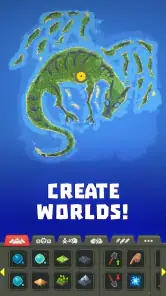
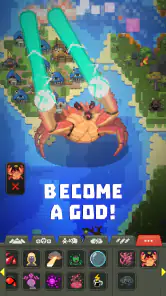
In WorldBox, you're not just any god; you're an all-powerful one. You start with a blank canvas and the freedom to create mountains, oceans, forests, and even civilizations. The app's intuitive interface makes it easy to drop in elements and watch them interact in real-time. You can create life forms and watch them evolve, build cities, and even wage wars. It's like having your own ant farm, but on a planetary scale.
Unleash Your Wrath
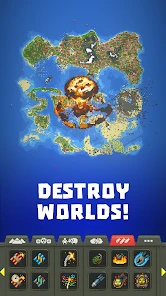
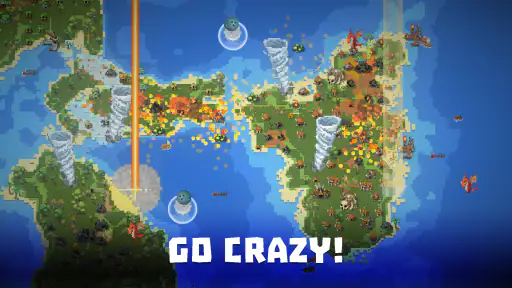
Feeling a bit mischievous? WorldBox has you covered. You can unleash natural disasters like earthquakes, tornadoes, and volcanic eruptions at will. Or, if you prefer a more hands-on approach, you can send down lightning bolts and meteors. The level of detail in these interactions is impressive, making each disaster feel impactful. Watching the tiny civilizations scramble to survive your wrath is oddly satisfying, and it's all rendered in charming pixel art graphics that add a nostalgic touch to the chaos.
More From Our News Desk

Weather by Xiaomi Review: Clear at a Glance, Less Clear Up Close

X Under Pressure: Can It Recover When Posting Goes Wrong?

Clash of Clans Is Won Between the Battles

Android Auto Makes the Case for Quieter Car Software

MobiOffice: Transforming Mobile Productivity with Seamless Integration

EA SPORTS FC™ Mobile Soccer: Redefining Mobile Sports Gaming
Endless Possibilities
This game is all about experimentation and creativity. Want to create a harmonious world where your civilizations coexist peacefully? Go for it! Or maybe you want to test the limits of their survival instincts in a harsh, unforgiving environment. The choice is all yours. The sandbox nature of WorldBox ensures that no two gameplay sessions are the same, keeping things fresh and exciting every time you open the app.
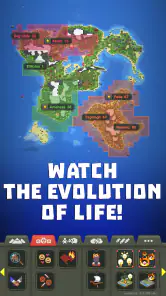
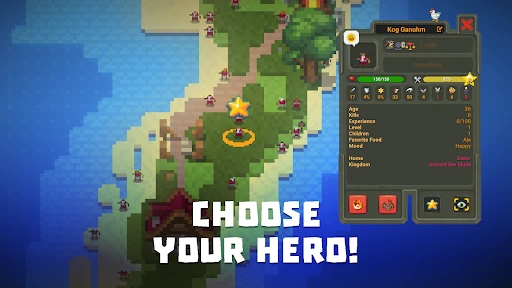
One of the coolest features is how the AI evolves. The creatures and civilizations you create aren't static; they adapt and change based on their environments and experiences. Watching them grow, learn, and sometimes fail is a part of the fun. It's like watching a tiny ecosystem develop right in the palm of your hand.
Small experiments make better stories
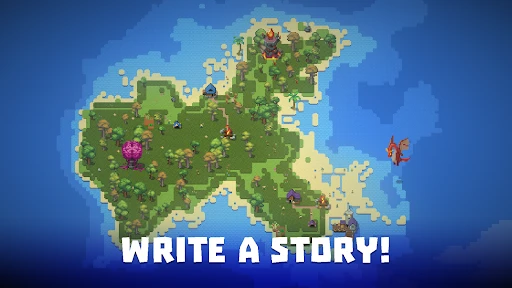
A useful way to keep a session interesting is to give yourself a simple observation task rather than a victory condition. I might begin with a landscape that has a clear contrast—an island with open ground and a wooded area, for instance—and see which parts attract activity. Once I have an initial pattern, I can change one condition and watch for a difference. This is not a scientific simulation, but the habit makes the cause-and-effect easier to follow and gives each run a story of its own.
Another good use is to create a world that I do not immediately rescue. If a settlement faces trouble, waiting a little before intervening can reveal whether the surrounding conditions are the real issue or whether the conflict is simply part of the unfolding story. I get more out of the game when I let consequences stand long enough to become interesting. Players who prefer to keep complete control over every outcome may find that patience frustrating.
Picking the right kind of play
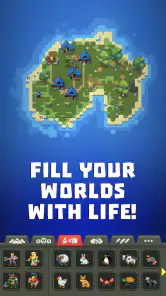
I think this works especially well in short, low-pressure breaks. On an ordinary evening, I might shape a small island, seed it with life, and check in between other tasks to see whether its settlements are expanding or coming into conflict. That turns the game into a compact “what happens if?” experiment rather than something that demands a long, uninterrupted session. It is also a good fit for players who enjoy making their own stories from small changes and unexpected outcomes.
Compared with the usual simulation alternatives, this is less about managing a city through menus and more about shaping conditions, then watching the simulation play out. That freedom is its strength, but also its trade-off: there is less guidance than in a tycoon or city-builder, and the appeal depends on whether observing emergent events is satisfying to you. If I want defined objectives or detailed economic planning, I would choose a more structured management game instead.
What the open format asks of you
Because there is no built-in checklist to keep me moving from task to task, I sometimes need to supply my own structure. A simple note outside the game—one sentence about what I changed and what I want to observe next—can help if I return to an experiment later. It is especially useful when I have been making several small adjustments across different sessions and no longer remember which one produced an outcome. If I only want a quick burst of obvious progress, this reflective style may feel like unnecessary effort.
The format also changes how I think about failure. A settlement disappearing is not automatically a reason to restart; it can be the most revealing result of a setup. On the other hand, if I am trying to build a calm world, watching a conflict develop may not be relaxing. I find it helps to decide whether I am in an observing mood or a hands-on mood before I begin, then avoid making changes that pull the session in the opposite direction.
Recovering a world without overcorrecting
If a civilization is wiped out or the world drifts away from the experiment I had in mind, I first look at what changed and whether I can continue by adjusting the environment. Rebuilding everything immediately can erase the interesting consequences that made the run worth watching. For a cleaner comparison, I try a fresh setup with one change at a time; that makes it easier to see whether the difference came from the landscape, the population, or a later intervention.
When something seems unresponsive, I avoid assuming the simulation is broken based on one moment. I give the world a little time, check that I am interacting with the intended area, and make one change at a time. If the app itself appears stuck, closing and reopening it is a sensible basic step, while checking the device’s available storage and software compatibility can rule out ordinary device-side friction. These checks are general troubleshooting, not a promise that every issue has the same cause.
When the device, not the world, may be the issue
If a session feels slow or a tap appears not to register, I would first separate a temporary pause in the simulation from a broader app problem. I check whether the same action works elsewhere in the world, wait briefly, and avoid repeatedly tapping different controls; rapid extra input can make it harder to tell whether the original action took effect. If the whole app is unresponsive, I close it and reopen it, then try a simpler world before assuming a particular setup is at fault.
For an installation or update problem, the practical checks are similarly plain: confirm the device meets the Android requirement, make sure there is room for the app, and use the normal store update process. These steps cannot solve every device-specific issue, but they help distinguish a compatibility or storage snag from a problem with one particular world. On iOS, I would check the requirements shown for the device in its own store rather than applying the Android minimum to it.
The Verdict
Overall, WorldBox - Sandbox God Sim is a fantastic way to pass the time. Whether you're feeling creative or destructive, this app has something for everyone. It's a playground for the imagination, offering endless hours of entertainment. The graphics are charming, the gameplay is addictive, and the possibilities are endless. If you haven't tried it yet, I highly recommend giving it a go. It's a godly experience you won't want to miss!
My recommendation is strongest for curious players who enjoy watching a world develop as much as changing it. Its Everyone rating makes it broadly approachable, while the sandbox format rewards patience and restraint more than quick reflexes. With 36,000 reviews alongside its large audience, it is clearly a familiar choice for many players, but popularity alone cannot make its hands-off rhythm suit everyone. I would skip it if I needed a tightly directed story or a precise simulation with predictable outcomes.
For me, the best approach is to start with a modest idea, watch what follows, and intervene only when I have a reason. That keeps the screen from turning into visual noise and makes each experiment easier to enjoy. The free entry point makes it easy to try, though I would treat optional purchases as a separate decision rather than a requirement for enjoying the basic sandbox. If creating a world and then seeing it surprise you sounds better than completing a fixed set of tasks, this is an easy game to recommend.
WorldBox - Sandbox God Sim Frequently Asked Questions
Is WorldBox - Sandbox God Sim a good choice if I enjoy creative games?
WorldBox is a sandbox simulation game for players who like making a world and seeing how it changes. You can create a setting, populate it with life, and watch civilizations grow and fight, then intervene when you want to steer events. It is open-ended rather than built around a conventional sequence of missions, so the enjoyment comes from experimenting with your own ideas.
Who developed WorldBox - Sandbox God Sim, and how popular is it?
WorldBox - Sandbox God Sim is developed by Mako Mako. It has a 4.6 average from around 776,000 ratings, and has been installed over 10 million times. Those figures suggest that it has found a large audience among mobile players interested in sandbox simulation, although whether its hands-on world creation suits you depends on how much you enjoy open-ended play.
Does WorldBox - Sandbox God Sim let me shape a world before adding life?
Yes. WorldBox is built around creating worlds and populating them with life, so you can shape a setting and then see what happens as creatures and civilizations inhabit it. The appeal is the freedom to experiment rather than follow a fixed campaign: you can observe how your world develops and decide when to intervene or make changes.
Is WorldBox - Sandbox God Sim free to download, and what should I know about purchases?
The game is free to download, so you can try its sandbox experience without paying upfront. Optional in-app purchases are available, with individual items priced from $1.99 to $7.99. These purchases can add features, tools, and customization options, while the basic experience still lets you create worlds and watch life unfold.
What is WorldBox - Sandbox God Sim?
WorldBox - Sandbox God Sim is an innovative sandbox simulation game that allows players to create, destroy, and interact with their own virtual worlds. With god-like powers, players can design landscapes, populate them with various creatures and civilizations, and watch as life unfolds according to their actions. The game's open-ended nature offers endless creative possibilities, making it a unique and engaging experience.
Pros
- Engaging sandbox gameplay
- Frequent updates
- Creative freedom
- Detailed environments
- Offline play available
Cons
- Limited tutorial guidance
- Occasional bugs
- In-app purchases
- Resource-heavy
- No multiplayer mode
- Category
- Simulation
- Version
- 0.22.21







