Wizardry Variants Daphne
- 7.91K
- 4.3
- Installs
- 1.00M
- Price
- Free

Screenshots

Analysis by Reviewed
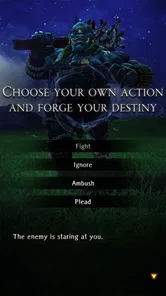
I approached Wizardry Variants Daphne as a newcomer to its famously demanding corner of role-playing games, expecting a 3D adventure that would reward patience more than quick reflexes. That is the right mindset. Its premise—a world facing the return of an ancient Abyss—sets a somber tone, but the appeal is less about rushing through a cinematic story and more about cautiously making progress in a dangerous dungeon.
Made by 株式会社ドリコム, this is a free-to-play role-playing game for players who enjoy exploration, tactical decisions, and the possibility that a run may go badly. Its Teen rating is worth noting for families choosing games, while its 4.3 average from around 94,000 ratings suggests that many players find its particular style compelling. I would not treat that score as a promise that it suits everyone: this is a more deliberate, demanding experience than a casual fantasy game.
What the dungeon asks of you
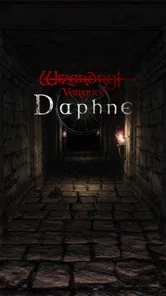
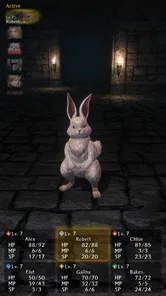
The most useful expectation to set before starting is that exploration is part of the challenge, not merely a corridor between battles. The 3D dungeon perspective makes orientation and careful movement matter. I found it more satisfying to pause and think about where I had been than to treat every passage as an invitation to sprint ahead.
That changes the rhythm compared with many mobile RPGs. Some lean on short missions, generous automation, or a steady stream of rewards to keep the player moving. Here, the pleasure is in taking a measured risk, reading a situation, and coming away with progress intact. If you want a game that fills a spare minute without asking for concentration, this is probably not the best fit. If you like the feeling of earning each safe return, the slower pace can be a strength.
The 3D presentation also makes the setting feel like a place to navigate rather than a backdrop for menus. That does not mean every stretch will feel fresh: dungeon exploration can become tense and repetitive if you are tired or trying to play while distracted. I would save it for moments when I can focus, rather than opening it in the middle of another task.
The game is free to start, with in-app purchases ranging from $1.19 to $119.99 per item. That wide range is a reason to decide your spending boundaries before playing, not a reason to assume that a purchase is necessary to enjoy the core experience. I would begin without buying anything and see whether the game’s pace and difficulty are actually for you first.
A sensible first session
For a first-time player, I would treat the opening session as orientation, not a race to reach the deepest area. Let the game introduce its controls and basic interactions at its own pace. Before committing to a longer exploration, make sure you understand how to move through the 3D environment and how to respond when the game asks you to make a decision. The early win is learning the language of the game, not proving you can push forward at any cost.
More From Our News Desk

 Gmail
Gmail in a Busy Inbox: Who Benefits Most?
From first account to crowded workday, Gmail earns its place through dependable search and flexible sorting—but its best fit depends on how much inbox maintenance you can tolerate.

 Prime Video
Switching to Prime Video: What Changes in Your Viewing Routine
Prime Video can make a compelling second home for streaming, but switching means learning a different catalog, rental layer, and route from browsing to playback.

 Universal TV Remote Control
 Works Best as a Reliable Backup
A phone remote earns its place through quick setup and reliable habits. Here is how to get more from Universal TV Remote Control—and where its limits show.

 Weather - By Xiaomi
Weather by Xiaomi Review: Clear at a Glance, Less Clear Up Close
Xiaomi’s weather app makes everyday forecasts quick to scan, but its calm surface can leave useful details and recovery paths harder to find than they should be.

 X
X Under Pressure: Can It Recover When Posting Goes Wrong?
A resilience-focused review of X, examining setup, mistaken posts, interruptions, weak connections, and the gaps that matter when recovery needs to be dependable.

 Clash of Clans
 Is Won Between the Battles
Its raids are quick; its community is a long-term project of coordination, teaching, rivalry, and shared responsibility—with all the friction that entails.
Latest News



When you first enter a dungeon, move in small, deliberate steps. Look around before choosing a route, and take note of turns or landmarks that could help you recognize your way back. This is a practical habit rather than a hidden mechanic: the more carefully you pay attention, the less likely you are to confuse “I have explored this” with “I know how to return.” In a game built around dangerous exploration, that distinction matters.
I also recommend stopping while you are still thinking clearly. A short session in which you explore carefully and leave with a better understanding of the layout is more useful than a longer one where fatigue leads to careless choices. If you play on a commute, for example, use the ride for a modest outing and avoid starting a risky push just before you need to put your phone away.
There is no need to copy an experienced player’s pace. A newcomer can get a meaningful first success simply by learning how the dungeon feels, surviving an initial stretch, and recognizing what kind of decisions cause trouble. That gives you a personal baseline for whether the game’s tension is enjoyable or just frustrating.
What counts as a first win
My recommended first milestone is not “clear everything.” It is completing a cautious expedition with a clearer sense of the route and the risks than you had when you entered. That may sound modest, but it is a useful test of whether you are learning from the dungeon rather than just reacting to it.
After a promising run, take a moment to think about what worked. Did you move too quickly through unfamiliar space? Did you feel uncertain about your route? Did you continue because you were curious, even after the situation started to feel unsafe? Answering those questions makes the next attempt more intentional. The game is easier to appreciate when a setback gives you something concrete to adjust.
This approach is especially helpful for players arriving from more forgiving mobile RPGs. A familiar genre label does not guarantee a familiar level of pressure. If your usual game lets you tap through encounters while watching television, try giving this one your full attention at first. You can decide later whether it works as a casual routine, but the initial learning curve is easier to read when you are not splitting your focus.
Where new players can get turned around
The first likely confusion is mistaking a 3D dungeon for a straightforward action game. The camera and movement make the environment tangible, but that does not mean speed is the best way to play. When a route feels unclear, pause and reorient instead of pressing onward just to keep the session moving. A slower decision now can prevent a more costly mistake later.
Another common trap is assuming that every attempt should end in a major breakthrough. In a demanding dungeon RPG, learning which choices are risky is part of progress. If a run ends poorly, try to identify one specific lesson rather than repeating the same route and hoping for a different outcome. That might mean being more observant, shortening your next outing, or simply playing when you have enough time to concentrate.
It is also easy to misread the game’s dark atmosphere as a promise of constant narrative momentum. The mood gives exploration weight, but the core appeal is the process of navigating a dangerous place. If you primarily want a story-led role-playing game that regularly delivers long scenes and obvious plot milestones, you may prefer another option. This one is at its best when you enjoy the uncertainty between those milestones.
Finally, do not let the presence of optional purchases turn your first session into a shopping decision. You can first judge whether the core loop—explore, assess danger, and try to make progress—holds your interest. The game is free, but purchases are available, so keeping a clear personal limit is sensible if you continue playing.
Choosing it over other RPGs
Compared with a typical mobile role-playing game built around automatic combat, frequent daily check-ins, or quick rounds, Wizardry Variants Daphne asks for more attention to place and risk. That is a meaningful distinction. It can feel more absorbing when you want to focus on one expedition, but less convenient when you want a low-effort game to tap through while doing something else.
It also has a different appeal from a conventional action RPG. If your priority is fast movement and reflex-driven combat, a more action-oriented alternative may be a better match. If you want to build a party and explore a threatening fantasy dungeon at a considered pace, this game’s approach is more distinctive. The trade-off is that patience is not optional decoration; it is part of the experience.
For a practical everyday scenario, imagine having a quiet half-hour at home after dinner. That is a better time to learn the controls and explore than a rushed break between errands. On a commute, I would only play if I could give the screen steady attention and stop at a sensible point. The game rewards a calm head, so the right session is less about duration than about having room to think.
Who should keep going
I would recommend it to players who like dungeon crawls, enjoy mapping unfamiliar spaces mentally, and do not mind progress that comes through caution rather than constant spectacle. It is particularly well suited to someone curious about a more demanding mobile RPG and willing to learn by making measured mistakes.
I would steer away from it if you need a reliably relaxing game, dislike navigating 3D spaces, or want every session to deliver an obvious reward. It may also be the wrong choice for someone who prefers to play with little attention while multitasking. Those are not flaws every player will experience, but they are real mismatches for the game’s deliberate tempo.
The scale of its audience is substantial, with more than 1 million installs and around 7,900 written reviews, but popularity cannot settle the question of fit. For me, the best reason to try it is its focused take on dungeon role-playing; the best reason to skip it is the same thing if that kind of cautious pressure sounds tiring.
My next step after the first expedition
If your first outing leaves you curious rather than annoyed, keep the next one focused: revisit what you learned, pay attention to how you navigate, and aim to make one better decision than before. Avoid turning the game into a test of endurance. A careful routine is more likely to reveal its strengths than a marathon session driven by frustration.
The current version is 1.37.5, and it requires Android 11 or later. Check that your device meets that requirement before planning to play. Once installed, you can decide whether the game earns a place in your routine without spending money; its purchase options are there, but the more important question is whether its dungeon-focused rhythm suits you.
My overall impression is that Wizardry Variants Daphne is a distinctive choice for players who want a serious, atmospheric dungeon RPG rather than another easygoing mobile diversion. Give it attention, take the opening slowly, and measure success by what you learn as much as by how far you go. If that sounds satisfying, it is worth trying; if you want effortless, fast-paced play, I would choose a different kind of RPG.
Wizardry Variants Daphne Frequently Asked Questions
What is Wizardry Variants Daphne?
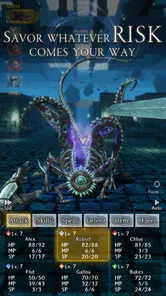
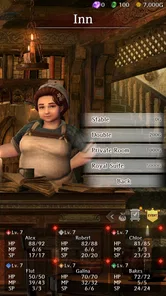
Wizardry Variants Daphne is a first-person, dark fantasy role-playing game in the long-running Wizardry series. It sends players into a dangerous labyrinth where they explore in a party, fight monsters through turn-based encounters, and develop a roster of adventurers. The game emphasizes dungeon exploration, tactical choices, and a challenging atmosphere rather than quick, casual battles.
Is Wizardry Variants Daphne free to play?
The game is generally available as a free download, but it includes optional in-app purchases. These may relate to recruiting or developing characters and acquiring other in-game resources, so players can encounter monetization while progressing. Before downloading, check the current store listing for the exact purchase options and prices in your region. Spending is optional, but the game’s progression and recruitment systems are worth considering if you prefer games without gacha-style features.
Does Wizardry Variants Daphne require an internet connection?
You should expect to need an internet connection for the main experience, since the game includes online services and account-related features. It is not a dependable choice for playing entirely offline during travel or in areas without coverage. Requirements can change with updates, so consult the store description and any in-game notices before installing. A stable connection is also helpful when downloading updates or recovering access to your game account.
Is Wizardry Variants Daphne suitable for beginners to the Wizardry series?
Newcomers can play Wizardry Variants Daphne without knowing the earlier games, but its systems may feel demanding at first. Dungeon crawling, party management, character growth, and turn-based combat reward careful decisions, while mistakes can have meaningful consequences. Take time to learn the interface and combat options, and expect a slower, more strategic pace than in many action RPGs. Players who enjoy exploring challenging systems may find that learning curve part of the appeal.
What devices and storage space do I need to play Wizardry Variants Daphne?
Wizardry Variants Daphne is offered for mobile devices, but compatibility depends on your operating system version and device specifications. Check the Google Play or Apple App Store listing for the latest requirements before downloading; availability and supported devices can vary by region. Also leave extra storage beyond the initial download, because games of this kind may require additional data and updates after installation. Older devices may experience performance limitations even if they meet the minimum requirements.
Pros
- Classic dungeon-crawling mechanics offer a satisfying challenge.
- Party formation gives players flexibility in combat.
- Distinct character classes support varied team strategies.
- Turn-based battles allow time to plan each move.
- Atmospheric art and sound suit the dark fantasy setting.
Cons
- Random character recruitment can make team building unpredictable.
- Combat may feel slow during longer dungeon runs.
- Frequent battles can become repetitive over time.
- The dark tone and peril may not suit younger players.
- Progress can feel demanding without a well-balanced party.