Who's Your Daddy?!
- 312.00
- 2.9
- Installs
- 10.00K
- Price
- $4.99

Screenshots

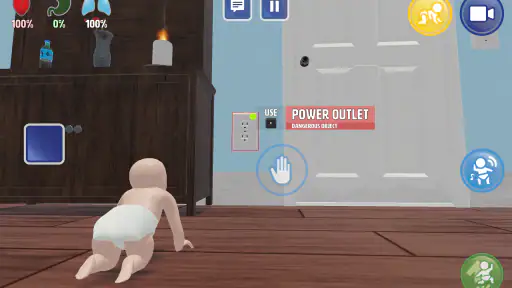
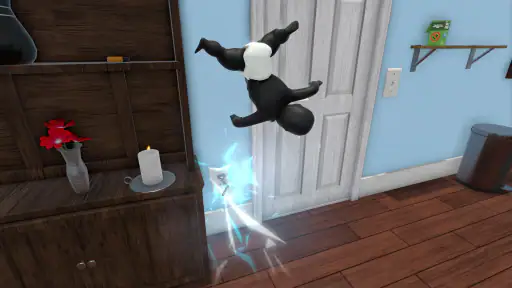

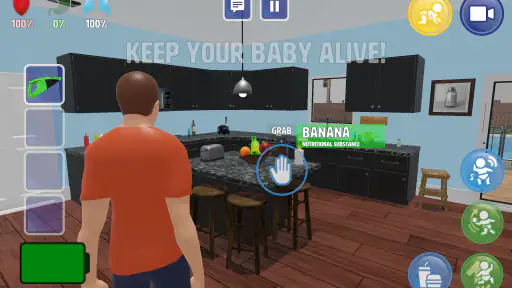
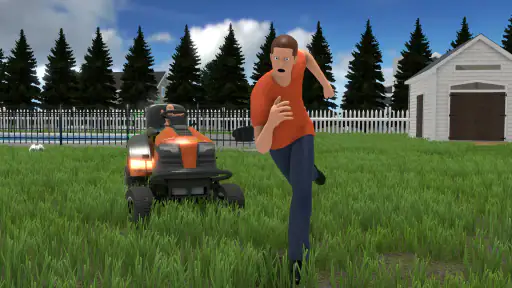
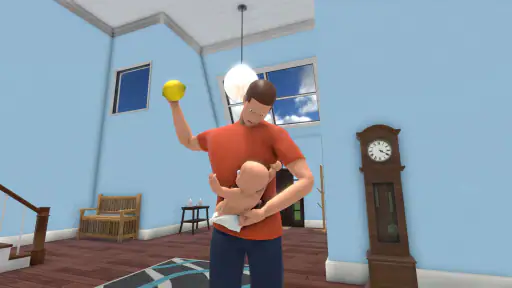
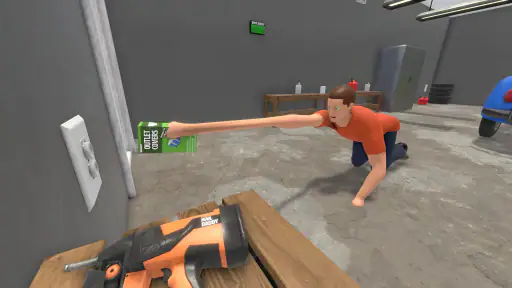
Analysis by Reviewed
I went into Who's Your Daddy?! expecting a quick, silly match, and its appeal is exactly that contrast: the situation is absurd, but each player has a clear job. The baby tries to get into trouble while the dad tries to keep things under control. It’s a casual game built around shared mischief rather than a long story, so I’d treat it as something to play with another person when you both feel like laughing at a ridiculous setup.
What the pace feels like
The fun depends more on how quickly the two players react to each other than on any need to learn a complicated rule set. That makes it easy to imagine starting a round without a long warm-up. I wouldn’t mistake “easy to understand” for “always smooth,” though: when both players are rushing around, the comedy can tip into confusion. If your group prefers relaxed turns or a steady solo challenge, this kind of back-and-forth may feel hectic rather than satisfying.
Choosing the right moment to play
I’d save it for a time when both players can give the match their attention. A realistic fit is a friend visiting after dinner: you can hand over the phone or set up a shared session, trade roles, and see whether the frantic joke lands for both of you. It is a less natural choice while waiting in a queue or riding alone, when you may have only a minute and no opponent ready. The central appeal is the clash between two players, so the useful question before starting is not “Do I have a spare moment?” but “Is someone else in the mood for this with me?”
That distinction also helps avoid an awkward first session. If one person expects a careful strategy game and the other expects slapstick, agree that the goal is to enjoy the absurd situation rather than prove who is better. A new player may need a round on each side to understand why the two roles feel so different. Switching after a match is a simple way to make the experience fairer and more informative without adding a complicated set of house rules.
Gameplay: A Wild Ride
The premise of Who's Your Daddy?! is as hilarious as it is unique. The game pits two players against each other, where one takes on the role of the baby and the other as the dad. The objective? The baby must find ways to cause mischief and potentially harm itself, while the dad must prevent this from happening. It's a bizarre cat-and-mouse chase that keeps you on the edge of your seat!
Graphics and Sound
Now, let’s talk about the graphics. The game sports a simplistic yet charming look. While it might not boast the high-end graphics of some AAA titles, it works perfectly for the theme. The sound effects add to the hilarity, with amusing cues that enhance the overall experience. The playful background music is the cherry on top, making the gameplay even more engaging.
User Experience: Fun and Frustration
Playing as the baby is a wild experience. I found myself crawling into cabinets, gulping down mysterious substances, and generally being a little menace. On the flip side, playing as the dad was a mix of frantic pacing and strategic planning. The controls are intuitive, but the real challenge lies in outsmarting your opponent. It’s a game that thrives on unpredictability, and that’s where the fun (and occasional frustration) comes in.
More From Our News Desk

Weather by Xiaomi Review: Clear at a Glance, Less Clear Up Close

X Under Pressure: Can It Recover When Posting Goes Wrong?

Clash of Clans Is Won Between the Battles

Android Auto Makes the Case for Quieter Car Software

MobiOffice: Transforming Mobile Productivity with Seamless Integration

EA SPORTS FC™ Mobile Soccer: Redefining Mobile Sports Gaming
Keeping a chaotic match readable
When the action gets busy, I find it helps to focus on the role rather than trying to understand every movement at once. As the dad, watching the baby’s choices is more useful than racing randomly from one place to another; as the baby, the fun comes from making the other player react. This is not a secret mechanic or a guaranteed winning tactic, just a practical way to keep a comic scramble from feeling like noise. If both players are new, a second attempt after swapping sides can make the first match’s confusion feel more like a learning curve than a flaw.
The trade-off is that unpredictability can be entertaining for friends who like improvising and tiring for players who want a clear, repeatable route to success. I would not recommend treating it as a test of careful mastery based only on one chaotic round. At the same time, I would not promise that repeated play will suit everyone: its core appeal remains the unusual contest between the baby’s mischief and the dad’s response. If that interaction does not make you laugh, extra time with it may not change your mind.
Sharing a match without making it a project
A practical way to approach it is to set expectations before starting: agree that the point is comic chaos, not a perfectly balanced contest. If one person is new, let them try both roles rather than assuming the same side will suit them; the baby’s mischievous impulse and the dad’s watchfulness ask for different moods. That small reset can prevent a lopsided first impression and gives you a better sense of whether the game works for your group.
For example, it could fit a casual evening when a friend is visiting and you want a short activity that invites teasing and quick reactions. It is less suited to a quiet commute or a moment when you need something self-contained, because the core idea depends on two people playing against each other. If you mostly want a solo pastime, a conventional casual puzzle or arcade game is likely a better match than a game whose central joke is the clash between parent and baby.
How it compares with other casual games
Most casual games lean on a simple loop you can repeat alone, such as matching, collecting, or beating your own score. This one stands apart because the fun comes from watching another person’s choices and trying to counter them. That gives a round more social spark than a familiar tap-and-repeat game, but it also means your enjoyment depends heavily on having a willing opponent. I’d choose it for shared play, not as an all-purpose replacement for the usual quick phone game.
Replayability and Community
One of the things I love about Who's Your Daddy?! is its replayability. Each round feels fresh, thanks to the various ways you can approach the game. Plus, there’s a growing community of players who share hilarious strategies and moments online. Engaging with other players adds another layer of enjoyment, and you might even pick up a trick or two.
How to judge whether it will last for you
I’d separate novelty from staying power. The premise is immediately easy to explain, which is useful when introducing it to a friend, but an unusual setup alone cannot guarantee that you will want to return. Before buying, think about the people you can realistically play with and whether they enjoy a little disorder. If the likely answer is “I’ll mostly be on my own,” a familiar solo casual game will probably give you more dependable use, even if it is less distinctive.
The developer is Evil Tortilla Games Incorporated, and the game is rated Teen. It costs $4.99, so I’d think about how often you expect to play with someone else before buying: a low-cost casual game can still be poor value if it stays unused after one novelty match. Its average is 2.9 from around 1.3 thousand ratings, with roughly 312 reviews, and it has passed 10 thousand installs. I’d read that reception as a reason to keep expectations measured rather than assume the unusual premise will click with everyone.
Who should take a closer look
It makes the most sense for friends or family members who enjoy playful competition and can laugh when a round gets messy. I’d skip it if you dislike frantic exchanges, want a polished high-end visual showcase, or need an experience that works just as well alone. The Teen age guidance also makes it worth checking whether its comic treatment of household danger suits the people you plan to play with; the joke is intentionally odd, not a gentle caregiving simulation.
For a group deciding what to play together, the best test is whether everyone is comfortable with that deliberately strange premise and with the uneven energy of a chase. It is not the option I would pick for younger children simply because the characters include a baby, nor would I assume its humor will appeal to every family member. Teen guidance is a useful prompt to consider the intended audience, while the people sharing the match ultimately determine whether the tone feels funny or uncomfortable.
Reliability, compatibility, and the buying decision
I can’t turn a premise into a promise about smooth performance on every device, so I’d keep expectations practical. The game is at version 1.0.1, and Android 7.0 is the minimum OS requirement. Those details help with basic compatibility, but they don’t tell me how a particular phone handles a busy match. If you’re deciding on an older device, check that it meets the requirement and consider whether the game’s lively, two-player action is the kind of load you want from a casual title.
For performance, I would distinguish a match that feels hectic because of the game’s design from one that feels slow because a device is struggling. The first is part of the premise; the second is harder to judge in advance on a phone I have not tested. If you are using an older device, close other demanding apps before a session and try a short match first. That is a sensible way to reduce avoidable background strain, not a guarantee of smoother play. I would also avoid judging the whole experience from a moment when the phone is already warm or busy with other tasks.
Stability matters especially in a game where another person’s reactions are the point. A pause or interruption can break the rhythm more sharply than it would in a turn-based puzzle, so I’d choose a time when neither player expects frequent calls or app switching. If an issue appears, restarting the game and trying again is a reasonable first step, but I would not treat that as proof that every device or session will behave the same way. The game’s version and minimum system requirement offer useful compatibility context, not a device-by-device performance promise.
My useful tip is to make the first session a short trial with someone who is happy to swap roles. That tests the part that matters most—the shared rhythm—without turning a purchase into a commitment to play every day. If a match feels confusing, try switching sides before deciding the controls or the premise are the problem; the two roles create very different experiences. If you want predictable progress, solo play, or a calmer pace, another casual game will serve you better.
When another option is the better choice
If you are choosing between this and a conventional casual game, match the choice to the situation rather than expecting one title to cover every mood. For a quick solo break, a puzzle or arcade game is easier to pick up without coordinating with anyone. For a relaxed shared activity, a game with turns may be more comfortable than a scramble. I would choose this one when the people present actively want to react to each other and are happy for the round to become silly; that is where its specific idea has an advantage over routine score-chasing.
For someone concerned about performance, the practical answer is to use the minimum OS requirement as a basic screen, then treat the first session as a real-world check on their own device. For someone worried about pace, start with a short match and swap roles rather than expecting a calm introduction. And for someone asking whether it works as a dependable solo game, I would say its defining appeal is shared play, so there are better choices if playing alone is the main requirement.
My performance verdict
Overall, I see this as a niche casual game whose speed is tied to the players’ reactions and whose most obvious strength is its social absurdity. That makes it an easy recommendation for the right pair, not a universal one. I would not buy it expecting a polished showcase, a steady solo routine, or guaranteed performance on every device. I would buy it if I had a willing opponent, liked the oddball premise, and was prepared for a little confusion as part of the joke.
Overall, Who's Your Daddy?! is a delightful blend of humor, chaos, and strategy. It's not just a game; it's an experience that you can enjoy with friends or family. Whether you're looking to unleash your inner prankster or test your quick-thinking skills, this game has got you covered. Just be prepared for laughter, a bit of chaos, and a whole lot of fun!
Who's Your Daddy?! Frequently Asked Questions
How much does Who's Your Daddy?! cost to download?
Who's Your Daddy?! costs $4.99. It is a casual multiplayer game about daddies protecting babies from household dangers, so consider whether its playful, unusual premise is a good fit before purchasing. Checking the price and the game’s description in the app store before downloading can help you decide whether it suits your budget and the kind of play experience you want.
What is the main objective of Who's Your Daddy?!
Who's Your Daddy?! is a quirky and humorous multiplayer game where the primary objective depends on your role. If you play as the baby, your goal is to find ways to harm yourself or accomplish mischievous tasks. On the other hand, if you're playing as the daddy, your aim is to protect the baby and keep it safe from hazards around the house. This unique concept provides endless fun and laughter as you navigate through various household scenarios.
Can I customize my character in Who's Your Daddy?!
Yes, Who's Your Daddy?! allows for character customization. Both the baby and the daddy can be personalized with a variety of outfits, accessories, and skins. This feature adds a personal touch to the gameplay, letting players express their creativity and style. Customization options are often updated, providing fresh ways to enjoy the game and keep your characters looking unique.
Is Who's Your Daddy?! suitable for children?
While Who's Your Daddy?! is a game featuring a baby and a parent, it is not necessarily aimed at children. The game contains dark humor and scenarios that might not be suitable for younger audiences. It is recommended for players aged 12 and up, as it involves themes of mischief and potential harm, albeit in a comedic and exaggerated manner. Parents should exercise discretion when allowing younger players to engage with this game. The game carries a Teen content rating, so parents may want to review that rating and consider whether its comedic danger-focused premise is appropriate for their household.
Does Who's Your Daddy?! support online multiplayer?
Yes, Who's Your Daddy?! supports online multiplayer functionality, allowing you to play with friends or other players around the world. This feature enhances the gaming experience by introducing unpredictable and humorous interactions, as you either team up or compete against each other in the roles of baby or daddy. Online play ensures that each game session is unique and filled with laughter.
Pros
- Hilarious gameplay mechanics.
- Great for multiplayer fun.
- Unique and quirky concept.
- Regular updates and new content.
- Easy to learn controls.
Cons
- Graphics could be better.
- Limited single-player content.
- Can be repetitive over time.
- Occasional bugs and glitches.
- Requires stable internet for multiplayer.
- Category
- Casual
- Version
- 1.0.1