War Sniper: FPS Shooting Game
- 2.92K
- 4.8
- Installs
- 10.00M
- Price
- Free
Screenshots
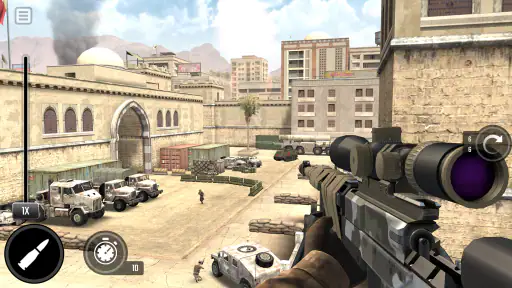
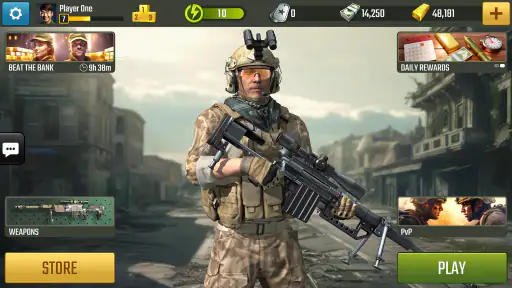
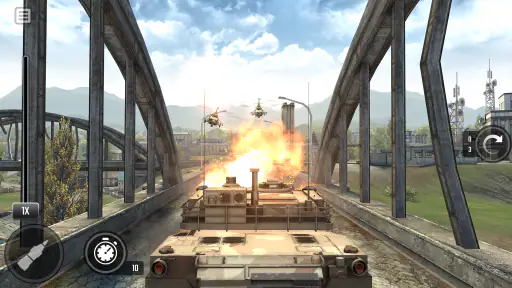
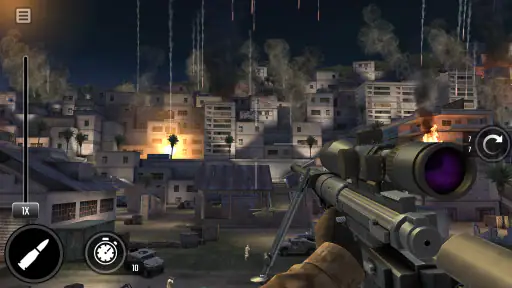
Analysis by Reviewed
I tend to enjoy mobile shooters most when I can settle into a short, repeatable routine: learn the controls, take a careful shot, and decide whether I want another round. War Sniper: FPS Shooting Game is aimed at that action-first mood, with tank battles and enemy soldiers at the center of its combat. It is free to play, though optional in-app purchases range from $0.99 to $99.99 per item, so I’d go in ready to treat spending as a choice rather than a requirement.
Who It Suits in an Ordinary Day
I’d reach for this kind of shooter when I want an active break rather than a game that asks me to remember a long plot or coordinate with a group. A few minutes between tasks can be enough to focus on aiming and combat, provided I have time to finish what I start. If I’m interrupted easily, I’d stick to a solo mission rather than begin a competitive session; that keeps a short break from turning into a frustrating stop in the middle of a match.
It is a particularly natural fit for players who like the feeling of lining up a shot and then moving promptly to the next problem. The combination of soldiers and tanks gives the battlefield a different texture from a shooter built only around close-range encounters. I would not expect that difference to make every mission strategically complex, but it does offer a reason to pay attention to what is in front of me instead of treating every target as interchangeable.
I’d pass if I wanted a relaxing experience, a strong narrative to follow, or a team shooter where communication and carefully assigned roles are the main attraction. Those preferences call for a slower or more social game. War Sniper is better approached as straightforward mobile action: satisfying when I want to concentrate on shots and combat, less compelling when I want a deep campaign or deliberate squad planning.
Gameplay and Features
War Sniper: FPS Shooting Game is all about precision, strategy, and a whole lot of action. From the moment you start, you're thrust into a highly immersive environment where every decision counts. The game boasts a variety of missions that challenge your shooting skills and strategic thinking. Whether you’re sniping enemies from afar or engaging in close combat, the game keeps you on your toes.
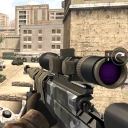
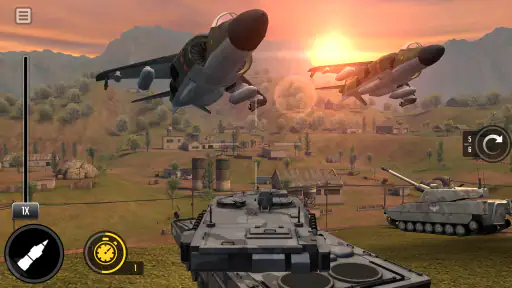
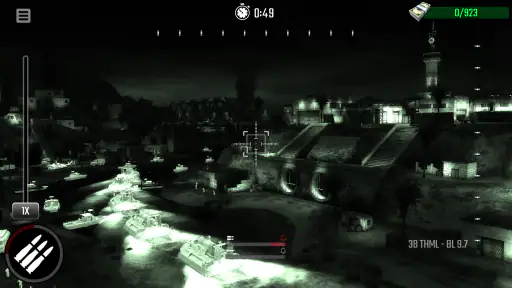
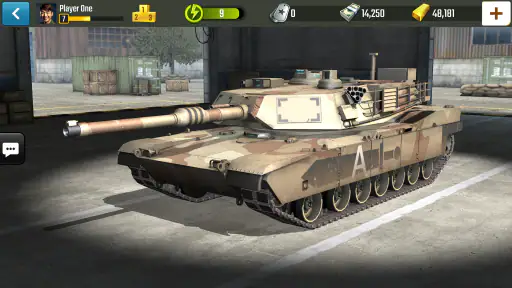
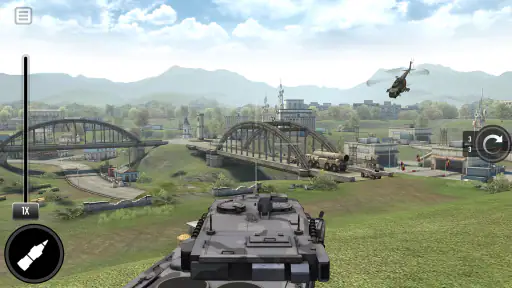
The graphics are pretty impressive for a mobile game. The developers have done a fantastic job creating detailed environments that make you feel like you're part of the action. The sound effects and background score add to the intensity, making it a truly immersive experience. One thing I particularly loved was the variety of weapons available. You can customize your arsenal to suit your playstyle, which adds a nice personal touch to the game.
Controls and User Experience
Now, let's talk about controls. The game offers a user-friendly interface that even beginners can get the hang of pretty quickly. The touch controls are responsive, and I didn’t experience any lag, which is crucial when you're in the middle of a heated battle. The tutorial at the beginning is quite helpful, guiding you through the basics without overwhelming you with information.
More From Our News Desk

Clash of Clans Is Won Between the Battles

Android Auto Makes the Case for Quieter Car Software

MobiOffice: Transforming Mobile Productivity with Seamless Integration

EA SPORTS FC™ Mobile Soccer: Redefining Mobile Sports Gaming

How Microsoft OneDrive Became a Mobile Productivity Giant

How Google Translate Breaks Language Barriers Effortlessly
For a smoother first session, I’d use the tutorial as a chance to learn how aiming and firing feel on my own device, rather than rushing through it to reach later missions. Mobile shooters can feel very different depending on screen size and how you hold the phone. A quick pause between attempts to adjust your grip or sensitivity, if the game offers that setting, is more useful than trying to compensate mid-fight. I’d also keep the opening sessions short: it makes it easier to notice whether I’m missing shots because of timing, aim, or simply unfamiliar controls.
Settings are worth checking before settling into a longer run. I look for options that affect aim sensitivity, camera movement, sound, and visual load, then change only one thing at a time. That small habit helps identify what actually improves comfort instead of leaving me unsure why a match suddenly feels different. If the action becomes hard to follow, lowering background audio or adjusting brightness can make the immediate task clearer; those are practical checks, not a promise of extra performance or hidden advantages.
One aspect that stands out is the game’s progression system. There’s a real sense of achievement as you complete missions and unlock new levels and weapons. It keeps you motivated to keep going, and trust me, it can get pretty addictive!
Making Each Attempt Count
Once the basic controls feel familiar, I find it more useful to focus on a single repeatable improvement than to chase a perfect run. For example, I might concentrate on taking an extra moment to settle my aim, then see whether that helps before changing my weapon choice or pace. This makes practice easier to evaluate: if the next encounter goes better, I have a reasonable idea why. If it does not, I can adjust one habit without turning every attempt into a completely different experiment.
Weapon variety makes a little forethought worthwhile, but I would not treat customization as a guarantee that one setup will suit every situation. A choice that feels comfortable at a distance may not be the one I want when combat gets closer. I’d use the early parts of a session to notice which situations cause trouble, then make a considered change between attempts. That is a more useful routine than repeatedly switching equipment in response to one frustrating moment.
There is also a practical distinction between learning in solo play and testing myself against other people. Solo missions give me a steadier place to practise and notice patterns; competition adds pressure because another player can make the pace harder to predict. If I am trying to improve, I would not use a single multiplayer result as proof that my aim or choices have got worse. I’d return to a mission, work on one specific weakness, and then try competitive play again when I want that extra uncertainty.
Engagement and Replay Value
What keeps me coming back to War Sniper: FPS Shooting Game is its replay value. The game offers different modes, including a thrilling multiplayer mode where you can compete against other players. It’s a great way to test your skills against real opponents, and it adds a layer of excitement that single-player modes usually don't offer. Plus, there are regular updates that introduce new missions and challenges, so there’s always something fresh to look forward to.
A useful repeatable pattern is to treat each mission as a small practice session: pick a weapon that suits the distance, take a moment to read the scene, and avoid firing in a hurry just because the pace feels urgent. Afterward, I’d note what caused trouble—poor positioning, rushed aim, or choosing the wrong tool—and carry one adjustment into the next attempt. That is more reliable than changing several habits at once. In multiplayer, the same patience can help, but human opponents make outcomes less predictable, so I wouldn’t judge progress only by wins.
This is a good fit for someone who wants an accessible, combat-focused game to dip into between errands or during a quiet break. For example, on a commute with a stable connection and a few minutes to spare, I’d choose a mission I can complete without needing a long uninterrupted session; at home, I’d be more inclined to try competitive play. I’d skip it if I’m looking for a calm game, a story-led campaign, or a tactical shooter built around deep team coordination. Compared with slower military shooters, its appeal is the direct action and quick learning curve; compared with very lightweight arcade shooters, the mix of sniping and tank encounters gives it a more battlefield-oriented flavor.
One useful way to keep the game enjoyable is to separate a practice session from a progress session. When I’m learning, I can choose a familiar mission and focus on a single skill, such as keeping a steadier aim or being more deliberate about weapon selection. When I’m simply looking for a change of pace, I can move on to other missions or competition instead. Having that choice helps prevent every session from feeling like a test of whether I am advancing quickly enough.
For those who love a good leaderboard challenge, this game has got you covered. Climbing up the ranks and seeing your name among the top players is a rewarding experience. It’s these little details that make the game engaging and worth your time.
Who Will Get the Most from It
War Sniper is published by Mobile Gaming Studios Ltd. and sits in the action-game space. Its 4.8 average from around 222,000 ratings and more than 10 million installs suggest it has found a broad audience, though popularity alone cannot tell me whether its style will suit you. It is rated Teen, runs on Android 6.0 or later, and its current version is 500124. I’d especially recommend it to players who enjoy aiming practice, mission-based combat, and the option to move between solo play and competition without expecting a highly realistic military simulation.
For someone choosing between this and a typical arcade shooter, the deciding factor is whether the battlefield framing appeals. A lighter arcade game may be a better match if I want instant, uncomplicated action with little interest in weapon choices or a mix of target types. A slower tactical alternative may suit me better if I want deliberate teamwork and careful planning to dominate each encounter. War Sniper sits between those moods: approachable enough for a casual shooter session, but with enough emphasis on aiming and equipment to reward some attention.
Before installing, I’d also think about the age rating and the kind of action I’m comfortable with. It is rated Teen, so it is not a game I’d recommend automatically for every younger player. The content and competitive element may be more appealing to people who are already comfortable with shooting games. For a household, I’d make that choice based on the intended player and the family’s own preferences rather than relying on a high rating or large audience as a substitute for judgment.
One sensible way to manage the purchase prompts is to decide in advance whether you want to spend anything. The game is free to start, but individual in-app purchases can be substantial, so I’d avoid buying items impulsively after a difficult mission. If progression starts to feel like a chore, take a break before paying to move past frustration. That boundary keeps the game’s shooting and challenge—not pressure to keep investing—as the reason to play.
Where Its Limits Matter
The same directness that makes the game easy to pick up may feel limiting if you want every encounter to demand elaborate planning. A touch interface also puts a ceiling on precision for players accustomed to a controller or mouse, and competitive matches can be less relaxing than missions against the game itself. I’d choose another option if your priority is a substantial narrative, carefully coordinated squad tactics, or a shooter with a slower pace. If your priority is quick action and improving your aim through repetition, those trade-offs are easier to accept.
Another trade-off is that the game’s combination of shooting and progression can encourage me to keep playing after a session has stopped being fun. I’d set a natural stopping point before starting, especially if I am only picking up my phone during a short break. That simple boundary is useful in any game with missions and unlocks: it lets me enjoy the next challenge without treating every available level or weapon as something I must reach immediately.
Players who mainly want a game to play without an internet connection should be cautious about choosing it for a specific trip or dead zone. Multiplayer necessarily depends on connecting with other players, and I would not assume every mode is available offline. For a journey where a connection is uncertain, I’d have a known offline game ready instead of relying on this one as my only entertainment. When the connection is stable, the option to move between solo missions and competition is a more attractive part of its variety.
It is also worth distinguishing a comfortable control setup from a universally ideal one. A sensitivity level that feels responsive on one phone may feel too quick or too sluggish on another, and changing several controls together makes it difficult to tell what helped. I’d make small adjustments and play a short stretch before deciding. If touch aiming still feels imprecise after that, the limitation may be the format rather than a setting I have not discovered; a controller-oriented or slower-paced alternative would then be a more sensible choice.
In conclusion, if you're in the market for a fun and challenging FPS game, War Sniper: FPS Shooting Game is definitely worth checking out. It offers an exciting mix of strategy, action, and competition, all wrapped up in a visually appealing package. So, gear up, take aim, and let’s see how you fare on the battlefield!
War Sniper: FPS Shooting Game Frequently Asked Questions
How much storage space should I have before downloading War Sniper: FPS Shooting Game?
Before downloading, make sure your device has enough free storage for the game and its installation process. The amount of space an app uses can change as it installs or receives updates, so leaving some extra room can help avoid interruptions. You can check available storage in your device settings and clear unused files or apps if needed.
Can I play War Sniper: FPS Shooting Game offline?
Whether you can play offline is an important consideration if you expect to use the game while traveling or away from a reliable connection. The experience is built around shooting action, and the game also has a multiplayer mode, which involves competing with other players. Check the game’s behavior after installation before relying on it in places without internet access.
Who develops War Sniper: FPS Shooting Game, and is it popular?
War Sniper: FPS Shooting Game is developed by Mobile Gaming Studios Ltd. It has attracted a large audience, with over 10 million installs and an average rating of 4.8 from around 222,000 ratings. Those figures suggest that many players have tried it, although individual preferences vary, so the game’s military shooting focus is still the best guide to whether it suits you.
Is War Sniper: FPS Shooting Game free to download?
War Sniper: FPS Shooting Game is free to download, so you can try its action-focused shooting gameplay without paying upfront. It also includes optional in-app purchases, with items priced from $0.99 to $99.99. Those purchases are worth keeping in mind before you start, especially if you prefer to avoid spending inside games; check your device’s purchase settings if you want to prevent accidental transactions.
What kind of game is War Sniper: FPS Shooting Game?
War Sniper: FPS Shooting Game is an action title built around first-person shooting. Its store description highlights army tank battles and taking down soldiers, setting expectations for combat-focused play rather than a casual puzzle or simulation experience. It is rated Teen, so it may be a better fit for players comfortable with stylized military action. The game is developed by Mobile Gaming Studios Ltd.
Pros
- Immersive graphics for enhanced gaming experience.
- Wide variety of weapons and upgrades.
- Smooth and intuitive controls.
- Engaging missions with increasing difficulty.
- Offline mode available for uninterrupted play.
Cons
- In-app purchases can be expensive.
- Frequent ads disrupt gameplay.
- Limited multiplayer options.
- Occasional lag in online mode.
- High battery consumption.
- Category
- Action
- Version
- 500124