Traffic Driving Car Simulation
- 275.00
- 4.5
- Installs
- 10.00M
- Price
- Free

Screenshots
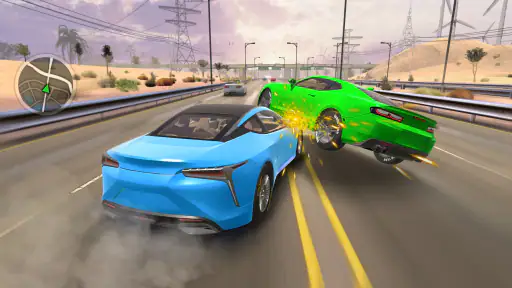
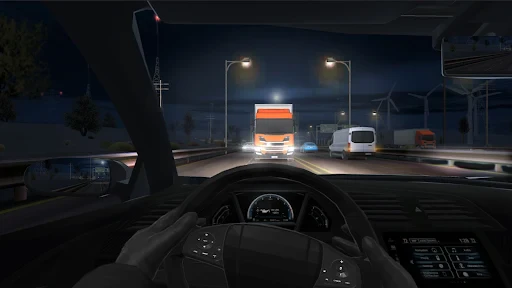
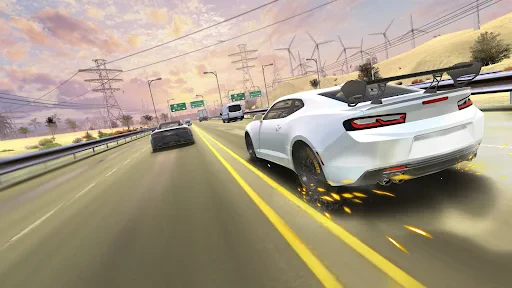
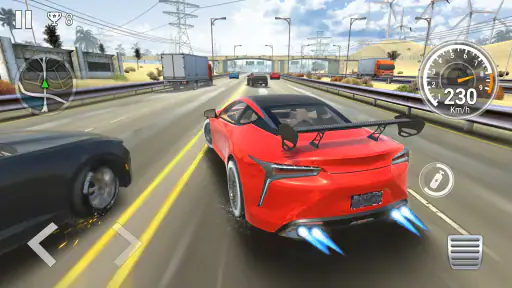
Analysis by Reviewed
I approach a mobile driving game differently depending on what I want from it: a quick distraction, a forgiving place to practise steering, or a more demanding road challenge. Traffic Driving Car Simulation is aimed at the first two, with traffic-focused driving as its central appeal. It is a free simulation game from Maple Ltd.; the audience rating is Everyone 10+, and the game has a 4.5 average from around 39,000 ratings. Those figures suggest it has found a sizeable audience, though they do not tell me whether its pace will suit you. I would treat it as a casual driving option rather than a substitute for a detailed racing simulator.
What to expect from a traffic-driving game
The basic attraction is easy to understand: you take the wheel and focus on moving through traffic. That makes this a natural fit for short sessions when I want a driving theme without committing to a long story or a complicated management game. If you are coming from a conventional racing title, expect the emphasis to feel different. Racing games often reward speed and competition; a traffic-driving game puts more of your attention on staying composed around other vehicles. I find that shift appealing when I want concentration without the pressure of a full race.
Maple Ltd. has built a game with broad reach: it has passed 10 million installs, and its October 2024 release has since reached version 1.0.3. I see that audience size as a useful sign that the basic idea appeals to plenty of mobile players, not as a promise that it will suit every driving preference. The important question is whether you enjoy the moment-to-moment task of handling a car amid traffic. If that sounds satisfying, it is a sensible one to try; if your interest is mostly collecting cars or following a long narrative, this is probably not the right starting point.
Getting your first session started
Before installing, check that your device runs Android 7.1 or later. The current version is 1.0.3, and the game is free to start, with optional in-app purchases ranging from $1.99 to $29.99 per item. I would begin without spending anything and see whether the driving itself holds my attention. That is the most useful test for a game in this category: if steering through traffic is enjoyable on its own, you can decide later whether any purchase is worth considering.
For a first try, pick a quiet moment when you can focus on the controls rather than trying to beat a personal best immediately. Give yourself a few attempts to understand how the car responds, then make one small goal for the session: stay steady, leave room around traffic, and finish a drive without rushing. This kind of modest target helps separate a control problem from ordinary first-session nerves. It also gives you a clearer sense of whether the game feels comfortable on your phone.
I would also make the first session a small, deliberate experiment. Keep your attention on one thing at a time: first, how the car responds to steering; then, how much space you need to react when traffic shifts around you. If you change several habits at once, it is hard to tell what helped. A useful personal checkpoint is whether your second attempt feels calmer than your first, even if it is not perfect. That kind of improvement tells you more about whether the controls are clicking than a single lucky run does.
Finding a first satisfying drive
My practical advice is to treat your opening drive as a learning run, not a test of skill. Watch how quickly the view and surrounding traffic change, and make gradual adjustments instead of overcorrecting. If you make a mistake, use it to identify what happened just before it: were you reacting late, turning too sharply, or simply trying to do too much at once? That little pause between attempts is more useful than repeating the same rushed approach. A first successful run is less about being flawless and more about finding a pace you can manage.
More From Our News Desk

Weather by Xiaomi Review: Clear at a Glance, Less Clear Up Close

X Under Pressure: Can It Recover When Posting Goes Wrong?

Clash of Clans Is Won Between the Battles

Android Auto Makes the Case for Quieter Car Software

MobiOffice: Transforming Mobile Productivity with Seamless Integration

EA SPORTS FC™ Mobile Soccer: Redefining Mobile Sports Gaming
One small habit that can make early attempts more useful is to decide on a single intention before you start. For example, focus on smooth steering rather than trying to make every drive longer or faster. Afterward, remember one moment that felt controlled and one that did not. This turns a quick game into a low-pressure way to practise attention and timing, without pretending that it replaces real-world driving instruction. If the game feels enjoyable only when you chase a result, that is also useful to learn early: it may be a better fit for focused bursts than for unwinding.
That makes the game especially suitable for someone who enjoys cars but does not necessarily want the precision demands of a competitive racer. It may be less satisfying if you want deep vehicle tuning, a long campaign, or a strong sense of progression; I would choose a dedicated racing or driving-simulation title for those priorities. The free entry point makes trying it low-risk, but optional purchases are a reason to decide your own spending limit before browsing them, particularly if younger players use the device.
For parents or anyone sharing a phone with a younger player, the Everyone 10+ age rating is a practical place to begin when deciding whether it is appropriate. I would also talk through in-app purchases before play, rather than waiting until a purchase screen appears. Since the game is free to start, you can first see whether the basic driving loop is enough to hold attention. That makes it easier to judge any optional spending on its own merits instead of treating it as a necessary part of getting started.
Getting Behind the Wheel
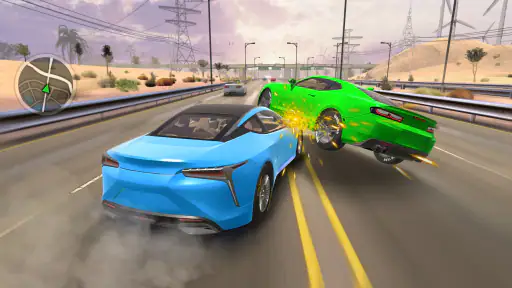
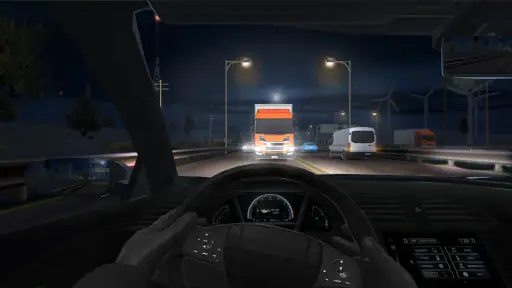
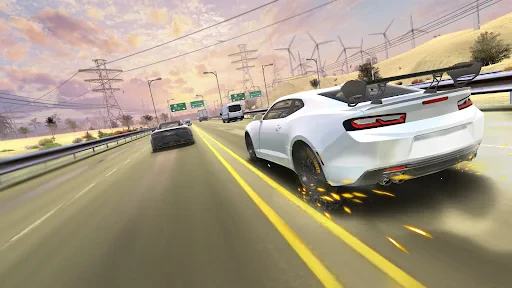
Right off the bat, Traffic Driving Car Simulation immerses you in its realistic driving environment. The graphics are crisp, and the attention to detail is remarkable. From the glint of sunlight bouncing off car hoods to the subtle changes in weather conditions, it’s all there. The controls are intuitive and responsive, making it easy to feel like you're actually maneuvering through a bustling cityscape.
Revving Up the Features
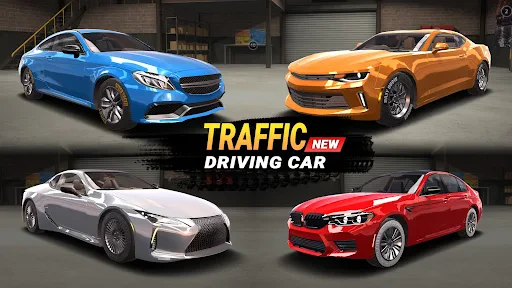
One of the most exciting aspects of this app is its variety of driving challenges. Whether you're racing against the clock or avoiding unexpected roadblocks, each level offers a unique test of your driving skills. The game also features a diverse range of vehicles, from sleek sports cars to hefty SUVs, each with its own handling characteristics.
Multiplayer mode takes the excitement up a notch, allowing you to challenge friends or random players worldwide. It’s a great way to show off your driving prowess or to see how you stack up against others. And let's not forget the customization options! Modifying your car's appearance and performance adds a personal touch and a strategic edge to your gameplay.
Choosing how to keep playing
Once the controls feel familiar, I would change just one thing at a time. Try another vehicle before changing your approach to every turn; that makes it easier to tell whether the difference comes from handling or from your own timing. If a challenge feels difficult, slow down mentally and focus on clean decisions rather than treating every run like a race. The useful trade-off is that a traffic-focused drive can reward patience, while a conventional racer may be the better choice when you want sustained high-speed competition.
The vehicle variety is most useful when you treat it as a reason to experiment, not as a checklist to rush through. A different car can change how a drive feels, so I would take it out on a familiar kind of challenge before deciding whether it suits me. That gives you a fair comparison and keeps the learning curve manageable. Customization has a similar trade-off: it can make a car feel more personal, but it is worth separating cosmetic choices from changes that affect how you drive, so you know what you actually prefer.
For an everyday example, I would use it during a short break when I have enough time for a focused run but not enough to settle into a longer game. I would also keep sound low or use headphones depending on where I am, since the driving atmosphere is part of the appeal but engine and traffic effects may not suit a quiet shared space. If you are deciding whether it is appropriate for a younger player, the Everyone 10+ rating is a helpful starting point; I would still review purchase settings together before handing over the phone.
A realistic routine might be a few minutes after finishing a task, with one clear aim for the session: settle into the controls, try a different vehicle, or take on a challenge that sounds appealing. I would avoid opening the game when I need to keep switching attention between it and another task; traffic driving works better when I can focus on what is happening on screen. That makes it a handy option for a proper short break, but not an ideal background activity while watching something or carrying on a conversation.
Driving Experience
The sound design deserves a special mention too. The roar of engines, the honk of horns, and the ambient city noises combine to create an immersive auditory experience. It’s these little details that keep you hooked and make each session an adrenaline-pumping adventure.
What I really appreciate about Traffic Driving Car Simulation is its balance of fun and realism. While the game offers a challenging experience, it never feels unfair. The developers have done a fantastic job ensuring that players of all skill levels can enjoy the game without getting frustrated.
There is a practical trade-off between immersion and convenience here. The sound and city atmosphere can make a drive feel more engaging, but they are also the first things I would adjust to fit where I am playing. In a quiet room, lower volume may be enough; in a noisy place, headphones can make the audio easier to appreciate. Either way, the game’s appeal should not depend on turning every effect up. If the sensory bustle feels tiring, shorter sessions are a reasonable way to enjoy the driving without letting it become overwhelming.
When the road stops being fun
If you are unsure whether to keep playing, ask yourself what is causing the friction. A tough run can be part of the appeal when you enjoy improving through repetition; it is less welcome if you wanted a relaxed, low-attention pastime. In that case, shorter sessions and a simpler goal can help, but there is no need to force it. Players who mainly want a broad career mode or detailed simulation systems may be happier elsewhere, while anyone drawn to quick traffic encounters has a clearer reason to give this one a chance.
Compared with the usual options in mobile driving, this sits between arcade racing and more demanding simulation games. It gives car fans a traffic-centered activity without asking them to begin with the depth or commitment of a full simulator, while traditional racers are a stronger choice for direct competition and sustained speed. If you want to plan routes, tune a vehicle in detail, or work through a long career, I would look for a game built around those goals instead. If you mainly want a quick driving challenge, this is the more relevant style.
It is also worth being honest about what a traffic-focused game asks of you: attention to nearby vehicles and steady decisions are part of the fun, so it may not work as a completely mindless distraction. If you repeatedly feel irritated by the need to react, or you would rather have a game that lets you pause and make progress at your own pace, another kind of mobile game may suit you better. I would give it a few calm attempts before deciding, but I would not treat persistence as a requirement if the central driving loop simply does not appeal.
Final Lap
In conclusion, if you’re looking for a driving game that combines realism with fun, Traffic Driving Car Simulation is definitely worth checking out. Its engaging gameplay, stunning graphics, and the sheer thrill of virtual driving make it a standout choice for any mobile gamer. So buckle up, hit the gas, and dive into the exhilarating world of Traffic Driving Car Simulation. You won’t regret it!
My recommendation is most confident for someone who wants short, active driving sessions and enjoys learning a game by refining small decisions. The free start makes it easy to test that fit before considering optional purchases, and its broad audience suggests the concept has found plenty of fans. I would still choose a dedicated racer for head-to-head speed, or a deeper simulator for careful vehicle management. But if the idea of staying composed amid traffic sounds more appealing than chasing a podium, this is a reasonable game to try and judge by your first few drives.
Traffic Driving Car Simulation Frequently Asked Questions
Is Traffic Driving Car Simulation free to download?
Yes, Traffic Driving Car Simulation is free to download, so you can try the driving-focused simulation without paying an upfront price. Optional in-app purchases are available, but they are not required to start playing. If you share a device with a child or want to avoid accidental spending, review the purchase settings on the device before handing it over.
What age group is the game intended for?
Traffic Driving Car Simulation has an Everyone 10+ age rating, which is useful to consider when deciding whether it suits a younger player. The driving theme may appeal to children, but an age rating is only one part of the decision. Parents can also check the game themselves and manage access to in-app purchases through their device settings.
Who developed Traffic Driving Car Simulation, and what kind of game is it?
Traffic Driving Car Simulation is a driving-focused simulation game developed by Maple Ltd. Its central appeal is the chance to take the wheel and experience traffic from a driver’s perspective. The store summary invites players to dive into a driving experience and be an immortal on the road, setting expectations for a game centered on getting behind the wheel and navigating traffic.
What is Traffic Driving Car Simulation about?
Traffic Driving Car Simulation is a realistic driving game where players navigate through busy traffic environments. The objective is to improve driving skills by obeying traffic rules, avoiding collisions, and completing various challenges. It provides an immersive experience with high-quality graphics, realistic physics, and a variety of vehicles to choose from, making it a fun and educational tool for driving enthusiasts.
Can I customize vehicles in Traffic Driving Car Simulation?
Yes, Traffic Driving Car Simulation offers extensive customization options for vehicles. Players can modify their cars by changing colors, upgrading parts, and enhancing performance attributes. This feature allows users to personalize their driving experience and improve their cars' efficiency and appearance, adding a layer of depth and engagement to the gameplay.
Pros
- Realistic driving physics
- Wide range of vehicles
- Stunning graphics
- Challenging levels
- Intuitive controls
Cons
- In-app purchases required
- Occasional lag issues
- Ads can be intrusive
- Limited customization options
- Requires constant internet connection
- Category
- Simulation
- Version
- 1.0.3







