Tides of Conquest
- 90.00
- 4.0
- Installs
- 500.00K
- Price
- Free

Screenshots
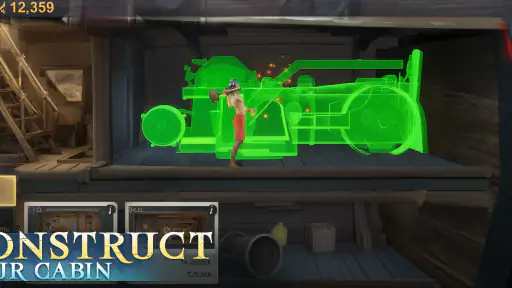
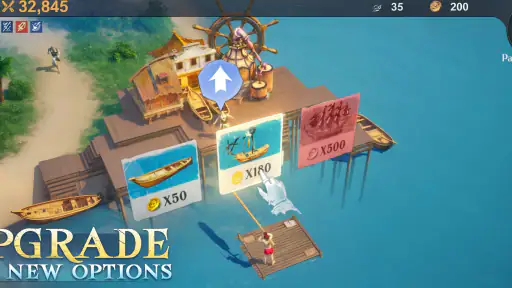
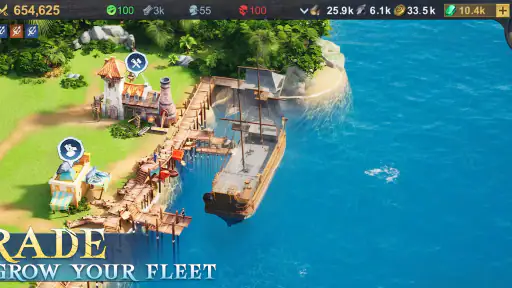
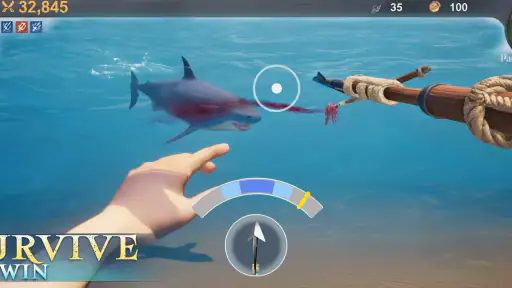
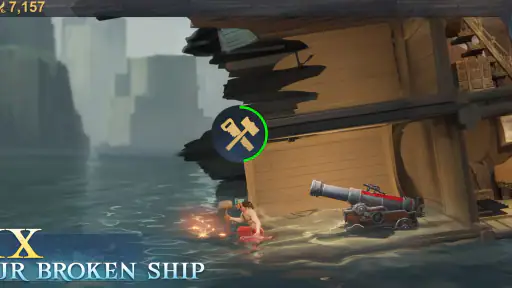
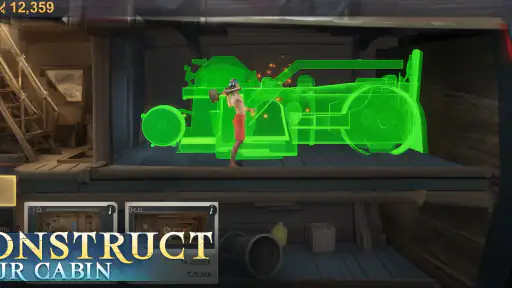
Analysis by Reviewed
Commanding a pirate fleet sounds simple until every decision starts competing for attention. In my time with Tides of Conquest, the most important part is not the pirate theme by itself, but the way it asks me to think about several moves at once: where to spend resources, when to commit a fleet, and whether a short-term victory is worth creating a weaker position afterward. That focus gives this free strategy RPG more substance than its brief store presentation suggests.
Developed by Puzala, the game places me in charge of pirates and fleets within a war-focused role-playing structure. It is aimed at Teen players, and that rating fits the tone of a game built around conflict without making the experience feel like a realistic military simulator. I found the presentation easy to understand, while the decisions became more demanding once I stopped treating every encounter as a simple attack button.
The Android release requires version 7.0 or later, and the current version is 1.1.780. The game has already passed the half-million-install mark, with an average score of 4.0 from roughly 3.6 thousand ratings. Those figures suggest a reasonably established audience, but they also set a useful expectation: this is a developing strategy experience with a broad player base, not necessarily a polished replacement for the deepest games in the genre.
Why fleet command is the real test
The central capability I kept returning to was fleet command. The pirate setting gives that system personality, but the practical effect is more important: I have to treat each force as a limited tool rather than an endlessly reusable answer to every problem. Sending a strong fleet into one fight can make the next decision harder, especially when I have not prepared another option.
This is where the role-playing layer changes the way I approach strategy. A straightforward action game rewards quick reactions, while a conventional board-style strategy game often gives me time to inspect a fixed position. Tides of Conquest sits between those ideas. I am still looking for favorable outcomes, but I also think about the condition in which my fleet will emerge and what that leaves available afterward.
The useful lesson is to judge a victory by what it enables next, not only by whether the current battle is won. That sounds obvious, yet the pirate theme encourages aggressive play. I often wanted to push forward immediately, particularly after a successful encounter. The better habit was to pause and ask whether the next move would improve my overall position or simply satisfy the urge to attack.
This capability makes the game more interesting for players who enjoy planning under pressure. It is less suitable for someone looking for a purely relaxing experience where every encounter can be solved with the same strongest unit or the most obvious upgrade. Even when the interface feels approachable, the decisions are more enjoyable when I accept that not every opportunity deserves an immediate response.
More From Our News Desk

Weather by Xiaomi Review: Clear at a Glance, Less Clear Up Close

X Under Pressure: Can It Recover When Posting Goes Wrong?

Clash of Clans Is Won Between the Battles

Android Auto Makes the Case for Quieter Car Software

MobiOffice: Transforming Mobile Productivity with Seamless Integration

EA SPORTS FC™ Mobile Soccer: Redefining Mobile Sports Gaming
What fleet thinking changes during a session
In practice, I began dividing my attention into three questions. First, which confrontation is genuinely important? Second, which fleet is best suited to it? Third, what will I still be able to do after committing that fleet? This mental checklist is more valuable than blindly improving everything at once, because it makes each upgrade and deployment feel connected to a plan.
That approach also helps with the common temptation to spend resources as soon as they become available. I found it more useful to reserve some flexibility rather than turn every gain into an immediate power increase. A slightly weaker fleet with a clear follow-up plan can be more useful than a stronger one that leaves me unable to respond elsewhere.
The game does not need to explain this idea in a long tutorial for it to become apparent. It emerges through repetition. Early encounters can encourage experimentation, but later decisions expose the cost of treating a fleet as disposable. My advice is to use the opening part of a session to learn how the game wants me to sequence actions, rather than judging the entire experience by the first few easy victories.
Another practical point is that I would not play this as a one-handed, half-attentive time filler unless I was only checking progress. The strategic value appears when I give a battle and its aftermath a little attention. A quick session can still be satisfying, but the game rewards a player who remembers what has already been committed and what remains available.
How I approached the role-playing side
The RPG structure gives the fleet decisions a sense of continuity. Instead of treating each conflict as an isolated puzzle, I felt that my choices belonged to a longer campaign. That encouraged me to think about consistency: a good decision was not merely one that solved the current problem, but one that kept my future choices open.
I recommend avoiding a “maximum damage first” mindset. In a game centered on fleets, the strongest-looking option is not automatically the most efficient one. I had better results when I matched my response to the immediate objective and kept another route available. This is a non-obvious strength because it turns ordinary progression into a lesson in prioritization rather than a simple climb toward larger numbers.
Players who like experimenting should also resist changing several things at once. If I alter my fleet choices, spending habits, and battle approach simultaneously, it becomes difficult to understand which decision helped. Testing one adjustment at a time makes the strategy clearer. That is particularly useful for newcomers who might otherwise assume that a loss means the whole setup is wrong.
The trade-off is that the RPG layer may feel less rewarding to players who want a compact puzzle with a clean answer. Tides of Conquest asks me to live with imperfect choices. Sometimes the best result is not a dramatic triumph but a position that leaves me prepared for the next challenge. That slower kind of satisfaction will appeal to planners more than to players who measure fun by constant spectacle.
A realistic everyday session
Imagine having a short break after work and opening the game with one clear intention: make progress without wasting the resources gathered earlier. I would first review which fleet is already in the best condition for the next objective, then decide whether the immediate reward justifies using it. If the answer is no, I would improve my position instead of forcing a battle simply because it is available.
That scenario shows why the game works better as a focused strategy break than as background entertainment. I can make meaningful progress in a limited session, but I need to enter with a plan. If I open it while distracted, I am more likely to commit the wrong fleet or spend resources impulsively. The game is not demanding in the same way as a competitive real-time title, yet it still benefits from attention.
For a longer evening session, I would set a small goal rather than attempting to solve everything. For example, I might concentrate on stabilizing one fleet or learning how a particular type of encounter affects my available options. This keeps the session from becoming a repetitive sequence of attacks and gives me a way to evaluate whether my decisions are improving.
This is also where the Teen rating matters for families deciding whether to try it. The game is built around pirate warfare and conflict, so it is not aimed at young children. A parent should view it as a strategy game with a combat theme, not as a child-oriented puzzle title. The age label is a practical guide to the tone and subject matter, even though the main attraction is decision-making rather than realism.
Where it stands beside familiar strategy games
Compared with a traditional turn-based strategy game, Tides of Conquest feels more immediately themed and less like an abstract exercise in territory management. The pirate identity gives my choices a stronger sense of place. On the other hand, players who want a very large map, extensive diplomacy, or highly detailed economic simulation may find the experience more focused than they expect.
Compared with a casual mobile battle game, it asks for more patience. The right move is not always the most visually exciting one, and progress depends on understanding how a fleet decision affects later opportunities. That makes it a better choice for someone who wants a game to think through, but a weaker choice for someone who wants instant action during every brief pause in the day.
It also differs from games that rely almost entirely on collecting characters or chasing a single optimal lineup. Here, I get more value from understanding deployment and timing than from assuming that one powerful option will solve every problem. That does not eliminate progression-focused play, but it gives the player more responsibility for the outcome.
The comparison has an important limitation: Tides of Conquest is free to start, but it includes in-app purchases ranging from $0.99 to $199.99 per item. I would therefore approach progression with a budget in mind and avoid treating every purchase prompt as part of the strategy. The free entry point is helpful, yet the presence of high-priced individual items means players should decide their spending boundaries before they become invested in the campaign.
The friction points I noticed
The biggest weakness is that the game’s appeal depends on whether its strategic layer feels deep enough for the individual player. I enjoyed thinking about fleet commitment, but someone expecting a full-scale naval simulation may find the role-playing presentation more streamlined. The pirate theme creates atmosphere, but it cannot by itself replace the complexity of a much larger strategy title.
There is also a risk of repetitive decision-making if I stop examining the reasons behind each move. The game is strongest when I am planning, testing, and adapting. It is less compelling when I reduce every encounter to a routine. That is not a fatal flaw, but it means the experience relies on player engagement rather than constant novelty.
Free-to-play design is another consideration. The purchase range makes it especially important to separate convenience from necessity. I would recommend playing long enough to understand the normal rhythm of progression before spending anything. If the game only feels enjoyable after buying an advantage, it is probably not the right fit for that player’s expectations.
Performance expectations should also remain sensible. The game supports Android devices running version 7.0 or later, which gives it a relatively accessible technical baseline, but compatibility is not the same as identical performance on every phone. On an older device, I would keep expectations moderate and judge the experience by actual responsiveness rather than assuming that the minimum operating-system requirement guarantees a perfect session.
Who gets the most from it
I think Tides of Conquest is best for players who enjoy strategy with a clear theme and who like making choices that have consequences beyond one encounter. It suits someone who can spend a few minutes reviewing a situation, resist unnecessary attacks, and accept that a controlled retreat in momentum can be better than a reckless advance.
It is also a good match for fans of pirate adventures who want more involvement than simply tapping through a story. The fleet-command focus gives the setting a practical purpose. I am not only watching pirates act; I am deciding how their forces should be used and when an opportunity is worth the risk.
I would skip it if I wanted a purely offline-feeling puzzle, a detailed simulation with many interconnected systems, or a game that never asks me to think about purchases. I would also look elsewhere if my ideal mobile strategy experience is entirely competitive and fast-moving. This game’s appeal comes from managing a campaign-style rhythm, not from constant rapid reactions.
New players should begin by learning the cost of commitment. Do not spend every resource immediately, do not assume the strongest fleet is always the correct one, and do not judge a session only by its largest reward. Those three habits reveal the game’s actual character faster than simply pushing through the earliest encounters.
Existing strategy fans may get more from it by setting personal constraints. For example, I would try to progress without buying anything at first, or focus on improving decision quality rather than chasing every available gain. That turns the free starting experience into a useful test of whether the underlying fleet system is strong enough for me.
With around 90 written reviews and more than 500 thousand installs, the game has attracted enough attention to be worth investigating, while its 4.0 average suggests a mixed but generally positive reception rather than universal agreement. I read that as a reason to approach it with the right expectations: the experience has a worthwhile strategic idea, but its streamlined design and free-to-play structure will not suit everyone.
My recommendation after playing
I recommend Tides of Conquest to a friend who wants a pirate-themed mobile strategy RPG where fleet decisions matter more than frantic tapping. Its strongest quality is the way it makes me think beyond the current fight. When I plan around what a victory will leave me with, the game feels purposeful and surprisingly thoughtful.
I would not recommend it as a universal strategy game. Players seeking deep simulation, uninterrupted premium design, or a completely frictionless progression path should choose a different kind of title. The purchase options require self-control, and the experience can lose momentum if I stop making deliberate choices.
Still, the free price makes it easy to test that central idea without an upfront commitment. Give it a focused session, keep your resources under control, and pay attention to how fleet choices shape the next move. If that chain of decisions is satisfying to you, Puzala’s game has enough personality and strategic tension to earn a place on your phone. If you only enjoy immediate battles, its most valuable feature may also be the part that slows you down.
Tides of Conquest Frequently Asked Questions
Is Tides of Conquest suitable for younger players?
Tides of Conquest is rated Teen, so it may be a better fit for older children and teenagers than for younger players. As with any strategy game that includes online interactions and optional purchases, parents may want to check the game themselves and set suitable device or account controls. The age rating and purchase settings are worth reviewing before a child downloads it.
How much space and time should I expect the game to need?
Tides of Conquest is a strategy game built around developing a settlement and progressing over time, so it is likely to suit players who can return regularly rather than those looking only for a brief one-off experience. Check the download size and available storage shown on your device’s app store before installing, and leave room for updates. Keeping the game updated can help you access its current version.
What is Tides of Conquest about?
Tides of Conquest is a strategy-focused game built around exploration, resource management, and territorial expansion. Players develop their settlement, gather materials, improve their forces, and make decisions that affect progress across the game world. Its appeal comes from combining long-term planning with battles and discovery, so it is better suited to players who enjoy gradual development rather than quick, entirely casual sessions.
Can Tides of Conquest be played offline?
The game is primarily designed around online features, including account progress, world activity, updates, and interactions that may depend on connected services. Some sections might load or remain accessible during a temporary loss of connection, but players should not expect the complete experience to work offline. A stable internet connection is recommended, especially when synchronizing progress or participating in competitive and multiplayer content.
Is Tides of Conquest free to download and play?
Tides of Conquest can generally be downloaded without an upfront purchase, allowing players to try its core systems before spending money. However, free-to-play games commonly include optional in-app purchases for resources, upgrades, cosmetic items, or progression benefits. You can make progress without paying, although patience and regular play may be necessary. Optional purchases range from $0.99 to $199.99 per item, so parents should also review purchase restrictions before allowing children to play.
Pros
- Strategic naval battles make each victory feel rewarding.
- The island map encourages exploration and careful route planning.
- Multiple ship types support varied combat strategies.
- Resource management adds depth beyond straightforward fighting.
- Suitable for players who enjoy slower
- thoughtful progression.
Cons
- Progress can feel slow without regular play or patience.
- Some upgrades may require considerable resource grinding.
- Battles can become repetitive after extended sessions.
- The interface may feel crowded on smaller phone screens.
- Online features may be limited by connection quality.
- Category
- Strategy
- Version
- 1.1.780