Game of War - Fire Age
- 110.03K
- 2.7
- Installs
- 50.00M
- Price
- Free

Screenshots
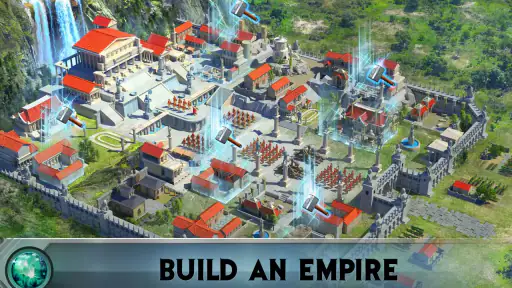
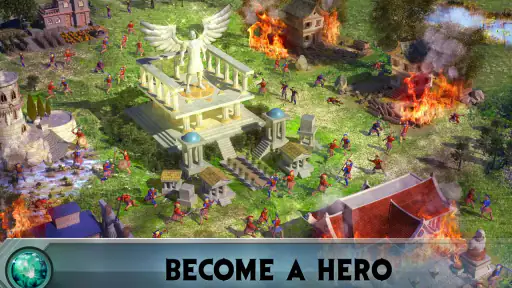
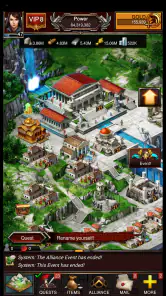
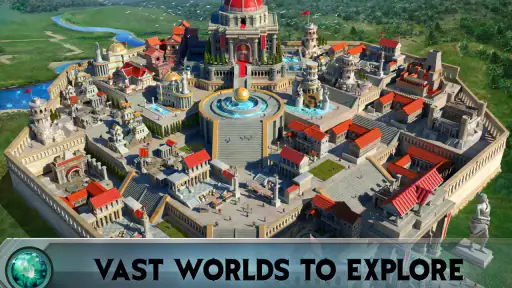
Analysis by Reviewed
I approached Game of War - Fire Age expecting a strategy game built around a simple promise: make a move, see its effect, collect something useful, and find a reason to return. That basic rhythm is exactly what defines the experience. You build toward a stronger position, send forces into danger, improve what you have, and then discover that the next goal is already waiting. It is less like a short, self-contained puzzle and more like a long-running strategy routine that gradually asks for more attention.
That distinction matters. This is a free strategy game from Epic War, rated for Everyone 10+, and it has been available since May 7, 2014. Its huge audience—over 50 million installs—makes it easy to understand why a player might encounter it through friends, recommendations, or a familiar mobile-gaming list. Yet the average rating of 2.7 from around 1.4 million ratings also tells me that popularity should not be confused with universal satisfaction. I found a game with a strong habit-forming loop, but also a fair amount of friction for anyone who wants quick, transparent progress.
Starting with one action and learning what it changes
The first useful way to approach Game of War is not to treat it as a game you must master immediately. I had a better experience when I focused on one practical action at a time: improve the base, prepare an army, or pursue a nearby objective. The interface presents a lot of possible directions, and that can make the opening feel busier than the actual decisions require. Choosing a single short-term aim keeps the early minutes from turning into aimless tapping.
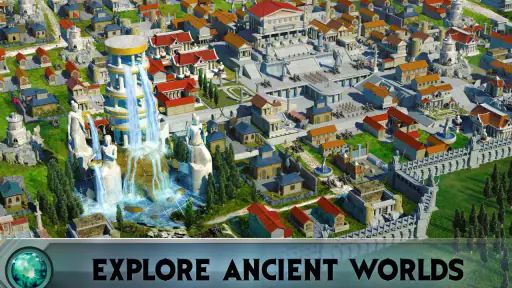
The central appeal is the feeling that each decision leaves the settlement in a better state. A construction choice can open the next improvement. A military action can produce resources or progress toward a larger objective. The result is not always dramatic, but the game continually supplies small signs that the account is moving forward. That is the first important part of its action-feedback loop: I do something concrete, then the world gives me a visible reason to check back.
I would not describe the opening as a pure tactics tutorial. It is closer to being introduced to a large system piece by piece. The game wants me to think about preparation before action, rather than simply pressing an attack button whenever one appears. That makes the first decisions more meaningful, but it can also feel slow if I arrive hoping for constant combat. The title suggests epic battles, yet the everyday experience includes plenty of planning, waiting, upgrading, and checking.
For a new player, my practical advice is to resist the temptation to spread every available resource across every option. I got more clarity by choosing one development path, checking what it unlocked, and only then deciding whether to widen the plan. This approach exposes an important trade-off: broad growth makes the base look busy, while focused growth makes progress easier to understand. The second choice is usually better during the early learning period.
The feedback rhythm is more important than the individual battle
What kept me interested was not one spectacular encounter. It was the sequence around it. I prepare, commit to an action, receive feedback, use the result to improve something, and then notice another target or upgrade that seems just within reach. The loop works because the reward is rarely isolated. It becomes fuel for the next decision, which gives the game a steady sense of motion even when I am not actively fighting.
More From Our News Desk

Clash of Clans Is Won Between the Battles

Android Auto Makes the Case for Quieter Car Software

MobiOffice: Transforming Mobile Productivity with Seamless Integration

EA SPORTS FC™ Mobile Soccer: Redefining Mobile Sports Gaming

How Microsoft OneDrive Became a Mobile Productivity Giant

How Google Translate Breaks Language Barriers Effortlessly
This rhythm also explains why the game can feel satisfying in short visits. I can open it with a simple intention—check progress, collect what is ready, begin an improvement, or review the next military step—and leave with a completed piece of the plan. A brief session does not necessarily deliver a full victory, but it can still move the account forward. That makes the game suitable for players who enjoy maintaining a long project rather than finishing a complete challenge in one sitting.
There is a less comfortable side to this design. The feedback can become noisy when several improvements, objectives, and rewards compete for attention. Instead of feeling like I am making one elegant strategic decision, I can sometimes feel like I am processing a queue of tasks. Players who prefer a clean board, a small number of units, and immediate cause-and-effect may find the experience cluttered. In that situation, a compact tactics game or a turn-based strategy title would probably be a better fit.
I also noticed that the game rewards regular awareness more than occasional bursts of enthusiasm. Returning after a long gap can leave me with several things to review, but it does not automatically recreate the momentum I had before. The strongest sessions are the ones where I already know what I am checking and why. Without that intention, the loop can turn into routine maintenance rather than strategy.
Rewards feel useful when they support a plan
The reward system works best when I connect every gain to a specific next step. Resources are more satisfying when they complete an upgrade I have been preparing for, and military progress feels more valuable when it changes what I can safely attempt next. If I collect everything without deciding what it is for, the reward loses some of its impact. The game gives me plenty of reasons to gather, but I have to supply the priorities.
That is one of the less obvious lessons of playing it: a reward is not automatically progress. Progress depends on whether the reward strengthens the part of my plan that matters. I found it helpful to keep a simple mental hierarchy. First came improvements that supported my immediate objective; afterward came attractive extras that could wait. This reduced the feeling that I was constantly busy without becoming meaningfully stronger.
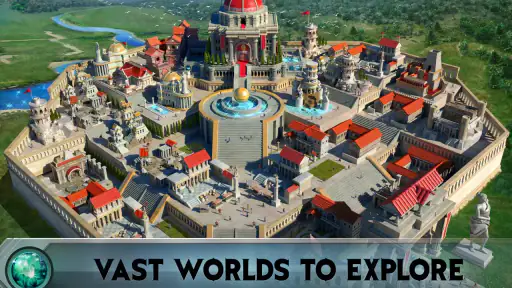
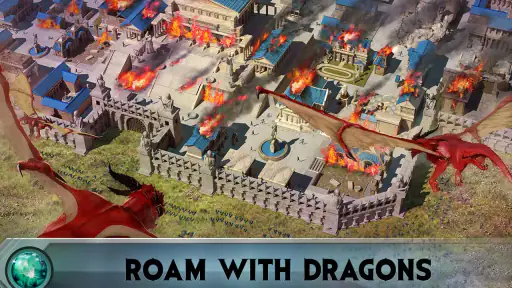
The fantasy setting helps make these rewards feel more purposeful. Creatures, treasure, armies, and the idea of becoming a powerful ruler give the routine a clear theme. I am not merely filling meters in an abstract management screen; I am building toward a larger fantasy of control and conquest. That theme is familiar, but it gives the repeated actions enough context to remain engaging for a while.
Still, the free-to-play structure deserves careful attention. The game is free to download and includes in-app purchases ranging from $4.99 to $99.99 per item. I would advise setting a spending limit before getting deeply involved, especially if the next upgrade or objective feels close enough to tempt an immediate purchase. The important question is not whether spending exists; it is whether I am comfortable with the possibility that patience and payment may sit beside one another in the progression experience.
For me, the best way to enjoy the rewards was to treat purchases as entirely optional and judge the game by what I could do without them. That mindset makes the loop less stressful. If a player dislikes any design that places paid acceleration near long-term progress, this is a serious reason to skip the game. A premium strategy game with one upfront cost may offer a calmer relationship with advancement, even if it has fewer ongoing systems.
Why another session begins after I close the game
The session reset is simple: I leave with unfinished intentions. An improvement may be underway, an army may need attention, a reward may have changed the next choice, or a new objective may look more achievable after the latest action. The game does not need to end a session with a dramatic cliffhanger. It creates a small open loop, and that is enough to pull me back later.
This works particularly well in an everyday scenario. Imagine I have ten minutes during a commute or while waiting for an appointment. I can check the state of the settlement, decide which improvement deserves attention, review my military position, and set up the next step. I may not complete a grand campaign in that window, but I can make a decision that matters to the longer plan. Later, I return because I want to see the result and decide what follows.
The same design can become inconvenient when I want a game that respects a clear stopping point. A short visit may create more unfinished business than satisfaction, particularly if I am already tired or distracted. I sometimes closed the game knowing exactly why I would return, but that is not always a compliment. It means the loop is effective at creating continuity, not necessarily that every session feels complete.
My advice is to play it in deliberate check-ins rather than leaving it open as a constant background obligation. Before opening the game, choose one question: what needs attention, what can be improved, or what action will make the next session easier? This small habit turns the reset from a vague urge into a controlled routine. It also helps reveal whether I genuinely enjoy the strategy or merely respond to reminders of unfinished tasks.
Another useful trade-off appears when deciding between immediate action and preparation. Acting quickly can produce a faster reward, but preparation may protect the progress I have already made. I found that the game is more interesting when I accept that not every available action deserves an immediate response. Waiting, saving, or strengthening a weak area can be the better move, even though it feels less exciting in the moment.
How it compares with other mobile strategy choices
Compared with a compact tactics game, Game of War offers a broader and more persistent experience. A tactics title usually gives me a defined battlefield, a limited set of pieces, and a clear win condition. Here, the challenge is spread across a continuing development process. That makes it better for someone who enjoys watching a larger project grow, but worse for someone who wants every session to deliver a neatly resolved strategic puzzle.
It also differs from traditional city-building games that focus mainly on peaceful expansion. The military side and the fantasy conflict give my decisions more pressure. I am not only asking whether a structure is efficient; I am also considering what that improvement enables and whether I am ready for the next confrontation. Players who want a purely relaxing builder may find the war theme and competitive direction less appealing.
Against a fast action game, the contrast is even sharper. Game of War does not depend on reflexes or constant movement. Its excitement comes from anticipation: preparing correctly, choosing a worthwhile objective, and seeing whether the plan produces a useful result. If I want immediate control and instant feedback from every second of play, I would choose an action game instead. If I enjoy delayed payoff and long-term planning, this title has a stronger case.
The large audience and long availability suggest that the game has remained visible for a reason, but the rating also supports a cautious recommendation. I would not tell every strategy fan to install it automatically. I would recommend it to someone who likes ongoing progression, fantasy armies, repeated planning, and the satisfaction of returning to a project that is never quite finished. I would steer away from it for anyone who dislikes timers, persistent maintenance, monetized acceleration, or interfaces that ask for attention in several directions at once.
Version, access, and who should try it
The current version is 12.2.2.671, and the game requires Android 6.0 or later. Those details matter most for people using an older device or deciding whether an existing phone is suitable for the game. Since it is free, trying the opening costs nothing financially, but it can cost time if the long-term loop is not the kind of strategy you enjoy. I would give the first sessions enough attention to judge the rhythm rather than the fantasy presentation alone.
The Everyone 10+ rating makes it broadly approachable, but the experience still asks for mature judgment around spending and engagement. Parents considering it for a younger player should discuss purchases and play habits before handing over access. The game’s design is especially good at making the next improvement feel relevant, so a clear boundary is more useful than relying on willpower after the loop has already become familiar.
My strongest practical tip is to decide what “success” means before committing to the game. It might be developing the settlement steadily, improving military readiness, collecting rare treasure, or simply enjoying a few short planning sessions each day. Without that personal goal, the game can make every new task seem equally urgent. With one, the large system becomes easier to navigate and the rewards feel less random.
I also recommend judging the game after trying both sides of its rhythm: an active session where I make several decisions, and a quieter return where I review what happened and choose the next step. Some players enjoy only the active part and become frustrated by the waiting and maintenance between actions. Others prefer the slow-burn management and find the larger battles meaningful because they were prepared over time. Knowing which side appeals to me is more useful than simply asking whether the game looks exciting.
My verdict on the action-to-reset loop
Game of War succeeds when its cycle is viewed as a continuing strategy project: take an action, receive a clear enough response, turn the reward into a better position, close the session with a plan, and return to see what changed. I found that loop genuinely engaging when I played with a focused objective and accepted that progress would be gradual. The fantasy setting gives the routine character, while the mixture of development and military preparation keeps the next decision from feeling completely predetermined.
Its weaknesses are just as central. The amount of ongoing attention can make the game feel like a responsibility, and the free-to-play purchases may bother players who want a straightforward progression path. The broad system is rewarding for patient planners but overwhelming for anyone seeking a small, polished challenge with a clean ending. The average rating of 2.7 is a useful reminder to approach it with realistic expectations rather than assuming its enormous install count guarantees a personal match.
My recommendation is therefore selective but positive. Try it if you enjoy long-term fantasy strategy, incremental rewards, and the question of what to improve before making the next move. Skip it if you want fast battles, minimal menus, or a game that never asks you to think about spending and return schedules. For the right player, the best part is not one victory but the reason the next session has a purpose. That is where Game of War earns its place, even if its persistent design will not suit everyone.
Game of War - Fire Age Frequently Asked Questions
Is Game of War - Fire Age free to download, and what age rating does it have?
Game of War - Fire Age is free to download, and its content rating is Everyone 10+. The game also offers optional in-app purchases, so it is worth checking your device’s purchase settings before playing, especially if children will use it. The age rating and optional spending are useful things to consider alongside the game’s online, competitive strategy focus.
What kind of gameplay should I expect from Game of War - Fire Age?
Game of War - Fire Age is a strategy game built around developing a kingdom and taking part in an ongoing multiplayer world. The store’s invitation to become a legend, fight epic creatures, and unlock rare treasure hints at its fantasy setting. Expect a longer-term experience centered on managing progress and competing, rather than a short, self-contained game that can be completed in one sitting.
How much space and what device software do I need to play Game of War - Fire Age?
Game of War - Fire Age is available for mobile devices running Android 6.0 or later. Before downloading, make sure your device has enough free storage for the game and any updates, and that you can connect to the internet to play. The game is free to download, but optional in-app purchases are available as you progress.
Is Game of War - Fire Age still available, and who makes it?
Game of War - Fire Age is a strategy game developed by Epic War. It was released on May 7, 2014, and its current version is 12.2.2.671. The game has attracted a large player community, with over 50 million installs. Its long-running multiplayer world is built around kingdom development, alliances, and competition with other players.
What is Game of War - Fire Age?
Game of War - Fire Age is a multiplayer real-time strategy game focused on building and managing a powerful kingdom. You develop your city, research technologies, train different types of troops, gather resources, and compete against players worldwide. The game also includes alliances, hero development, large-scale battles, quests, and a persistent online world that continues to evolve while you are away.
Pros
- Massive real-time battles create an exciting sense of scale.
- Deep alliance features encourage teamwork and social interaction.
- Many buildings
- technologies
- and heroes offer long-term progression.
- Regular events provide fresh objectives and competitive challenges.
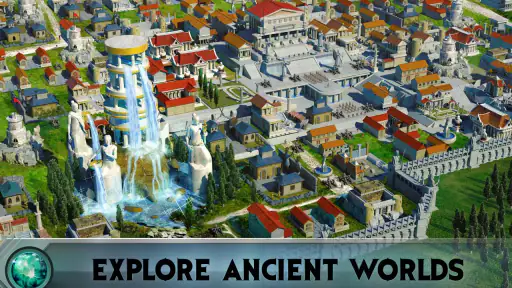
- Detailed fantasy visuals make the world and combat feel immersive.
Cons
- Progress can feel heavily dependent on spending or long waiting periods.
- The large number of menus and systems may overwhelm new players.
- Power gaps between veteran and newer players can be discouraging.
- Frequent notifications may become distracting during everyday use.
- Battles and upgrades require substantial time and device resources.

- Category
- Strategy
- Version
- 12.2.2.671