The White Door
- 757.00
- 4.8
- Installs
- 100.00K
- Price
- $3.49
Screenshots
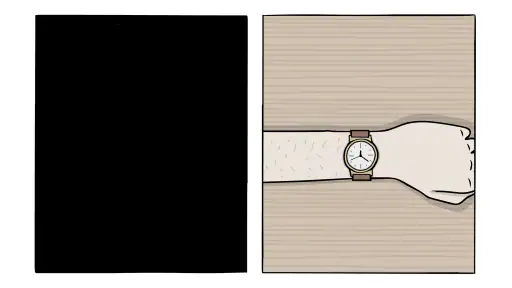
Analysis by Reviewed
I approached The White Door as a compact mystery adventure rather than as a conventional game built around speed, combat, or long stretches of exploration. That distinction matters immediately. Its appeal comes from atmosphere, observation, and the small satisfaction of understanding what an unusual situation is asking you to notice. If you enjoy games that make you pause over a strange detail, test an idea, and gradually assemble a story, this is an especially interesting choice.
The game comes from Second Maze, the developer associated with the Rusty Lake and Cube Escape style of surreal puzzle adventures. It is listed as an adventure game for Teen players, costs $3.49, and was released on January 8, 2020. It has reached over 100 thousand installs and holds a 4.8 average from around 10 thousand ratings, which gives a useful sense of how strongly it has connected with its audience without telling me whether it will match every player’s taste.
My recommendation depends less on whether you like “adventure games” in general and more on what you want from one. If you want a focused, unsettling experience that rewards careful attention, it deserves a serious look. If you want open exploration, fast action, character customization, or a large world to wander through, I would point you toward a different kind of game. The White Door is at its best when you accept its narrow, deliberate rhythm.
How to decide if its unusual mystery suits you
The first decision criterion is your tolerance for ambiguity. This is not the kind of adventure where every objective is presented in a bright, obvious checklist. I found that the game expects me to look at routines, surroundings, and repeated details with a little suspicion. A scene can appear ordinary at first, but the way it is arranged may suggest that I should interact with it differently. That makes progress feel earned, although it can also create moments when I am unsure whether I missed something or simply need to think differently.
The second criterion is mood. The White Door uses a restrained, uncomfortable atmosphere instead of relying on constant spectacle. Its world feels controlled and enclosed, and that sense of limitation becomes part of the mystery. I would not choose it as a cheerful distraction for a noisy commute if I wanted instant entertainment. I would choose it for a quiet evening, headphones nearby, when I could give the strange details enough attention to work properly.
The third criterion is how much you value a self-contained experience. Many mobile adventure games try to keep players returning through repeated challenges, collections, or ongoing progression. This game is more appealing if you want to sit with a particular narrative puzzle and follow its logic. I found the focused structure easier to appreciate when I stopped comparing it with large role-playing games and judged it on the quality of its atmosphere and clues instead.
A practical everyday example is a short evening session after work. I might have enough energy for a mystery but not for a competitive match or a complicated strategy campaign. The White Door fits that mood because I can investigate at my own pace and stop after reaching a natural pause. The important caveat is that its puzzles are more rewarding when I remember what I have seen. If I play while constantly switching between messages and other apps, I lose some of the connections that make the experience satisfying.
What the presentation asks from the player
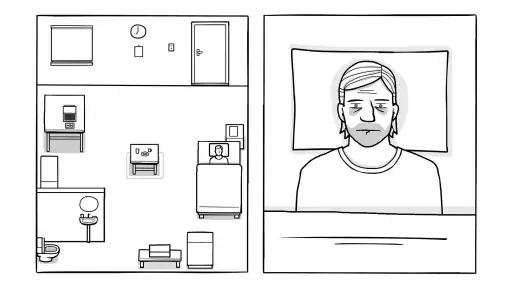
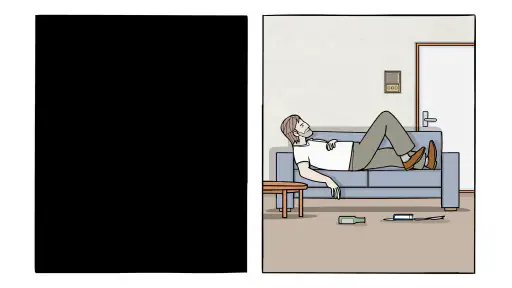
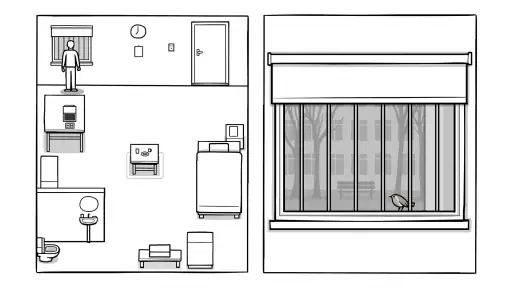
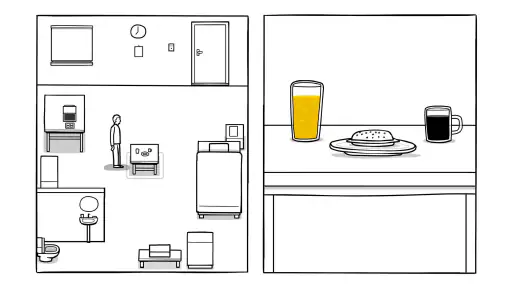
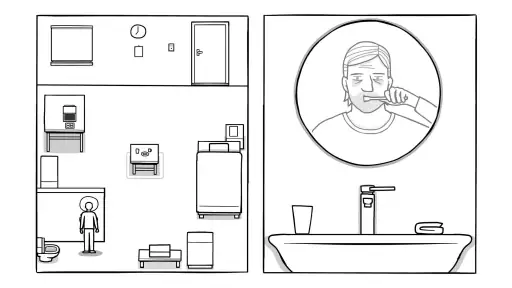
The game’s presentation is deliberately economical. It does not need to overwhelm me with visual noise to make a room feel suspicious. Instead, I pay attention to positioning, repetition, timing, and the contrast between ordinary actions and unsettling implications. That approach is one of its strongest qualities, because the game’s identity comes through in the way it makes familiar routines feel slightly wrong.
It also means that players who need explicit explanations may feel friction. I sometimes wanted a clearer indication that I was investigating the right object or following the intended line of thought. That uncertainty is part of the design, but it is not automatically enjoyable for everyone. If you prefer puzzles that clearly separate the important elements from decoration, the usual casual puzzle alternative may feel more comfortable.
Another useful consideration is the Teen content rating. I would not interpret that as a promise of extreme material, but it does signal that the tone is aimed at older players rather than very young children. The unsettling subject matter and psychological atmosphere are central to the experience, so I would be selective about handing it to a child simply because it is available on a mobile device.
Where The White Door wins over more familiar adventure games
The biggest advantage is its ability to turn routine into a source of tension. In many adventure games, the player moves from one dramatic location to another, collecting clues along the way. Here, the controlled setting gives small changes more weight. I became more attentive to what was repeated, what felt out of place, and what a seemingly simple interaction might imply. That is a more intimate form of mystery than the usual “travel, collect, unlock” formula.
I also appreciate how the game respects observation. It does not need a huge map to create uncertainty. A limited environment can be more effective when every object has the potential to matter. One of my practical tips is to examine a scene before acting immediately. I try to notice the full arrangement first, then interact. That habit reduces random tapping and makes the puzzle logic easier to follow.
A second non-obvious strength is the way the game encourages memory without turning the experience into a spreadsheet. I found it useful to remember sequences and recurring patterns rather than writing down every detail. If I do take notes, I keep them simple: unusual symbols, repeated actions, and changes between visits. This is more helpful than recording a long list of every object because the game’s clues often gain meaning through relationships.
The third strength is its sense of cohesion. The puzzles, setting, and story do not feel like separate layers placed beside one another. The uncomfortable environment influences how I interpret the interactions, while the interactions make the environment feel more significant. That connection is difficult to achieve in a mobile adventure, where puzzles can easily become unrelated mini-games. Here, the overall mood gives even a modest action more purpose.
I would also highlight the value of its price for the right audience. At $3.49, the decision is relatively simple for someone who already knows they enjoy atmospheric puzzle adventures. I do not see it as good value because it promises endless replay; I see it as good value when the goal is a distinctive, concentrated experience. That distinction should prevent disappointment. A player expecting a massive amount of content may judge the purchase differently from someone looking for a memorable mystery.
Small habits that make the investigation smoother
My first recommendation is to avoid rushing through repeated routines. When the game presents an action that seems mundane, I treat it as potentially meaningful rather than as filler. That does not mean tapping every visible item without thought. It means watching for what changes, what remains fixed, and whether the order of actions affects what I notice next.
My second recommendation is to use screenshots or brief notes only when a pattern genuinely resists memory. I would not document everything, because excessive note-taking can drain the atmosphere and turn the game into clerical work. A quick record of a sequence or visual arrangement can be useful, especially if I play across several days. The game benefits from concentration, but it does not require me to prove that I can remember every detail perfectly.
My third recommendation is to treat confusion as a signal to re-examine the scene, not immediately as evidence that the game is unfair. I found that stepping back and asking what the game has emphasized often works better than trying unrelated actions. At the same time, I would not spend an unlimited amount of time repeating the same attempts. If I have tested the obvious interpretations carefully, a hint from a guide may be preferable to turning the whole session into frustration.
That last point is important because the game’s mystery depends on discovery. Looking up a complete solution can remove the very satisfaction that makes the experience worthwhile. If I need help, I prefer a minimal hint that identifies the relevant area without revealing the sequence. This preserves the decision-making while preventing one stubborn obstacle from ending my interest.
When another type of game may fit better
The White Door is not the obvious choice for everyone who searches for an adventure title. If your ideal mobile game involves combat, collecting equipment, leveling a character, or choosing from a large branching map, this is probably too restrained. Those alternatives provide a stronger feeling of personal power and progression. The White Door instead asks me to be patient, observant, and willing to accept that the environment may not explain itself immediately.
It may also be a poor fit if you want a game that works equally well during very short interruptions. A quick session is possible, but the experience benefits from remembering context. If I stop in the middle of a puzzling sequence and return much later, I may need time to recover my train of thought. A match-based game or a simple arcade title is better for waiting rooms, brief transit stops, or moments when my attention is constantly divided.
Players who prefer bright, reassuring presentation should think carefully before buying. The game’s appeal is tied to unease, and that unease is not a decorative background that can be ignored. Even when I am solving a straightforward interaction, the surrounding tone colors the experience. Someone looking for relaxing scenery, humor, or a warm character-driven story may find the atmosphere oppressive rather than intriguing.
There is also a difference between this game and more traditional point-and-click adventures. Those games often provide a broad inventory, many locations, and conversations that explain the world. The White Door feels more concentrated and symbolic. That can make it more memorable, but it also leaves less room for players who enjoy collecting objects and experimenting with elaborate combinations. If the inventory itself is your favorite part of an adventure game, another option may offer more of what you want.
Compared with abstract puzzle games, this title offers more narrative atmosphere and emotional context. A pure logic game may give clearer rules and more repeatable challenges, while The White Door asks me to interpret the situation as well as solve it. That is its advantage when I want a story-shaped puzzle, but it is a disadvantage if I want measurable difficulty, perfect information, or a system I can master independently of narrative.
The trade-off behind choosing a focused experience
The central trade-off is clarity versus atmosphere. Clear instructions reduce wasted time, but they can also reduce the feeling of uncovering something hidden. The White Door leans toward atmosphere. I enjoyed that choice when I was prepared to observe and interpret, yet I can understand why a player might call the same design vague. Before purchasing, I would ask myself whether uncertainty sounds intriguing or irritating.
Another trade-off is replay value. A mystery built around discovery naturally changes after I understand its surprises. I may revisit it for the mood or to notice details I overlooked, but the first investigation carries the strongest impact. That makes it different from a procedural puzzle game that can generate a fresh challenge repeatedly. The price makes the focused format easier to accept, but expectations still matter.
The current version is 1.2.6, and the game supports devices running Android 6.0 or later. For a reader deciding whether an older phone or tablet is suitable, those are the practical compatibility points I would check before downloading. I would also make sure the device has enough uninterrupted battery and a comfortable screen, because small visual details are more useful when I can inspect them without rushing.
Another question people often have is whether the game is suitable for playing alone. In my view, yes, and its solitary quality is part of the design. I can imagine discussing theories with a friend, but the actual satisfaction comes from making the observation myself. It is a good choice for someone who enjoys quietly solving a mystery, less so for a group that wants immediate cooperative interaction.
It is also worth asking whether prior familiarity with the developer’s other work is necessary. I did not treat it as a requirement. Knowing the broader Rusty Lake and Cube Escape style may make the tone feel familiar, but a newcomer can approach this as its own adventure. I would only warn new players not to assume that “adventure” means a conventional travel story. The game has its own vocabulary of strange details and restrained storytelling.
My recommendation after weighing the switch
Switching from a familiar mobile adventure to The White Door makes sense when you want a more enclosed, atmospheric mystery and are willing to trade obvious direction for interpretation. The cost of switching is mainly a change in expectations. You need to slow down, accept that not every clue will announce its importance, and resist treating every puzzle as a random tapping exercise. Once I made that adjustment, the game’s unusual rhythm became one of its most appealing qualities.
I would recommend it to fans of surreal mysteries, compact puzzle adventures, and stories that trust the player to connect details. It is especially suitable for a quiet personal play session, when you can focus on a sequence and let the mood build. The strong average rating and broad install count suggest that many players have responded positively, but I would still use personal taste as the deciding factor rather than popularity alone.
I would skip it if you need constant action, a large explorable world, extensive character development, or puzzles with fully explicit instructions. I would also choose something else for a young child, for a group gaming session, or for a commute where attention comes in unpredictable fragments. Those are not defects in the game so much as signs that its deliberately narrow design serves a particular audience.
For me, the best reason to play is the way ordinary structure becomes suspicious. The game does not depend on a crowded feature list to hold my attention. It builds interest through controlled presentation, careful observation, and the gradual realization that small details deserve another look. That is a harder kind of mobile adventure to recommend broadly, but it is exactly why it stands apart from safer, more interchangeable alternatives.
My final advice is simple: buy it when you want a distinctive mystery, not when you want an all-purpose mobile game. At $3.49, it is a reasonable focused purchase for the right player, and the Teen rating accurately supports approaching it as a mature atmospheric experience. I came away feeling that the strongest moments arrive when I stop searching for a loud answer and start noticing the quiet pattern. If that sounds like the kind of discovery you enjoy, The White Door is an easy recommendation.
Pros
- Distinctive hand-drawn art style creates a memorable atmosphere.
- Simple controls make the game accessible on mobile devices.
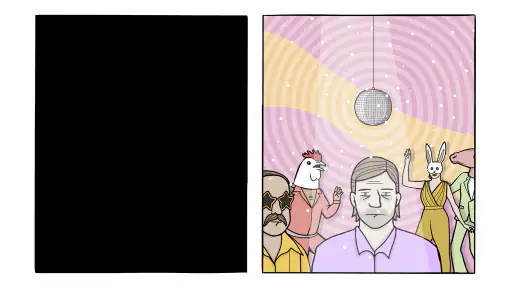
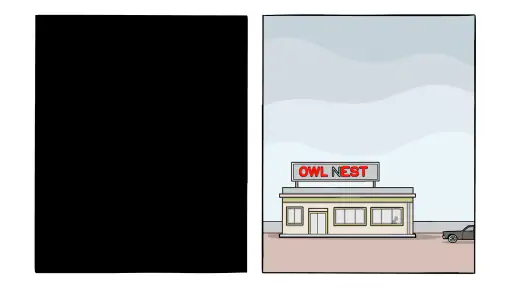
- Dreamlike scenes encourage curiosity and close observation.
- The story unfolds through varied daily routines and puzzles.
- Works well for players who enjoy short
- narrative-focused adventures.
Cons
- Some puzzles rely on trial and error rather than clear clues.
- The slow pace may not suit players seeking constant action.
- Certain scenes can feel repetitive during routine-based sections.
- The surreal narrative leaves several questions intentionally unanswered.
- Limited replay value once the story and puzzles are completed.
- Category
- Adventure
- Version
- 1.2.6