The Legend of Neverland
- 6.38K
- 4.4
- Installs
- 10.00M
- Price
- Free

Screenshots
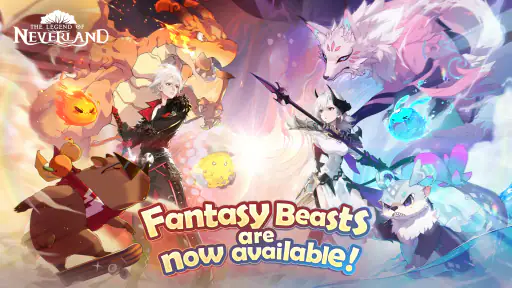
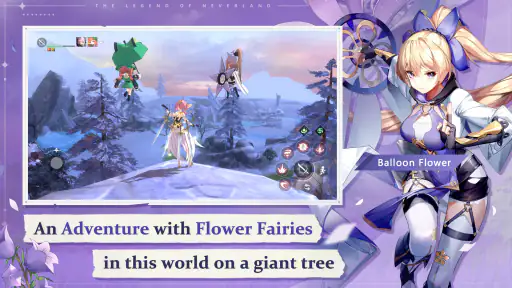
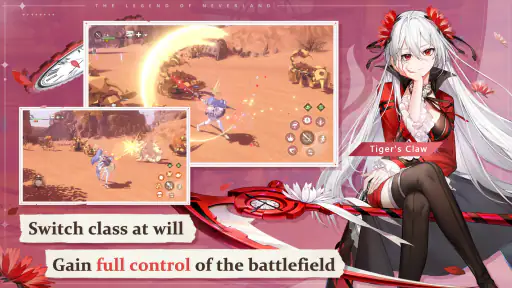
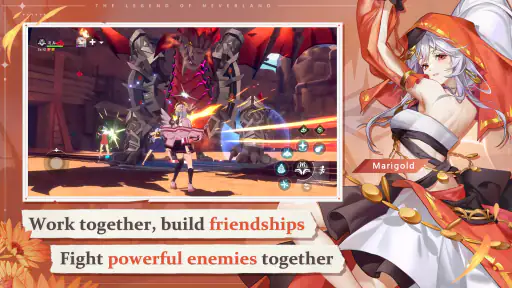
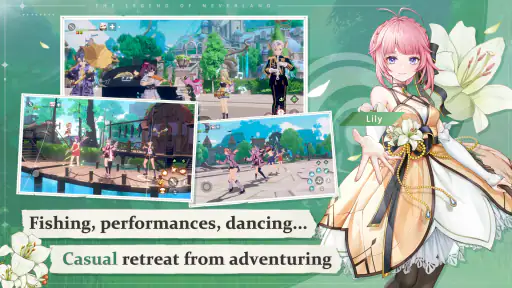
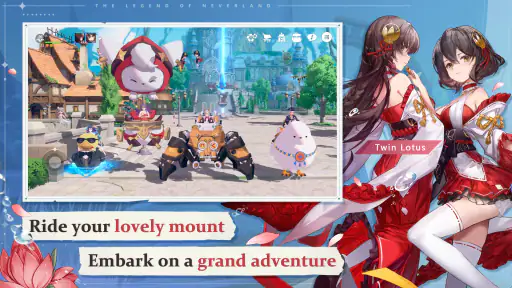
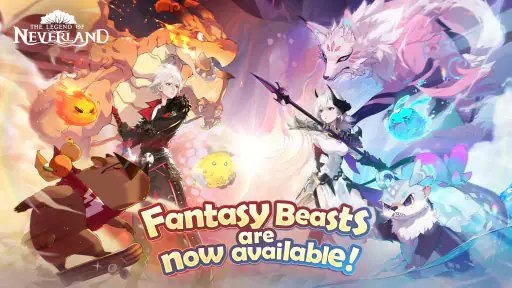
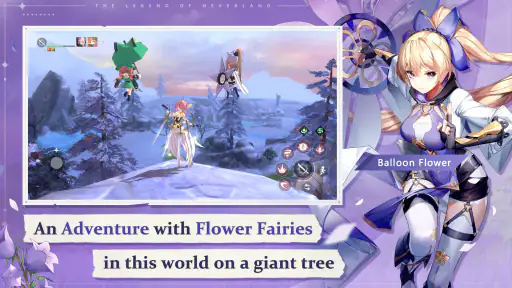
Analysis by Reviewed
I came to The Legend of Neverland looking for a fantasy world I could dip into between other things, and its anime-inspired presentation makes a clear first impression. It is a free role-playing game from Ark Games Global, built around a shared online world rather than a strictly solitary campaign. The appeal, for me, is the mix of wandering, character growth, and company: it feels most at home when I can take my time and let the setting set the pace.
How it fits into an ordinary day
The shared-world format changes what I expect from a quick mobile session. I would not open it assuming I can complete a neat, self-contained chapter in a few minutes; instead, I would choose a manageable intention, such as following a quest route or gathering along the way, and stop when that feels satisfying. That small decision helps keep a broad MMORPG from turning into an endless checklist.
A realistic routine might be logging in during a quiet evening, checking what I feel like doing, then spending the session on one activity rather than trying to advance every system at once. If a friend is online, the same window can become a chance to explore together. If not, the world still gives me reasons to move around, but I would avoid treating every available task as something I must finish before logging out.
Who will feel at home here
I see the strongest fit for players who enjoy anime fantasy, like having several ways to spend time in one game, and are comfortable with an online world that does not behave like a short, linear story. The combination of exploration, quests, gathering, crafting, and real-time battles gives different moods room to coexist. I can switch from a combat-focused session to a more relaxed route through the environment instead of expecting every visit to feel the same.
It is less convincing for someone who wants a private adventure with a firm ending, dislikes online social spaces, or prefers a game that can be played without attention to other players. It may also frustrate people who want every battle to be forgiving: the boss encounters described in the game’s rhythm ask for focus, so I would not choose them when I am likely to be interrupted. A more compact, story-led RPG is a better choice if a clear narrative arc matters more than an ongoing world.
Choosing a session instead of chasing everything
One useful way to manage the game’s range is to decide what kind of session I want before starting. For a low-pressure visit, I would explore and gather where it makes sense; for a more focused one, I would follow a quest or prepare for a difficult fight. This is not a claim that the game needs a strict schedule. It is simply a way to keep its many possible activities from competing for attention when I would rather enjoy the setting.
There is a trade-off here: variety can make the world feel generous, but it can also blur the difference between an activity I genuinely enjoy and one I am doing only because it is available. I would pay attention to that feeling. If a crafting detour makes an exploration route more satisfying, it is serving the adventure; if it makes the session feel like errands, I would return to quests or combat instead.
More From Our News Desk

Clash of Clans Is Won Between the Battles

Android Auto Makes the Case for Quieter Car Software

MobiOffice: Transforming Mobile Productivity with Seamless Integration

EA SPORTS FC™ Mobile Soccer: Redefining Mobile Sports Gaming

How Microsoft OneDrive Became a Mobile Productivity Giant

How Google Translate Breaks Language Barriers Effortlessly
Setting the Scene
From the moment you launch The Legend of Neverland, you're greeted with a beautifully crafted world that feels alive and bustling with magic. The graphics are surprisingly detailed for a mobile game, making every corner of the land worth exploring. It’s like stepping into a vivid dream where every tree and creature has a story to tell.
A world that invites detours
The bright, storybook look gives exploration a softer mood than the harsher, more dramatic fantasy style common in many role-playing games. I like that this makes wandering feel worthwhile even when I am not chasing a major fight. The visual language encourages me to pause, notice the scenery, and follow a side path instead of treating every area as a corridor between objectives.
That atmosphere will suit players who enjoy anime fantasy and a colorful setting more than grim stakes. If you prefer restrained visuals or a tightly authored single-player story, the busy online-world framing may be less appealing. I would approach it as a place to inhabit for a while, not as a focused narrative game that asks you to rush from one plot beat to the next.
Gameplay and Mechanics
What really caught my attention was the seamless gameplay. The controls are intuitive, which means you can jump right into the action without a steep learning curve. Whether you're battling mystical creatures or embarking on quests, everything flows naturally. The game also offers a variety of character customization options, allowing you to create a hero that truly feels like your own.
One of the standout features is the real-time combat system. It's engaging and keeps you on your toes. You’ll find yourself strategizing on the fly, especially during boss battles where a misstep could mean starting over. Trust me, it’s the kind of challenge that’s frustrating yet incredibly rewarding.
Sound, combat, and the daily rhythm
The moment-to-moment rhythm matters in a mobile MMORPG: movement and combat need to feel approachable before a player decides whether to stay for longer sessions. Here, the accessible controls help with that first step, while real-time encounters ask for more attention than simply tapping through a menu. I would save boss attempts for a moment when I can focus rather than squeeze them into a distracted minute; the punishment for a mistake makes those fights less suited to casual multitasking.
For an everyday routine, I can imagine opening the game after work, choosing a quest or a stretch of exploration, and stopping when I have had enough rather than treating every session as a commitment to clear everything. The useful trade-off is that a broad activity mix gives me different ways to spend a session, but it can also make the world feel like a list of things to keep up with. I would pick one goal before logging in—such as progressing a quest or collecting materials—so the variety stays enjoyable instead of becoming busywork.
What to expect from the online format
Compared with a typical single-player mobile RPG, the main difference is not simply that other players exist; it is that the world is designed to be shared, so I would judge it by whether that ongoing, social setting is appealing. Someone who likes seeing other people around and having the option to team up may value that openness. Someone who wants a carefully paced solo plot, uninterrupted by the broader online environment, may find a traditional campaign more comfortable.
I would also separate “playable alone” from “designed for a solitary experience.” The activities described here give me ways to explore and progress without making every moment depend on a group, but the social side is part of the game’s identity. If your enjoyment depends on being able to ignore other players entirely, try it with that expectation in mind rather than assuming it will feel like an offline adventure.
Exploration and Quests
The world of Neverland is vast, with plenty of quests to keep you busy. Each quest is uniquely designed, encouraging exploration and interaction with the environment. It’s not just about fighting; it’s about discovering the lore and becoming a part of the story. I found myself often sidetracked by intriguing side quests that offered unexpected rewards.
If you’re a fan of gathering and crafting, this game has plenty to offer. From gathering resources to crafting powerful items, there’s always something to do. It adds another layer of depth, making the game more than just a series of battles.
Making the most of a shared world
The combination of quests, gathering, and crafting gives me a practical way to vary play without needing to focus on combat every time. I would treat resource collection as a companion to exploration: gather when a route naturally takes me past useful materials, then use crafting as a reason to return to that loop. That approach makes these systems feel connected to the adventure rather than like chores added beside it.
Compared with a conventional single-player fantasy RPG, the shared-world design is the key distinction. It can make a session feel more social and open-ended, but a player who wants a self-contained plot with a clear finish may be happier with a solo role-playing game. On the other hand, someone who likes moving between quests, exploration, and character development without committing to one narrow activity may find this structure a better fit.
Community and Social Features
Another aspect worth mentioning is the community features. The game encourages you to team up with friends or other players. Whether you’re tackling a dungeon together or just hanging out in the game’s social hubs, it’s a great way to make new friends. Plus, the in-game chat system is robust, making communication a breeze.
Playing with friends can make the online format feel more purposeful, especially when you want company for a shared challenge. But social play is not a requirement for enjoying the basic appeal of exploring and questing; I would not recommend it solely to someone seeking a private, offline-style experience. The Teen age rating is worth keeping in mind when deciding whether it suits younger players, and the free entry makes trying it out less of a commitment than buying a full-price game.
Spending and device fit
The game has a 4.4 average from around 191,000 ratings, and it has passed 10 million installs. Those figures suggest a substantial audience, though popularity alone does not tell me whether its pace will suit you. It includes in-app purchases ranging from $0.99 to $99.99 per item, so I would decide in advance whether I am comfortable spending inside a free game. If you prefer a completely purchase-free experience, or dislike seeing optional spending in a game, that may be a reason to skip it.
The current version is 1.21.24110807 and it requires Android 7.0 or later. I would check that your device meets the requirement before planning to play, then give the game a session long enough to experience more than the opening impression. It is best suited to players who like anime-styled fantasy, shared-world exploration, and several connected activities; it is a weaker match for anyone who wants a short, linear adventure or a combat system with no room for occasional setbacks.
Keeping expectations grounded
A free download lowers the barrier to trying the world, but it does not mean every player will enjoy its ongoing structure. I would treat the first session as a test of mood and pacing: do I like spending time in the setting, and do the quests and fights make me want to continue? That is more useful than deciding from the opening visuals alone, because the longer-term appeal depends on whether the activity loop feels relaxing or demanding to me.
With purchases available at a wide range of prices, I would also make a personal boundary before playing rather than deciding in the middle of a tempting moment. The game can still be worth exploring for someone who intends to spend nothing, but players who want a strictly purchase-free environment may be happier elsewhere. The key question is whether the free experience itself feels worthwhile to you, not whether optional spending exists.
Community and Social Features
Another aspect worth mentioning is the community features. The game encourages you to team up with friends or other players. Whether you’re tackling a dungeon together or just hanging out in the game’s social hubs, it’s a great way to make new friends. Plus, the in-game chat system is robust, making communication a breeze.
The developers seem really committed to the game, regularly updating it with new content and features. It’s refreshing to see a mobile game that doesn’t just rest on its laurels but continuously offers new experiences for players.
My verdict on the atmosphere
In conclusion, The Legend of Neverland is more than just a game; it’s a portal to another world. Whether you’re a seasoned gamer or just looking for a new adventure to embark on, this game offers something for everyone. So, why not give it a try? You might just find yourself lost in its magical realms for hours on end.
The Legend of Neverland Frequently Asked Questions
Is The Legend of Neverland available on both Android and iOS?
The Legend of Neverland is available for Android and iOS, so players can choose the mobile platform that suits them. It is a role-playing game developed by Ark Games Global, and its anime-inspired fantasy setting is designed around exploring a large world with other players. Check the requirements for your device before downloading to make sure it can run the game.
What is The Legend of Neverland?
The Legend of Neverland is a fantasy MMORPG that immerses players into a vibrant world filled with adventure and mystery. It offers a rich storyline, engaging gameplay, and a vast open world to explore. Players can customize their characters, embark on quests, and interact with a global community. It's available on both Android and iOS platforms, making it accessible to a wide range of mobile users.
Is The Legend of Neverland free to play?
Yes, The Legend of Neverland is free to play. However, like many mobile games, it includes in-app purchases that allow players to buy cosmetic items, power-ups, and other enhancements. While these purchases can enhance the gaming experience, they are entirely optional, and players can enjoy the core game without spending any money. In-app purchases range from $0.99 to $99.99 per item, so it is worth reviewing purchase settings before playing.
What are the system requirements for The Legend of Neverland?
For Android, The Legend of Neverland requires Android 7.0 or later. Before downloading, make sure your device meets this minimum operating-system requirement and has enough available storage for the game and its updates. The game is a mobile MMORPG, so a compatible device helps you get started, while a reliable internet connection is important for playing online.
Does The Legend of Neverland require an internet connection to play?
Yes, The Legend of Neverland requires a stable internet connection to play. As an MMORPG, it involves real-time interaction with other players, online events, and constant content updates, all of which necessitate an active internet connection. Players should ensure they have a reliable Wi-Fi or mobile data connection to avoid interruptions.
Pros
- Stunning graphics and vibrant world.
- Engaging combat with diverse skills.
- Rich storyline with immersive quests.
- Regular updates and content additions.
- Supports multiplayer and guilds.
Cons
- Occasional in-game lag issues.
- Complex UI may confuse beginners.
- Microtransactions can be intrusive.
- Requires stable internet connection.
- Battery drain on long play sessions.

- Category
- Role Playing
- Version
- 1.21.24110807