Supremacy: World War 3
- 8.64K
- 4.4
- Installs
- 10.00M
- Price
- Free

Screenshots
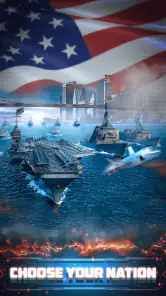
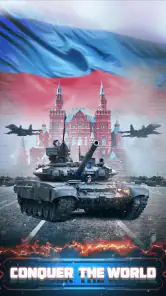
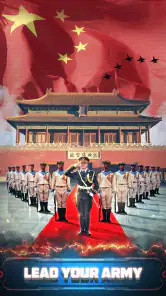
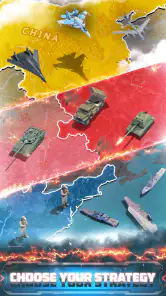

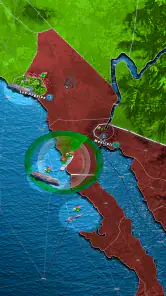
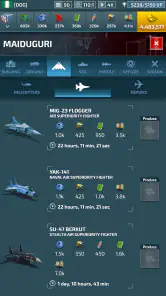
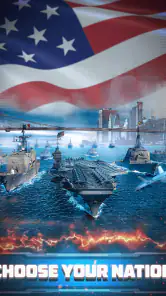
Analysis by Reviewed
I tend to enjoy strategy games most when the challenge comes from planning ahead, not simply tapping through a string of battles. Supremacy: World War 3 is built around that slower, broader kind of decision-making: you take charge of a nation and compete with other players in a modern conflict. It is a free strategy game from Dorado Games, also known as DOG Productions Ltd, and its appeal depends on whether you enjoy weighing choices over time rather than looking for a quick match.
What you get before spending
You can start playing without paying an upfront price, which makes it easy to see whether this style suits you. The game does include optional in-app purchases, priced from $1.99 to $199.99 per item. That range is worth noticing before you browse the shop: free access does not mean every purchase is small, and I would treat spending as optional rather than necessary until you understand what you personally want from the game.
The practical question is not just whether the game costs nothing to install, but whether its pace fits your routine. A real-time multiplayer strategy game can ask for attention across more than one sitting. If you want a self-contained session you can finish on a short break, this may be a less comfortable fit than a compact turn-based game. If you like returning to an unfolding contest and thinking through your next move, the free entry point gives you a low-risk way to try that rhythm.
How the strategy earns its time
I get the most from this kind of strategy when I treat each visit as a chance to make one sound decision, not as an obligation to oversee everything at once. That mindset helps me tell whether the ongoing contest is engaging or simply demanding more attention than I want to give. The next section looks at how that attention can translate into value, especially when starting free.
Getting Started: The World is Yours
Diving into the game, you'll find yourself in a world that feels both familiar and excitingly new. The interface of Supremacy: World War 3 is intuitive, allowing even newcomers to grasp the basics quickly. You're given control over a nation, and your mission is to lead it to glory. Whether you're forging alliances or declaring war, every decision counts.
Gameplay: Strategy at Its Finest
What really sets this game apart is its deep strategic gameplay. It's not just about having the biggest army; it's about making smart moves. You need to manage resources, maintain your economy, and keep your citizens happy. It's like a global chess match where every piece has its own personality and agenda.
The game offers a variety of units and technologies to research, making each playthrough unique. Whether you prefer ground warfare, air superiority, or naval dominance, there's a path for every type of strategist. And let me tell you, the feeling of seeing your plans come to fruition is immensely satisfying.
More From Our News Desk

Weather by Xiaomi Review: Clear at a Glance, Less Clear Up Close

X Under Pressure: Can It Recover When Posting Goes Wrong?

Clash of Clans Is Won Between the Battles

Android Auto Makes the Case for Quieter Car Software

MobiOffice: Transforming Mobile Productivity with Seamless Integration

EA SPORTS FC™ Mobile Soccer: Redefining Mobile Sports Gaming
Graphics and Sound: Immersive Experience
The graphics are impressive, with detailed maps and units that bring the world to life. It's easy to get lost in the game's visual appeal, and the sound effects add another layer of immersion. The soundtrack fits perfectly with the game's theme, keeping you engaged as you navigate through complex scenarios.
Make your attention count
My best practical advice is to set a small objective for each visit instead of trying to solve the whole map at once. I might check which part of my economy is under pressure, decide whether a military move is still worth its cost, and then leave with a clear next step. That makes a sprawling contest easier to manage and reduces the temptation to react impulsively to every change.
It also helps to think in terms of priorities rather than collecting objectives. If you are preparing an attack, consider what you will need to keep stable at home while attention is directed elsewhere. A move that looks attractive on the map can become a poor choice if it leaves your economy or other commitments unattended. The game’s strategic appeal comes partly from that tension: a strong plan is not just an exciting move, but one you can sustain.
Multiplayer decisions, not just map decisions
The real-time setting changes how I would fit this game into an ordinary day. For example, if I have a few minutes between tasks, I can check the situation, review priorities, and decide what deserves attention next; I would not assume that a quick glance is enough to manage every developing situation. It suits someone who enjoys returning to a continuing contest. If you dislike games that occupy attention over time, or you want every round to begin and end on your schedule, a shorter strategy title is likely a better match.
A realistic routine might be to make a considered plan when you have a longer stretch of free time, then use brief visits later to see whether circumstances have changed and whether that plan still makes sense. I would avoid opening the game whenever I have only a moment and expecting a satisfying, finished session. The appeal is in following consequences and adapting, not in treating each visit as a complete match.
Diplomacy deserves the same deliberate approach as military planning. I would not assume another player will follow an agreement simply because it would be convenient for my own strategy. Treat promises as useful signals, but keep a fallback plan in mind; if a relationship changes, you do not want your entire position to depend on one person continuing to cooperate. That caution is not a reason to avoid alliances. It is a reminder that multiplayer strategy is about reading people as well as the map.
Where it sits among strategy games
Compared with the usual strategy alternatives, the main distinction here is the combination of a modern world-conflict setting and competition against human opponents. A single-player campaign is often easier to pause and resume without negotiating with anyone else; a quick competitive strategy game tends to offer a more contained burst of play. This game trades that convenience for the uncertainty of opponents who can change plans, cooperate, or create pressure in ways a fixed scenario cannot. That unpredictability is its strongest reason to choose it, but also a reason not to choose it if you prefer tightly scripted progression.
That difference matters when choosing what kind of strategy experience you want. If your favorite part is mastering a fixed puzzle at your own speed, a campaign-focused game may be more satisfying. If you mainly want quick tactical rounds, a compact competitive title will get you to the action sooner. Here, the draw is a larger contest in which planning, timing, and interaction with other players shape the experience. I would choose it for that ongoing uncertainty, not as a substitute for every kind of strategy game.
Community and Multiplayer: Battle of Wits
One of the highlights of Supremacy: World War 3 is its vibrant community. Engaging with other players is not just an option; it's a necessity. Forming alliances and competing against others worldwide adds a social element that enriches the experience. The multiplayer aspect ensures that no two games are the same, as you're constantly adapting to the strategies of real people.
Players often share tips and strategies in forums, creating a sense of camaraderie despite the competitive nature of the game. It's a place where both seasoned veterans and newcomers can find common ground.
Learning without overspending
For a newcomer, I would make the first stretch of play about understanding what decisions feel rewarding, not about buying something to accelerate progress. Keep track of the choices that actually help you enjoy a match: perhaps it is planning an economy, negotiating, or trying a particular military approach. If a purchase seems tempting, pause and ask whether it solves a problem you have genuinely encountered or merely promises a shortcut before you understand the game.
That is especially useful because the purchase range runs from a modest item to a much larger one. A free start lets you judge the basic experience, but it does not tell you that every paid option is worthwhile for every player. I would set a personal spending limit before browsing and treat the largest listed purchase as a serious expense, not as a casual add-on. If the free experience already gives you the kind of strategic decisions you want, there may be no reason to pay at all.
Who is likely to get good value?
I would recommend it to players who enjoy studying a map, adjusting plans, and negotiating with opponents, especially if they want to sample a substantial strategy game without an upfront purchase. The game is rated Teen, so it is aimed at teenage and older players rather than young children. It has an average rating of 4.4 from around 160,000 ratings, with over 10 million installs; those figures suggest a broad audience, though they do not guarantee that its slower multiplayer rhythm will suit you.
It is a better fit for someone who can stay interested in a contest between visits, rather than someone who needs constant action to feel engaged. It may also suit players who like social uncertainty: an opponent’s decision can make a carefully prepared plan more interesting, but it can also make a session feel less controlled. If you would rather focus on solo experimentation without having to account for other people, I would choose a single-player strategy game instead.
The Teen rating is another useful point for deciding who should play. I would not treat a strategy label as a sign that the subject matter is aimed at very young children; the game is framed around modern conflict and is rated for teens. For an adult deciding whether to share it with a younger player, I would check the age guidance and consider whether that theme is appropriate for them, rather than judging only by the map-based format.
The current version is 0.210 and the minimum operating system is Android 7.1, details worth checking against your device before installing. If you are deciding whether to spend, I would first play for free and learn which parts you actually enjoy. The available purchase range is wide, so I would not assume any item is good value just because it is offered in the game.
Questions worth settling before you commit
Is this a good choice if I only play in short bursts? It can be, if you are comfortable making progress across several visits and do not expect each visit to resolve a match. A few minutes can be enough to check priorities, but the real reward comes from following an unfolding situation. If you want a game that reliably fits into one brief break, I would look elsewhere.
Do I need to spend money to enjoy it? You can begin without an upfront payment, so I would try the free experience first. Optional purchases are available, but the listed range alone is not a reason to buy; decide only after you know what you want from the game and what you are comfortable spending. If you do not enjoy the basic pace, paying is unlikely to fix that mismatch.
Will it suit someone new to strategy games? The interface is approachable, but the broader challenge still asks you to think about the consequences of choices, including economic priorities and relations with other players. I would approach it patiently, focus on one decision at a time, and resist measuring early success only by territorial ambition. A player who expects an uncomplicated action game may find that learning curve frustrating.
My verdict on its value
In conclusion, Supremacy: World War 3 is a game that offers depth, excitement, and a chance to test your strategic prowess. It's perfect for those who enjoy a well-thought-out game that challenges the mind. Whether you're a fan of strategy games or looking for something new to sink your teeth into, this game is worth a try. So, gear up and prepare for a journey of global domination!
My recommendation is more specific: try it if the idea of a continuing, human-driven strategy contest sounds appealing, and give yourself time to see whether its pace works with your day. Skip it if you want compact rounds, a fully predictable solo challenge, or a game that asks for no attention between sessions. Since you can start for free, the fairest test is to play before spending and judge the value by the decisions you actually enjoy making, not by the size of the map or the promise of a shortcut.
Supremacy: World War 3 Frequently Asked Questions
Is Supremacy: World War 3 suitable for someone new to strategy games?
Supremacy: World War 3 is a strategy game centered on modern conflict and multiplayer battles in real time. Newcomers can approach it by learning the commander role and making strategic choices as a match develops. Its ongoing, planning-focused format may take some adjustment if you are used to short levels, but it offers a clear setting for exploring military strategy.
What kind of decisions will I make during a match?
You take the role of a commander and make tactical decisions in a global conflict scenario. The game’s focus includes building an army, forming alliances, and choosing how to pursue your objectives. That combination of military planning and diplomacy means the experience is not only about battles; it also asks you to consider how your choices fit into the wider match.
Can I play Supremacy: World War 3 at my own pace?
Supremacy: World War 3 is a real-time multiplayer strategy game, so the pace is shaped by an ongoing conflict rather than a series of short, self-contained levels. You make decisions as a commander while the game world continues to develop. It is best suited to players who enjoy checking in on a strategy match and planning actions over time.
What is Supremacy: World War 3 about?
Supremacy: World War 3 is a strategic military simulation game that immerses players in a global conflict scenario. Players assume the role of a commander, tasked with building an army, forming alliances, and making tactical decisions to dominate the world. The game combines elements of strategy, diplomacy, and warfare, offering a comprehensive experience for fans of military simulations.
Is Supremacy: World War 3 free to play?
Yes, Supremacy: World War 3 is free to download and play. However, it includes in-app purchases, priced from $1.99 to $199.99 per item, that offer players the option to buy premium content, such as special units, boosts, and customization options. These purchases can enhance the gaming experience but are not necessary to enjoy the core gameplay.
Pros
- Engaging real-time strategy gameplay
- Diverse range of military units
- Immersive global conflict scenarios
- Regular updates with new features
- Active player community
Cons
- High learning curve for new players
- Requires stable internet connection
- In-app purchases can be costly
- Some features require long playtime
- Occasional server downtime
- Category
- Strategy
- Version
- 0.210