Supremacy 1914 - WW1 Strategy
- 5.22K
- 4.5
- Installs
- 10.00M
- Price
- Free

Screenshots
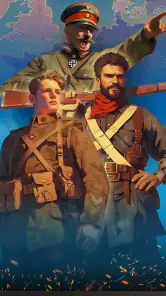
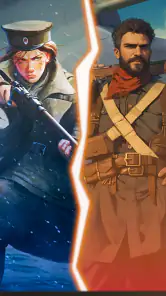
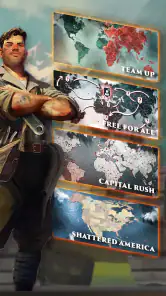
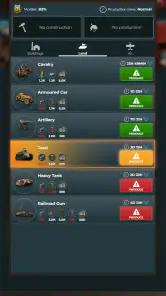
Analysis by Reviewed
I came to Supremacy 1914 - WW1 Strategy expecting a familiar map-and-army strategy game, but its strongest impression is the slower, more deliberate mood. Decisions feel less like a chain of quick battles and more like choices a leader has to live with while the wider conflict keeps moving. That makes it appealing when I want a game to think about between short visits, rather than something that demands constant action.
It is a free strategy game from Bytro Labs, set during the First World War and built around real-time multiplayer. Its 4.5 average from around 240,000 ratings and more than 10 million installs suggest that this measured style has found a large audience. The game is rated Everyone 10+, and the current version is 0.210. I would approach it as a long-running strategic commitment, not a quick match to finish in one sitting.
Gameplay and Features
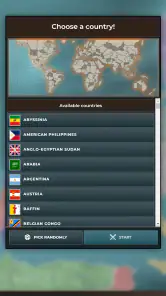
The first thing that struck me about Supremacy 1914 - WW1 Strategy is how incredibly detailed it is. You get to choose one of the many nations involved in WW1, and your mission is to lead your nation to victory. This isn't just about having the biggest army. Oh no, it's about managing resources, forming alliances, and outsmarting your opponents. The game offers a real-time multiplayer experience, meaning your opponents are just as cunning and unpredictable as you are.
One of the features I found particularly engaging is the ability to form coalitions. This adds a whole new level of strategy, as you have to decide who to trust and what alliances will benefit your nation the most. The game also boasts a vast map that lets you explore different terrains and territories, each with its own strategic value.
How the map shapes the mood
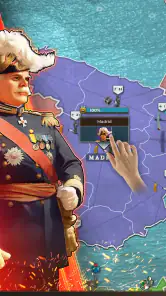
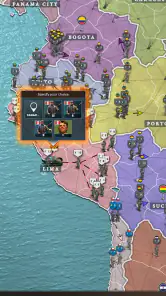
The map is more than a backdrop for moving units: it gives the conflict its sense of scale. Borders, distance, and the position of neighboring territories make expansion feel like a choice with consequences, not a simple score chase. I find that this setting suits the game’s World War I frame because it encourages attention to fronts and relationships between nations. The visual approach helps me read the situation, though players looking for cinematic action or close-up battlefield animation may find it restrained.
A useful habit is to look at the broader map before committing to a local move. A tempting advance can create a less comfortable border elsewhere, and an ally’s position may matter as much as the territory directly ahead. That is one of the game’s more interesting trade-offs: territory can bring opportunity, but it also asks you to think about what you will need to defend.
Graphics and Sound
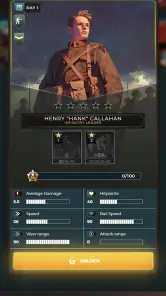
Now, let's talk about the graphics. The developers have done a stellar job in creating a visually appealing game. The map is detailed, and the units are well-designed, giving you a clear view of the battlefield. The sound effects and music add another layer of immersion, making the experience even more gripping. It's like being transported back in time, with the echoes of battle ringing in your ears.
More From Our News Desk

Weather by Xiaomi Review: Clear at a Glance, Less Clear Up Close

X Under Pressure: Can It Recover When Posting Goes Wrong?

Clash of Clans Is Won Between the Battles

Android Auto Makes the Case for Quieter Car Software

MobiOffice: Transforming Mobile Productivity with Seamless Integration

EA SPORTS FC™ Mobile Soccer: Redefining Mobile Sports Gaming
The atmosphere works best when I treat sound and visuals as support for planning rather than the main event. The restrained map-focused presentation keeps attention on the changing strategic picture, while the audio helps give those decisions weight. It is a coherent mood, but it does not turn every action into a dramatic spectacle. If you prefer a strategy game whose appeal comes from rapid tactical clashes and constant visual feedback, this one may feel quiet by comparison.
User Experience
As far as user experience goes, the game is fairly intuitive. There's a bit of a learning curve, especially if you're new to strategy games, but that's part of the fun, isn't it? The interface is user-friendly, and the tutorials are helpful in getting you started. I appreciated the community aspect of the game, where you can join forums and discussions with other players. It’s nice to know you’re not alone on the battlefield!
For a newcomer, I would focus on understanding the map and the basic decisions in front of you before trying to manage every possibility at once. The useful skill is not merely reacting quickly; it is checking how one choice affects your position and your diplomatic options. That makes the learning curve manageable for someone who enjoys planning, but it can frustrate anyone who expects the tutorial to make the deeper multiplayer decisions effortless.
Another aspect worth mentioning is the regular updates and events that keep the game fresh. The developers seem committed to improving the game continually, which is always a good sign.
A good fit for a spare moment, not a rushed session
A realistic way to fit this into a day is to check the map during a quiet break, review what has changed, and decide what needs attention before returning to work or other plans. That stop-and-think rhythm is a better match than opening it while looking for a few minutes of instant action. Since other players are part of the experience, I would also avoid making plans that depend on everyone behaving predictably; alliances involve judgment, not guarantees.
Compared with many strategy games built around short, self-contained battles, this has a more persistent, diplomatic feel. That is its appeal if I want the wider campaign and player relationships to matter. If I want a quick tactical puzzle with a clear end point, a turn-based skirmish or a compact single-player strategy game would suit me better. This is a meaningful distinction for deciding whether the real-time multiplayer format fits your routine.
Practical trade-offs before you commit
The game is free to download, with in-app purchases ranging from $0.99 to $399.99 per item. I would treat optional spending carefully and decide what I actually value before buying anything; the presence of purchases is worth knowing about, particularly if you are choosing a game for a younger player. The age rating is Everyone 10+, but the strategic and social sides still make it sensible for families to discuss spending and online interaction.
It is also not the right choice for someone who dislikes waiting for a larger multiplayer situation to develop, prefers purely solo play, or wants a historically framed game to function as a detailed history lesson. Its main draw is making strategic decisions within a WWI setting, not replacing a history book. The Android requirements list version 7.1 as the minimum operating system, so I would check device compatibility before installing it.
Making a campaign manageable
The game suits players who enjoy returning to a situation and reassessing it, rather than solving everything in one sitting. I find it useful to give each visit a purpose: check which borders have changed, look at nearby rivals and allies, then choose one or two priorities. That keeps the map from becoming a blur of possible moves. It also helps prevent a common beginner mistake: expanding simply because a neighboring territory looks available, without considering the new pressure that border creates.
Diplomacy is another reason to be deliberate. A coalition can make a difficult position feel more secure, but it also means taking another player’s plans into account. I would avoid treating an agreement as a substitute for checking the map or thinking through your own position. The practical benefit of cooperation is strongest when your goals and geography make sense together; otherwise, the social layer can add uncertainty instead of removing it.
That makes the game a better fit for someone who likes observing patterns and adapting than for someone who wants complete control over every outcome. You can plan carefully and still have to respond to another player’s choices. If that unpredictability is part of the fun for you, the multiplayer structure gives the campaign its character. If you find other people’s decisions more irritating than interesting, a solo strategy game will offer a calmer kind of challenge.
Who will enjoy its pace
I would recommend it most to strategy fans who like broad map decisions, negotiation, and a setting that gives each territorial move a sense of context. It can also work for a history enthusiast who wants a playable strategic frame for the era, as long as they are not expecting a guided lesson in historical events. The appeal lies in the choices you make as a player, not in presenting itself as a documentary.
On the other hand, I would steer away anyone looking for a quick, self-contained match, constant action, or a campaign that can be paused from the demands of multiplayer. The real-time format asks you to revisit a developing situation, and the other participants make outcomes less predictable. It is possible to enjoy short check-ins, but that is different from getting a complete, satisfying battle in a brief session.
For a practical everyday routine, I might open the game during a lunch break, scan the front that seems most vulnerable, and make a considered adjustment before closing it again. I would not start a session just before needing to leave if I expected an immediate conclusion. The game’s strength is that the strategic picture continues to matter beyond one burst of attention; its matching limitation is that it does not always provide the neat closure of a short mobile match.
Spending and expectations
Optional purchases deserve a little thought, particularly for families. The game is free to start, but its in-app purchase range runs from $0.99 to $399.99 per item. I would set a clear spending boundary before playing and make sure younger players understand that purchases are optional choices, not a requirement to understand the basic appeal of the game. The Everyone 10+ rating is useful context, but it does not replace a family conversation about online play and spending.
On Android, the minimum operating system is 7.1, so checking compatibility is a straightforward step before downloading. The current version is 0.210, and the game has an average rating of 4.5 from around 240,000 ratings, alongside about 5,200 written reviews. Those figures help explain its reach, but they cannot tell you whether its deliberate pace will fit your habits. I would judge that by whether you enjoy returning to an evolving map and making choices with consequences.
Final Thoughts
In conclusion, Supremacy 1914 - WW1 Strategy is a must-try for any strategy game enthusiast. It offers a deep and rewarding experience that will have you hooked for hours. Whether you're a history buff or just someone who loves a good challenge, this game has something for everyone. So, gear up, strategize, and lead your nation to victory!
Give it a try and see if you have what it takes to change the course of history. Who knows, you might just become the next great strategist of our time!
Supremacy 1914 - WW1 Strategy Frequently Asked Questions
Can I play Supremacy 1914 in short sessions, or does it need regular attention?
Supremacy 1914 is a real-time strategy game, so its decisions unfold over time rather than only during brief, isolated matches. You can check in to review your plans and make adjustments, but the experience is built around managing a nation as events develop. It is a better fit for players comfortable with an ongoing strategic pace than for those seeking quick rounds.
Does Supremacy 1914 have a single-player campaign?
The game is presented as a multiplayer strategy experience centered on World War I battles. Its appeal comes from making decisions as a nation leader while dealing with other players through conflict, diplomacy, and cooperation. If you are looking primarily for a story-driven solo campaign, this may not be the style you have in mind; the central experience is strategic competition with other players.
What kind of strategy experience does Supremacy 1914 offer?
Supremacy 1914 is a real-time strategy game built around World War I multiplayer battles. It suits players who enjoy planning over time rather than making only quick, isolated moves: you lead a nation and balance military choices, resources, diplomacy, and cooperation with other players. Its broad strategic focus makes it worth considering if you want a historical setting with both conflict and negotiation.
What is Supremacy 1914 - WW1 Strategy?
Supremacy 1914 - WW1 Strategy is a real-time strategy game set during World War I. Players take on the role of a nation leader, making strategic decisions to dominate Europe. The game features alliances, warfare, resource management, and diplomacy, offering a deep and historical experience for strategy enthusiasts.
Is Supremacy 1914 free to play?
Yes, Supremacy 1914 is free to play. While the game can be played without spending money, in-game purchases are available for players who want to enhance their experience. These purchases can include premium currency, special features, or cosmetic items to personalize gameplay, but they are entirely optional. Optional purchases range from $0.99 to $399.99 per item, so it is sensible to check the available offers before buying.
Pros
- Immersive historical gameplay
- Multiplayer mode enhances strategy
- Detailed world map
- Real-time strategy elements
- Regular updates and events
Cons
- Steep learning curve for beginners
- Requires constant internet connection
- Can be time-consuming
- In-app purchases can be expensive
- Occasional server lags
- Category
- Strategy
- Version
- 0.210