Supermarket Simulator Store
- 195.00
- 4.4
- Installs
- 1.00M
- Price
- Free

Screenshots
Analysis by Reviewed
My first impression of Supermarket Simulator Store is that it turns a familiar errand into a tidy little management routine. The appeal is immediate: you get to think about shelves, stock, prices and customers without having to do an actual grocery run. I’d recommend it to anyone curious about running a shop, though I’d approach it as a casual simulation rather than a deep business strategy game.
The first-week appeal
There’s a clear pleasure in starting with a small store and gradually making it feel more complete. Early decisions give you something concrete to focus on: what belongs on the shelves, how the shop is arranged and whether customers can find what they need. That makes the game easy to pick up in short sessions, especially if you like seeing a space become more organized through your choices.
A useful way to play is to treat each visit as a quick opening-and-closing routine. Before expanding or changing the layout, check what looks understocked and make one or two deliberate adjustments. That small habit keeps the management side from becoming a blur of tapping around, and it gives you a better sense of which choices actually improve your store.
Does it stay satisfying over time?
The longer-term draw is the steady sense of growth: adding products and departments, then shaping the store to suit your preferences. Customization gives that progress a personal feel, while the day-to-day attention to stock offers a repeatable task to return to. For players who enjoy incremental progress, that can be enough to make a brief session feel worthwhile even when there isn’t a dramatic new milestone.
Still, the loop depends on enjoying routine. If you want a simulation with complex supply chains, detailed financial planning or a story that keeps changing direction, this may feel simple. The appeal is less about mastering a realistic retail operation and more about keeping a small virtual shop running and watching it develop.
What takes effort, and what can wear thin
Running a shop means paying attention to several small jobs rather than focusing on one grand objective. Restocking, setting prices and handling customers can be satisfying when I’m in the mood for a calm checklist, but those same tasks may feel repetitive if I want faster action. It helps to set a small goal for each session—such as improving one area of the store—instead of trying to micromanage everything at once.
The game is free to download and is developed by iKame Games - Zego Studio. It has an average rating of 4.4 from around 16,000 ratings, with more than a million installs, and it is rated for Everyone. The current version is 1.3.2, it was released on September 1, 2024, and it includes optional in-app purchases ranging from $0.99 to $29.99 per item. I’d keep those purchases in mind if you prefer games with no paid extras, but the basic premise is accessible to try without an upfront price.
More From Our News Desk

Weather by Xiaomi Review: Clear at a Glance, Less Clear Up Close

X Under Pressure: Can It Recover When Posting Goes Wrong?

Clash of Clans Is Won Between the Battles

Android Auto Makes the Case for Quieter Car Software

MobiOffice: Transforming Mobile Productivity with Seamless Integration

EA SPORTS FC™ Mobile Soccer: Redefining Mobile Sports Gaming
Welcome to Your Very Own Supermarket!
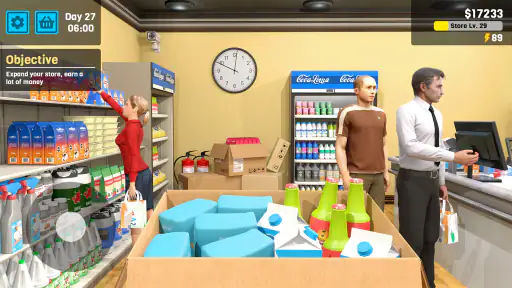
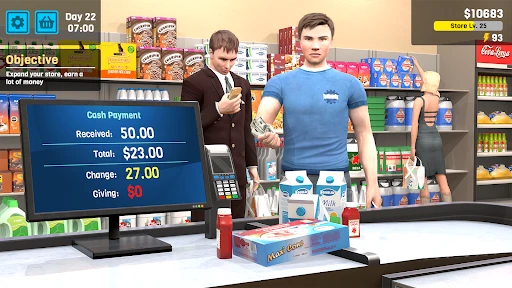
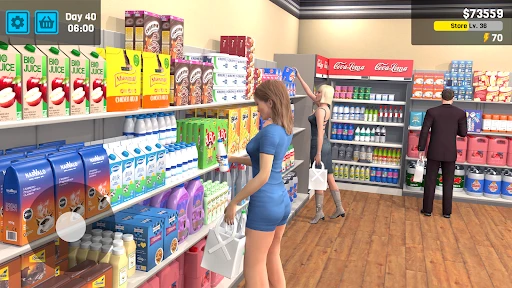
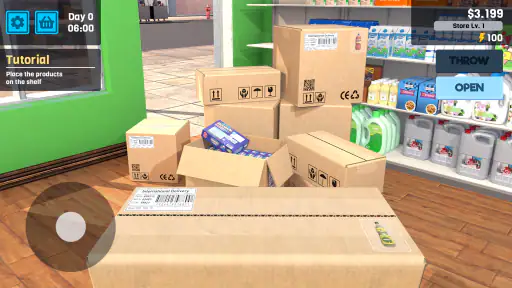
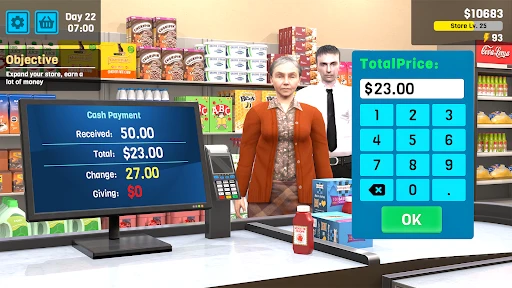
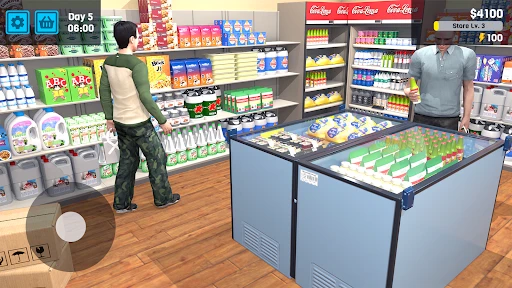
As soon as I launched the app, I was greeted with a vibrant and bustling scene. The graphics are quite charming, with colorful aisles and neatly arranged products that give a realistic supermarket vibe. The game starts by giving you a small store, and from there, you’re in charge of everything! It’s super engaging to see how every decision can affect your supermarket’s success.
Gameplay That Keeps You Hooked
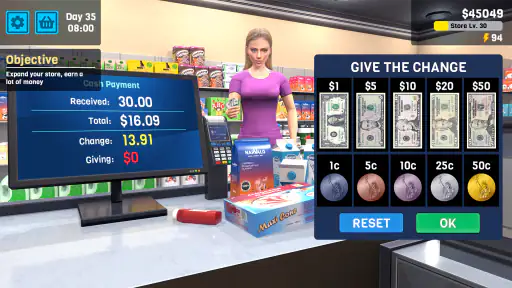
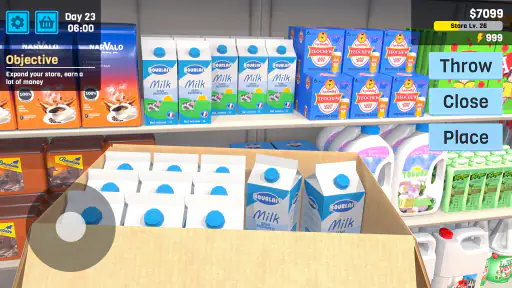
One of the first things I noticed was the intuitive controls. Navigating through the store, managing inventory, and even dealing with customer service is a breeze. The gameplay is straightforward yet incredibly addictive. You’ll find yourself constantly checking stock levels, ensuring shelves are filled, and customers are happy. There's something oddly satisfying about seeing your store grow and thrive.
What I absolutely love is the level of detail. From deciding which products to stock to setting prices, the game gives you a taste of real-world retail challenges. You even have to keep an eye on your competitors, which adds an exciting layer of strategy to the mix. It's not just about selling products; it’s about creating a shopping experience that keeps customers coming back.
Charming Features and Challenges
The app doesn’t just stop at managing a store. There are fun mini-games and challenges that pop up, keeping things fresh and exciting. Whether it’s a special sale day or a sudden influx of customers, you’ll need to stay on your toes to keep up with the demands.
Moreover, as you progress, you can unlock new departments and products, expanding your store and your business acumen. The sense of achievement as you watch your supermarket grow is immensely satisfying. Plus, the ability to customize your store’s layout and decor adds a personal touch that makes the game even more engaging.
Making the routine work for you
One small trade-off is that store growth can make the routine feel busier rather than automatically more interesting. I’d resist changing several things at once: adjust a product choice or layout, then watch how the shop feels before making another big change. That makes it easier to enjoy the planning instead of turning each session into a long list of corrections.
There is also a useful distinction between a quick check-in and a full reorganizing session. If I only have a few minutes, I’d focus on one visible need—an empty shelf or an awkward section—and leave broader changes for another visit. Keeping those two kinds of play separate makes it less tempting to start rearranging the whole store when I meant to play briefly. It also gives each choice a clearer purpose: a small repair for a short session, or a more considered layout decision when I have time to judge the result.
For an everyday example, this suits a short break when you want a low-pressure task with a visible result. I might check the shelves, tidy one section of the shop and stop there, rather than committing to a long session. If I’m looking for a more involved simulation, with more emphasis on layered systems and long-range planning, I’d choose another management game; this one is better for approachable retail routines and incremental progress.
How it compares with other simulation games
Compared with the usual farm or city-building alternative, this game keeps the focus much closer to one compact indoor business. That narrower scale is a strength when I want to make practical decisions about products, prices and store layout without also managing roads, crops or a sprawling map. It is not the best substitute for a strategy game built around interconnected systems, though. If the pleasure for you is optimizing a large network or solving increasingly complicated economic problems, a deeper tycoon simulation will likely hold your attention longer.
It also differs from a puzzle game, where each level usually asks for a distinct solution and then moves on. Here, the satisfying part is maintaining a place that remains yours, so returning to the same shop is central to the experience. That is a better fit for players who like gentle continuity than for anyone who wants a fresh objective every time they open a game. I’d think of it as a small routine to revisit, not a sequence of varied challenges that constantly reinvents itself.
Who will want to keep it installed?
The game is a good fit for players who enjoy organizing spaces, making small business decisions and seeing a shop take shape over time. It can also be a nice change from simulation games built around vehicles, farms or city layouts, because its focus stays close to the everyday details of a supermarket. On the other hand, anyone who dislikes repeated stocking and customer-facing tasks may lose interest once the novelty of opening the store wears off.
It is particularly easy to recommend to someone who wants a casual game that can be approached without a long learning curve or a big commitment to a complicated campaign. Younger players and families may also appreciate that it is rated Everyone, while adults who enjoy arranging spaces can find their own quiet satisfaction in making the store feel more orderly. But the age rating is not a promise that every player will find the routine entertaining: anyone who wants constant action, a strong narrative or realistic business depth should look elsewhere.
One practical question is whether it makes sense to spend money before knowing if the routine clicks. Since the game is free to try and has optional purchases priced from $0.99 to $29.99 per item, I’d start with the free experience and decide later whether any paid extra genuinely improves the way I play. Those purchases are worth remembering if you prefer to keep mobile gaming entirely free of optional spending; they do not change my basic recommendation to test the core loop first.
Keeping the habit from becoming a chore
To make the game last, I’d avoid treating every visit as a demand to expand. Growth is appealing, but a larger shop can mean more areas to pay attention to, and simply having more to manage does not guarantee more interesting decisions. A better personal rule is to keep one priority in mind—such as making a section easier to shop in—and stop once that goal is met. That turns progress into a choice rather than an endless checklist.
The same approach helps when a session feels less rewarding than expected. Instead of reacting by changing prices, products and layout all at once, I’d pick one adjustment and give it time to make the store feel different. This is a modest but useful way to judge whether a change is helping, and it prevents the management loop from becoming self-created busywork. The game’s routine is most enjoyable when I stay curious about a decision, not when I try to perfect every corner at once.
For a player deciding whether to keep it installed after the first burst of novelty, the key question is simple: do you enjoy returning to the same place and making small improvements? If yes, the supermarket offers a comfortable ongoing project. If you mainly want a game that surprises you with new mechanics or major twists, the familiar cycle may lose its pull. I would not judge its staying power by how quickly the shop expands; I’d judge it by whether maintaining the shop still feels pleasant once the early excitement settles.
Final Thoughts
In conclusion, Supermarket Simulator Store is a delightful and engaging way to experience the ins and outs of supermarket management. It’s perfect for those who love strategy games or anyone looking to try their hand at running a virtual retail empire. The game combines fun, strategy, and a touch of reality, making it a must-try for gamers of all ages.
So, if you’re ready to take on the challenge of managing your own supermarket, this game is definitely worth checking out. Who knew grocery shopping could be so entertaining?
For me, its lasting value comes from returning with a modest goal rather than expecting every visit to introduce something new. It is a free simulation from iKame Games - Zego Studio, and its Everyone rating makes it accessible to a broad audience. I’d try it if the idea of running a small shop sounds relaxing, while keeping the optional purchases in mind if avoiding in-app spending matters to you.
Supermarket Simulator Store Frequently Asked Questions
Who developed Supermarket Simulator Store?
Supermarket Simulator Store is a simulation game developed by iKame Games - Zego Studio. Its focus is running a virtual supermarket, so it may appeal to players who enjoy organizing a business and handling day-to-day store tasks. If you already know the developer from other games, checking the title and developer name before downloading can also help ensure you choose the game you intended.
What kind of gameplay does Supermarket Simulator Store offer?
The game centers on operating a supermarket as a business, with activities such as stocking shelves, serving customers, and managing resources. Rather than focusing on a single puzzle or a fast action challenge, it gives players a store-management theme to explore. This makes it a natural fit for anyone looking for a casual simulation experience built around keeping a shop running and working toward growth.
How much does Supermarket Simulator Store cost to download?
Supermarket Simulator Store is free to download, so you can try its supermarket-management gameplay without paying upfront. The game also offers optional in-app purchases, with items priced from $0.99 to $29.99. Those purchases are separate from the initial download, so consider your spending preferences before playing, especially if children use the device.
What is the main objective of Supermarket Simulator Store?
Supermarket Simulator Store is a captivating simulation game where players manage and operate their own virtual supermarket. The primary objective is to efficiently manage resources, stock shelves, serve customers, and grow your store into a successful business. Players must strategize to keep customers satisfied while balancing the financial aspects of the store.
Is Supermarket Simulator Store suitable for all ages?
Yes, Supermarket Simulator Store is designed to be family-friendly and suitable for players of all ages. The game features simple controls and educational elements about managing a business, making it an excellent choice for both children and adults interested in learning about supermarket operations in a fun, interactive way.
Pros
- Realistic shopping experience
- Wide variety of products
- Interactive gameplay
- Educational for kids
- User-friendly interface
Cons
- In-app purchases can be costly
- Requires constant internet connection
- Ads can be intrusive
- Limited customization options
- Some items hard to find
- Category
- Simulation
- Version
- 1.3.2








