Splashin
- 1.66K
- 4.7
- Installs
- 100.00K
- Price
- Free

Screenshots
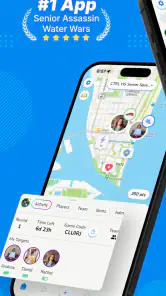
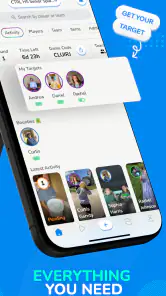
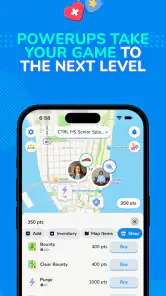
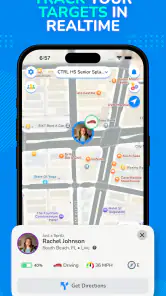
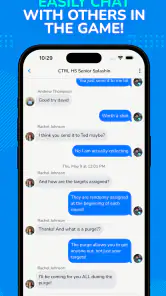
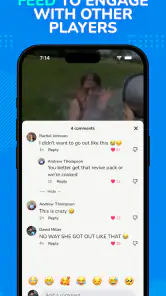


Analysis by Reviewed
I went into Splashin expecting a quick, colorful adventure game built around one simple idea: soak the competition. That first impression is accurate, but it does not explain the small decisions that determine whether the game feels immediately enjoyable or oddly frustrating. My experience was strongest when I treated it as a short-session game rather than something I needed to master in one sitting.
Published by PixelForge Studios LLC, this free game sits in the adventure category and is suitable for Everyone. It has reached over one hundred thousand installs, with an average rating of 4.7 from around twenty-five thousand ratings and roughly two thousand written reviews. Those figures suggest that the basic loop connects with a wide audience, although popularity alone does not remove the practical questions: how easy is it to start, what should you do when a session behaves strangely, and is it worth spending money inside a free game?
After spending time with it, my answer is fairly clear. Splashin is a good fit for players who want accessible competition, quick entertainment, and a light adventure atmosphere. It is less convincing for anyone looking for a deep story, a large strategic system, or a completely frictionless experience from the first tap. The game is at its best when you accept its compact design and use a few simple habits to avoid wasting time.
Getting past the first points of friction
The first place many players can get stuck is not the competition itself but the transition between opening the game and actually playing. A free mobile title has to prepare its interface, connect its current state, and present its opening choices without making the player feel lost. With Splashin, I found it useful to pause for a moment and read the available prompts instead of tapping through them automatically. That small habit matters because hurried taps can make a player miss the purpose of a button or enter a mode without understanding what it expects.
The store summary, “Soak the competition,” gives the game a playful direction, while the short description, “Splashin,” keeps the message deliberately brief. That means the game itself has to explain the details. New players should pay attention to the wording and visual cues around each screen, especially when moving between a match, a result screen, and any progression or purchase prompt. I would not describe this as complicated, but it rewards patience during the first few minutes.
Another source of friction is expectation. Splashin is an adventure game, yet its appeal is not the same as a traditional long-form adventure with extensive exploration, dialogue, or a carefully layered narrative. I approached it more like a playful competitive diversion. Once I stopped waiting for it to behave like a console adventure, the short sessions made more sense and the game felt more focused.
What I check before blaming the game
When a game refuses to load correctly, freezes during a transition, or seems to forget progress, I start with the ordinary checks. I close other demanding apps, confirm that the device has enough free storage, and restart the game rather than repeatedly tapping the same control. I also check whether the operating system is compatible. Splashin requires Android 7.0 or later, so an older Android device can create problems that no in-game setting will solve.
I recommend launching the game on a stable connection when first setting it up or when a screen appears to be waiting. Even when the actual play feels simple, mobile games can still need a reliable connection for parts of their setup or account state. If the game works normally after a restart but fails only on a weak connection, that points toward the network rather than the game itself.
Players should also keep the application current. The version I reviewed is 3.8.5, and updates can change how a game handles compatibility, loading, or device-specific bugs. I would avoid uninstalling immediately as a first response to a problem. Removal can put local progress at risk if that progress has not been synchronized, and it is a much more disruptive step than restarting the device or checking the connection.
Battery-saving modes are another easy detail to overlook. On some phones, aggressive background restrictions can interrupt an app while it is changing screens or returning from another application. I do not treat that as proof that Splashin is unstable. I first disable unusual power restrictions temporarily, reopen the game, and test the same action again. If the issue disappears, the phone’s resource management was probably part of the problem.
A smoother way to begin a session
My preferred routine is simple. I open the game with other heavy apps closed, wait for the opening screen to settle, and make sure I know whether I am entering a new round or returning to an existing state. I avoid switching rapidly between Splashin and messaging or video apps during a match. That is especially helpful on older or less powerful phones, where returning from another app can cause a reload or make the interface feel delayed.
I also recommend learning the rhythm of one complete session before thinking about purchases. Play through the available free experience, notice how quickly you use resources or reach a stopping point, and decide whether the basic loop remains enjoyable without extra spending. This is more useful than making an early purchase simply because a prompt appears at an exciting moment.
The game is free to download and play, but in-app purchases range from one dollar to forty-nine dollars and ninety-nine cents per item. That wide range makes restraint important. I would set a personal limit before playing, particularly on a shared family device. The Everyone age rating makes Splashin approachable for younger players, but an age-appropriate game can still include purchase decisions that need adult supervision.
Recovering a session when something goes wrong
When a round does not behave as expected, I use a gradual recovery process instead of immediately deleting the app. First, I wait briefly to see whether the screen is still processing. If nothing changes, I leave the game normally if possible, reopen it, and try the same action once. Repeating a tap many times can make it harder to tell whether the original command registered.
If the game closes unexpectedly, I restart the device and make sure other apps are not consuming most of its memory. I then test a short session before attempting anything more demanding. This creates a useful distinction: if a fresh session works, the problem may have been temporary device pressure; if the same screen fails repeatedly, the issue is more likely tied to that part of the game or to compatibility.
I am cautious with clearing app data. Clearing a cache can sometimes help with damaged temporary files, but clearing storage or reinstalling can remove locally held progress. I would only take that step after considering whether the game has a reliable way to restore a player’s state. If you cannot confidently identify how progress is preserved, restarting and updating are safer first moves.
A practical recovery tip is to note exactly what happened. “It froze” is less useful than “the game stopped responding after returning from another app during the result screen.” Details like the screen, the action immediately before the problem, and whether it happens every time can reveal whether the cause is repeatable. That information is also much more helpful if you need to contact PixelForge Studios LLC.
Separating game problems from phone problems
Sometimes Splashin is not the real cause. A phone with very little free storage, an outdated system component, a weak connection, or an overheated battery can make many games appear unreliable. I compare behavior across a few ordinary tasks. If other apps are also slow, the device needs attention before I judge this game. Closing background apps, allowing the phone to cool, and freeing storage can improve the situation without changing anything inside Splashin.
Screen responsiveness can also mislead you. If taps fail in other applications, the problem is probably the touchscreen or the operating system. If only one button in Splashin seems unresponsive, I try rotating nothing, changing no settings, and simply reopening the game to see whether the behavior repeats. This kind of comparison prevents unnecessary reinstallations.
Network troubleshooting should be equally methodical. I test the game in a location with a stronger signal, avoid switching networks in the middle of a session, and restart the connection if loading stalls. If the game works after that, I would not call the title defective. On the other hand, a repeatable failure on a stable connection and a supported device deserves to be treated as a genuine app issue.
There is also a human factor. Competitive games can feel unfair when I play while distracted, rush through instructions, or continue after I have become frustrated. Splashin’s light presentation makes it easy to underestimate the value of paying attention. I get better sessions when I use it during a short break, not while trying to do several other things at once.
How it fits beside other mobile adventures
Compared with a story-heavy adventure game, Splashin is easier to approach but offers less reason to settle in for a long narrative session. I would choose a conventional adventure title when I want exploration, character development, or a stronger sense of place. Splashin makes more sense when I want immediate competition and a playful theme without committing to a large campaign.
Compared with a pure puzzle game, it has a more active and competitive personality. A puzzle title is usually better for quiet, solitary concentration, while Splashin is the better choice when I want the energy of trying to outperform an opponent or improve across repeated attempts. The trade-off is that players who dislike competitive pressure may find the central appeal less satisfying than a calm puzzle loop.
It also differs from a large online game that demands long sessions and extensive learning. Splashin feels more approachable because its identity is compact, but that compactness can become a limitation for experienced players who want complex systems, broad customization, or a substantial endgame. I would not install it expecting a replacement for a major multiplayer adventure. I would install it as a lighter alternative that is easier to pick up between daily tasks.
A realistic everyday use case
For me, the most convincing scenario is a short wait: sitting before an appointment, taking a break between errands, or relaxing for a few minutes after work. I can open Splashin, play without preparing a long campaign, and stop when the break ends. The game’s free entry is useful here because I can test that routine without paying upfront.
That same strength becomes a weakness if you want a game that rewards uninterrupted evening play. A player looking for a deep, continuous adventure may feel that the experience is too focused on its central competitive idea. I would recommend it to a friend who enjoys quick rounds and colorful action, but I would point a narrative-focused friend toward a different adventure game.
My practical verdict after testing the routine
After working through setup, recovery, and everyday use, I see Splashin as a friendly, accessible adventure game with a clear purpose. Its strongest quality is how quickly it can become a small part of a daily break. The high user response, with a 4.7 average and more than one hundred thousand installs, matches my impression that the basic experience is easy to enjoy when expectations are realistic.
The limitations are just as important. The game is not the right choice for someone seeking a long story, extensive strategic depth, or a purchase-free environment. The presence of optional items priced from one dollar to forty-nine dollars and ninety-nine cents means I would approach spending carefully, especially when the game is being used by a child. I also would not ignore ordinary device checks when troubleshooting, because connection quality, storage, memory, and system compatibility can all affect the experience.
My recommendation is to try Splashin if you want a free, approachable competition game that fits into short sessions. Start on a supported Android device, keep the first session focused on learning the flow, and postpone purchases until you know the free experience suits you. If a problem appears, restart, check the connection and device, and protect local progress before considering a reinstall.
My bottom line: Splashin is worth trying for casual adventure players who enjoy playful competition and quick breaks. I would skip it if your priority is a substantial narrative or a highly complex progression system. For the right player, its simplicity is the attraction; for the wrong player, that same simplicity will be the reason it feels limited.
Pros
- Simple controls make it easy for new players to start quickly.
- Bright visuals and playful effects create an appealing casual experience.
- Short play sessions fit well into quick breaks or commutes.
- The game offers an entertaining challenge without requiring complex strategy.
- Its lightweight format should suit users looking for a straightforward mobile game.
Cons
- Gameplay may feel repetitive after extended sessions.
- Progression can seem limited for players seeking deeper features.
- Some challenges may become frustrating without clear feedback.
- The casual design may not appeal to users wanting advanced gameplay.
- Performance and loading times can vary across older devices.

- Category
- Adventure
- Version
- 3.8.5