Soda Dungeon 2
- 2.03K
- 4.6
- Installs
- 1.00M
- Price
- Free

Screenshots
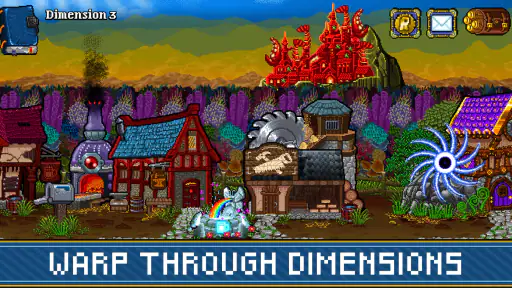
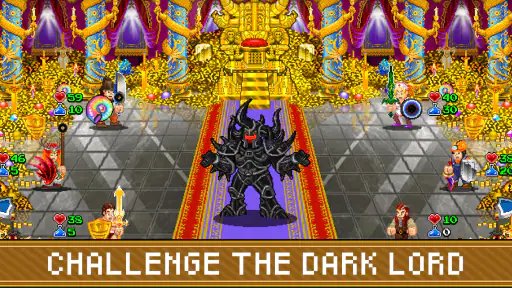
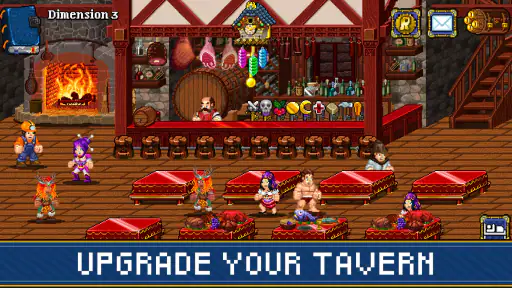
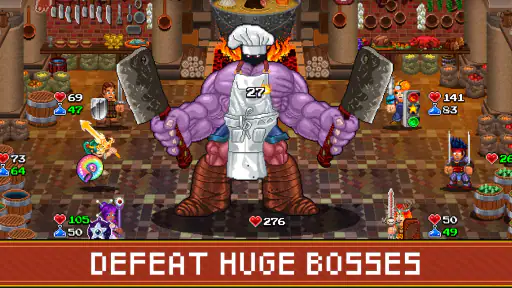

Analysis by Reviewed
What kept me playing Soda Dungeon 2 was not a single dramatic battle, but the way it turns repeated dungeon runs into a relaxed routine. I can prepare a party, send it into danger, watch the results, adjust a few choices, and try again without needing the constant attention demanded by many adventure games. That rhythm is the real appeal here: it makes progress feel possible during short breaks while still giving me enough decisions to keep an evening session interesting.
This is a free adventure game from Armor Games Studios Inc, aimed at Teen players. It has built a strong audience, with a 4.6 average from around 34 thousand ratings and more than a million installs. Those figures make sense after spending time with it. The game is easy to understand at first glance, yet its value comes from how much better the dungeon routine becomes once I stop treating each run as a simple battle sequence and start treating it as a preparation problem.
Why the repeatable dungeon routine works
The central capability is its laid-back dungeon-crawling loop. I am not expected to manually control every movement or react to every second of combat. Instead, I make decisions before and around the run: who should go in, what they should carry, how much risk is sensible, and when a stronger setup is worth pursuing. The result is an adventure game that feels closer to managing a small expedition than directly steering a traditional action hero.
That distinction matters when comparing it with the usual alternatives. A real-time action game rewards reflexes and uninterrupted concentration. A conventional turn-based role-playing game may ask me to choose every attack, defense, and spell. Soda Dungeon 2 sits between those approaches. It still gives me the satisfaction of building a capable party, but it does not require me to supervise every moment. I can enjoy the planning without turning the game into a second job.
I found the best way to approach it was to view each run as information. A successful trip tells me that my current preparation is working. A failed or disappointing trip points toward a weakness: perhaps the party is too fragile, perhaps the equipment is not keeping pace, or perhaps I am pushing farther than the current setup can comfortably handle. This makes repetition useful rather than empty, provided I pay attention to what changed.
The smartest part of the loop is that preparation matters more than frantic input. That makes the game particularly comfortable on a phone. I can begin a run when I have a few minutes, put the device down, and return when I am ready to inspect the outcome. It is also a good fit for players who like the idea of dungeon progression but dislike games that punish them for missing a brief reaction window.
What I actually do during a session
My sessions usually begin with a quick check of the party rather than an immediate plunge into the dungeon. I look at whether the group is ready for another attempt, decide if the current equipment still makes sense, and consider whether I am trying to advance or simply gather resources. That small distinction improves the experience. When I am farming progress, I can accept a safer, more predictable run. When I am testing a new setup, I expect a little more uncertainty.
Once the expedition starts, the game’s relaxed structure lets me observe instead of constantly intervene. This is where the design can feel surprisingly efficient. I am still making meaningful choices, but the game does not confuse activity with depth. A screen full of taps would not necessarily make the dungeon more interesting; here, the important question is whether my decisions before the run were sound.
I also learned not to judge a party only by how quickly it clears easy encounters. A setup that looks impressive early on may become unreliable later, while a slower group can be more valuable if it survives consistently. In practical terms, a steady run often saves more time than repeatedly sending an overambitious party into trouble. That is one of the less obvious lessons of the game, and it is useful for anyone tempted to chase the highest possible progress every time.
The game’s free entry point helps with experimentation. I can install it without committing money, try the loop, and decide whether the repetition suits me. Optional purchases range from $0.99 to $49.99 per item, so I would still recommend approaching the shop deliberately rather than treating every convenience as necessary. My advice is simple: first learn whether you enjoy the dungeon cycle without spending, then decide whether an optional purchase genuinely improves your personal routine.
A practical approach to building better runs
One useful habit is to change only one important part of the setup at a time. If I replace several choices together and the next run improves, I do not know which change helped. If the result gets worse, I have even less information. Making smaller adjustments turns each expedition into a controlled test and reduces the feeling that progress depends on luck.
Another tip is to keep a reliable “default” party in mind. I do not mean refusing to experiment; I mean having a setup I can return to when a risky idea fails. That fallback makes experimentation less frustrating because one unsuccessful run does not leave me directionless. It also helps separate a genuinely weak strategy from a temporary bad result.
I would also avoid spending every resource as soon as it becomes available. Holding something back gives me room to respond when a new obstacle exposes a weakness. This is especially helpful for players who tend to upgrade impulsively. The game feels more manageable when I think in terms of a reserve for the next meaningful improvement, rather than treating every reward as an invitation to spend immediately.
Finally, I recommend playing in short observation cycles. Start a run, inspect what happened, make one or two adjustments, and then try again. That approach is more informative than leaving the game running for a long time without checking the results. The relaxed design supports background play, but it rewards attention at the moments when a decision can improve the next expedition.
The everyday situation where it fits best
For me, the strongest use case is a fragmented day. Imagine waiting for a train, taking a lunch break, or sitting down after work when I want a game but not a demanding one. I can open the app, review the party, begin a dungeon attempt, and return later without feeling that I have missed a crucial action. If I have more time, I can stay and refine the setup. If I do not, the session still feels complete.
It also works well as a companion game. I can play it while listening to a podcast or taking a break from a larger console or mobile title. The low-pressure pace means it does not compete for every bit of attention. That said, I would not choose it when I want a cinematic adventure, precise combat, or a story that constantly pushes me forward. Its charm comes from routine and gradual improvement, not from delivering a nonstop stream of spectacle.
Players who enjoy optimizing systems may find more depth here than the casual presentation suggests. The simple surface makes it approachable, but the real question is how to balance safety, speed, resources, and experimentation. I liked that I could begin casually and become more thoughtful over time without needing to master complicated controls.
Where the relaxed design can become a limitation
The same automation that makes the game comfortable can also make it feel passive. There are moments when I wanted to take direct control and rescue a run through a clever decision, but the game’s structure does not always offer that kind of dramatic intervention. If your favorite part of dungeon games is reacting to enemies in real time, this may feel too hands-off.
Repetition is another genuine trade-off. The loop is satisfying when I am working toward a clear improvement, but it can lose energy when several runs feel similar. The game asks me to find interest in small changes rather than constant novelty. I think that is fair for its design, but it means players who need frequent new environments, story scenes, or major surprises may run out of patience sooner.
The presentation also sets expectations. This is not trying to imitate a large-scale role-playing production with elaborate cinematic storytelling. Its appeal is compact, playful, and system-focused. I would choose it over a more traditional adventure game when I want something easy to pick up, but I would choose that traditional game when atmosphere, character drama, or manual combat is my priority.
The presence of in-app purchases is worth keeping in mind even though the game is free to start. I did not see a reason to assume that spending should be part of the basic test. New players should first establish whether they enjoy the core routine. If the repeated preparation and dungeon cycling already feel rewarding, optional spending can remain a personal convenience rather than a requirement. If the loop feels tedious from the beginning, purchases are unlikely to change that underlying reaction.
Who should install it, and who should skip it
I would recommend it to players who like incremental progression, party preparation, and games that respect short sessions. It is especially suitable for someone who enjoys watching a plan become more effective over time. The Teen content rating also gives a useful indication of its intended audience, though parents should still consider whether the game’s optional purchases fit their household rules.
It is a good choice for a player who wants an adventure game that can sit beside a busy schedule. The low-pressure structure means I do not need to reserve a full hour to get value from it. I can make one thoughtful adjustment and feel that I have moved the expedition forward. That sense of progress is the game’s strongest everyday benefit.
I would skip it if you want every battle to demand manual skill, or if repeated dungeon runs sound like work rather than comfort. I would also look elsewhere if your priority is a tightly directed narrative. Soda Dungeon 2 is at its best when I am enjoying the process of tuning a routine, not when I am waiting for the game to become a different kind of adventure.
The current version is 1.2.21 and it runs on Android starting with version 6.0, which makes it accessible to many older devices. Even so, compatibility alone is not the deciding factor for me. The more important question is whether its semi-automated rhythm matches the way I want to play. A newer phone will not make a passive loop feel active, and a modest phone will not reduce the value of good preparation.
My final take after settling into the loop
Soda Dungeon 2 succeeds because it understands the pleasure of a well-prepared repeatable task. I enjoy making a small adjustment, sending the party out, and seeing whether the next attempt confirms my idea. That is a quieter kind of adventure than many games offer, but it is also why the experience fits so naturally into spare moments.
Armor Games Studios Inc has made a free game that is easy to sample and more thoughtful than its relaxed tone first suggests. Its large install base and strong average rating are understandable, but I would not recommend it simply because other people enjoy it. I recommend it when the player in front of me likes gradual progress, light management, and the satisfaction of improving a routine.
My honest verdict is that this is best treated as a companion adventure rather than a full replacement for a hands-on role-playing game. Give it time if you like testing setups and accepting that progress may come through several similar runs. Walk away if you need constant action or a story-led journey. For the right player, its greatest strength is turning repetition into a comfortable strategy habit, and that is enough to keep me returning.
Pros
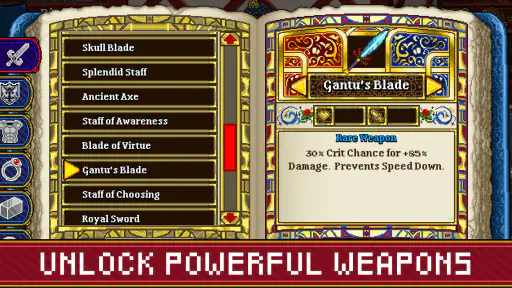
- Deep crafting and equipment systems reward long-term play.
- Offline progression lets your team keep working while you are away.
- Multiple dungeons and realms provide plenty of content to explore.
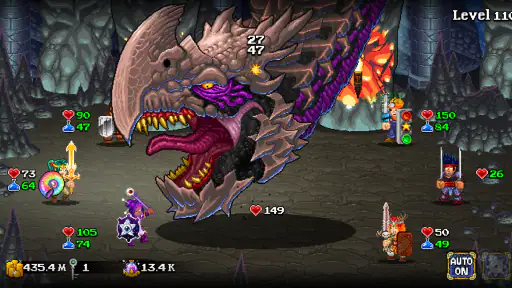
- Auto-battle makes repeated dungeon runs convenient and accessible.
- Humorous writing and quirky characters give the adventure personality.
Cons
- Progress can feel repetitive during extended dungeon farming sessions.
- Later upgrades often require substantial grinding for resources.
- Combat offers limited control once automated battles are underway.
- Some features and boosts may feel designed around optional purchases.
- The interface can appear crowded as more systems unlock.

- Category
- Adventure
- Version
- 1.2.21