Sky: Children of the Light
- 32.36K
- 4.5
- Installs
- 10.00M
- Price
- Free

Screenshots
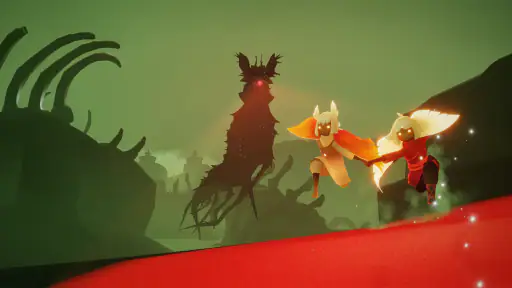
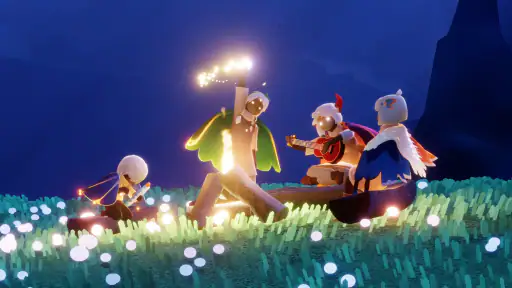

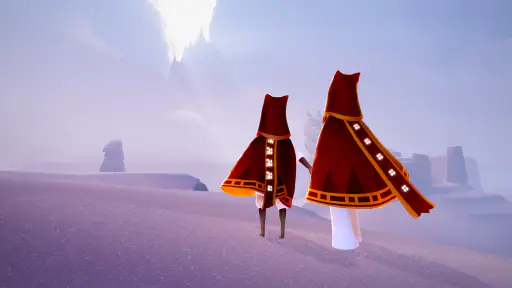
Analysis by Reviewed
I approached Sky: Children of the Light as a game to wander through rather than one to rush, and that distinction matters. Its role-playing label may lead you to expect a tightly directed quest or a combat-heavy routine; what I found instead is a gentle, shared journey built around movement, discovery, and brief encounters with other people. If you want a calm place to explore at your own pace, it can be a lovely fit. If you need constant action or a clear checklist of goals, its quiet rhythm may feel too loose.
Choose it for the kind of play you want
The key question is whether you enjoy making your own small goals. I might open it to revisit a landscape, follow a distant player, or see what I notice on a familiar route, rather than to push through a demanding mission. That makes the experience easy to dip into when I have a little free time, but it also means progress can feel less direct than in role-playing games organized around combat, gear, and a steady chain of quests.
A practical way to test the fit is to play with curiosity instead of trying to optimize every moment. Follow what catches your eye, and let other players’ presence add an unexpected turn. The game works best for me when I treat an outing as a short, atmospheric visit; it is less satisfying if I expect every session to deliver a major plot development or a measurable achievement.
Decide what a good session looks like
I would not judge this game by how many objectives I clear in one sitting. A better test is whether I enjoy the movement, scenery, and occasional shared moment enough to return. That distinction helps set expectations for newcomers: it is possible to have a satisfying visit without turning the game into a daily obligation, but people who rely on a visible checklist may find the open-ended pace hard to read.
For a realistic routine, imagine opening it while winding down after work or school. I might explore until I reach a natural stopping point, then close the game without feeling that I have failed to finish a mission. That flexibility is useful when my attention is limited, although a short session may not deliver the same sense of completion as a compact puzzle or a level-based action game.
The Magic Begins
From the moment you enter the game, Sky: Children of the Light greets you with an ethereal world filled with vast, open landscapes and hauntingly beautiful music. The game, developed by thatgamecompany inc, is all about exploration and discovery, and it does an amazing job of making you feel like a tiny part of a much larger universe. It is free to start, rated Everyone 10+, and its current version is 0.29.1 (321453); optional in-app purchases range from $0.99 to $49.99 per item, so I would decide whether the experience itself suits you before spending anything.
Gameplay and Mechanics
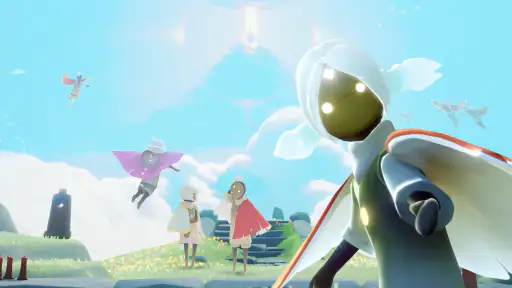
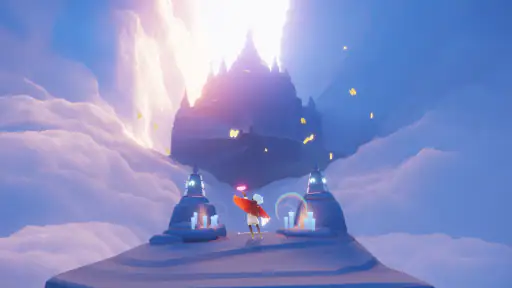
In Sky, you'll find yourself flying through seven dreamlike realms, each with its own unique theme and challenges. The gameplay is refreshingly simple yet deeply engaging. You glide through the skies, uncovering mysteries, solving puzzles, and collecting light to bring it back to the constellations. The controls are intuitive, making it easy to maneuver your character through the whimsical settings.
More From Our News Desk

Weather by Xiaomi Review: Clear at a Glance, Less Clear Up Close

X Under Pressure: Can It Recover When Posting Goes Wrong?

Clash of Clans Is Won Between the Battles

Android Auto Makes the Case for Quieter Car Software

MobiOffice: Transforming Mobile Productivity with Seamless Integration

EA SPORTS FC™ Mobile Soccer: Redefining Mobile Sports Gaming
One useful habit is to pause and look around before leaving an area. The appeal is in noticing details and following your own curiosity, so hurrying from one apparent objective to another can make a realm feel like a route to clear instead of a place to experience. I also find it helpful to leave room for an unplanned detour: a player nearby or an overlooked path can make a short session feel fresh without needing to turn it into a long commitment.
Small habits that make exploration easier
When I enter a new area, I try not to treat the first visible route as the only route worth taking. Slowing down to scan the surroundings gives exploration more purpose, and it can prevent the feeling that I am simply following someone else without knowing why. If I am playing with a friend, agreeing on a loose destination before setting off can help us stay together while still leaving space to wander.
Another useful approach is to separate a scenic visit from a goal-focused one. If I want to relax, I can move at an unhurried pace and let the environment lead. If I have a particular task in mind, I can keep that visit focused rather than expecting every detour to be equally rewarding. This small change in expectations makes the game easier to fit around everyday life, especially when I do not have time for a long session.
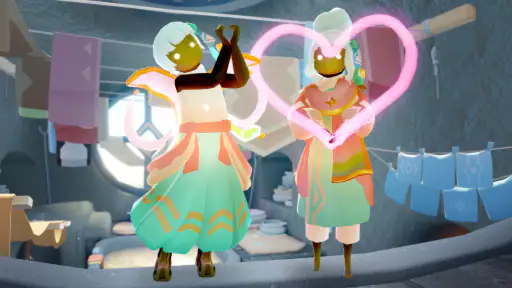
What's really special about Sky is its strong emphasis on social interaction. This isn't just a game where you play alone; it's designed to be a shared experience. You can team up with other players from around the world to complete tasks and explore the realms together. The game encourages you to make connections, and the sense of community is palpable.
Playing together, or keeping your own pace
Social play is a strength, but it does not mean every session needs to become a conversation or a planned group outing. I can enjoy the atmosphere while exploring on my own, then welcome a shared moment when another player crosses my path. If you prefer a highly private, solitary game with no other people appearing in the experience, this design may not be your first choice. On the other hand, players who like cooperative adventures may appreciate that company is part of the world rather than just a separate competitive mode.
For an ordinary evening, I could open the game after a busy day, spend a little time moving through a realm, and stop when I feel ready rather than chasing a win screen. That is where its pace makes sense: it offers a change of mood, not necessarily a quick burst of challenge. If I have only a few minutes and want a sharply defined task, a puzzle game or a more compact arcade-style alternative may suit that moment better.
How it compares with other role-playing games
Compared with a conventional role-playing game built around battles, equipment choices, and a clear quest chain, this one puts more of its appeal in atmosphere and shared exploration. That makes it a refreshing change if I have grown tired of constant combat or optimization. The trade-off is that I should not expect the same sense of structured advancement or tactical depth. A story-led RPG is a better fit when I want directed scenes and a strong sequence of objectives; a competitive game is better when I want opponents and measurable wins.
It also differs from a simple relaxation or scenery app because I am still moving through a game world, discovering places, and interacting with other players. That blend gives it more to engage with than passive viewing, but the social element can be less predictable than playing alone. If I want a completely controlled, quiet experience, a solo exploration game is a safer choice. If I like the possibility that another person may change the shape of a visit, this shared design is part of the point.
Visuals and Sound
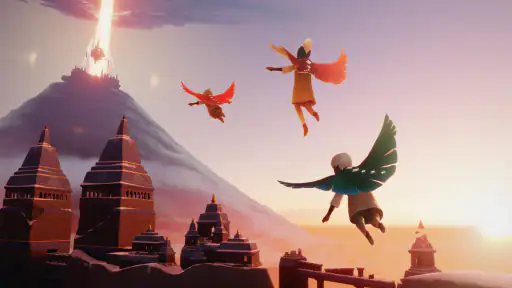
The graphics in Sky are nothing short of spectacular. Every realm is a work of art, with vibrant colors and intricate details. The lighting effects and animations are smooth and add to the overall magical feel of the game. Coupled with a mesmerizing soundtrack that perfectly complements the visual splendor, Sky offers an immersive experience that’s hard to top.
That presentation is a real reason to give it attention, but it also shapes how I would choose to play: this is a game to take in, not one I would recommend treating as background noise while rushing through chores. A quiet moment and headphones can make the sound and scenery easier to appreciate. If you mainly want fast action, tactical combat, or a deep character-building loop, the visual beauty may not compensate for the different focus.
When the slower pace is a drawback
The same unhurried design that helps me decompress can feel like friction when I want immediate direction. A player who opens a game expecting a quick mission, a difficult fight, or a clear reward at the end of each session may wonder what to prioritize. I would give the experience a fair try without demanding that it behave like a traditional RPG, but I would not recommend forcing it into a routine if the lack of urgency feels dull rather than calming.
It is also not my first recommendation for someone who wants to play entirely alone or avoid the unpredictability of shared spaces. Other players can make an outing memorable, but a social world is not the same as a private solo adventure. The right alternative depends on the reason for playing: choose a focused puzzle game for a defined mental challenge, an action RPG for combat and progression, or a single-player exploration game for quiet control over the whole experience.
Storyline and Themes
The storyline of Sky is both simple and profound. As a child of light, your mission is to return fallen stars to their constellations, restoring light to a darkened world. This journey is not just about the physical exploration of realms but also about emotional connections and the impact of kindness and community.
Sky subtly weaves themes of love, compassion, and altruism throughout its narrative, making it a game that resonates on a deeper level. It's a reminder of the beauty of human connection and the light that can be found when we work together.
Making it a comfortable fit
If you are unsure whether this is for you, I would start with exploration rather than purchases or ambitious goals. Notice whether the movement feels enjoyable, whether you want to linger in the setting, and whether meeting other players adds warmth or becomes a distraction. Those are better indicators of long-term fit than trying to decide from the role-playing label alone.
For people introducing it to a friend, I would suggest keeping the first outing informal. Explore together without turning it into a test of who can progress faster. That suits the game’s softer mood and avoids importing expectations from competitive co-op games. It is a good shared choice when both people want to spend time in the same world, but less suitable if one player needs a demanding challenge while the other wants a peaceful stroll.
What to expect before settling in
The game has a 4.5 average from around 1.1 million ratings, with roughly 32,000 reviews and over 10 million installs. Those figures suggest that it has reached a broad audience, but they cannot tell you whether its unhurried, social style is right for you. It is free to download, though the optional purchases are worth keeping in mind if you prefer games with no spending prompts or want to avoid in-app purchases altogether.
It has been available since April 6, 2020, and requires Android 8.0 or later. Before making it a regular part of your routine, I would check that your device meets that requirement and consider whether you have time for a game whose pleasures come from lingering and exploring. There is no need to buy anything just to find out whether the atmosphere and movement appeal to you; I would spend only if an optional item genuinely adds something I want.
Cost, commitment, and changing games
Because it is free to start, trying it does not require the same decision as buying a premium game up front. The more important cost is attention: the experience rewards returning to places and making your own reasons to explore, so it may not replace a game that gives you a clear objective in every sitting. I would avoid treating optional purchases as a shortcut to deciding whether I like it. First find out if the basic rhythm suits you, then consider spending only if you have a specific reason.
Switching over from another game does not need to mean abandoning it. I would keep a familiar action or puzzle title for evenings when I want more structure and use this one when I want a softer change of pace. That is a practical way to handle its uneven fit: it can be a welcome part of a rotation without becoming the right answer for every mood. If I stop returning because the wandering feels aimless, that is a useful sign to choose a more directed game rather than trying to make this one serve a different purpose.
Who will enjoy the journey
I would recommend it to players who value scenic exploration, a soft emotional tone, and the possibility of friendly cooperation without a strong competitive push. It is also a good pick when I want something more absorbing than a simple time-killer but less intense than a demanding action role-playing game. Players looking for build optimization, difficult combat, or constant direction should choose a more conventional quest-driven RPG instead; that is a difference in taste, not a flaw the game needs to hide.
Switching from another game is low-pressure if you treat this as a different kind of visit rather than a replacement for every mood. Keep your expectations modest at first: explore, notice how the flight feels, and see whether other players make the world warmer or distracting. If you find yourself wanting a faster objective loop, return to your usual action or puzzle games; if you begin to enjoy the quiet detours, this one has found its niche.
In conclusion, Sky: Children of the Light is more than just a game; it's an experience. It invites you to explore, connect, and reflect, all while losing yourself in a world of beauty and wonder. Whether you're an avid gamer or someone looking for a serene escape, this app will captivate your heart and mind. So grab your mobile device, download the game, and take flight into the skies of this magical universe.
Sky: Children of the Light Frequently Asked Questions
What kind of game is Sky: Children of the Light?
Sky: Children of the Light is a role-playing game built around exploration, gentle discovery, and meeting other players in a shared world. Its store description calls it a peaceful and cozy MMO about genuine human connection, so it is better suited to players who enjoy a relaxed, social adventure than those looking for constant action. You can explore at your own pace and share the experience with others.
Does Sky: Children of the Light have a strong story?
The game invites players to uncover long-lost mysteries while exploring its magical kingdom and helping spirits. Its storytelling is woven into exploration and the world around you, rather than presented only as a sequence of conventional action missions. If you enjoy piecing together a setting and discovering what happened as you play, that approach can be appealing; players seeking a tightly directed, dialogue-heavy story may find the experience more open-ended.
Is Sky: Children of the Light suitable for younger players?
Sky: Children of the Light is a peaceful role-playing game rated Everyone 10+. Its focus is on exploring a shared world, helping spirits, and connecting with other players, rather than on intense combat. Because it is an online social game, parents may still want to consider whether their child is ready to interact with other players and use the game’s social features.
How much storage space and what device do I need to play Sky?
Sky: Children of the Light runs on Android devices with Android 8.0 or later. Before downloading, it is sensible to check that your device has enough free storage and that your operating system is up to date, as the game needs to be installed and updated to play. Its version is 0.29.1 (321453), and keeping the app current helps you access the latest available experience.
What is the main objective of Sky: Children of the Light?
Sky: Children of the Light is an open-world social indie adventure game where players explore a magical kingdom using a cape that gives them the ability to fly. The main objective is to explore seven enchanting realms, solve puzzles, and collaborate with others to spread light, save spirits, and uncover long-lost mysteries. Players also engage in social interactions to build friendships and share their adventures.
Pros
- Beautiful graphics and art style
- Engaging social interactions
- Frequent content updates
- Free to play with fair monetization
- Cross-platform play available
Cons
- Requires constant internet connection
- Limited character customization
- Potential in-app purchase pressure
- Occasional server issues
- Challenging for solo players
- Category
- Role Playing
- Version
- 0.29.1 (321453)