Rise of Castles: Ice and Fire
- 101.52K
- 4.5
- Installs
- 10.00M
- Price
- Free

Screenshots
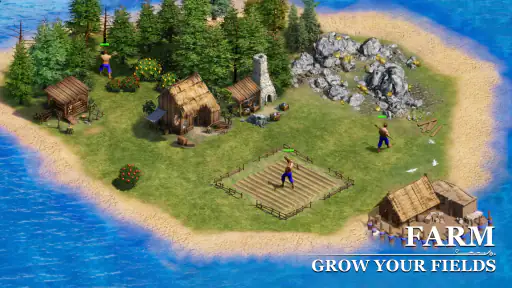
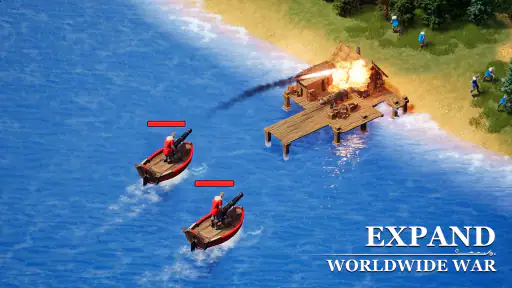
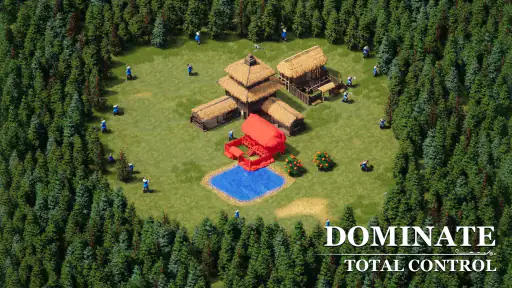
Analysis by Reviewed
I tend to enjoy strategy games most when there’s a satisfying reason to return to the same base day after day, and Rise of Castles: Ice and Fire is built around that steady investment. You shape a settlement, make choices about its growth, and take part in a wider contest with other players. It is free to play, but optional purchases cost from $0.99 to $179.99 per item, so it helps to decide early whether you are comfortable with a game that offers paid ways to speed things up.
What the current game asks of you
This is a strategy game from Long Tech Network Limited, released on August 1, 2018. Its current version is 24.1104.1, and it runs on Android 5.0 or later. The game is rated Teen. Its 4.5 average from around 1.8 million ratings, along with over 10 million installs, suggests a large audience, though popularity alone does not tell you whether its pace will suit you.
In practice, I would approach it as a long-running project rather than a quick match-based game. Developing a castle, choosing what to improve, and weighing defense against expansion give you reasons to think beyond the next battle. That makes it a better fit for players who enjoy gradual progress and a persistent world than for anyone looking for a self-contained session with a clear finish.
One useful habit is to decide what you want your next session to accomplish before opening the game. If you have only a few minutes, check what needs attention and make a focused improvement rather than starting several resource-heavy plans at once. When you have more time, you can consider how that development supports your wider strategic choices. This small bit of planning makes the game feel less like a list of chores.
Diving into the World of Castles
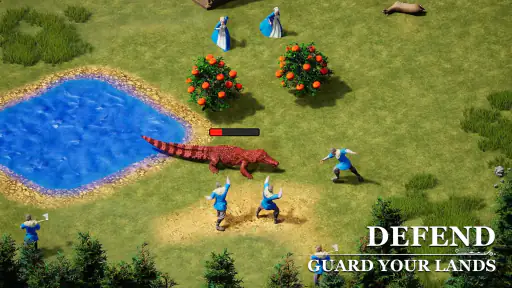
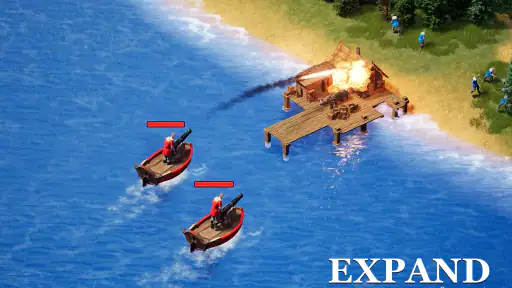
Once you step into Rise of Castles: Ice and Fire, you’re immediately struck by its stunning graphics. The attention to detail in the castles, landscapes, and character designs is truly impressive. As someone who appreciates a well-crafted visual experience, I found myself zooming in just to admire the intricate designs of my fortress and the surrounding lands.
But it’s not all about looks. This game quickly plunges you into the thick of things with its engaging storyline. You’re tasked with the monumental responsibility of rebuilding your kingdom amidst the chaos of war. The narrative is compelling, pulling you into a world where alliances are crucial, and every decision could mean the difference between victory and defeat.
Gameplay Mechanics and Strategy
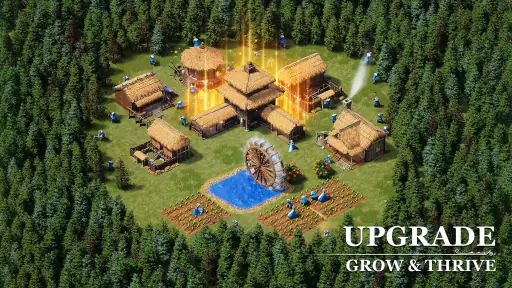
At its core, the game combines elements of base-building and real-time strategy. You’ll spend a good chunk of your time developing your castle, upgrading buildings, and fortifying your defenses. But don’t get too comfortable behind your walls; strategic combat is essential for expansion and survival.
More From Our News Desk

Weather by Xiaomi Review: Clear at a Glance, Less Clear Up Close

X Under Pressure: Can It Recover When Posting Goes Wrong?

Clash of Clans Is Won Between the Battles

Android Auto Makes the Case for Quieter Car Software

MobiOffice: Transforming Mobile Productivity with Seamless Integration

EA SPORTS FC™ Mobile Soccer: Redefining Mobile Sports Gaming
The practical trade-off is that growth and readiness compete for attention. It can be tempting to put every available resource into visible upgrades, but a stronger-looking settlement is not automatically a better-prepared one. I’d pause before committing to a long upgrade and ask whether it supports the way I actually want to play: building steadily, protecting my position, or taking a more active role in conflict. That question is more useful than simply choosing whichever improvement looks largest.
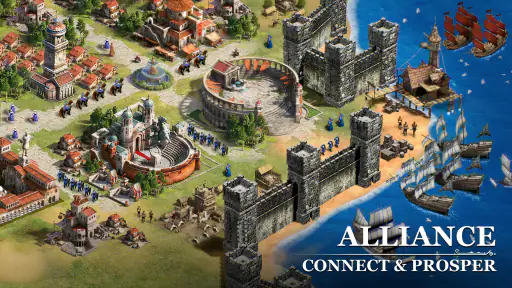
One of the highlights for me was the alliance system. Joining forces with other players opens up a whole new level of gameplay. It’s not just about having allies; it’s about forming strategies together, sharing resources, and launching coordinated attacks. This aspect fosters a sense of community that’s often missing in mobile games.
Alliances also change the social expectation of play. If you like checking in, discussing plans, and contributing to a shared effort, that connection can make routine development feel purposeful. If you would rather play entirely on your own or resent other people’s schedules shaping your choices, the social layer may feel like pressure instead. I would look for a group whose pace matches mine rather than treating the first available alliance as an automatic choice.
Challenges and Rewards
Now, let’s talk about the challenges. The game does require a level of patience and strategic thinking. Resources aren’t infinite, and decisions about where to allocate them are crucial. As someone who enjoys strategic depth, I found this aspect both challenging and rewarding. There’s a certain satisfaction in seeing your tiny kingdom grow into a formidable empire.
However, the game is not without its hurdles. Like many free-to-play games, there are in-app purchases. While you can progress without spending money, purchasing resources can significantly speed up your development. It’s a classic case of time versus money, and it’s something to be mindful of if you prefer to play without spending.
For a no-spend run, I would treat patience as part of the strategy rather than as a temporary obstacle. Pick a small number of priorities, resist spending just because a timer feels inconvenient, and avoid making purchases in the heat of a competitive moment. That approach will not remove the difference between waiting and paying, but it makes the choice deliberate. If keeping up quickly matters more to you than gradual planning, the purchase options may be tempting; if spending limits are important, set them before you begin.
A realistic routine might be to check the castle during a break, collect yourself around one clear objective, and return later when you can give more attention to a bigger decision. That makes the game easier to fit around ordinary life, but it does not turn it into a fully casual distraction: long-term development and player interaction reward consistency. I would skip it if I want a game that can be ignored for long stretches without losing momentum, or if I prefer every session to end with a clean win or loss.
Compared with mobile strategy games centered on short, isolated battles, this one places more emphasis on the ongoing fate of a settlement and the relationships around it. That persistent, alliance-oriented approach is its distinctive appeal, but also its main commitment. Players who want quick tactical puzzles or a campaign they can complete alone may be happier with a more contained strategy game. Here, the fun comes from slowly shaping a position and seeing how it holds up in a larger community.
Making the routine work for you
The game is easiest to fit into a busy day when I treat each visit as a decision point, not as an obligation to clear every possible task. I might open it during a lunch break, check which development choice best supports my current aim, and leave the more involved strategic thinking for a quieter moment. That routine suits a persistent castle better than expecting every session to deliver a dramatic battle or a complete sense of closure.
There is also a useful distinction between being active and being effective. A session with many taps can still leave your plans scattered if you start several improvements without considering their demands on the same resources. Before committing, I’d look at the overall direction of my settlement and ask what I want it to be ready for next. This is a small planning habit, but it helps keep the growth loop connected to strategy rather than turning it into busywork.
For a new player, the social side is worth approaching with the same care. An alliance can make the wider game feel more understandable because other people bring different priorities and experience. But joining a group only because it seems like the fastest route forward may not be a good fit if its expectations conflict with your availability. I’d first decide how much coordination I actually enjoy, then look for a group that makes participation feel like a choice rather than a second schedule to manage.
Players wondering whether this is mainly a solo castle builder or a social strategy game should expect the two parts to influence one another. You can appreciate the personal satisfaction of developing a settlement, but alliances give that development a wider context. If interaction is the part you dislike most, the game’s central appeal may be less convincing; if shared planning sounds enjoyable, it can give routine decisions more purpose.
How it differs from quicker strategy games
The usual alternative in mobile strategy is often a compact battle or a more self-contained campaign, where the main question is what move wins the current encounter. Here, the question stretches across sessions: how should I grow, what do I need to protect, and how does my position relate to other players? That longer horizon is a real advantage if you enjoy watching plans develop, but it can feel slow if you want a clear result every time you pick up your phone.
I would choose a short-match strategy game instead when I have only a brief window and want a complete beginning and end in that time. I would choose a solo campaign if I wanted my progress to depend only on my own play and not on a shared world. This game is better for someone who finds the ongoing relationship between castle development and alliance activity more interesting than a string of independent tactical puzzles.
It is also not an ideal choice for someone who wants to avoid purchase prompts or competitive pressure altogether. The game is free to start, but paid options can accelerate development, and that matters in a strategy game where progress unfolds over time. I’d go in with a clear spending boundary, especially if I know I’m prone to paying to remove a wait when I feel behind. If that tension would spoil the experience, a paid game with a fixed upfront cost may be a more comfortable alternative.
What version details do—and do not—tell you
Its release history gives the game a long-running presence, while version 24.1104.1 identifies the current build discussed here. For someone already playing, that is a practical reference point when deciding what version they have installed. It is not, by itself, evidence that the core structure has changed recently, so I would avoid treating a version number as a promise of new systems or a different pace.
For returning players, the better test is whether the current experience still supports the kind of routine they want: developing a castle, making resource decisions, and taking part in a wider player community. If those are the reasons they started, they can judge the game by how satisfying those choices feel now rather than by expecting every version change to reinvent it. For someone just arriving, the version label is less important than understanding that this is an established, ongoing strategy game, not a short campaign built around a final stage.
What I would watch over time is whether the everyday balance remains enjoyable for my own style of play. Does development still feel like a meaningful choice, and does alliance participation add interest without taking over my schedule? Those are more useful questions than assuming that future changes will necessarily suit every player. I’d keep current experience and hopes for future updates separate, and make a decision based on what the game offers when I’m actually playing.
One other practical question is whether it can be treated as a very occasional game. I would not recommend approaching it that way if you want progress to feel connected and if player interaction is part of what draws you in. A persistent strategy loop asks for some consistency, even when individual visits are short. If I know I’m about to be away from games for a long stretch, I’d choose something that offers self-contained sessions rather than expecting this one to deliver the same satisfaction without regular attention.
Despite these challenges, the rewards of successfully leading your army to victory and watching your empire flourish make it all worthwhile. The game offers a variety of events and missions that keep the gameplay fresh and exciting. Plus, there’s always something new to discover, whether it’s a hidden treasure or a new alliance opportunity.
For existing players, the clearest concrete point of reference is the current version, 24.1104.1, rather than an assumption that every update changes the fundamentals. I would judge its ongoing evolution by whether the version I’m playing makes the castle-building, strategic decisions, and alliance routine feel worthwhile, while keeping expectations about future changes separate from what is available now. The lasting question is whether the game continues to reward the amount of attention its persistent world asks for.
My recommendation is strongest for players who enjoy base development, resource choices, and coordinating with other people over time. It is less suited to anyone who wants a purely solo experience, a quick one-off strategy challenge, or progress without waiting or spending. If you are comfortable with that trade-off, its mix of castle growth and social strategy has enough texture to make regular check-ins feel meaningful.
In conclusion, Rise of Castles: Ice and Fire offers a rich, immersive experience for fans of strategy games. With its captivating graphics, engaging storyline, and dynamic gameplay, it’s a standout in the realm of mobile gaming. Whether you’re a seasoned strategist or a newcomer looking for an adventure, this game has something to offer.
Rise of Castles: Ice and Fire Frequently Asked Questions
What kind of game is Rise of Castles: Ice and Fire?
Rise of Castles: Ice and Fire is a strategy game centered on building your own castle and seeking to conquer the world. If you enjoy planning how to develop a stronghold and making decisions with a competitive goal in mind, that premise may appeal to you. Its focus on castles and strategy is worth considering before you download.
Who is Rise of Castles: Ice and Fire suitable for?
The game has a Teen content rating, which makes it more suitable for older children and adults than for very young players. Parents and guardians may want to consider the rating and the game’s competitive strategy theme before allowing a child to play. It is also sensible to talk about in-app purchases and check purchase settings on shared devices.
How much storage space should I have available before downloading Rise of Castles: Ice and Fire?
It is sensible to check that your device has enough free storage before installing Rise of Castles: Ice and Fire, and to leave some room for the game to run and receive updates. The download and installation requirements can vary by device, so check the space shown by your app store before proceeding. Clearing unused files or apps can help if storage is tight.
Does Rise of Castles: Ice and Fire have an age rating?
Rise of Castles: Ice and Fire is rated Teen, so it may be a better fit for older children and adults than for younger players. Parents and guardians can consider that rating alongside the game’s strategy battles and online multiplayer features before allowing a download. It is also worth reviewing the game together and discussing any in-app purchases before play.
What is Rise of Castles: Ice and Fire about?
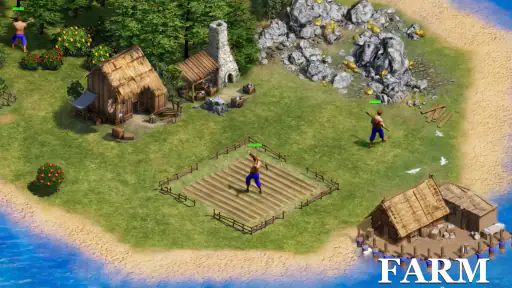
Rise of Castles: Ice and Fire is a strategic mobile game where players build and expand their own empire in a fantasy world. The game combines elements of city-building and real-time strategy, allowing players to construct castles, gather resources, train armies, and engage in epic battles. With a rich storyline and immersive graphics, it offers an engaging experience for strategy enthusiasts.
Pros
- Immersive graphics and engaging storyline.
- Wide variety of characters and units.
- Regular updates with new features.
- Strategic gameplay keeps you hooked.
- Free to play with optional in-app purchases.
Cons
- Some in-app purchases are expensive.
- Requires constant internet connection.
- Occasional bugs and glitches.
- High battery consumption on some devices.
- Can be overwhelming for new players.
- Category
- Strategy
- Version
- 24.1104.1