Oxide: Survival Island
- 7.11K
- 4.4
- Installs
- 10.00M
- Price
- Free

Screenshots




Analysis by Reviewed
I approached Oxide: Survival Island as a survival game to play with other people, not as a quiet crafting pastime. Its appeal is the tension of trying to stay alive on an island while other players are part of the situation. That makes even a simple plan—gather what you need, find somewhere safer, and keep moving—feel less settled than it would in a solo survival game. I found the premise easy to understand, but the experience suits players who enjoy pressure and uncertainty more than those looking for a gentle sandbox.
Living with the island’s pressure
As a simulation game from HYPERHUG, Oxide puts survival in a multiplayer setting. That distinction matters: the challenge is not only managing your own progress, but doing so in a world where other people can affect how secure you feel. I like that this gives ordinary decisions more weight. A route or a place to pause can feel like a practical choice rather than just a way to pass time.
The multiplayer focus is also the biggest qualifier. If I have friends available, the game’s central idea is easier to enjoy because the island becomes a shared problem to solve. If I am hoping for a relaxed, self-paced survival routine, the presence of other players may be more stressful than exciting. This is not the sort of game I would recommend purely for calm collecting or a predictable building loop.
One useful way to approach it is to treat each session as a small expedition rather than expecting a long, uninterrupted stretch of progress. Before committing to a risky outing, decide what you actually want to accomplish and what would count as a good stopping point. That keeps the pressure manageable, especially when a multiplayer session does not unfold as planned.
I would also avoid treating every setback as proof that a session was wasted. In survival games, a run can still teach you which situations feel too exposed, when to regroup, and whether your current plan depends too much on luck. That mindset fits Oxide better than expecting every outing to deliver a clean chain of rewards.
Who gets the most from multiplayer
For friends who enjoy coordinating under pressure, Oxide has a clear use case: it gives a group a shared survival challenge rather than asking everyone to pursue separate goals. The fun is likely to come from making decisions together and adapting when the island does not cooperate. I would choose it for a planned gaming session with people who like unpredictable outcomes, not as my first pick for a short, interruption-prone break.
Playing with friends can also make the game’s uncertainty feel more manageable. You can talk through what to do next rather than facing every choice as a solo task. That does not remove the challenge, but it changes its texture: setbacks become something to discuss and respond to together. Players who prefer to be left alone may find the social angle less appealing, even if they usually like survival games.
A practical tip is to agree on a shared objective before starting. “Let’s see how far we can get” can be enjoyable, but a more specific aim gives a group a reason to make choices instead of drifting between them. It also helps when players have different levels of patience for risk: the group can decide whether the session is about cautious progress or testing what the island throws at them.
There is a trade-off here. Multiplayer can create memorable, unpredictable moments, but it also means the experience depends partly on the people and circumstances around a session. Anyone who wants complete control over pace and atmosphere is better served by a solo-focused alternative. Oxide’s identity is strongest when its shared survival premise is a feature, not an inconvenience.
Progress, persistence, and practical expectations
The game is free to download, which makes it easy to try before deciding whether its particular blend of survival and multiplayer suits you. It is rated Teen, and it has an average rating of 4.4 from around 591,000 ratings, with roughly 7.1 thousand written reviews. Those figures suggest a substantial audience, but they cannot tell me whether an individual player will enjoy the pace or the social pressure.
Oxide has passed 10 million installs, and its current version is 1.13.11946. It first arrived on August 1, 2021, so this is not a brand-new concept being introduced to players. I would still judge it by how its survival style feels in my own hands rather than assuming its popularity makes it the right choice for everyone.
For a realistic everyday scenario, imagine having a free evening and a friend who wants a game you can talk through while playing. Oxide is a reasonable fit if you both want a shared challenge and can accept that the session may be shaped by events beyond your plan. If you have only a few distracted minutes between tasks, or you want to make steady progress without relying on a multiplayer setting, I would choose something more self-contained.
That difference is useful when comparing it with the usual alternatives in the survival category. A solo survival game is generally the clearer choice for someone who wants to set their own pace and treat exploration as a personal routine. A more casual simulation is a better fit if the priority is low-stakes progression. Oxide instead makes the shared, uncertain survival premise central, so it will appeal most to players who see pressure as part of the fun rather than friction to be removed.
I would not assume that progress will always feel smooth simply because the game is a simulation. The multiplayer setup makes flexibility more valuable than a rigid plan. If a session turns tense, it can help to reassess the immediate goal instead of pushing ahead just because that was the original intention. This is a small but useful habit in any survival game where conditions can change while you are playing.
Spending and the fairness question
Although the game is free, it offers in-app purchases priced from $0.99 to $229.99 per item. That is a wide range, and it is worth noticing before starting, particularly if you prefer games with no optional spending. The existence of purchases does not, by itself, tell me what they contain or whether they affect progress or competition, so I would not treat the price range as evidence that paying is necessary.
My practical advice is to decide on a spending limit before browsing any optional purchases, especially if you are trying the game because it costs nothing to begin. A free entry point is useful, but it does not automatically make every later purchase worthwhile for every player. If you are comfortable playing without spending, start there and judge the experience on its own terms before considering anything extra.
Fairness is harder to assess without knowing what an individual purchase does in play. I would not claim that the game is pay-to-win, nor would I promise that spending has no competitive effect. If that distinction is important to you, check the in-game purchase descriptions carefully and consider whether any item changes the kind of challenge you want. Players who do not want to weigh optional purchases against multiplayer fairness may prefer a paid game with a simpler purchase model.
This is also where expectations matter. A purchase price tells you what an item costs, not whether it is essential, cosmetic, or useful in a particular situation. I would make that judgment item by item rather than spending because a session feels difficult. In a survival game, a tough moment can be part of the intended challenge; it is not automatically a reason to buy something.
Where Oxide may not be the right choice
The main reason I would steer someone away is a mismatch in mood. If you dislike the possibility that other players may complicate your plans, multiplayer survival is likely to feel like work rather than release. Likewise, if you want a story-led experience with a clear sequence of authored objectives, Oxide’s core appeal is not the same as that of a narrative adventure. I would not pick it expecting a relaxing, guaranteed progression path.
It may also be a poor fit for people who strongly prefer predictable sessions. Survival pressure can make a short session feel unfinished, and the multiplayer premise means your preferred pace may not always be the only factor. Before installing, ask yourself whether uncertainty sounds entertaining. If the answer is no, a solo or less competitive simulation is probably the better use of your time.
On the other hand, players who already enjoy survival games but want the island to feel socially active have a good reason to try it. The game’s strongest point is the way shared play gives basic survival decisions a human dimension. My advice is to start with modest expectations, play with people whose style suits yours, and decide whether the tension feels exciting or simply tiring.
My verdict on trust and fit
Oxide: Survival Island is an easy recommendation for players who specifically want a multiplayer survival challenge and are comfortable with a degree of uncertainty. It is free to start, has a Teen content rating, and has drawn a large audience, but none of that replaces the more important question: do you enjoy surviving alongside other players? That is the choice that should guide whether you install it.
I would recommend it to a friend who has someone to play with and likes adapting plans under pressure. I would be more cautious with someone who wants a fully predictable solo routine or is uncomfortable with optional purchases in a free game. The purchase range is clear, while the fairness implications depend on what each item does; keeping that distinction in mind is the most sensible way to approach spending.
In the end, Oxide works best when its multiplayer uncertainty is exactly what you came for. If you want a shared island challenge, it is worth trying without spending first. If you want quiet, controlled progress, choose another kind of survival simulation. That is not a flaw in the game so much as a clear boundary around who is likely to enjoy it.
Oxide: Survival Island Frequently Asked Questions
What is Oxide: Survival Island about?
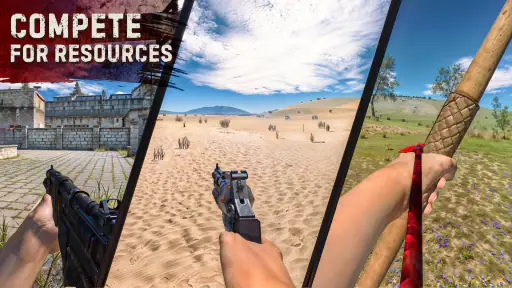
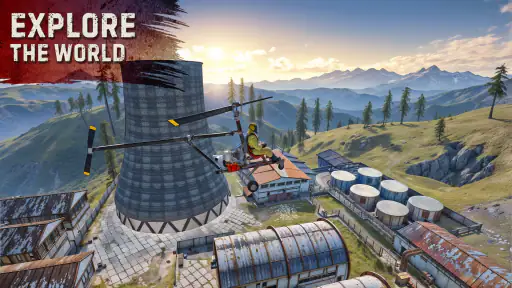
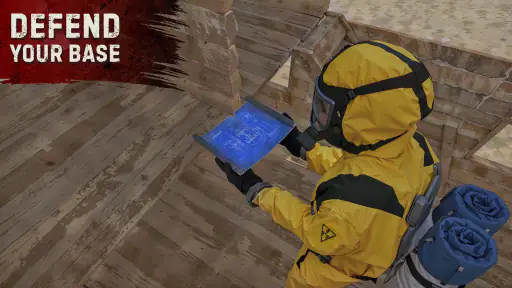
Oxide: Survival Island is a multiplayer survival game set on a dangerous island. You begin with few resources and must gather materials, craft tools, build shelter, and find food and water to stay alive. The island also contains wildlife and other players, so exploration can bring both useful discoveries and serious risks. Progress depends on managing your needs while preparing for threats.
Can I play Oxide: Survival Island offline or by myself?
The game is primarily designed around online multiplayer, where other players may share the island and affect your survival. You should expect to need an internet connection to access its main gameplay, and the experience can vary depending on the server and the people playing there. Check the current store listing and in-game options for available modes, since solo or offline play may not be offered in the same way as online play.
What should I know about combat and losing items?
Oxide: Survival Island includes player-versus-player danger, as well as environmental and wildlife threats. Other players may attack you or take resources, and dying can mean losing some of the items you were carrying, depending on the game’s current rules. Before venturing far from safety, consider carrying only what you can afford to lose, learning how combat works, and storing valuable materials where the game allows.
Is Oxide: Survival Island free to download, and does it include purchases?
Availability, pricing, and optional purchases can differ between Android and iOS, regions, and store versions. Check the official Google Play or Apple App Store page before downloading to confirm whether the game is free, what in-app purchases are offered, and whether any purchase is optional. A free download does not necessarily mean every item or progression feature is free, so review the listing and purchase details carefully.
Will Oxide: Survival Island run well on my phone, and is it suitable for children?
Performance depends on your device’s hardware, operating-system version, available storage, and network connection. Because the game features a large survival environment and online play, older phones may experience slowdowns or need reduced settings; consult the store’s compatibility information before installing. Its combat, survival themes, and interactions with strangers in multiplayer may also make it unsuitable for younger players, so parents should review the rating and supervise online use.
Pros
- Gathering
- crafting
- and building create a rewarding survival loop.
- The island setting makes exploration feel varied and engaging.
- Hunting and resource management add meaningful survival challenges.
- Base building lets you shape a shelter to suit your play style.
- A strong sense of progression encourages continued play.
Cons
- Survival needs can make early progress feel demanding.
- Resource gathering may become repetitive over long sessions.
- Combat can be unforgiving when equipment is limited.
- Performance may vary depending on the device.
- Online play can depend on a stable internet connection.

- Category
- Simulation
- Version
- 1.13.11946