Old School RuneScape
- 26.18K
- 4.1
- Installs
- 5.00M
- Price
- Free

Screenshots
Analysis by Reviewed
I came to Old School RuneScape expecting a familiar fantasy quest, but what stood out was how much the game asks me to set my own pace. Its world does not push every player toward the next dramatic scene. Instead, it makes room for small plans: learn a skill, follow a trail of quests, or simply decide what would make a satisfying use of the next few minutes. That can feel wonderfully open, though it also means the game is a better fit for someone who enjoys choosing their own direction than for someone who wants constant instructions.
A first impression shaped by patience
This is a mobile adventure game from Jagex Games Studio, and it keeps the deliberately old-fashioned look that gives its world a distinct identity. I would not pick it for elaborate effects or cinematic combat. I would pick it when I want a place to return to, learn gradually, and make progress through decisions that are often quieter than a boss fight.
The initial challenge is less about mastering a complicated action system and more about understanding what kind of experience I want. The game offers enough freedom that opening it without a goal can lead to aimless wandering. I find it helps to choose one modest target before a session: explore a nearby area, try an activity, or take a step toward a quest. That small bit of direction makes the freedom feel inviting rather than overwhelming.
A world that takes its time
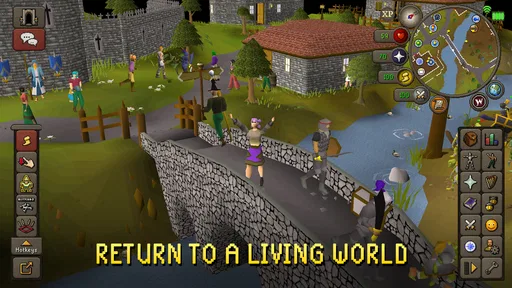
My first impression is that this is an adventure game happiest when you let it set the pace. It is free to start, developed by Jagex Games Studio, and its mobile version keeps the old-school look rather than dressing the world in modern effects. That choice gives towns, roads, and characters a consistent visual language: plain at a glance, but easy to read as you decide where to go next. I would not choose it for cinematic presentation; I would choose it when I want a world that feels like a place to learn gradually.
A useful way to approach the opening is to treat it as a tour, not a race toward the strongest gear. Try a few activities, notice which skills feel satisfying, and follow a quest when you want a clear goal. That keeps the early experience from turning into aimless tapping. It also helps reveal the game’s unusual strength: ordinary tasks can become a personal routine, while a longer quest can interrupt that routine with a puzzle or a bit of story.
Sound, quiet, and the rhythm of play
The mood is not built on flashy presentation. The restrained visuals and straightforward animations leave room for the setting and the player activity to carry the experience. I find that this makes the game comfortable to return to for a short session, especially when I have a specific task in mind. It is less suited to someone seeking constant spectacle or a fast stream of dramatic encounters.
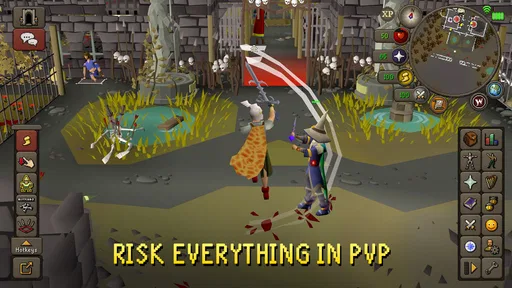
On a practical level, the rhythm depends on what you choose to do. A gathering or crafting session can be a calm, repeatable activity; a quest asks for more attention, and a player-versus-player encounter brings a different kind of pressure. I would decide what I want from a session before opening the game: a small, predictable task is easier to fit into a break than wandering without a destination. That distinction matters on a phone, where interruptions are common.
More From Our News Desk

 Instagram
’s Power Comes From Its Place in Your Phone
A close look at how Instagram turns Meta’s reach, recommendation systems and everyday camera habits into durable platform power—and what that costs users.

 Gmail
Gmail in a Busy Inbox: Who Benefits Most?
From first account to crowded workday, Gmail earns its place through dependable search and flexible sorting—but its best fit depends on how much inbox maintenance you can tolerate.

 Prime Video
Switching to Prime Video: What Changes in Your Viewing Routine
Prime Video can make a compelling second home for streaming, but switching means learning a different catalog, rental layer, and route from browsing to playback.

 Universal TV Remote Control
 Works Best as a Reliable Backup
A phone remote earns its place through quick setup and reliable habits. Here is how to get more from Universal TV Remote Control—and where its limits show.

 Weather - By Xiaomi
Weather by Xiaomi Review: Clear at a Glance, Less Clear Up Close
Xiaomi’s weather app makes everyday forecasts quick to scan, but its calm surface can leave useful details and recovery paths harder to find than they should be.

 X
X Under Pressure: Can It Recover When Posting Goes Wrong?
A resilience-focused review of X, examining setup, mistaken posts, interruptions, weak connections, and the gaps that matter when recovery needs to be dependable.
Latest News



Why Old School RuneScape Still Captivates
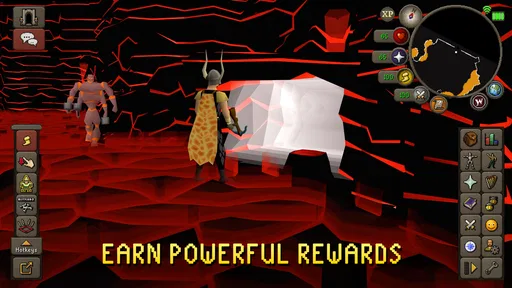
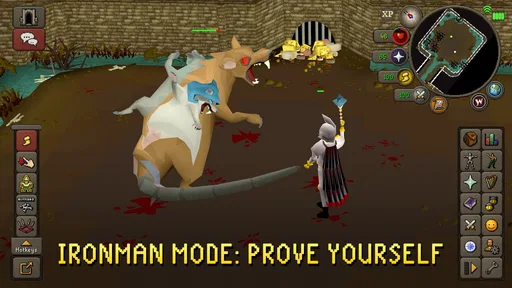
When you first dive into the game, one thing's for sure: you're not here for cutting-edge graphics. But that's part of the charm! Old School RuneScape takes you back to the basics with its pixelated visuals and simple animations, yet it's surprisingly immersive. The game world is vast, filled with towns, dungeons, and a variety of environments that feel alive with NPCs and other players bustling about.
The Gameplay Experience
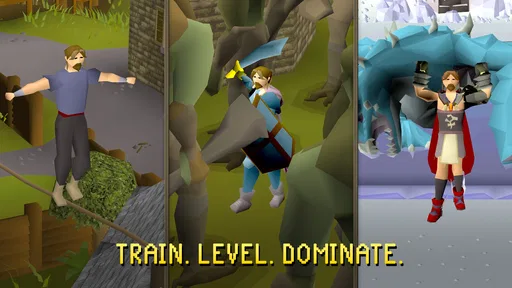
From the get-go, you're given the freedom to choose your path. Whether you want to become a mighty warrior, a skilled artisan, or a wealthy merchant, Old School RuneScape offers a plethora of skills to master. I'm talking about everything from fishing and cooking to more intense pursuits like slaying dragons or crafting the perfect sword.
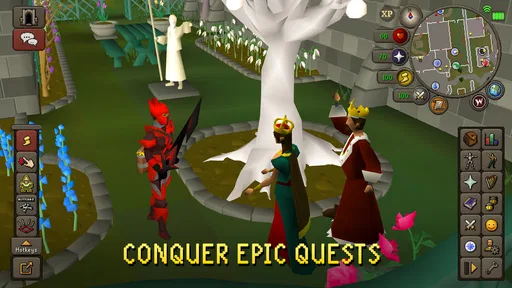
The quests are another highlight. They're not just your typical "go here, kill that" type of deal. Some are genuinely intricate, requiring puzzle-solving skills and a good bit of detective work. Plus, they're packed with humor and lore, making them a joy to complete.
Progress that rewards a plan
One useful trade-off is that a long-term goal can give repeated activities a purpose, but it can also make the game feel like a list of chores if I chase efficiency too hard. I get more out of it by alternating between a practical task and something exploratory. For example, I might spend a brief session practising a familiar skill, then use a longer stretch to follow a quest without rushing through its clues. That keeps routine from swallowing the sense of discovery.
If I am new to this style of MMORPG, I would resist the urge to compare my progress with players who have clearly spent far longer in the world. The game’s appeal is not limited to reaching a particular milestone; choosing a direction and seeing it develop is part of the entertainment. Players who need frequent rewards or a clear, short campaign may find that approach slow. Someone who likes setting personal targets can treat the open-ended structure as a benefit rather than a lack of direction.
Community and Social Interaction
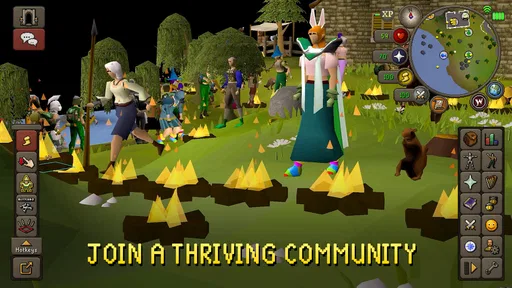
One of the standout features of Old School RuneScape is its community. It's not just about leveling up; it's about the people you meet along the way. The game fosters a sense of camaraderie with its clan systems and player-driven economy. Whether you're teaming up for a boss raid or trading at the Grand Exchange, the interactions feel meaningful and rewarding.
Plus, the developers are incredibly active. Regular updates and events keep the game fresh and exciting. They've managed to strike a balance between keeping the core game intact and introducing new features that enhance the experience without straying from what makes it special.
Where it sits among mobile RPGs
Compared with many mobile fantasy RPGs that put story scenes and action at the centre, this one puts more weight on an enduring shared world and self-directed progress. That difference is not automatically better: if I want quick spectacle or a campaign that reliably points to the next plot beat, a more linear RPG is likely a better choice. Here, the payoff is having several possible ways to spend time, with the freedom to move between personal goals and other players’ activity.
That flexibility also changes how I judge a session. A few minutes can be enough for a familiar task, but not every part of the game is equally convenient on a phone. Browsing, planning, or handling an involved challenge may feel more demanding on a small screen than it would with a computer setup. I would treat mobile as a useful way to stay connected to the world, not assume that every activity feels equally comfortable in every setting.
Mobile adaptation
Now, let's talk about the mobile version. Transitioning an MMORPG to mobile is no small feat, but Old School RuneScape does an admirable job. The controls are intuitive, and the interface is well-designed for touch screens. Sure, there might be a learning curve if you're used to playing on PC, but once you get the hang of it, you'll find yourself engrossed in the same addictive gameplay.
For a practical phone routine, I would keep mobile sessions focused: handle a familiar skill activity while waiting for a bus, then save a multi-step quest or a difficult fight for a time when I can concentrate. The trade-off is clear. Touch controls make the world accessible away from a computer, but small-screen navigation can feel less comfortable when precision and quick decisions matter. If that friction bothers you, a PC-style MMORPG may suit you better; if flexibility matters more, this adaptation earns its place.
Performance-wise, it holds up well. Of course, having a stable internet connection is key, but that's par for the course with any online game. The occasional lag is a small price to pay for having such a rich, expansive game world in your pocket.
Making mobile time work
A realistic use case is a short wait between errands. I would open the game only if I already knew what I wanted to do, choose a familiar activity, and leave a longer quest for later. If I am likely to be interrupted, a task with a simple stopping point is a safer choice than starting a sequence that depends on remembering clues or navigating several places. That is less about playing optimally and more about avoiding the feeling that a brief phone session has become frustrating.
For a new player, the most useful early habit is to learn how movement, menus, and interaction feel on the touch screen before taking on something demanding. I would also try both a low-pressure activity and a quest early on; they show two very different sides of the game. If the repeatable loop feels soothing and the quests make me curious, that is a good sign. If both feel like work, a more guided adventure is probably a better use of my time.
Who will settle in—and who may not
I would recommend it to players who enjoy making their own goals, seeing progress through repeated practice, and sharing a world with other people. Its average rating is 4.1 from around 130,000 ratings, and it has been installed over five million times, but those figures matter less than the style of play: this is a long-haul sandbox, not a tightly scripted adventure that rushes you from one set piece to another. The game is rated Teen, and optional in-app purchases range from $7.49 to $99.99 per item, so I would check the purchase choices carefully if spending needs to stay controlled.
It is a weaker fit if you want a short, self-contained campaign, frequent visual spectacle, or a game that never asks you to repeat an activity. Players used to action-heavy mobile RPGs may find its patient pace and old-fashioned presentation too quiet. Its appeal is the freedom to build a routine, not the promise that every session will deliver a dramatic payoff.
Small decisions that improve the experience
I would keep the first few sessions exploratory rather than trying to optimize every choice. The range of activities is part of the point, and sampling more than one helps distinguish a temporary learning curve from a style that genuinely suits me. Once I notice which tasks I enjoy, I can use those as reliable short-session options and reserve more attentive play for quests or other challenges that demand it.
There is also a simple spending consideration: the game is free to start, while optional purchases are available at a range of prices. I would decide in advance whether I want to spend anything and review each purchase carefully, rather than treating a purchase as necessary to find out whether the core experience appeals. That is especially sensible for a game whose strongest draw is the time spent building a personal routine.
Version and a sensible first step
The game was released on August 6, 2018, and the current version is 230.4, with Android 8.0 as the minimum operating-system requirement. Before settling in, I would make sure my device meets that baseline and my connection is dependable. A good first session is to learn the touch interface, try a couple of different activities, and pick one modest goal; that gives you a fair sense of whether its slower, self-directed loop clicks for you.
The atmosphere verdict
What stays with me is the coherence between the plain visual style and the way the game asks me to play. Its mood is unhurried, and its strongest moments often come from following my own curiosity rather than waiting for a spectacle to arrive. That makes the world feel welcoming to return to, but it also means I need to bring some patience and a little intention of my own.
So, whether you're revisiting a beloved classic or discovering it for the first time, Old School RuneScape on mobile offers a slice of gaming history that's both accessible and rewarding. Give it a go, and you might just find yourself lost in the nostalgia of Gielinor for hours on end.
Old School RuneScape Frequently Asked Questions
Can I play Old School RuneScape offline, or does it need an internet connection?
Old School RuneScape is an online multiplayer role-playing game, so you should plan to have an internet connection while playing. Its open-world adventure includes other players, communication, and shared activities, which are part of the experience rather than optional background features. If you are looking for a game to play without a connection, this is not the best fit.
Is Old School RuneScape a good choice for someone new to MMORPGs?
It can be a welcoming place to start if you enjoy exploring at your own pace and learning through quests and experimentation. Old School RuneScape is a retro sandbox RPG, so it does not feel like a tightly guided adventure from beginning to end. Expect to spend time discovering systems and deciding what to pursue; players who prefer a clear, linear path may find its freedom less immediately familiar.
Can I play with friends in Old School RuneScape?
Yes. Old School RuneScape is a multiplayer adventure where players can communicate, trade, and team up for activities. Its shared world can make exploring and taking on challenges more enjoyable with friends, while also giving you opportunities to meet other players. Since it is an online game, interactions happen within a larger community, so use sensible judgment when chatting or trading with people you do not know.
What kind of gameplay does Old School RuneScape offer?
Old School RuneScape is an open-world fantasy MMORPG with a retro sandbox style. You can explore, take on quests, and engage in both PVE and PVP battles. Rather than focusing on a single short campaign, it offers a broad world and a range of activities to pursue. That open-ended structure suits players who like setting their own goals and making progress at their own pace.
Can I play Old School RuneScape on a phone or tablet, and what should I expect from the mobile controls?
Yes. Old School RuneScape is available on Android and iOS phones and tablets, so you can take its open-world fantasy adventure with you. The mobile release keeps the same core gameplay as the desktop version, including its quests and player interactions. Because it is an MMORPG with a broad world to explore, expect to spend time navigating menus and interacting with the game world on a touchscreen.
Pros
- Nostalgic gameplay experience.
- Cross-platform play available.
- Regular updates and events.
- Large
- active community.
- No pay-to-win mechanics.
Cons
- Outdated graphics for modern standards.
- Steep learning curve for new players.
- Time-consuming progression.
- Limited in-game tutorial.
- Subscription required for full access.