Legend of The Moon2: Shooting
- 53.00
- 4.5
- Installs
- 10.00K
- Price
- $0.29

Screenshots
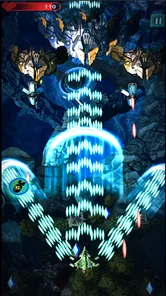
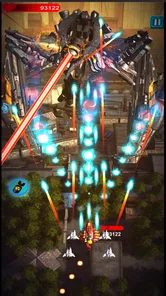

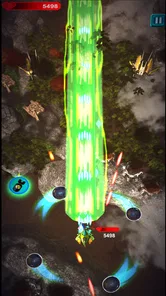

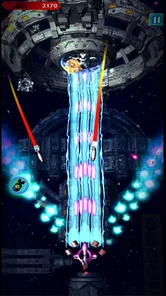
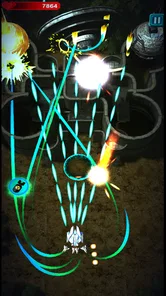
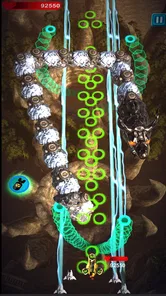
Analysis by Reviewed
Before I decide whether to spend time on a mobile shooter, I ask a simple question: do I want a quick arcade-style action game, or a deeper adventure built around a long campaign and elaborate systems? Legend of The Moon2: Shooting is aimed at the first kind of player. It is an action game from GOZIPGAMES, presented as a retro-inspired 3D shooter, and its appeal is the promise of familiar arcade action in a fantasy setting. I would approach it as a small, focused game rather than assume it offers the scale of a major console-style adventure.
How to judge the fit
The practical choice is whether a compact shooting game sounds more appealing than a sprawling story game or a competitive online shooter. Its Everyone age rating makes it broadly accessible, while the current version is 0.1, so I would keep expectations measured: that version number is a reason to check whether the current build feels polished enough for your preferences, not a guarantee of any particular feature or update schedule. It costs $0.29, which keeps the upfront decision modest, but the price is still worth weighing against how often you actually play this kind of game.
For a realistic use case, I can see this fitting a short break when I want something more active than a puzzle but do not want to commit to a lengthy session. I would try it when I have a few minutes free, then judge the controls and pace for myself before making it part of a routine. If I mainly play on a device running Android 7.0 or later, the listed minimum system requirement is compatible; I would still check that my own device handles the game comfortably rather than assume every supported phone feels equally smooth.
A quick-session test that tells you more
Rather than treating the first few minutes as a verdict on every part of the game, I would use them to answer two practical questions: can I understand what the game expects me to do, and does aiming feel comfortable on my screen? Those are especially useful checks for a mobile shooter, because a control style that feels natural on one phone can feel cramped on another. If I am playing during a commute or while waiting for an appointment, I would also notice whether the action is easy to pause and resume in the way I need; I would not assume a particular save or pause system without checking it in the game.
The listed minimum operating system is one useful starting point, not a promise that every compatible device will deliver the same experience. On an older phone, I would close demanding background apps and try a short session before deciding whether the presentation feels smooth enough. That is a simple, low-effort way to separate a device issue from a game issue, and it matters more here than chasing settings or tweaks that may not be available.
Setting the Stage
So, what’s the scoop? Legend of The Moon2: Shooting is an exciting mobile game that transports you into a mysterious, enchanted world where every corner hides a new secret. Imagine a blend of traditional folklore and modern shooting mechanics, and you’ve got a pretty good idea of what to expect.
The storyline, without giving too much away, revolves around ancient legends and mystical powers. You’re on a quest to uncover hidden truths while battling dark forces. It’s like stepping into your favorite fantasy novel, but with the added thrill of controlling the action!
More From Our News Desk

 Gmail
Gmail in a Busy Inbox: Who Benefits Most?
From first account to crowded workday, Gmail earns its place through dependable search and flexible sorting—but its best fit depends on how much inbox maintenance you can tolerate.

 Prime Video
Switching to Prime Video: What Changes in Your Viewing Routine
Prime Video can make a compelling second home for streaming, but switching means learning a different catalog, rental layer, and route from browsing to playback.

 Universal TV Remote Control
 Works Best as a Reliable Backup
A phone remote earns its place through quick setup and reliable habits. Here is how to get more from Universal TV Remote Control—and where its limits show.

 Weather - By Xiaomi
Weather by Xiaomi Review: Clear at a Glance, Less Clear Up Close
Xiaomi’s weather app makes everyday forecasts quick to scan, but its calm surface can leave useful details and recovery paths harder to find than they should be.

 X
X Under Pressure: Can It Recover When Posting Goes Wrong?
A resilience-focused review of X, examining setup, mistaken posts, interruptions, weak connections, and the gaps that matter when recovery needs to be dependable.

 Clash of Clans
 Is Won Between the Battles
Its raids are quick; its community is a long-term project of coordination, teaching, rivalry, and shared responsibility—with all the friction that entails.
Latest News



Gameplay and Features
Now, let’s dive into the gameplay itself. One of the first things you'll notice is how smooth the controls are. Whether you're a seasoned gamer or just getting started, the intuitive interface makes it easy to dive right in. The game offers a variety of weapons and power-ups, each with unique abilities. Trust me, experimenting with different combos is half the fun!
What really sets this game apart, though, is its dynamic level design. No two stages feel the same, keeping you on your toes as you navigate through stunning landscapes and eerie dungeons. The developers did an incredible job with the graphics, creating a visually immersive experience that draws you deeper into the game’s universe.
What to notice while playing
For someone deciding whether the shooting is a good fit, I would pay attention to how much of the enjoyment comes from reacting in the moment versus planning what to do next. That distinction can help you decide whether to keep playing after the novelty of a new setting wears off. If I find myself enjoying the action but wanting more control over how I approach each encounter, I would take that as a sign that a more tactical shooter may suit me better, rather than as a flaw that every arcade game needs to fix.
I would also avoid judging the level variety only by how different the scenery looks. A useful test is whether a new stage changes how I pay attention or keeps the shooting from feeling repetitive. A visual change can make a game feel fresh for a while, but it is the rhythm of play that will decide whether I want to return. That is why I would try a few separate sessions before deciding whether its arcade loop fits my habits.
How it compares with other shooters
The useful comparison is less about claiming that one game is objectively better and more about choosing the kind of action you want. A straightforward arcade shooter prioritizes immediate play; a tactical shooter asks for more planning, while a story-heavy action game may suit someone who wants extended narrative progression. This title’s retro arcade identity points toward the first lane. If you prefer precise competitive play, a larger roster of modes, or a campaign with clearly layered progression, I would look at alternatives in those categories instead of expecting this game to fill every role.
There is also a practical trade-off in choosing a smaller-feeling arcade game: it can be easier to pick up without first learning a complicated system, but it may not hold the same appeal for someone who needs a steady stream of new goals. I would give the opening stretch a fair test and notice whether aiming, movement, and stage variety keep me engaged. That is more useful than deciding from the fantasy theme alone, since the shooting itself is what needs to make the game click.
Where the appeal—and the limits—show
The game has an average rating of 4.5 from around 825 ratings, alongside 53 written reviews and over 10,000 installs. That is a positive signal of interest, but I would treat ratings as one clue rather than a promise that it will suit my taste. The price is low, yet value depends on whether the core action feels satisfying to me; a small purchase is still a poor fit if I rarely enjoy arcade shooters.
One useful way to test that fit is to play with a specific question in mind: do I enjoy repeating the basic shooting loop, and do the changing stages make me want to continue? I would also pay attention to whether the controls feel comfortable on my own screen, since mobile handling can be personal. Those checks help separate a real preference for the game from a momentary attraction to its retro presentation.
Reading the rating without overrelying on it
A rating can tell me that other players have found enough to like, but it cannot predict whether I will enjoy the specific pace or feel of a shooter. I would use the positive average as a reason to consider the game, not as a substitute for checking whether its arcade approach suits me. The written reviews can be more useful when they mention a concrete point I care about, such as how the controls feel or whether the game fits short sessions, rather than simply saying that it is fun.
Because this is an inexpensive paid game, I would make the decision based on the kind of player I am rather than on the low cost alone. If I regularly enjoy quick action games, the price may make a small trial feel reasonable. If I usually need a long campaign or reliable social features to stay interested, even a modest purchase is not automatically good value. A good bargain is still the wrong choice when it does not match the time and attention I want to give it.
Why You'll Love It
Aside from the captivating gameplay and stunning visuals, Legend of The Moon2: Shooting shines because of its engaging community. The multiplayer mode lets you team up with friends or make new ones as you tackle challenges together. There’s something genuinely rewarding about strategizing with teammates to conquer a tough level.
Plus, the game is consistently updated with new content, ensuring that it never gets stale. Whether it’s new missions, characters, or seasonal events, there’s always something fresh to look forward to. And let’s face it, who doesn’t love a game that keeps on giving?
Choosing a game for shared play
If friends are part of the reason I am considering a shooter, I would check how they actually want to play before making this the group’s choice. A game that sounds appealing for teamwork still has to fit everyone’s schedules and preferred style. I would not treat a multiplayer option as a guarantee that it will match a particular group’s needs; for a regular shared session, I would verify the details in the current build first. If I simply want a quick solo distraction, I would judge the game on that basis instead.
This distinction also helps avoid a common mismatch: choosing a game because it sounds social, then finding that the people I play with prefer a different pace or kind of challenge. For a casual group, a direct arcade shooter may be an easy theme to agree on. For players who want tightly balanced competition or a deep cooperative progression system, a title designed specifically around those priorities may be a better fit. I would choose based on the group’s actual routine, not just the presence of a social label.
Choosing whether to spend the time
Before settling in, I would decide whether I want solo arcade action or a social session, then check that the way I plan to play matches what I enjoy. If I am choosing a game for a quick commute or a quiet pause between errands, I would favor the simple, direct shooter experience. If I want to coordinate regularly with friends, I would first make sure the multiplayer side suits how we actually play together rather than buying solely on that expectation.
Switching from another mobile shooter should be easy in one sense: there is no reason to carry over a complicated routine if I approach this as a fresh arcade game. The cost is more about attention than money. I would give it a short, honest trial, see whether the controls and stages hold my interest, and stop there if I find myself wishing for more tactical depth or a longer-form campaign. That is a clearer decision than trying to make one game cover every shooter mood.
Who should look elsewhere
I would skip it if I am specifically searching for a long story that unfolds over many sessions, competitive play where precision and a large set of options are central, or a game whose appeal depends on frequent new objectives. Those preferences do not make this title a poor game; they simply call for a different kind of shooter. In those cases, I would compare games built around campaigns, tactical decision-making, or ongoing competitive play, rather than asking a compact arcade experience to provide all three.
It is also not the best choice for someone who dislikes aiming and action on a touchscreen. Even a welcoming interface cannot make a shooter comfortable for every player, and personal screen size and hand position matter. If touch controls are usually a frustration, I would sample the controls early and be willing to stop rather than force myself through the game because the theme or price seems appealing.
Final Thoughts
In conclusion, if you're looking for a game that combines action, strategy, and a sprinkle of magic, Legend of The Moon2: Shooting is definitely worth checking out. It’s a game that challenges you, entertains you, and keeps you coming back for more. So grab your phone, download the game, and get ready to embark on an unforgettable adventure!
My recommendation is more specific: consider it if you want an inexpensive, retro-flavored 3D shooting game and are happy to judge it on its immediate action. Skip it if your priority is a deep campaign, dependable long-term novelty, or a particular competitive feature that you need to verify before choosing. For the right player, its appeal is the direct arcade idea; I would make the purchase with that modest expectation, not with the promise of a whole gaming universe in my pocket.
A sensible way to make the final call
I would give the game a place on my shortlist if I wanted a low-cost break from puzzle games and did not need a complex progression system to feel engaged. I would begin with a brief session, check how the controls feel in my hands, then return later and see whether I still want to play. That second visit matters: it helps distinguish genuine interest in the shooting from the temporary curiosity of trying something new.
The most useful question is not whether it can replace every mobile shooter, but whether its particular retro arcade direction matches the moment I want it for. For a short, active pause, it may be a suitable change of pace. For a planned gaming session where I expect a substantial campaign, robust competitive structure, or a dependable stream of fresh goals, I would choose an alternative made for that purpose. That is the distinction I would keep in mind before spending the money and phone time.
Legend of The Moon2: Shooting Frequently Asked Questions
How much does Legend of The Moon2: Shooting cost to download?
Legend of The Moon2: Shooting costs $0.29, so it is a paid game rather than a free download. Before purchasing, check that your device meets the minimum operating system requirement and that the game suits the kind of arcade action you enjoy. The price is a one-time download cost; any additional spending should be checked in the app store before you install.
What kind of gameplay can I expect from Legend of The Moon2: Shooting?
The game is presented as a retro classic arcade experience with full 3D shooting. That points to action-focused play built around aiming and firing, with a classic arcade feel rather than a slower, story-led format. If you enjoy straightforward shooting games and want a 3D take on retro arcade action, its premise may appeal to you.
What is Legend of The Moon2: Shooting about?
Legend of The Moon2: Shooting is an exhilarating arcade-style shooting game that takes players on a thrilling adventure through mystical landscapes. Players assume the role of a heroic character, battling various enemies using an array of powerful weapons. The game features stunning graphics, engaging soundtracks, and challenging levels that promise to keep players hooked for hours. With its intuitive controls and immersive storyline, it is suitable for both casual and hardcore gamers alike.
What platforms is Legend of The Moon2: Shooting available on?
Legend of The Moon2: Shooting is available for download on both Android and iOS platforms. Players can easily find the game on the Google Play Store for Android devices and the App Store for iOS devices. The game is optimized for mobile play, ensuring smooth performance across a wide range of smartphones and tablets.
Does Legend of The Moon2: Shooting require an internet connection to play?
No, Legend of The Moon2: Shooting does not require an internet connection for its core gameplay. Players can enjoy the game's thrilling action offline, which makes it perfect for on-the-go gaming without worrying about connectivity issues. However, certain features such as in-game purchases or updates may require an internet connection.
Pros
- Engaging storyline keeps players hooked.
- Smooth controls enhance gameplay experience.
- Visually stunning graphics and animations.
- Wide range of weapons and upgrades.
- Challenging levels with increasing difficulty.
Cons
- In-app purchases can be costly.
- Requires constant internet connection.
- Battery consumption is quite high.
- Game can be repetitive over time.
- Ads can be intrusive during gameplay.