Last Island of Survival
- 15.72K
- 3.7
- Installs
- 10.00M
- Price
- Free

Screenshots
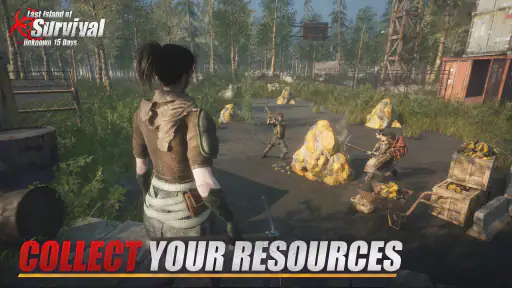
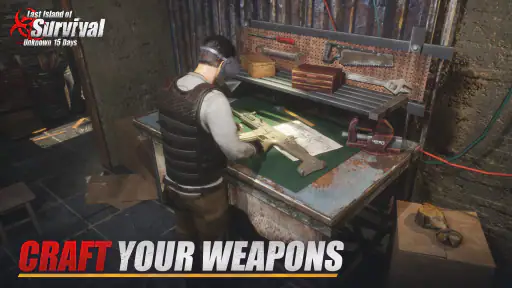
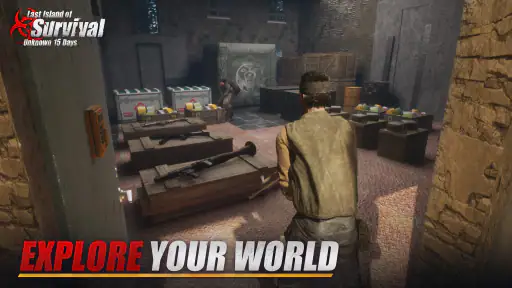
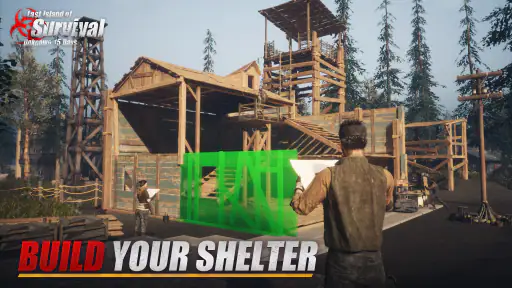
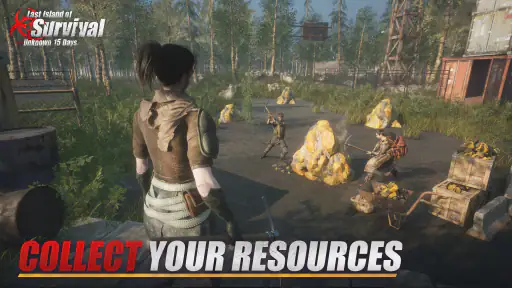
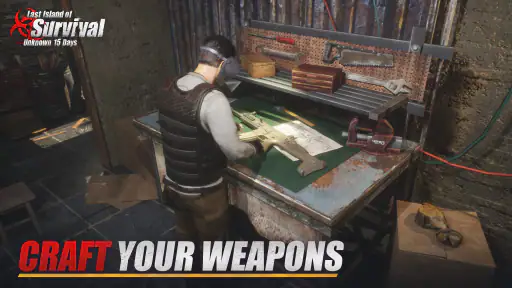
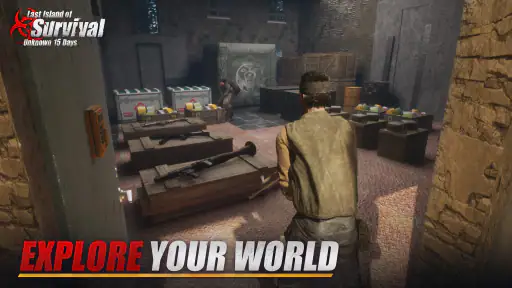
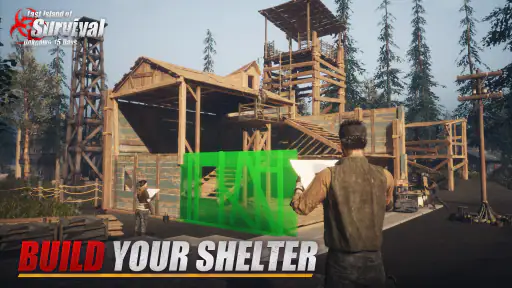
Analysis by Reviewed
I went into Last Island of Survival expecting a familiar mobile survival game, but its appeal became clearer after a few sessions: the real hook is not simply collecting materials or fighting enemies. It is the constant decision about what to risk, what to carry, and whether returning to safety is worth more than pushing forward. This is an action game from HK Hero Entertainment Co., Limited, and it places survival pressure at the center of nearly every choice.
The basic situation is easy to understand. You begin with very little, explore an open environment, gather what you can, and try to become better equipped before danger catches up with you. That sounds straightforward, but the game gets its tension from making every trip feel temporary. A successful outing gives you more options for the next one; a bad outing can erase the progress you were hoping to protect. That action-feedback-reward-reset rhythm is what kept me starting another session.
It is free to download and aimed at a Teen audience, although the free entry point does not mean the experience is completely free from pressure. Optional purchases range from $0.99 to $139.99 per item, so I would approach the store carefully rather than treating every offer as part of the core game. The current version is 18.1, and it runs on Android 6.0 or later.
Why the first few actions matter so much
The opening minutes are best understood as a test of priorities rather than a race toward impressive equipment. I found myself looking for useful resources, checking the surroundings, and thinking about a safe route back instead of wandering without a plan. That sounds like a small distinction, but it changes how the game feels. The environment is not just a backdrop for combat; it is a series of decisions about exposure and retreat.
The first action that matters is usually the one that gives you a little control. Gathering basic materials, improving your immediate situation, and learning where danger tends to interrupt your plans all make later movement more deliberate. I liked that the game rewards attention before it rewards confidence. Charging ahead may feel productive, but a cautious player who understands the route can often get more value from the same amount of time.
Combat gives the exploration a sharper edge. Encounters are not merely interruptions between resource stops. They affect whether the trip continues, whether you must turn around, and whether the items you have collected are worth protecting. I learned to treat a fight as a question: do I gain enough by taking it now, or am I allowing one unnecessary encounter to ruin the entire run?
This is also where the game differs from a relaxed crafting title. In a calmer survival alternative, gathering can feel like a checklist that gradually fills a storage area. Here, the act of gathering is tied to vulnerability. You are making progress while also creating something that can be lost. That tension is a strong reason to play, but it is also the first warning for anyone who dislikes setbacks.
Reading risk instead of chasing every opportunity
One useful habit is to divide an outing into a purpose before leaving. I might decide that the trip is mainly for materials, reconnaissance, or a specific confrontation. Without that decision, it is easy to keep moving simply because the next location looks tempting. The extra stop often creates the problem: more distance, more exposure, and a heavier load to protect.
I also recommend learning to retreat before the situation feels desperate. Waiting until health, supplies, or options are nearly gone makes the return journey far more stressful. The best runs are not always the ones with the largest haul. Sometimes the smart reward is coming home with enough to improve your position while leaving yourself a reason to go out again.
That approach makes the first phase satisfying because it turns basic movement into meaningful play. If you only want immediate action with little preparation, the slower resource decisions may feel like an obstacle. If you enjoy planning under pressure, they provide the foundation for everything that follows.
The feedback rhythm: action, danger, and adjustment
The strongest part of my experience was the feedback loop after each decision. You act, the world responds, and that response tells you how to adjust. A successful fight confirms that your preparation was adequate. A failed expedition exposes a weak point in your route, equipment choices, or timing. Even an uneventful trip can teach you which areas are worth revisiting and which ones consume too much effort.
This rhythm prevents the game from feeling like a simple sequence of missions. There is no single correct routine that makes every outing identical. The value of a location changes depending on what you need, how prepared you are, and how much you are willing to risk. That makes the open-world structure more useful than a large map would be on its own.
The action also benefits from the fact that progress is connected to decisions outside combat. Better preparation can make an encounter manageable, but preparation itself requires time and resources. That creates a satisfying chain: explore to gather, gather to improve, improve to survive a harder situation, then use the result to explore farther. The game is at its best when I could clearly see that chain without feeling as if I was simply repeating a chore.
At the same time, the rhythm can become tiring when a setback wipes out the momentum I had built. Survival games naturally depend on loss, but mobile play often happens in short, interrupted periods. A run that ends badly just before I need to stop playing can feel less like a dramatic conclusion and more like wasted time. This is one reason I preferred beginning a session with a modest objective rather than trying to solve everything in one visit.
How to make short sessions worthwhile
For a quick play period, I found it better to choose a narrow task: collect a particular type of resource, inspect a nearby area, or test whether a route is practical. A focused session gives me a clear stopping point and reduces the temptation to continue after the risk has become unreasonable. It also makes failure easier to understand because I know what I was attempting.
Longer sessions are more rewarding when I treat them as connected stages. I start by preparing, move into exploration, decide whether the first meaningful opportunity is worth taking, and then return before the trip becomes overloaded with risk. This is not a flashy strategy, but it makes the action feel more intentional and gives the reset a purpose instead of making it feel random.
The game is also more demanding than a typical casual action title because attention matters even when nothing dramatic is happening. You are watching the surroundings, considering your route, and judging whether the next reward justifies the next danger. Players who enjoy that quiet pressure will probably appreciate the pacing. Players who want constant combat may find the preparation sections too slow.
What counts as a reward
Rewards in this game are not limited to obtaining something new. The most satisfying reward is having more control during the next outing. A successful run can improve your options, reduce the fear of an ordinary encounter, or make a previously unattractive route worth considering. That sense of expanding possibility is more important than simply filling an inventory.
I especially liked the way a modest success could change my next decision. Returning safely with useful materials gave me a reason to prepare differently, while surviving a difficult encounter made me more confident about exploring a little farther. The reward is therefore both practical and psychological: you gain resources, but you also gain knowledge about what you can handle.
That is where the game has more depth than its simple survival premise suggests. The best progress is not always visible immediately. Sometimes the important result is learning that a certain approach is inefficient, that a fight should be avoided until later, or that carrying too much makes the return trip a bigger problem than the original objective. Those lessons improve play even when the inventory does not look dramatically different.
The trade-off between progress and convenience
The free model deserves attention here. The game can be started without paying, but optional purchases are present, with individual items priced from $0.99 up to $139.99. I would recommend deciding in advance whether you want to spend anything, because survival pressure can make convenience offers feel more attractive after a frustrating loss. Keeping purchases separate from the satisfaction of a successful run helps preserve the game’s central challenge.
This also affects who should play. If you want a survival experience where every improvement comes only from your own planning and patience, the presence of paid options may be distracting. If you are comfortable ignoring optional spending and treating it as a free action game with survival mechanics, the core loop remains easier to appreciate.
The audience size suggests that the game has broad reach: it has passed 10 million installs, while its average rating is 3.7 from around 590 thousand ratings and 16 thousand reviews. I read that as a sign of a substantial player base alongside a noticeably mixed reception. In my view, that combination makes sense. The game has a clear identity, but its pressure, setbacks, and purchase prompts will not suit everyone.
Why another session begins after a reset
The reset is the point where the game either earns another attempt or loses me. After a failed run, I want to understand what went wrong and believe that a different decision could improve the result. Last Island of Survival usually gives me that feeling when the failure comes from overextending, choosing the wrong moment to fight, or neglecting preparation. The next session then has a concrete purpose: correct the mistake.
That purpose is important because a reset without a lesson feels empty. I do not want to repeat the same route simply because the game expects repetition. I want to return with a changed plan. The open-world structure helps because there is room to alter the order of activities, take a safer approach, or postpone a tempting challenge until the odds are better.
There is a practical everyday scenario where this works well. Imagine having a free evening after work and starting with the intention of gathering enough materials to improve your next outing. You find a promising opportunity, take a fight that was not necessary, and lose the run. Instead of closing the game, you can begin again with a smaller target, avoid that encounter, and focus on returning safely. The second session is not identical because the first one supplied information, even though it did not supply the reward you wanted.
On the other hand, this reset structure is a poor fit for players who need reliable progress every time they play. If losing a long outing makes you feel that your time has been erased, the game may become frustrating rather than motivating. A more forgiving crafting or action game would be a better choice for that preference. This title asks you to accept that failure is part of the learning process, not an unusual interruption.
Who will enjoy the pressure, and who should skip it
I would recommend it to players who like open-world survival, tactical exploration, and action that becomes more meaningful because something is at stake. It is particularly suitable for someone who enjoys setting personal objectives rather than following a purely linear path. The game gives you reasons to think about the next trip, not just the current fight.
I would be more cautious recommending it to someone seeking a quick, low-stress mobile game. The need to gather, prepare, judge danger, and recover from setbacks can make a short session feel mentally busy. It is also not ideal if you dislike games where a successful plan may still end badly because of one aggressive decision or an unexpected encounter.
Compared with a standard mobile action game, this one offers more consequence between fights. Compared with a relaxed survival builder, it puts more weight on movement, danger, and the possibility of losing the value of an expedition. Compared with a purely competitive combat game, it asks for more patience before the action becomes worthwhile. Its best audience is therefore in the middle: players who want combat, but want the preparation and risk around combat to matter.
My verdict on the complete loop
Last Island of Survival works because its core loop has a clear shape. You take action by leaving safety and pursuing a goal. You receive immediate feedback through danger, combat, and the changing value of your route. You earn a reward that improves your next set of choices. Then a reset, successful or not, gives you a reason to revise the plan and begin again.
The loop is strongest when I keep my objectives realistic. A careful outing that ends safely can be more satisfying than a reckless attempt at a much larger reward. The game encourages that judgment without removing the temptation to overreach, and that tension is the main reason it feels more substantial than a basic gather-and-craft routine.
Its limitations are equally clear. The survival pressure can be exhausting, setbacks can feel harsh during short mobile sessions, and the optional purchase range means I would not play without keeping a firm boundary around spending. The mixed average rating is understandable because the same features that create tension for one player may create friction for another.
Still, after spending time with it, I think the game earns its place as a serious action-survival option on mobile. HK Hero Entertainment Co., Limited has built an experience where the next session is not attractive merely because there is more content waiting. It is attractive because the last session left me with a question: could I make a better decision this time? If you enjoy turning failure into a new plan, that question is the real reward.
Pros
- Large open world with plenty of areas to explore and resources to collect.
- Base building offers many customization options and defensive strategies.
- Online multiplayer creates exciting alliances
- raids
- and unpredictable encounters.
- Regular events and updates help keep the survival experience feeling fresh.
- Crafting and progression systems provide clear long-term goals.
Cons
- Frequent combat can feel punishing for players who prefer a relaxed survival game.
- Progress may become grind-heavy without spending significant time playing.
- Resource loss after death can be frustrating
- especially during online raids.
- Performance may vary on older devices
- with occasional lag in crowded areas.
- In-app purchases can give paying players advantages over free players.

- Category
- Action
- Version
- 18.1